


5 Days a week from 8:30 am to 5:30 pm

Can Adjustable Cabinet Legs Damage Your Flooring? What Installers Don’t Tell You
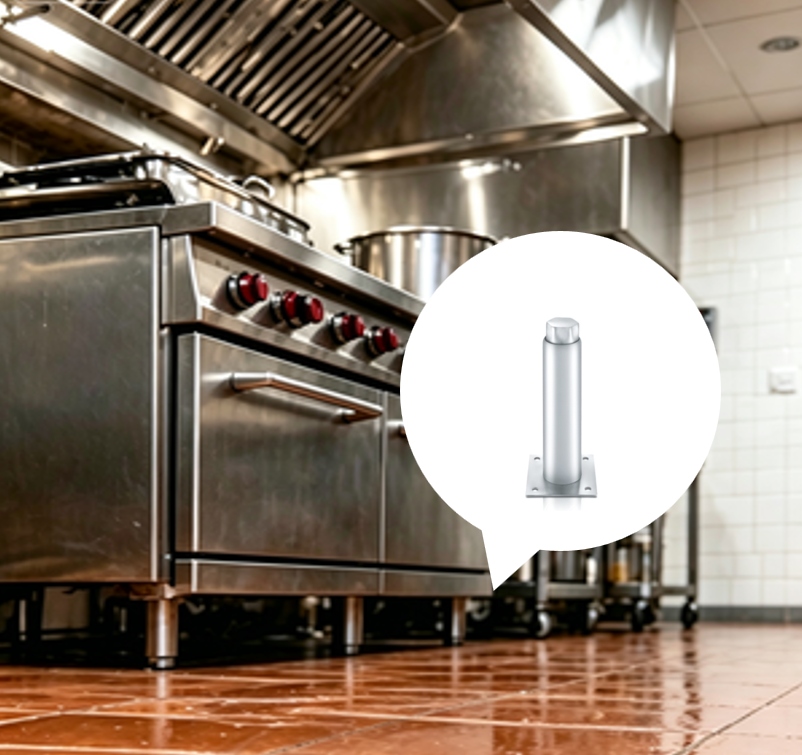
The issue of preventing floor scratches during cabinet setups has grown more important in homes and business kitchens alike. Adjustable legs are key parts that keep cabinets steady, even, and strong despite differences in floor types or underfloor setups. They help with exact placement during installation. Yet, wrong choices or poor use can harm floors as time passes. This piece looks at how adjustable legs work in structure, the kinds out there, risks to floors, and tips from experts to cut down on damage.
The Structural Role of Adjustable Cabinet Legs in Cabinet Installation
Adjustable cabinet legs play a vital role in keeping things balanced and straight on rough surfaces. They let workers adjust cabinet height without harming the base’s strength or needing changes to it. This feature is very useful in business kitchens. There, clean rules require exact leveling for good water flow and easy cleaning. These legs usually come made from plastic, metal, or mixed materials. Each type brings its own benefits in holding weight and fighting rust or bending.
Types of Adjustable Cabinet Legs and Their Contact Surfaces
To understand their effect on floors, we first need to see how various leg styles spread out the weight. Screw-in types give firm hold but can focus pressure on tiny spots. Clip-on bases make setup quicker. They often feature broader pads that even out loads better. Built-in leveling setups mix mechanical tweaks with bendable bases. These adapt to small bumps on the surface. The material on the contact area—such as rubber-covered, felt-lined, or firm plastic—sets how much rubbing happens against the floor. Some newer styles add safety covers or pads. These serve as shields between the leg bottom and floor covering.
How Can Adjustable Cabinet Legs Damage Flooring?
After setup, cabinets push steady pressure through their adjustable legs. With time, this contact can affect how floor materials handle the force.
How Point Load Pressure Affects Flooring Materials
When a weighty cabinet sits on tiny leg bottoms, the point load can press marks into soft floors like vinyl plank or hardwood. Even small squeezes that repeat over months can show clear dents. Tile or stone floors hold up against dents better. But they can still get scratched if leg bottoms move a bit during use. In business kitchens, cabinets often hold gear like dishwashers or fridges. Here, the total weight focus makes the problem worse.
The Role of Movement and Vibration in Surface Damage
Shifts in position are another thing workers often miss. Small shakes from inside appliances can lead to tiny slides between leg bottoms and floor faces. These small actions make rubbing wear that slowly fades the shine or shows the layers below. Also, if weight spreads unevenly among legs—maybe from loose parts—stress builds up at certain spots. This causes deeper floor bends.
What Factors Influence Floor Damage Likelihood?
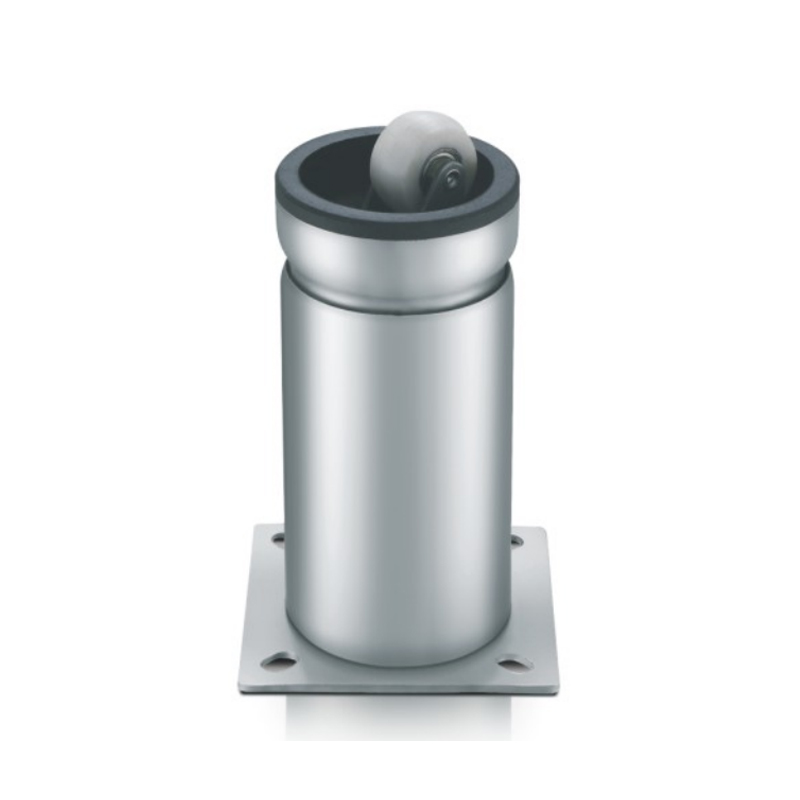 The chance of scratches or dents comes not just from the hardware style but also from surroundings and material traits. Understanding these helps in better planning.
Flooring Material Sensitivity to Pressure and Friction
Man-made wood, fake wood layers, and vinyl plank floors show more weakness to focused pressure than clay tiles or solid concrete bases. Guard coatings like clear sealants slow down surface harm. However, they can’t stop it fully under constant weight. Plus, the underfloor’s give plays a part. Softer bases boost bending under heavy pushes from adjustable legs.
Environmental Conditions Affecting Leg Performance and Floor Interaction
Changes in heat make floors and leg parts grow or shrink. This shifts the steady touch over time. High dampness can weaken glues under vinyl tiles or wood covers near touch areas. Dirt buildup under cabinet legs turns into a scratching helper when cabinets move a little. This happens a lot in busy business kitchens.
How Can Floor Scratch Prevention Be Achieved?
Workers can use a few steps during setup to guard finished floors from harm linked to adjustable legs. These methods focus on smart choices and care.
Protective Interfaces Between Legs and Flooring
Before going further with installation, it’s key to add safety layers built for lasting strength.
Use of Pads, Caps, and Discs
Rubber pads spread cabinet weight over a bigger space. They also cut down on direct rubbing with sensitive surfaces. Felt pads work well for setups with less weight. They allow some movement without marks. Plastic discs resist water—a big plus in damp spots like food prep zones. They keep steady weight spread under each leg bottom.
Application of Non-slip Mats Under Cabinets
One good way is to put non-slip mats under groups of cabinets. These mats take in shakes from gear running. They add a soft layer that lessens tiny shifts on the floor’s top.
Installation Practices That Minimize Risk
Skilled workers stress getting ready as the base of success in floor safety.
Pre-assessment of Flooring Type Before Installation
Checking the floor makeup before picking adjustable legs lets techs match parts to the setting’s needs. For example, tough metal supports should pair with strong covers when placed on dent-prone hardwoods.
Adjusting Load Distribution Across Multiple Legs
Evening out weight among all hold points makes sure pressure applies smoothly over the whole cabinet area. Thus, it cuts down on focused squeezes that cause clear dents as time goes on.
What Maintenance Practices Extend Floor Life Under Cabinets?
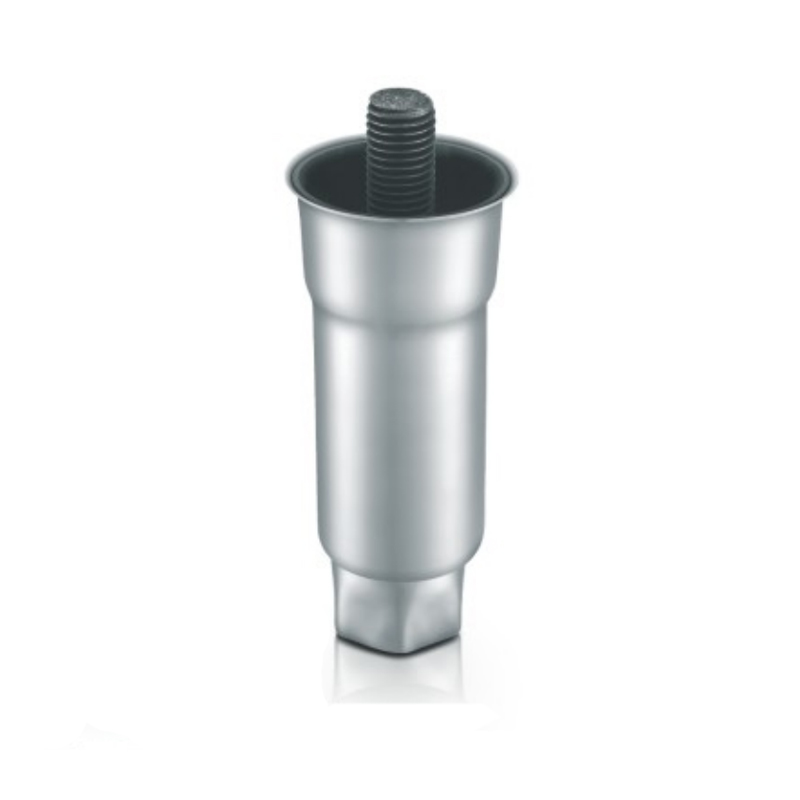
Even with good setup, steady upkeep decides if safety steps keep working for years. Regular care helps avoid issues.
Periodic Inspection and Adjustment Protocols
Regular check routines spot loose parts early. This prevents them from messing up straightness or boosting stress on some legs. Re-leveling now and then fixes changes from dampness in wood floors. It keeps steady hold at all points through seasons.
Replacement Strategies for Worn Leg Components or Pads
When safety covers show wear or breaks, replace them right away. This stops direct metal-to-floor touch, which speeds up scratch chances. If cabinets move to softer floor kinds, switch to bigger base holds. This keeps the best weight spread balances.
Insights from Professional Installers’ Experience (What Often Goes Unmentioned)
Experts often see quick fixes in fast setups that later speed up floor wear. Skipping safety pads is a top mistake. It happens most when time limits squeeze the job. Also, cheap plastic legs under heavy cabinets lead to slow bending. This not only makes things shaky but raises surface push below each touch point.
Seasoned workers suggest clear talks with customers about care after setup. This includes regular checks and pad swaps as needed. Such tweaks over time ensure strong work in home spots and business kitchen tasks alike.
Why Choose Foshan Simple Technology Co., Ltd. as Your Adjustable Leg Supplier?
Foshan Simple Technology Co., Ltd. stands out worldwide for making top-notch adjustable legs. These are built for exact setups in many uses—from ready-to-assemble furniture to heavy kitchen cabinet fixes. Their goods focus on lasting strength via smart material work. They offer sure height tweaks plus great floor match features like anti-scratch covers and water-proof bottoms. These suit tough business settings that want reliable results.
Conclusion
Well-chosen adjustable cabinet legs boost use while keeping floor looks safe. This happens with close attention in setup and steady upkeep. By adding safety items like pads or mats, checking surroundings first, and teaming with trusted sellers like Foshan Simple Technology Co., Ltd, pros can lower risks from focused weight, shake-caused wear, or dampness-led wobbles. In the end, this brings long satisfaction in all inside jobs that value strong build and nice looks.
FAQs
Do adjustable cabinet legs always need protective pads?
Protective pads are strongly recommended because they distribute weight evenly preventing concentrated stress that leads to indentation especially on soft flooring materials like vinyl plank or engineered wood.
How often should I inspect adjustable cabinet legs?
Inspection every six months is advisable particularly in humid climates where material expansion may alter alignment; this schedule ensures even load distribution remains intact throughout seasonal cycles.
Can metal-legged cabinets be safely installed on tile floors?
Yes provided rubberized caps or polyethylene discs are used beneath each foot; these accessories minimize abrasion risk while maintaining non-slip stability essential for heavy-duty applications such as commercial kitchens focused on hygiene compliance standards.
