


5 Days a week from 8:30 am to 5:30 pm

When Should You Replace a Commercial Fan Guard?
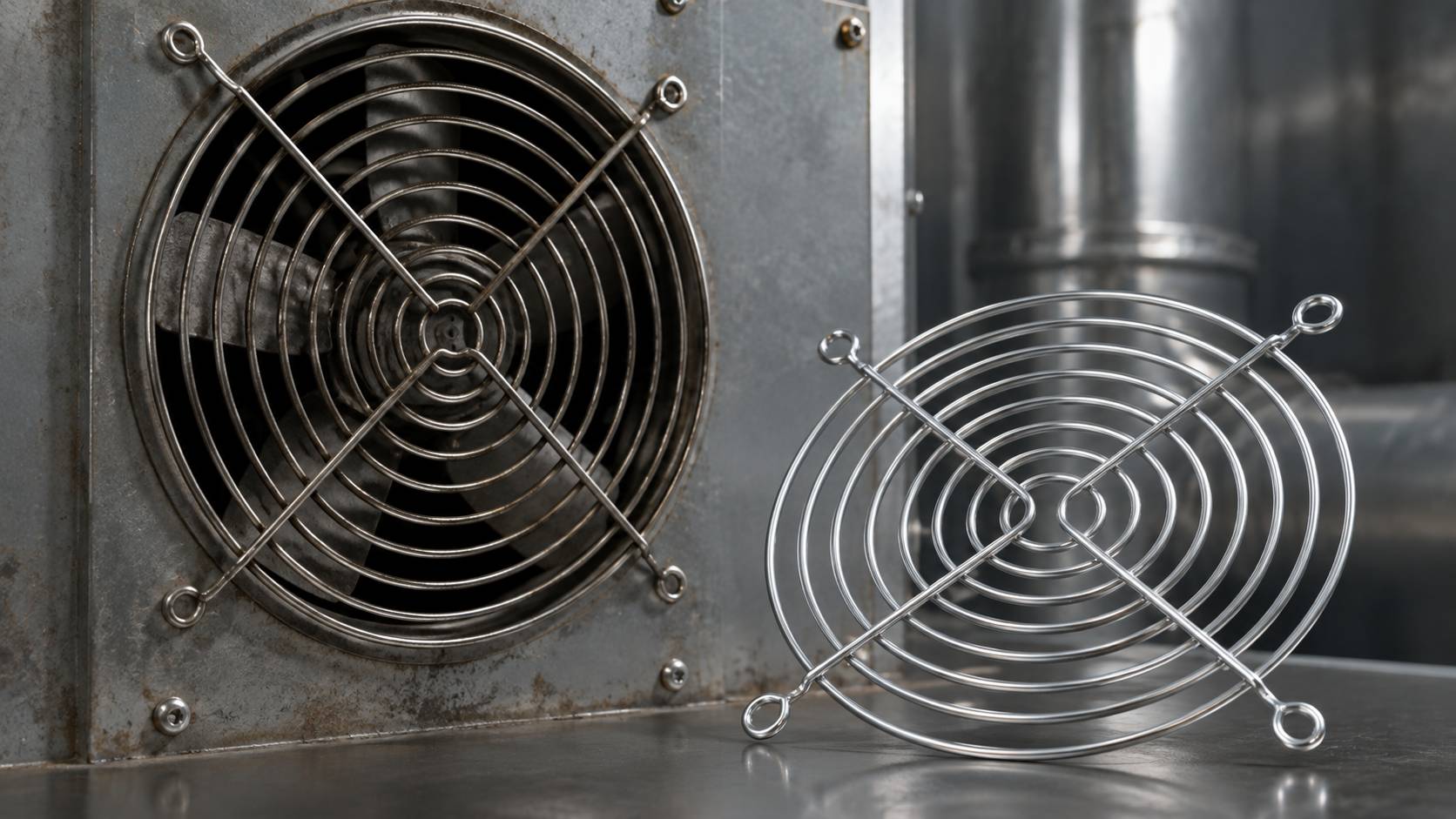
A commercial fan guard usually gets replaced only after visible damage appears, but waiting until a failure happens can create unnecessary maintenance problems. In their working environment, which can include commercial kitchens, restaurants, or hotels, fan guards are subjected to various influences such as grease, high temperatures, moisture, cleaning agents, and vibrations. The bent frame, damaged wire meshes, or corroded mounting points might not be a significant problem on first inspection, but they can interfere with the equipment’s protection or ease of maintenance. However, for kitchen contractors, maintenance staff, or buyers, this information is less important than the knowledge of when to replace a fan guard.
When Is a Commercial Fan Guard No Longer Safe to Keep Using?
Most fan guards do not fail suddenly. Their condition usually changes gradually during operation. The challenge for maintenance teams is deciding when normal wear becomes a replacement risk.
One of the first signs is physical deformation.
A commercial fan guard is designed to maintain a stable protective distance between the operator and moving fan components. If the wire mesh becomes bent or the frame is pushed out of shape, the original protection level may change.
This type of damage often happens because of:
-
Equipment movement during kitchen renovation
-
Impact from cleaning tools or nearby equipment
-
Incorrect removal and installation
-
Long-term vibration during operation
A slightly bent guard may still look presentable, but the compromised structure will fail to provide an adequate level of protection.
Another obvious sign of the need for replacement is the guard’s instability. If it cannot maintain a fixed position due to bent brackets, worn mounting points, or other issues, it must be replaced instead of being adjusted.
After all, a fan guard in a commercial kitchen is designed not only to cover the fan but also to last through continuous use.
How Do Grease, Heat, and Cleaning Affect Fan Guard Lifespan?
Commercial kitchen environments are much harder on components than ordinary indoor spaces. A fan guard installed near cooking equipment is exposed to conditions that accelerate wear.
Grease accumulation is one of the most common problems.
When grease collects on the wire surface, it can make cleaning more difficult and create additional weight on the structure. Over time, grease deposits may combine with dust and moisture, forming a layer that is difficult to remove.
Heat exposure also matters.
Repeated heating and cooling cycles can gradually affect metal components. This is especially important for guards installed near high-temperature cooking areas.
Cleaning methods create another variable. Some kitchens use strong cleaning chemicals or high-pressure washing. While these methods help remove grease, unsuitable cleaning practices may damage surface finishes or accelerate corrosion at connection points.
Before replacing a fan guard, maintenance teams should consider:
-
Where the guard is installed
-
How often the kitchen operates
-
How frequently cleaning is performed
-
What cleaning methods are used
A guard in a high-volume frying area may require attention earlier than one used in a lower-grease environment.
What Problems Can Happen If a Damaged Fan Guard Is Not Replaced?
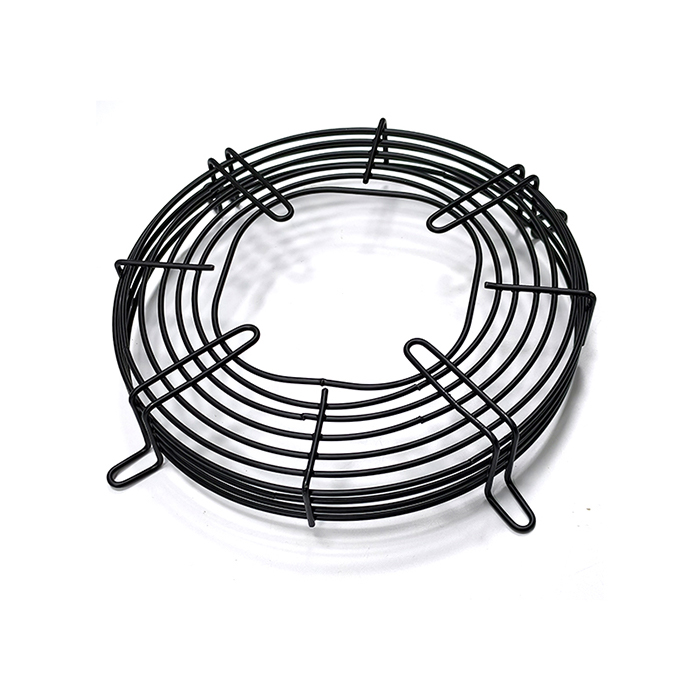
A damaged fan guard may not immediately stop equipment operation, which is why replacement is often delayed. However, continuing to use a worn component can create several problems.
The first issue is reduced equipment protection.
A damaged guard may have weaker connection points or openings that are different from the original design. In areas where staff frequently work around equipment, maintaining proper protection is important.
The second issue is maintenance efficiency.
A damaged wire structure can collect grease and debris in difficult-to-clean areas. This increases cleaning time and may affect the overall condition of the ventilation equipment.
The third issue is equipment reliability.
Loose or damaged guards may result in additional vibrations, which in some cases can lead to excessive noise or even damage to other parts of the installation.
At the same time, for a restaurant owner, the replacement of a fan guard is significantly less problematic than restoring the functioning of equipment that has been improperly maintained for years.
What Should Buyers Check Before Ordering a Replacement Commercial Fan Guard?
When it comes to buying a replacement, not any copy of the guard will do. It has to be compatible with the equipment, installed under the same conditions, and placed in the same environment.
Prior to making a purchase, the buyer has to make sure a few things are on the table.
Dimensions and Installation Method
The replacement guard should match:
-
Outer size
-
Mounting position
-
Fixing method
-
Available installation space
A common mistake is measuring only the overall diameter or length. The mounting structure and clearance around the fan are also important.
Material Selection
The working environment should determine the material choice.
For commercial kitchens, buyers should consider:
-
Exposure to grease
-
Humidity level
-
Cleaning frequency
-
Temperature conditions
Stainless steel fan guards are often selected for demanding kitchen environments because of their corrosion resistance and maintenance characteristics.
Frame and Wire Construction
The structure of the guard affects both protection and durability.
Important details include:
-
Wire thickness
-
Frame strength
-
Welding consistency
-
Surface condition
A supplier should be able to explain how these details match the intended application.
Supplier Communication
Before purchasing, buyers can ask suppliers:
-
What equipment models are compatible?
-
Can the guard be customized?
-
What material options are available?
-
How is product quality checked during manufacturing?
These questions help avoid ordering a component that fits physically but does not suit the working environment.
How Can Maintenance Teams Create a Better Fan Guard Replacement Plan?
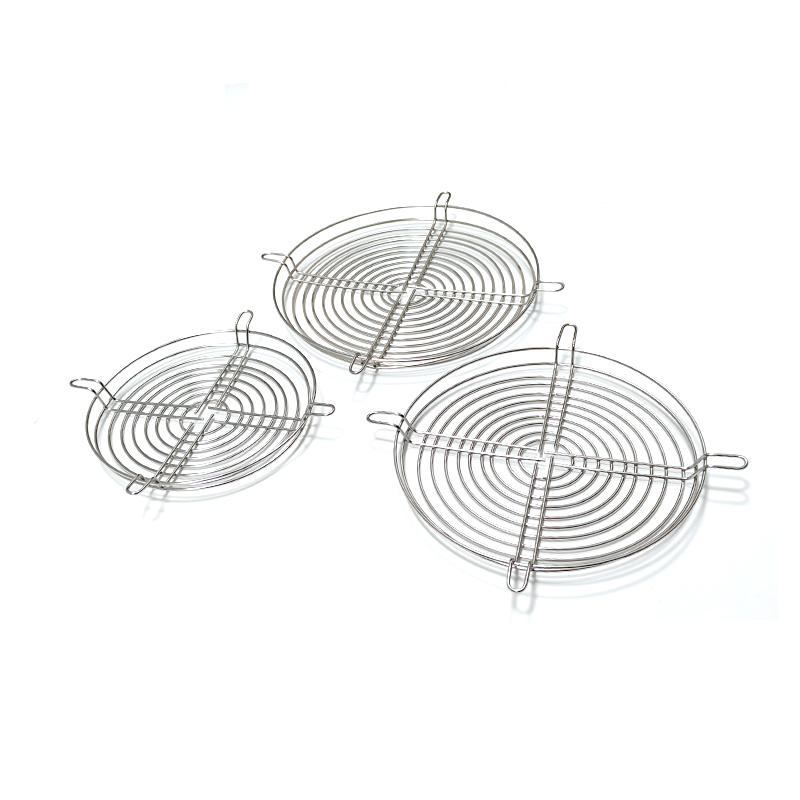
Many commercial kitchens replace components reactively. A problem appears, the equipment stops, and a replacement is ordered quickly. A better approach is to include fan guards in regular equipment inspections.
During inspection, maintenance teams should look for:
-
Bent wire sections
-
Rust around joints
-
Loose mounting points
-
Grease buildup that cannot be removed easily
-
Unusual vibration or noise
Inspection records can also help identify patterns. If certain kitchen areas require frequent replacement, the operating environment or product selection may need to be reviewed.
For distributors and kitchen contractors, understanding replacement conditions also helps provide better recommendations. Instead of supplying the same guard for every project, they can consider equipment type, location, and expected usage.
How Does Foshan Simple Technology Co., Ltd. Support Commercial Kitchen Fan Guard Requirements?
Foshan Simple Technology Co., Ltd. focuses on commercial kitchen components designed for professional foodservice environments. The company considers practical factors such as product structure, material selection, and manufacturing consistency when developing kitchen accessories. For buyers sourcing fan guards and related components, matching the product with actual equipment requirements is an important part of supplier evaluation. Foshan Simple Technology Co., Ltd. supports different commercial kitchen applications by providing products developed around installation needs, operational conditions, and customer requirements.
Conclusion
A commercial fan guard should be replaced before damage creates equipment or maintenance problems. Such signs as deformation, corrosion, unstable mounting, and difficulty to clean signals that it is not suitable to use the guard further. The buyer shall pay attention to size, material, design, and conditions of use instead of focusing on the price. A suitable fan guard helps maintain equipment protection and supports more reliable commercial kitchen operation.
FAQs
1. How do I know if my commercial fan guard needs replacement?
Common signs include bent wire mesh, rust, loose mounting points, damaged frames, and changes in cleaning difficulty. Regular inspection helps identify problems before they affect equipment operation.
2. Can grease damage a commercial fan guard?
Yes. Long-term grease exposure can increase cleaning difficulty and may contribute to corrosion when combined with moisture and cleaning chemicals.
3. Should I repair or replace a damaged fan guard?
Minor hardware issues may be repairable, but structural damage, corrosion, or deformation usually requires replacement to maintain proper protection.
4. What material is suitable for commercial kitchen fan guards?
Material selection depends on the installation environment. Stainless steel is commonly considered for areas requiring corrosion resistance and frequent cleaning.
5. What information should I provide when buying a replacement fan guard?
Buyers should provide dimensions, equipment details, installation method, operating environment, and material requirements so suppliers can recommend a suitable option.
