


5 Days a week from 8:30 am to 5:30 pm

How Restaurant Chains Can Reduce Range Hood Light SKU Proliferation
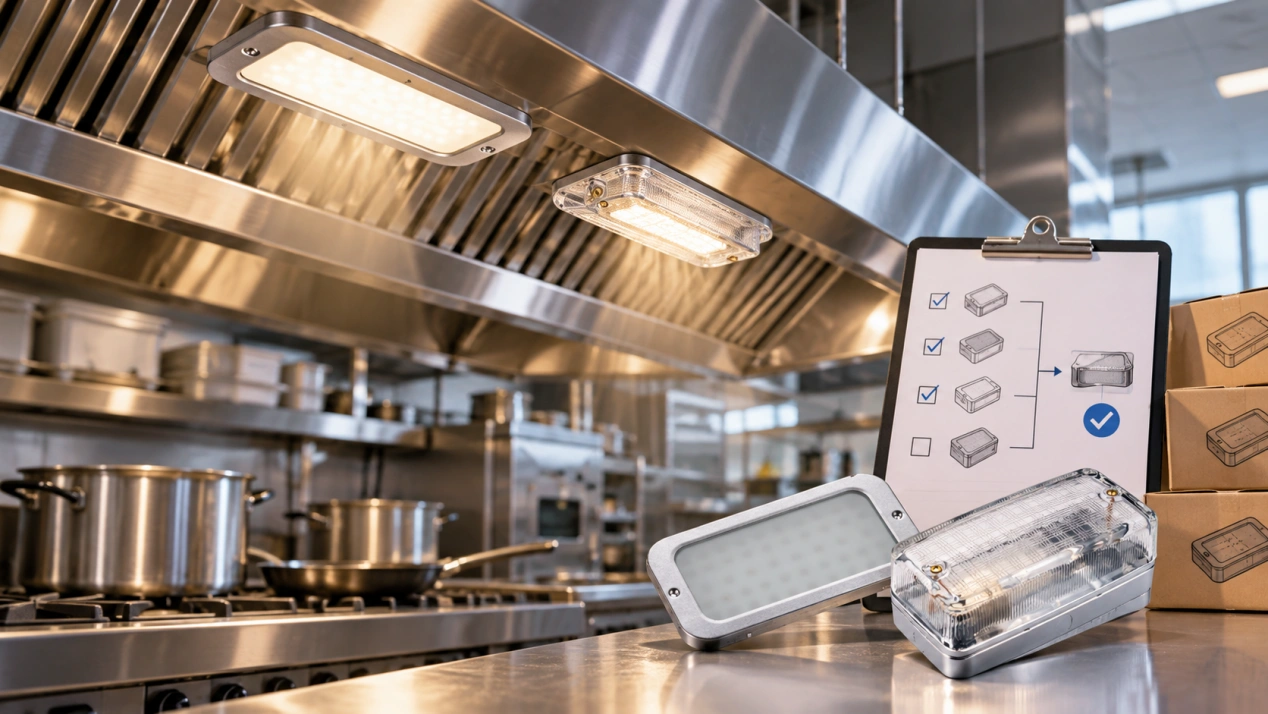
Restaurant chains can reduce range hood light SKU proliferation by standardizing compatible lighting specifications across their locations without forcing different hood systems to use the same fixture. For purchasing managers and maintenance teams, the challenge is that restaurants opened at different times may use different hood manufacturers, lighting dimensions, electrical connections, and mounting arrangements. A centralized purchasing system can end up carrying several similar-looking lights even when some serve the same equipment requirements. However, combining incompatible models creates installation problems and additional maintenance work. A practical standardization program starts with identifying existing fixtures, confirming technical interchangeability, and establishing an approved lighting list that connects each restaurant’s equipment with the correct replacement part.
Why Do Restaurant Chains Accumulate Too Many Range Hood Light SKUs?
Range hood light inventories often grow gradually rather than through a deliberate purchasing decision. A new restaurant may receive lighting from its kitchen equipment supplier, while an older location continues using a different hood configuration. Maintenance teams may also purchase replacement lights from local distributors when the original model becomes unavailable.
Over time, similar fixtures can acquire different internal part numbers even though they serve comparable applications. The opposite problem can also occur: two lights may share a general product description while having incompatible electrical or mounting specifications.
Identify the Sources of SKU Duplication
The first step is to compare purchasing records with the lighting equipment installed at each location. Buyers should record the existing part number, hood reference, supplier information, and available technical documentation.
Where historical purchase descriptions are incomplete, a controlled equipment survey can help establish which fixtures are actually in use.
A useful inventory review separates three situations:
-
Different part numbers representing the same approved component.
-
Different components that may be technically interchangeable.
-
Similar-looking lights that must remain separate because their specifications differ.
The first group presents a straightforward opportunity to simplify inventory records. The second requires engineering verification, while the third should remain under separate part numbers.
For restaurant chains, this distinction prevents purchasing teams from reducing SKU counts simply by grouping products with similar names or appearances.
Which Range Hood Light Specifications Determine Whether Two Models Are Interchangeable?
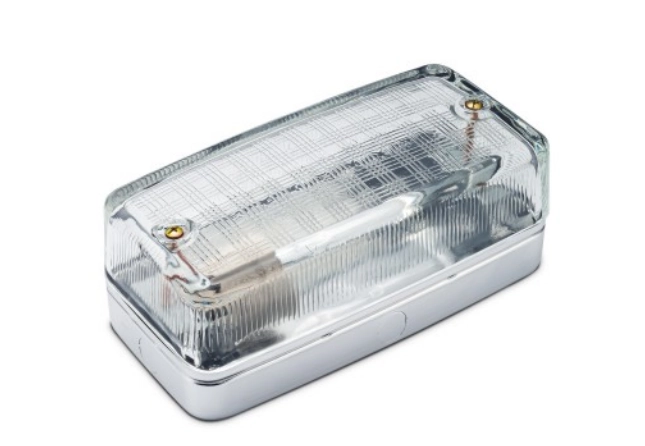
Interchangeability should be established through the complete lighting assembly rather than one matching dimension. Two fixtures may have identical visible frames but use different internal housings, drivers, connectors, or installation methods.
Buyers reviewing commercial range hood lights should therefore compare both electrical and mechanical specifications before deciding whether separate models can share one inventory reference.
Electrical and Mechanical Compatibility
The equipment survey should identify the rated voltage, supply type, driver arrangement, fixture dimensions, mounting method, connector configuration, and lighting requirements.
A useful standardization matrix can include:
| Specification | What to compare | Inventory decision |
| Rated voltage | Fixture requirement and hood supply | Confirm electrical compatibility |
| Fixture dimensions | Housing and mounting envelope | Confirm installation fit |
| Mounting arrangement | Fixing points and installation method | Identify mechanical differences |
| Driver configuration | Integrated or external | Confirm electrical arrangement |
| Connector type | Interface and wiring arrangement | Prevent installation modifications |
| Lighting performance | Output and color temperature | Maintain consistent illumination |
| Environmental requirements | Approved operating conditions | Confirm application suitability |
Matching one row does not establish that two fixtures are interchangeable. Every relevant requirement must be reviewed against the intended equipment.
For example, a replacement with the correct housing size may still require a different driver or connector. Such a fixture should not enter the approved inventory as a direct substitute without engineering review.
Distinguish Technical Compatibility From Purchasing Convenience
A common lighting specification does not necessarily require every restaurant to use identical hardware. Different hood designs may need separate installation arrangements even when their lighting requirements are similar.
The purchasing team should distinguish between standardizing technical requirements and standardizing physical part numbers.
Where existing equipment cannot accept a common fixture without modification, retaining a separate SKU may be more appropriate than changing the hood solely to simplify inventory.
How Should Restaurant Chains Build an Approved Hood Light SKU Matrix?
An approved SKU matrix connects each lighting component with the equipment and locations where it may be used. It provides a common reference for purchasing, warehouse personnel, contractors, and maintenance technicians.
Without this connection, an internal part number may identify a lamp but provide little information about whether it is suitable for a particular hood.
Map Each SKU to Its Approved Applications
The matrix should contain the internal SKU, supplier reference, approved technical specification, compatible hood models, and restaurant locations where the component is installed.
Each approved alternative should be recorded separately rather than grouped under an informal description such as “standard commercial hood light.”
A practical matrix should also identify the drawing revision or technical document used to establish compatibility.
Where one fixture is approved for several hood models, those models can be listed against the same SKU. If a fixture is compatible with only part of the installed equipment population, that limitation must remain visible.
For multi-site projects, existing technical records may be incomplete. In that case, the purchasing team should confirm the relevant equipment specifications before classifying a light as a common replacement.
Establish a Controlled Part Number
One approved SKU should represent a clearly defined product specification. Different suppliers may use their own model references, but the restaurant chain’s internal part number should remain connected to the accepted configuration.
If two suppliers offer components that meet the same approved requirements, the matrix can identify them as authorized alternatives where interchangeability has been established.
This approach makes the inventory system easier to manage without assuming that every visually similar product can replace another.
What Should Buyers Verify Before Approving a Standard Range Hood Light?
A standardization proposal should be tested against the equipment it is intended to serve. Catalog comparisons can identify possible alternatives, but they cannot resolve every issue involving installation space, wiring access, or fixture positioning.
For restaurant chains operating several hood models, a representative sample should be checked on each relevant equipment configuration before the new SKU is approved.
Use Representative Hood Assemblies
The sample should be installed using the intended mounting and electrical arrangement. Technicians should confirm that the fixture fits without modifying the hood opening, changing the wiring system, or forcing the housing into position.
The evaluation should also consider whether the light can be removed and replaced using the normal maintenance procedure.
A practical approval record includes:
-
Electrical specifications match the equipment.
-
Fixture and mounting dimensions are compatible.
-
Connector and driver arrangements are confirmed.
-
Required lighting performance is maintained.
-
Environmental requirements are satisfied.
-
Installation does not require unapproved modifications.
-
Maintenance access remains acceptable.
-
Compatible hood models are documented.
The approved sample and supporting drawings should be retained as technical references for future purchasing.
Where several restaurant locations use the same hood model, one equipment-level approval may support the purchasing decision, provided the relevant installed configurations are genuinely identical.
How Can Purchasing Teams Prevent SKU Proliferation From Returning?
Reducing the number of active part numbers is only the beginning. Without controls for new equipment purchases, supplier substitutions, and maintenance orders, the inventory may gradually accumulate additional lighting models again.
A standardization program should therefore connect equipment purchasing with replacement-parts management.
Control New Equipment and Supplier Changes
When new restaurant equipment is purchased, the procurement team should identify whether its lighting components already appear on the approved SKU list.
If the equipment introduces a new fixture, its specifications should be reviewed before a new inventory reference is created.
An unfamiliar supplier model number does not necessarily justify a new SKU. Conversely, a component presented as equivalent should not be accepted without confirming the relevant specifications.
Where non-standard configurations are required, the OEM customization process can support communication around technical requirements and sample approval.
Connect Inventory With Maintenance Records
Warehouse and maintenance systems should use the same approved part numbers. Each restaurant should have a record showing which lighting SKU belongs to each hood.
When a technician requests a replacement, the equipment reference should identify the correct part rather than relying on a general description.
Purchasing teams should periodically review inactive SKUs, obsolete equipment, authorized substitutions, and the actual use of spare parts.
A smaller SKU list is useful only when it still allows maintenance teams to obtain the correct component without delays or field modifications.
Professional Technical Support from Foshan Simple Technology Co., Ltd.
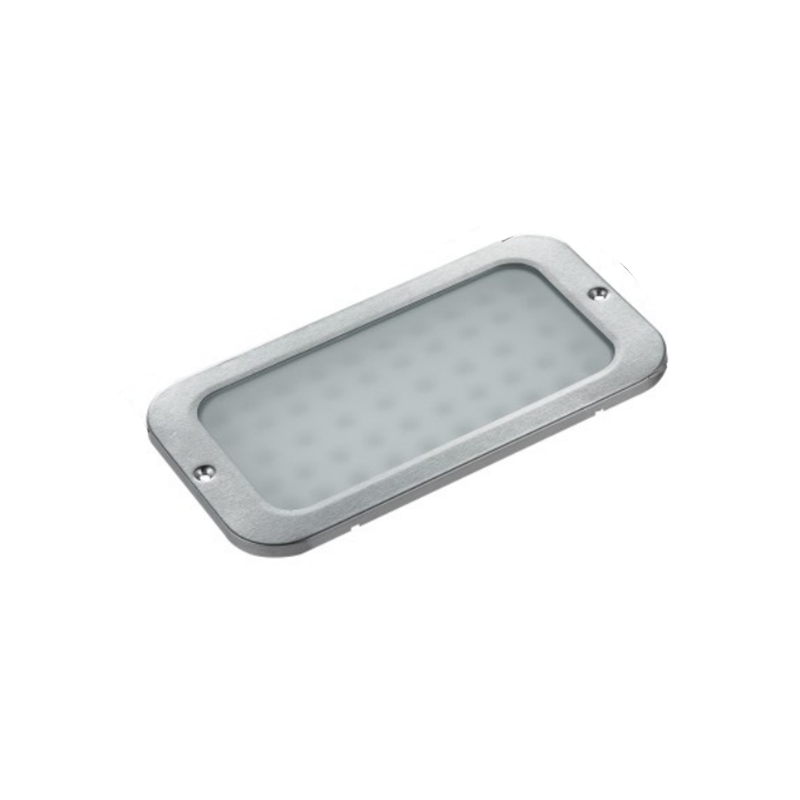
Foshan Simple Technology Co., Ltd. supplies commercial kitchen components for OEM manufacturers, equipment distributors, and replacement-parts buyers, including range hood lights in different housing formats and electrical configurations. Its product range also includes grease filters, fryer baskets, adjustable legs, and bullet feet. The SP-232BH Range Hood Anti Oil Fume LED Light provides a product-level reference for buyers comparing lighting specifications across equipment installations. For multi-site purchasing, the relevant hood drawings, existing fixture references, electrical requirements, installation details, and projected quantities should be documented together. This information allows proposed lighting configurations to be evaluated against the actual equipment requirements before they are added to an approved procurement list.
Conclusion
Range hood light standardization works when restaurant chains reduce unnecessary part-number variation without removing the technical distinctions required by different hood systems. Purchasing teams should begin with an inventory of installed fixtures, compare electrical and mechanical specifications, and approve interchangeability on representative equipment. The resulting SKU matrix should connect each accepted component with its compatible hood models and restaurant locations. Maintaining that reference across equipment purchasing, spare-parts ordering, and supplier changes can reduce duplicate inventory while preventing unsuitable replacements from entering the maintenance system.
FAQs
1. Should a restaurant chain use one range hood light model across every location?
Only when the installed hood systems support the same approved lighting configuration. Different electrical supplies, mounting arrangements, connectors, or environmental requirements may justify separate models. Standardization should remove unnecessary duplication without forcing incompatible equipment to use identical components.
2. Can range hood lights with the same dimensions share one SKU?
Not automatically. Matching dimensions establish only part of the compatibility requirement. Buyers must also confirm voltage, driver arrangement, connector configuration, mounting details, lighting performance, and relevant operating conditions before treating two models as interchangeable.
3. What information should be included in a range hood light SKU matrix?
The matrix should identify the internal part number, supplier reference, approved technical specification, compatible hood models, applicable restaurant locations, and authorized alternatives. Including the relevant drawing or specification revision helps purchasing and maintenance teams identify the correct component.
4. How should restaurant chains handle obsolete hood light models?
The purchasing team should identify affected equipment, remaining stock, and available replacement options. Any proposed substitute needs technical approval before the obsolete part number is removed from active purchasing records or replaced with another SKU.
5. How can purchasing teams prevent new hood light SKUs from accumulating?
New equipment purchases and supplier substitutions should be checked against the existing approved lighting list. A new part number should be introduced only when an existing approved SKU cannot meet the equipment requirements or when a separate specification is otherwise necessary.
