


5 Tage in der Woche von 8:30 bis 17:30 Uhr

When Should Commercial Kitchen Use Adjustable Legs with Wheels?
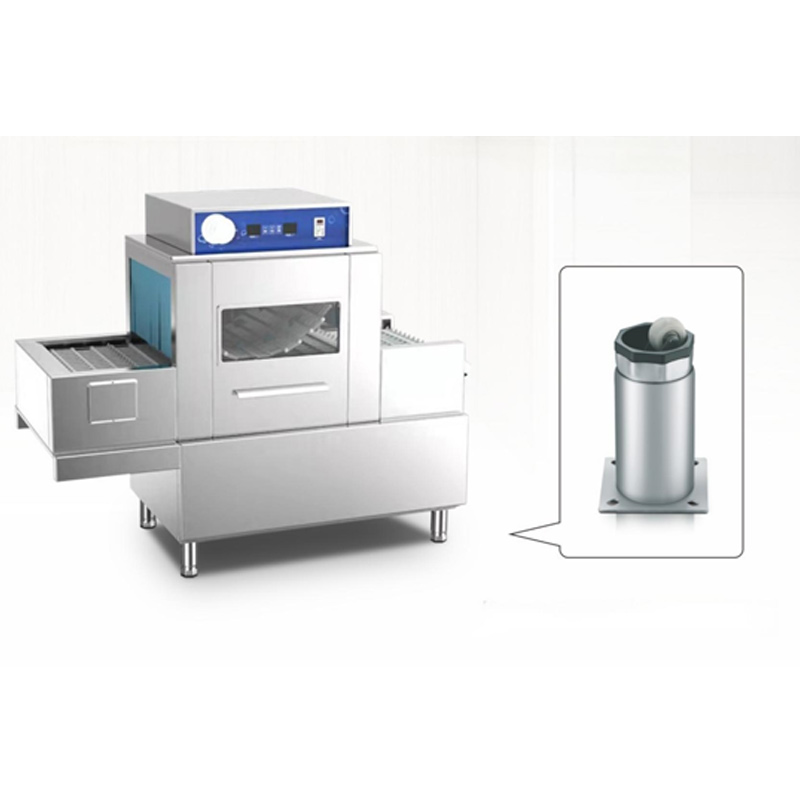
Commercial kitchen equipment is expected to stay stable during service, yet it also needs to move when cleaning, maintenance, or layout changes are required. This is why verstellbare Beine with wheels have become a practical choice for many commercial kitchen setups. They combine the height control of leveling feet with the movement support of commercial kitchen casters.
For dishwashers, induction cookers, snack carts, compact workstations, and other movable commercial kitchen equipment, this type of support part can reduce lifting work, improve floor access, and help the equipment sit level after relocation.
What Are Adjustable Legs with Wheels?
Adjustable legs with wheels are support components used under commercial kitchen equipment. They are different from fixed legs because they allow equipment to move when needed. They are also different from regular casters because they still provide height adjustment and a more controlled equipment base.
A Combined Structure for Movement and Leveling
A typical adjustable foot with wheel includes a metal body, wheel structure, and height adjustment system. In commercial kitchens, stainless steel adjustable feet are widely used because they can handle moisture, oil, heat, and frequent cleaning better than many basic materials.
The main functions include:
-
Moving equipment for cleaning or layout changes
-
Adjusting height on uneven kitchen floors
-
Supporting heavy commercial kitchen equipment
-
Reducing manual lifting during maintenance
-
Helping the equipment return to a stable working position
This makes leveling feet with wheels useful in kitchens where equipment does not move every hour but still needs to be shifted from time to time.
When Should Commercial Kitchen Equipment Use Adjustable Legs with Wheels?
Not every machine needs wheels. Some ovens, refrigeration bases, and fixed cooking lines are better with heavy-duty fixed feet. Adjustable legs with wheels are most useful when commercial kitchen equipment needs both mobility and stable support.
When Equipment Needs to Move for Floor Cleaning
Grease, flour dust, food scraps, and water often collect under dishwashers, cooking stations, and snack preparation equipment. Fixed equipment can create cleaning blind spots. Over time, these areas may cause odor, pest risk, slippery floors, and harder hygiene checks.
Adjustable legs with wheels allow staff to move equipment away from the wall or from a tight corner. The floor can be washed, dried, and checked more easily. After cleaning, the equipment can be moved back and leveled again.
This is especially useful for:
-
Commercial dishwashers near wet zones
-
Snack carts used in food preparation areas
-
Compact induction cooker stations
-
Mobile commercial kitchen worktables
-
Equipment placed near floor drains
For commercial kitchens with daily washdowns, the cleaning benefit alone can justify the use of wheeled adjustable feet.
When the Kitchen Layout Changes Often
Commercial kitchens do not always keep the same layout. A hotel kitchen may change workflow between breakfast, banquet preparation, and late-night service. A catering kitchen may move equipment based on order volume. A quick-service kitchen may adjust stations during menu changes.
In these cases, fixed commercial kitchen equipment legs can slow down the process. Moving equipment without wheels often needs several workers, lifting tools, or outside service. Adjustable legs with wheels reduce that burden.
They work well for equipment that needs controlled repositioning rather than constant rolling. For example, a snack cart may stay in one place during service but move after closing. An induction cooker stand may be shifted between prep and cooking zones. A dishwasher may need to move slightly for pipe inspection.
When Heavy Equipment Still Needs Controlled Mobility
Heavy equipment is one of the main reasons buyers search for heavy duty adjustable feet with wheels. In commercial kitchens, the issue is not only whether equipment can roll. The more important question is whether it can remain stable after movement.
A weak wheel structure may cause shaking, floor damage, or uneven weight loading. A suitable adjustable leg with wheel should match the equipment weight, floor type, and use frequency.
Before selecting heavy duty adjustable legs, check:
-
Empty equipment weight
-
Loaded equipment weight
-
Number of support points
-
Floor slope and tile condition
-
Frequency of movement
-
Heat, water, and cleaning chemical exposure
For heavy commercial kitchen equipment, load capacity should not be chosen at the limit. A safety margin is important because equipment may carry water, food, baskets, pans, or internal parts during operation.
When Maintenance Access Matters
Commercial kitchen equipment often has power cords, water lines, drain hoses, ventilation gaps, or back panels that need access. If the equipment is fixed too tightly against a wall, simple maintenance can become slow and expensive.
Adjustable legs with wheels can help staff or technicians move the equipment slightly without dragging it across the floor. This can reduce scratches, protect pipes, and shorten inspection time.
Common maintenance cases include:
-
Checking dishwasher water connections
-
Cleaning behind induction cooker stands
-
Inspecting food cart wheels and lower frames
-
Replacing worn parts under compact equipment
-
Clearing debris near floor drains
This is not about turning every machine into a mobile cart. It is about giving commercial kitchen equipment enough movement for practical service work.
Adjustable Legs with Wheels vs Regular Adjustable Feet vs Casters
Each support type has its own role. The right choice depends on how often the equipment moves, how much weight it carries, and how stable it must be during use.
Main Differences
| Support Type | Best Use in Commercial Kitchens | Main Benefit | Main Limit |
|---|---|---|---|
| Regular adjustable feet | Fixed ovens, worktables, refrigeration bases | Strong leveling and support | Hard to move |
| Regular casters | Trolleys, racks, carts | Easy movement | Less leveling control |
| Adjustable legs with wheels | Dishwashers, induction cooker stands, snack carts | Movement plus height adjustment | Must match load and floor condition |
Regular adjustable feet are suitable for equipment that stays in one place for long periods. Commercial kitchen casters are better for carts and transport racks that move frequently. Adjustable legs with wheels fit equipment that mostly stays in position but still needs occasional movement.
Which Commercial Kitchen Equipment Can Use Adjustable Legs with Wheels?
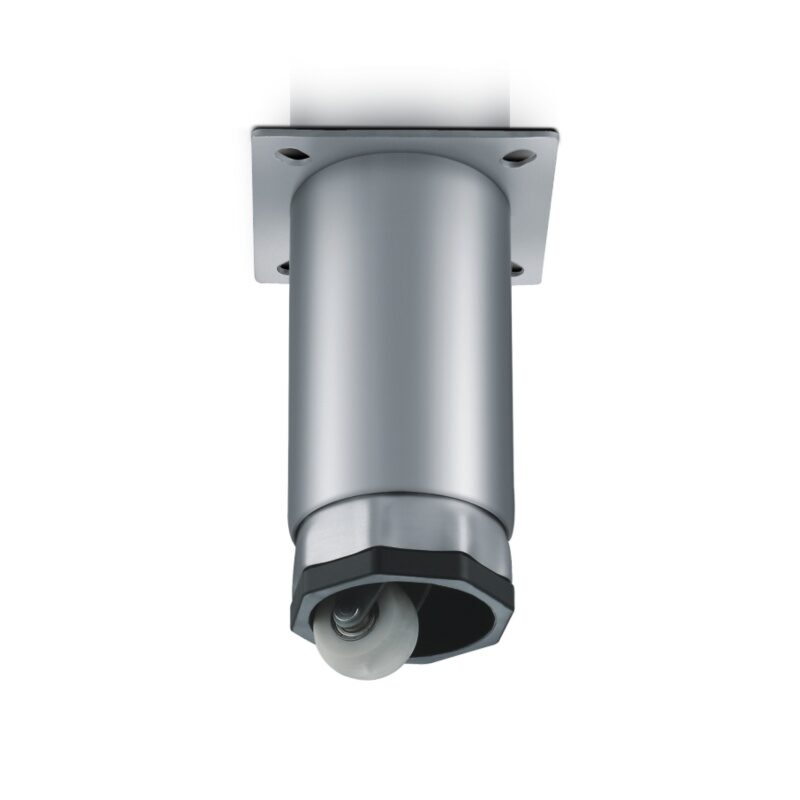
The best applications are commercial kitchen units that need cleaning access, service access, and position adjustment without constant transport.
Gewerbliche Geschirrspüler
Dishwashers sit in wet areas and often connect to water, power, and drainage. Adjustable legs with wheels for dishwashers can make inspection and cleaning easier. They also help the unit sit level after being moved.
Induction Cookers
Induction cooker stations are often used in flexible commercial kitchen layouts. Adjustable feet with wheels for induction cookers support movement between work zones while keeping the equipment at a practical working height.
Snack Carts and Food Preparation Stations
Snack carts and small food stations often need to change positions based on service time, cleaning schedule, or floor plan. Adjustable leveling feet with wheels for snack carts make these changes easier without losing support.
Compact Worktables and Equipment Bases
Commercial kitchen worktables may need to move for floor washing, wall cleaning, or equipment replacement. Wheeled adjustable feet can help kitchens keep flexibility without making the base feel loose during use.
How to Choose Adjustable Legs with Wheels
A good selection process starts with practical kitchen conditions, not just size or price.
Check Load Capacity First
The support part must carry the real operating weight. That means equipment weight plus water, ingredients, trays, tools, and daily working load.
| Selection Factor | What to Check | Warum es wichtig ist |
|---|---|---|
| Load capacity | Total loaded weight divided by support points | Prevents bending, sinking, or failure |
| Material | Stainless steel, reinforced structure | Handles wet and hot kitchen areas |
| Height range | Needed working height and floor slope | Helps the equipment sit level |
| Wheel design | Smooth rolling and strong connection | Reduces floor damage and dragging |
| Surface finish | Easy-to-clean surface | Helps with kitchen hygiene |
For B2B buyers, this step is also important when sourcing OEM adjustable legs for kitchen equipment. A mismatch in load rating or height range can lead to complaints after installation.
Choose Stainless Steel for Wet and Hot Areas
Commercial kitchens expose equipment parts to steam, water, oil, salt, detergent, and heat. Stainless steel adjustable feet are commonly preferred because they resist corrosion and wear better in this setting.
For dishwashers and cooking zones, adjustable stainless steel feet with wheels are less prone to rusting or deformation, making them more suitable for use in complex environments.
Match the Height and Application
The same wheeled foot is not suitable for every machine. A lower unit may need a short adjusting range, while a larger station may need a taller support structure. Buyers should check cabinet height, floor clearance, installation hole position, and final working height.
The support part should not make the equipment too high for safe work. It should also leave enough space for cleaning tools, floor drainage, and wheel movement.
Häufige Fehler zu vermeiden
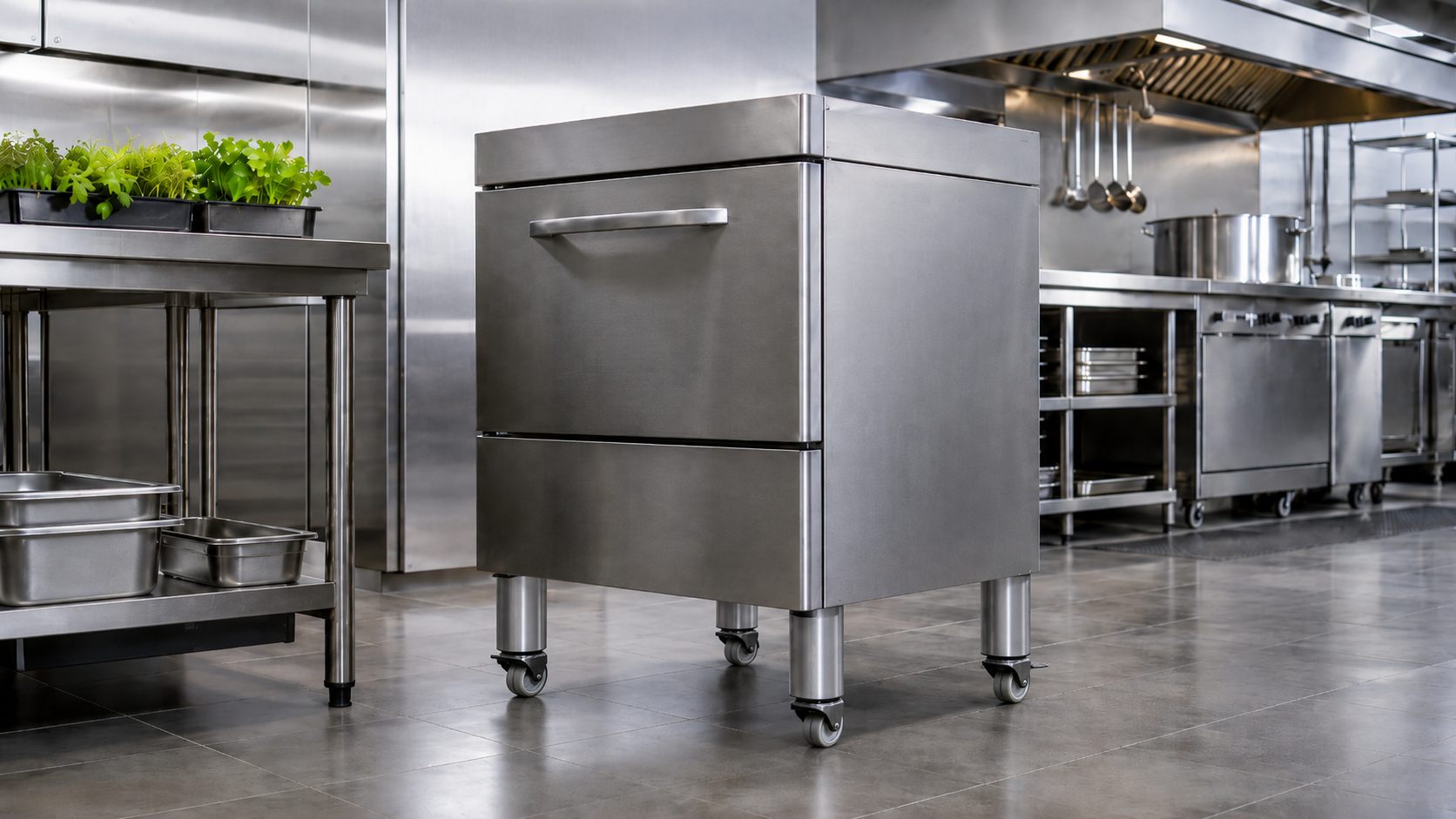
Many support failures come from simple selection errors. In commercial kitchens, these mistakes can lead to wobbling, floor scratches, poor cleaning access, or early replacement.
Choosing by Wheel Size Only
A larger wheel does not always mean better performance. Load capacity, material, bearing quality, mounting structure, and height adjustment are just as important.
Ignoring Floor Conditions
Wet tile, floor drains, uneven concrete, and grease buildup all affect movement and stability. Equipment legs for uneven floors should be selected with the actual kitchen floor in mind.
Using Wheels Where Fixed Legs Are Better
Some commercial kitchen equipment should stay fixed. Large high-vibration equipment, heavy cooking lines, and units connected to rigid services may need fixed heavy duty adjustable legs instead of wheeled designs.
Forgetting Routine Inspection
Wheels, threads, bolts, and contact points should be checked during maintenance. Loose parts can make equipment unstable even if the original product is strong.
About Foshan Simple Technology Co.Ltd
Foshan Einfache Technologie Co.Ltd supplies commercial kitchen equipment accessories for manufacturers, distributors, contractors, and kitchen equipment service companies. Its product range covers Grease Filter, Adjustable Legs, Bullet Feet, Frying Basket, and Range Hood Light.
The company supports OEM and ODM orders for commercial kitchen equipment parts. Its supply chain covers product development, sample confirmation, production, packaging, and shipment. With a product range focused on commercial kitchen accessories, Foshan Simple Technology Co.Ltd serves buyers that need stable parts supply, practical customization, and consistent quality for batch orders.
For buyers sourcing adjustable legs with wheels, the key value is not only movement. A suitable supplier should also provide material options, size matching, production stability, and commercial kitchen application experience.
Schlussfolgerung
Adjustable legs with wheels are the right choice when commercial kitchen equipment needs movement, cleaning access, maintenance access, and height adjustment at the same time. They are especially useful for dishwashers, induction cookers, snack carts, movable worktables, and compact commercial kitchen stations.
They should not replace every fixed support part. For equipment that must stay permanently fixed, regular adjustable feet may still be better. For equipment that moves all day, regular commercial kitchen casters may be more suitable. The best use of adjustable legs with wheels is in the middle: equipment that needs to move sometimes, stay stable during work, and return to a level position after being shifted.
Häufig gestellte Fragen
Are adjustable legs with wheels stable enough for commercial kitchen equipment?
Yes. Adjustable legs with wheels can be stable when the load capacity, material, height range, and floor condition match the equipment. Heavy commercial kitchen equipment should use heavy duty adjustable legs with a suitable safety margin.
What equipment uses adjustable legs with wheels?
Common uses include commercial dishwashers, induction cooker stands, snack carts, compact worktables, and movable commercial kitchen stations. These units often need cleaning access and occasional repositioning.
Why choose stainless steel adjustable feet with wheels?
Stainless steel adjustable feet with wheels are suitable for wet, hot, and greasy commercial kitchen areas. They resist corrosion, wear, and cleaning-related damage better than many basic support parts.
How should buyers choose adjustable legs with wheels for commercial kitchen equipment?
Buyers should check load capacity, equipment weight, floor condition, height range, material, wheel design, and application. For batch orders, OEM adjustable legs with wheels should also match the equipment structure and installation requirements.
