


5 Tage in der Woche von 8:30 bis 17:30 Uhr

LED Color Shift in Commercial Hood Lights: Emitter Aging or Cover Discoloration?
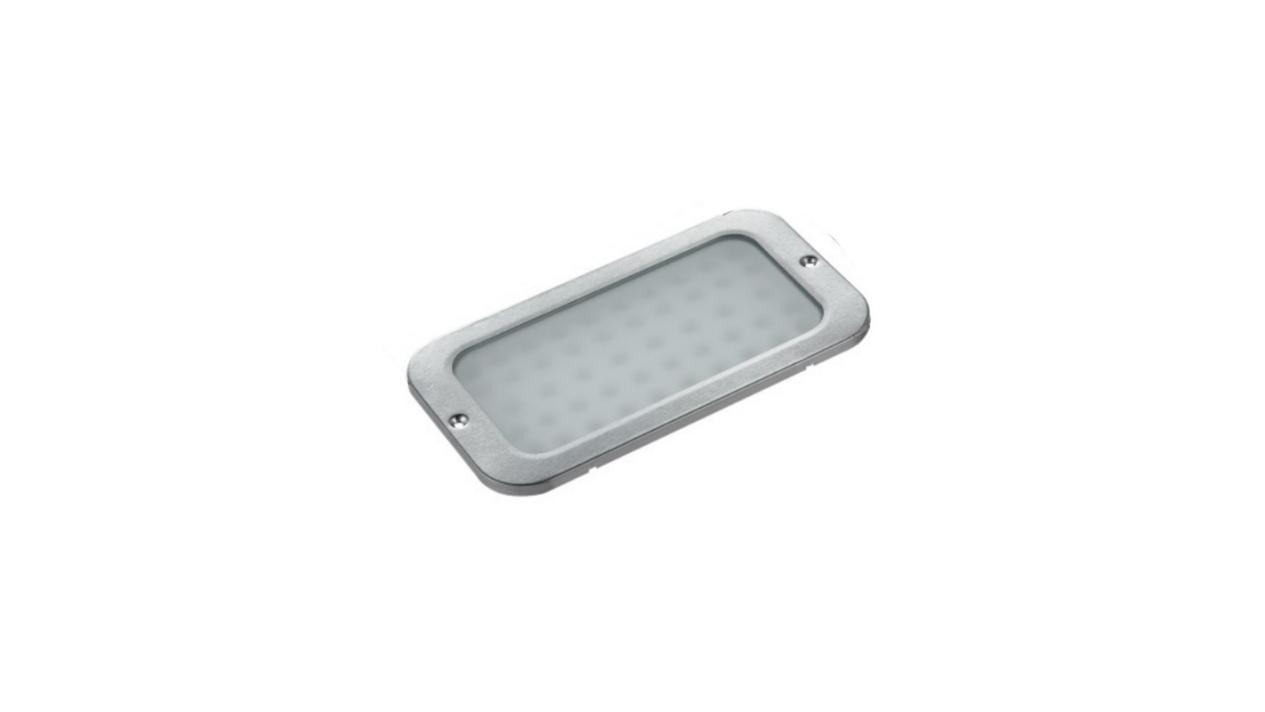
A yellow-looking hood light leaves the buyer with two possible replacement parts: the source and the cover. Before ordering another LED, inspect the cover that the light passes through. Cleaning alone can also miss a change inside the source. Keep a known part for comparison, and do not change the viewing setup between checks. Automatic camera colour correction is another variable to exclude.
What Was the Starting Colour?
A new replacement beside a used light tells little about aging unless their original specifications match. They may share a nominal wattage while using different LED colour specifications.
Recover the original comparison before diagnosing age
Check the original purchase specification and any unused matching sample. A warmer replacement does not prove that the old source shifted blue; it may simply belong to another colour group. The comparison needs the same assembly revision and intended operating setting. The existing guide to hood light replacement information helps establish that identity before the colour investigation begins.
View the light on a neutral matt surface below the fitting. For photographs, use manual white balance and exposure. Reject an image if glare or overexposure hides the reference surface. When a buyer needs a numerical colour limit, arrange appropriate measurement rather than taking the phone image as that measurement.
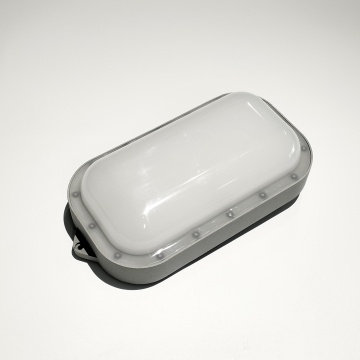
What Does the Cover Do to a Known Light Source?
The cover belongs in the investigation even when it looks transparent. Tint spread over the cover may be enough to warm the transmitted light even though no single area looks badly stained.
Compare transmission without changing the emitter
With power isolated and the fitting cool, inspect both faces using the approved cleaning method. Surface grease and permanent material change are different findings. After cleaning and drying, compare the suspect cover with an unused matching cover against the same neutral background and known light. A colour cast that follows the cover is evidence about the optical path, rather than the LED board.
Check the service instructions before the technician attempts a cover exchange. Substitution requires the correct spare cover. A sealed fitting belongs with the supplier for examination, still sealed. Running a kitchen fitting without its required cover is not a normal operating trial.

What If the Difference Remains With a Clear Reference Cover?
That result moves attention towards the source and its operating conditions. There is still no basis for assigning the fault to a particular internal material.
Separate a warm operating state from a lasting shift
Compare like temperature states. Let both fittings reach the same operating state before comparing them. Record the warm comparison, then repeat from a cooled restart. Note whether the cast returns with heating or persists after cooling.
Phosphor in a white LED converts light into other wavelengths. Changes to that material or the package optics remain possible when a correct outer cover does not remove the cast. Keep the supply details and heat-exposure history for the supplier examining the source. Choosing between those internal mechanisms requires examination; the yellow appearance in a photograph does not identify a failed constituent. If output is a concern too, test it as a separate characteristic rather than assuming that a bright fitting still has its original colour.
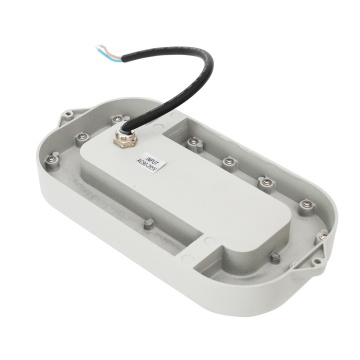
Does the Finding Call for a Cover or a Source?
The replacement request should say which substitution removed the cast and under what conditions.
Retain a usable comparison sample
Where the reference cover removes the cast, review the used cover and its exposure before changing the LED specification. If the correct replacement cover leaves the cast unchanged, keep the source for examination. Where a substitution helps but does not restore the original match, say how much of the difference remains.
For repeat orders, describe colour acceptance at the complete fitting, not just at the bare emitter. Initial colour consistency and colour maintenance over use answer different questions. A source lifetime or lumen-maintenance statement cannot substitute for a complete-fitting colour criterion. Any limit, operating period, and measurement method should be agreed for the application; the observations above do not establish a universal number of acceptable service hours.
What Should a Replacement Hood Light Sample Demonstrate?
Among the commercial fittings offered by Foshan Einfache Technologie Co., Ltd. are an LED hood light with glass cover and an anti oil fume LED hood light. For this order, ask for a sample with the intended cover fitted and judge its appearance under the agreed supply and installation conditions, including the relevant kitchen exposure. Those product listings confirm available constructions; they do not supply colour-aging results for the buyer’s installation. A retained original fitting and matching unused sample give that discussion a more useful basis than requesting a vaguely cooler lamp.

Schlussfolgerung
Follow the colour difference through the fitting. A cast that follows the cover points towards transmission; a difference that remains with the source after a valid cover substitution needs source and operating-condition review. Keeping the comparison matched prevents an apparent colour repair from concealing the original cause and gives replacement samples a clear appearance to reproduce.
Häufig gestellte Fragen
1. Does a yellow-looking hood light prove that its LED has aged?
No. The cover, contamination, initial colour specification, and viewing conditions can produce a similar appearance. Locate where the difference follows before attributing it to the emitter.
2. Can a clear-looking cover still change the light colour?
Yes. A weak material tint may be difficult to see by itself but visible in light transmitted through the whole cover. Compare matching covers against the same source.
3. Is a phone photograph enough for colour acceptance?
It can document the scene when settings are fixed. Keep automatic white balance and exposure out of a numerical acceptance decision.
