


5 Tage in der Woche von 8:30 bis 17:30 Uhr

How to Figure Out the Right Brightness for Range Hood Lights
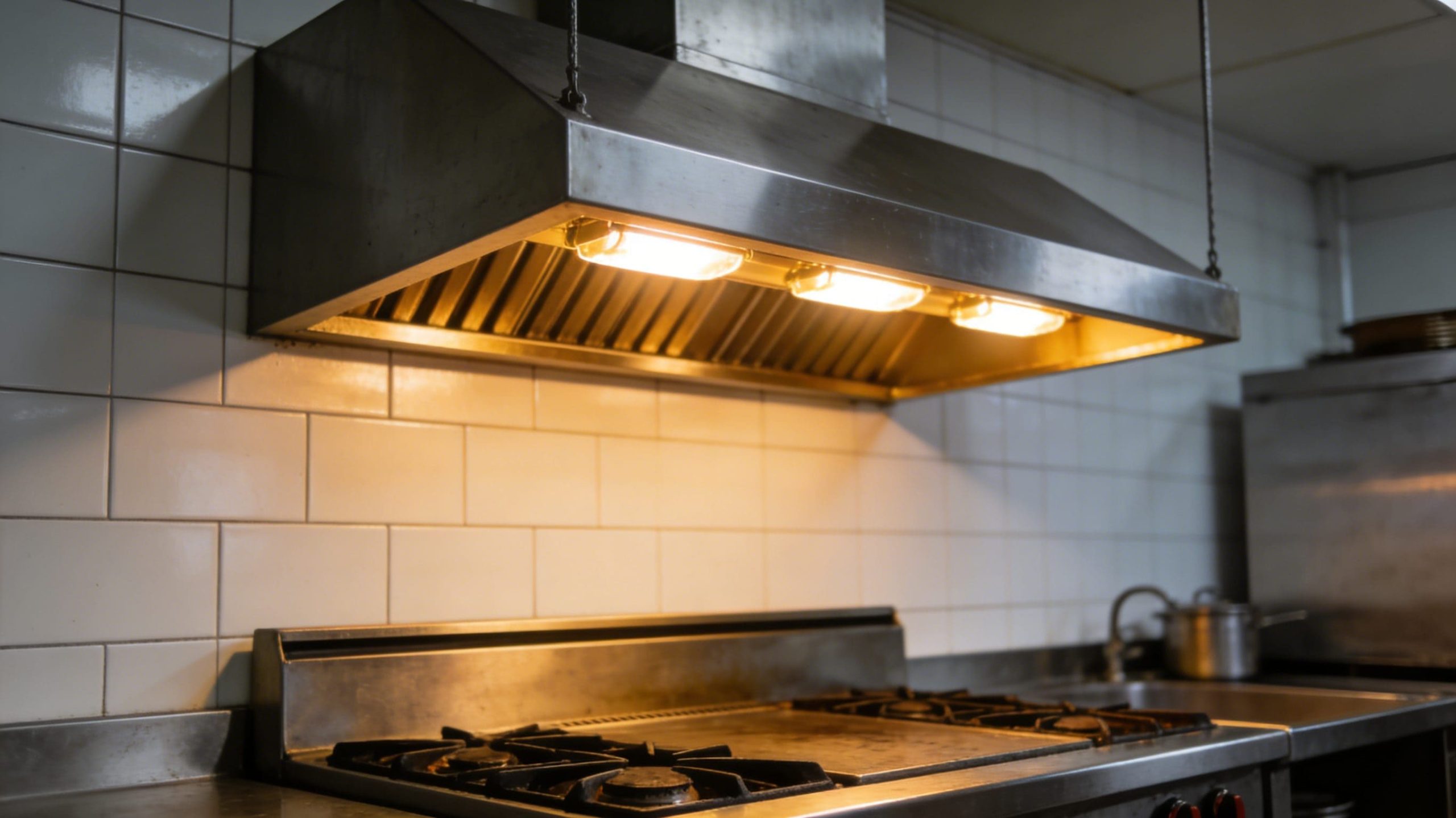
Commercial kitchen hood lights do more than just make the area look nice. They play a big role in keeping food safe, helping staff work faster, and passing health inspections. In a busy kitchen full of steam, grease in the air, and quick movements, the right brightness lets cooks spot changes in food color, check if surfaces are clean, and see equipment clearly. This helps avoid eye strain too.
Lights that are too weak leave shadows on cooktops and prep areas. Lights that are too strong create harsh glare on shiny stainless steel or glass. The best way is to use real measurements like lumens and lux to pick the right LED hood lights for a busy kitchen.
Why Good Brightness Really Matters Under a Commercial Hood
Before we get into the numbers, it helps to see how hood lights are different from regular ceiling lights in a restaurant.
Ceiling lights spread brightness all over the room. Hood lights focus right on the cooking gear, food, and control panels below the exhaust hood. So they act as task lighting, not just decoration.
On a typical restaurant cooking line, chefs watch oil color in fryers, browning on grills, and how sauces reduce in pans. Small color shifts can show food is done or starting to burn in just seconds. Bad lighting slows down reactions. That leads to wasted food or safety risks. Health inspectors also check if cooks can clearly see cooking surfaces when they look at hygiene.
Understanding Lumens vs. Lux
To figure out the right brightness for a commercial exhaust hood, two key units matter: lumens and lux.
Lumens show the total amount of light a fixture puts out. More lumens mean more light overall. Lux shows how much light hits a surface. One lux equals one lumen spread over one square meter.
In commercial kitchen hoods, lux matters more in real use. It tells how bright the cooktop or prep area actually looks to the eye. Two fixtures with the same lumens can give very different lux levels. This depends on how high they mount, their beam angle, and the hood shape.
Typical Lux Levels Needed Over Cooking Surfaces
Most experts suggest 500 to 750 lux right over cooking equipment in restaurants. For areas needing extra detail, like fine plating or sauce finishing under the hood, go up to 1,000 lux.
Anything below 400 lux often creates shadows under pots and pans. Over 1,000 lux, glare can become a real issue, especially on shiny griddles or glass panels in the hood light.
These numbers give a clear target when you calculate how many lumens a commercial kitchen hood needs.
A Simple Step-by-Step Way to Calculate Hood Light Brightness
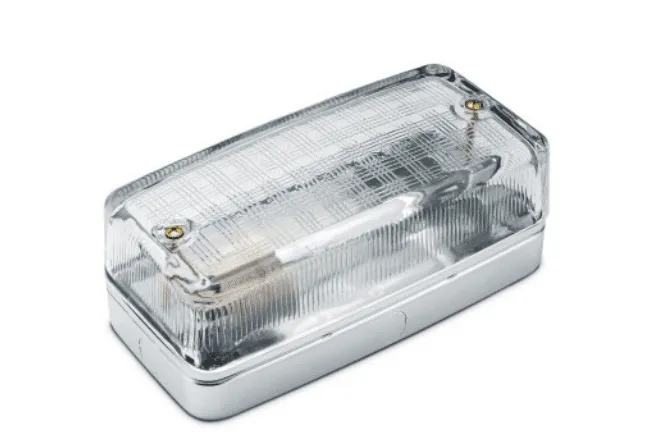
The process is straightforward once you break it down. It helps pick the right oil resistant hood light fixture and avoids setups that are too weak.
Step 1: Measure the Real Cooking Area
First, measure the length and depth of the cooking gear directly under the hood. For example, a line might be 3 meters long and 0.9 meters deep. That gives 2.7 square meters of active cooking space.
Only count the spots where staff need good visibility. Shelves at the ends of the hood usually do not need the same bright light.
Step 2: Pick Your Target Lux Level
For a standard restaurant cooking line, aim for 600 lux. It strikes a good balance. For detailed tasks, go with 800 to 1,000 lux. In zones with heavy frying or boiling and lots of steam, 700 lux often works well to keep things visible.
Now multiply the target lux by the area size. Using the example, 2.7 square meters times 600 lux equals 1,620 lumens needed on the cooking surface.
Step 3: Factor in Light Loss
Not every lumen from the LED hood light reaches the work surface. Grease vapor, glass covers, and fixture angles cut down the light. A common light loss factor in commercial kitchens is 0.7. This fits most oil resistant hood light fixture designs.
So divide the needed surface lumens by 0.7. Here, 1,620 divided by 0.7 comes to about 2,315 lumens of total fixture output.
Step 4: Split by Number of Fixtures
If the hood uses three waterproof kitchen exhaust light units, divide the total by three. Each fixture should give around 770 to 800 lumens.
This method prevents dark patches. It keeps brightness even across the whole cooking line.
Where to Place Fixtures and How to Control the Beam
Brightness alone does not make good commercial kitchen hood lighting. How the light spreads matters just as much.
After you know the lumen needs, placement and beam angle decide if light hits the right spots.
Mounting Height and Angle
Most hood lights sit inside the canopy. They angle toward the cooking surface. A wide angle spreads light evenly. A tight angle creates bright spots and shadows.
For a typical 1-meter deep canopy, mount lights near the front edge. Aim them slightly back. This cuts shadows from tall pots. In deeper hoods, two rows of stainless steel hood lighting may cover both front and back equipment.
Beam Spread and Cutting Glare
Wide beam angles, like 90 to 120 degrees, work well for restaurant hood task lighting. Narrow beams make one area bright and others dark.
Glare is a big issue too. Polished steel reflects strong light points. Fixtures with frosted or diffused glass covered range hood light designs soften the beam. This makes surfaces easier to watch during long shifts.
Real Kitchen Conditions That Change How Bright Things Seem
Commercial kitchens are hot, steamy, and greasy. These things affect brightness in real life.
A good calculation must think about these factors.
Steam, Smoke, and Grease in the Air
Frying and boiling release vapor that scatters light. Even if numbers say 700 lux, cooks may feel it is dimmer during busy service.
Pick a bit higher lumen output. Or add one extra LED hood light in wet zones. This keeps effective lux steady when things get hectic.
Surface Colors and Materials
Dark cast-iron grates soak up light. Stainless steel bounces it back. Matte black gear may need higher lux for the same clear view as bright metal.
That is why taking actual measurements after setup is smart. Use a handheld light meter. It confirms the commercial exhaust hood light calculation targets match real conditions.
Why LED Beats Older Lights in Hood Setups
Old halogen lights gave warm color but made heat and used more power. Today, almost all commercial kitchen hood lighting uses LED.
LED hood light units give more lumens per watt. They hold up longer in hot spots. They fit sealed, IP rated range hood light housings that block oil and water.
When switching from halogen to LED, compare lumens, not watts. A 10-watt LED can beat a 35-watt halogen. It also adds less heat inside the hood.
Rules and Safety for Hood Lights
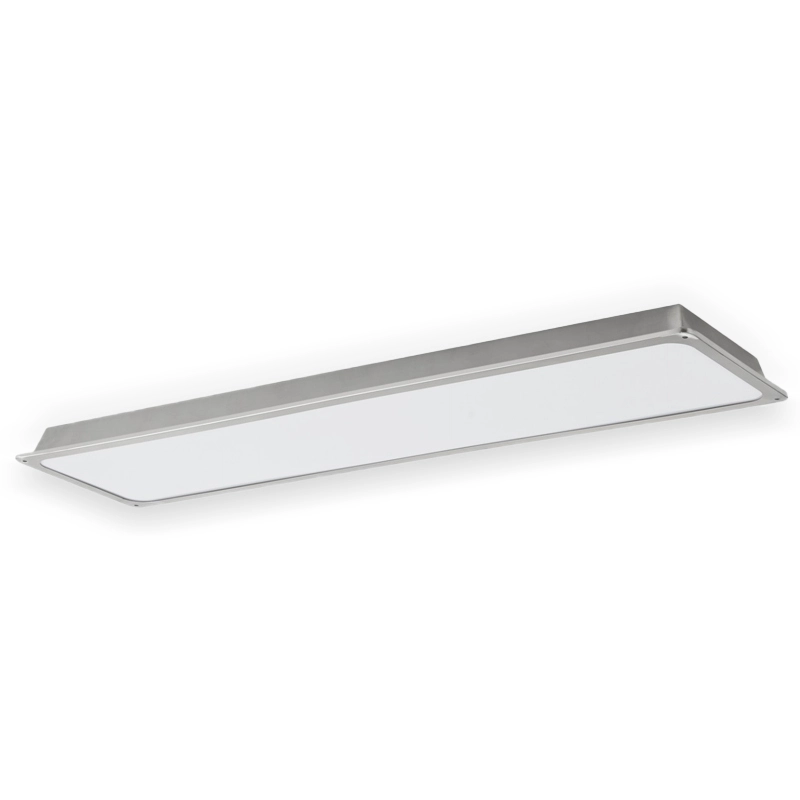
Lighting inside a commercial hood must follow hygiene and safety rules beyond just brightness.
Fixtures need waterproof kitchen exhaust light designs with sealed housings. Smooth surfaces without exposed screws cut down grease buildup. Heat resistant LED hood light construction protects parts from high temperatures near grills and fryers.
Electrical safety matters too. Low-voltage systems or protected drivers lower risks in humid, greasy spots.
Range Hood Light Solutions from a Trusted Supplier
Good commercial kitchen hood lighting depends on solid calculations and high-quality fixtures. Foshan Einfache Technologie Co.Ltd focuses on commercial kitchen parts. They specialize in range hood light systems built for tough food service settings. The company brings manufacturing know-how, strict quality checks, and a reliable supply chain for consistent performance worldwide. Their designs stress durability, resistance to grease and moisture, and fit with modern commercial hoods. This approach matches real kitchen life, not just lab tests.
Schlussfolgerung
Good commercial kitchen hood lighting design begins with clear lux targets, not guesswork. Measure the cooking area. Set a practical lux goal. Adjust for light loss. Choose the right number of LED hood light fixtures. Then kitchens get clear views without glare. Real conditions, fixture placement, and beam control all play a part. When you handle these together, range hood light brightness helps with safer cooking, quicker work, and smoother inspections.
Häufig gestellte Fragen
What is the best lux level for commercial kitchen hood lighting?
Most cooking lines do well with 500 to 750 lux. High-detail prep under a hood may need up to 1,000 lux for sharp vision.
How many lumens does a restaurant hood task lighting setup need?
It depends on cooking area and target lux. Multiply square meters by desired lux. Then divide by a light loss factor around 0.7 to get fixture lumens.
Are LED hood light fixtures better than halogen in commercial kitchens?
Yes. LED hood light systems give better efficiency, last longer, and work well with sealed, oil resistant hood light fixture designs in commercial exhaust hoods.
Why do commercial kitchen hood lights seem dim during rush hour?
Steam, smoke, and grease vapor scatter light. This lowers how bright things feel. Slightly more lumens or extra fixtures help keep proper lighting during busy service.
Do range hood lights need special protection ratings?
Yes. Commercial kitchen hood lighting should use IP rated range hood light fixtures. These resist water, grease, and high heat for safety and long life.
