


5 días a la semana de 8:30 a 17:30

Why Does Your Equipment Still Wobble After Installation? (And How Bullet Feet Fix It)
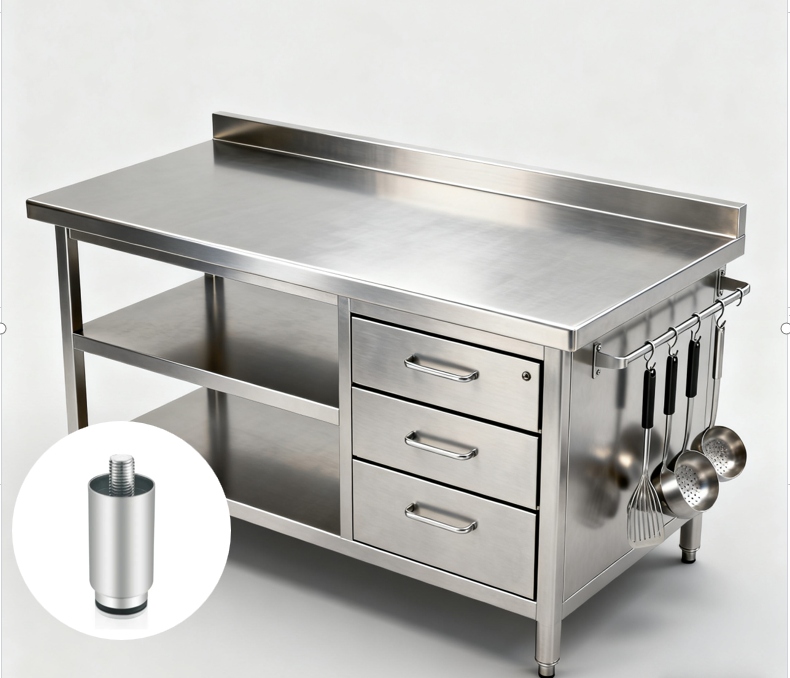 Equipment shaking after setup stays a common problem in factories, shops, and labs. Machines might sit on what looks like firm ground, but small shifts or uneven weights can cause unsteadiness. This affects how well things work and keeps safety at risk. Steady setups matter a lot here. Shakes and shifts can mess up exact work, speed up part damage, and lead to dangers on the job. Piedes de bala act as smart leveling parts built for firmness. They fix uneven spots, soak up shakes, and keep machines balanced for a long time.
Why Does Equipment Continue to Wobble After Installation?
Before we look at how bullet feet stop shakes, we need to understand why unsteadiness keeps going even after good setup. Several everyday reasons explain this.
Common Causes of Post-Installation Instability
A few basic mechanical and outside factors lead to unsteadiness after setup. Bumpy floors or small surface bumps rank as top reasons. Even tiny flatness issues can throw off balance. Factory-made limits might create small gaps in leg heights or poor alignment at touch spots. Plus, wrong leveling at the start or weak adjustment tools can leave machines partly off the ground. This causes rocking or shaking while in use. To bridge these ideas, let’s turn to how shakes and weight spread play into the picture.
The Role of Vibration and Load Distribution
In places with steady work, tiny shifts from shakes slowly loosen bolts and connections over time. This movement makes shakes grow bigger bit by bit. Uneven weight spread makes things worse. It puts extra pressure on some touch points and leaves others with too little load. Outside factors like changing heat can make materials grow or shrink. This changes their size and throws off straight lines. All these things together show why we need flexible steady systems like bullet feet. They hold balance even when things change.
How Do Leveling Feet Work to Solve Wobbling Problems?
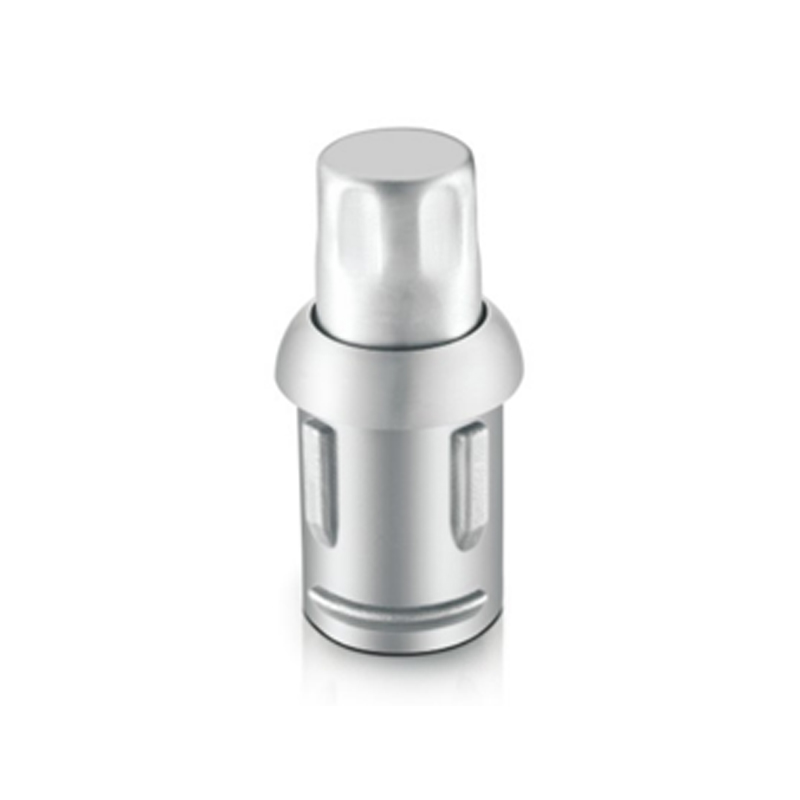
To fight these basic issues well, leveling feet use simple design ideas that fit different floors and weights. They adjust to real needs. Let’s start with the main ways they are built.
Mechanical Design Principles Behind Leveling Feet
Leveling feet have turnable threaded rods that fix bumpy floors. They let you tweak heights exactly at each touch spot. Their non-slip bottoms boost grip on the floor. This cuts side-to-side slides during work. Strong materials for holding weight, like stainless steel or tough nylon, keep steady work under big still and moving loads. All these parts make a system that tweaks itself. It stays firm even if outside things shift. Now, think about the real gains in work settings.
Key Benefits for Industrial and Commercial Applications
Good leveling feet bring several pluses to different fields. They boost safety first. They cut risks from shakes, like tipping or part tiredness. They also lengthen machine life. They lower stress spots that cause early damage or breaks. Last, their easy tweaks make upkeep simpler. Techs can move gear fast without taking it all apart. This raises work speed overall.
What Makes Bullet Feet an Effective Equipment Stabilization Solution?
Basic leveling feet give simple tweaks, but bullet feet add smart build features for tough jobs. They stand out in hard spots. To see why, check their build strengths.
Structural Advantages of Bullet Feet Design
Bullet feet get their name from the small round shape. It gives better floor touch firmness than old flat-bottom types. Many kinds include a ball joint or turn base. This lets exact angle tweaks on bumpy spots without losing weight hold. Made from rust-proof stainless steel or strong nylon mixes, bullet feet keep shape in rough factory spots with water or chemicals. With that in mind, compare them to regular ones.
Performance Benefits Over Conventional Leveling Feet
Next to usual choices, bullet feet handle more weight. They support big machines without bending or slipping. Their better shake soak traits raise work exactness. This matters a lot in careful making and lab work. There, small shifts can change test results. Also, their easy setup cuts wait times. Fewer tweaks are needed after lining up right. This lowers work costs in the long run.
How to Choose the Right Bullet Feet for Your Equipment?
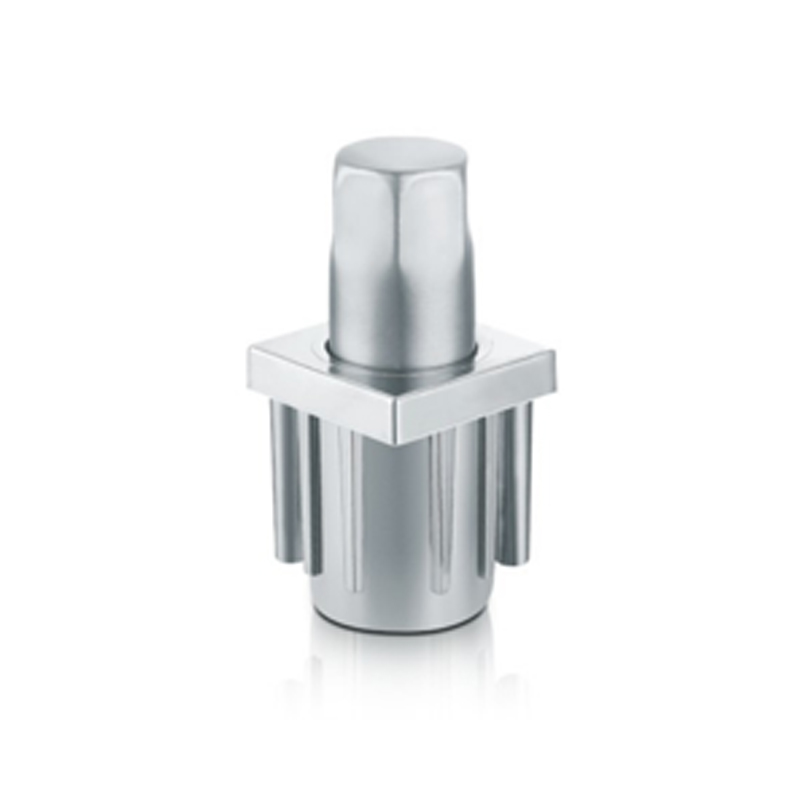
Picking the best bullet feet means thinking hard about machine needs and outside settings. It helps avoid wrong choices. Key things to weigh come next.
Factors to Consider During Selection
Main points cover full machine weight and likely weight changes during work. How the foot material matches the floor type counts too. Metal bottoms work great on cement floors. Nylon types keep epoxy floors from getting marks. Outside settings like wetness, room heat shifts, or contact with cleaners need checks. These affect how long materials last and fight rust. After picking, setup matters just as much.
Installation Best Practices for Optimal Stability
For top firmness from bullet feet setup, tweak all touch spots evenly before starting the machine. Tools like digital angle checkers help get straight lines across legs. Set up check times on a schedule. Techs can tighten parts if needed. This forward step stops slow shifts from steady shakes or heat grow cycles.
Why Partner with Foshan Simple Technology Co., Ltd for Bullet Feet Solutions?
When looking for solid makers of strong steady systems, Foshan Tecnología Simple Co., Ltd. shines as a dependable choice. They focus on skill and steady goods. A quick look at their background helps.
Company Overview and Core Expertise
Foshan Simple Technology Co., Ltd makes high-work bullet feet for factory jobs that need strong weight hold and fine tweaks. They offer many sizes, materials, and custom picks to fit client needs. This covers lab tools to huge making machines. Their focus on steady quality sets them apart.
Commitment to Quality and Reliability
Each make step at Foshan Simple Technology Co., Ltd uses tight check rules. This keeps size exactness and strength the same in groups. Beyond goods tests, they give full help services. This includes setup tips and better ideas based on work settings. Their name in the field adds trust.
Industry Reputation and Global Reach
As a known maker serving making plants, food work sites, test labs, and more around the world, Foshan Simple Technology Co., Ltd has earned praise. They bring lasting fixes that raise job safety with top steady tech.
Conclusión
Ongoing shakes often come from bumpy spots, weight mismatches, or weak leveling tools added at setup or work times. Bullet feet offer a solid fix. They mix strong build with tweak exactness. This keeps steady work in many factory spots. Working with a skilled maker like Foshan Simple Technology Co., Ltd ensures top goods for hard jobs. There, trust and firmness top the list.
Preguntas frecuentes
Why does my equipment still wobble even after installing leveling feet?
Small floor differences or wrong tweaks at setup can leave some unsteadiness. Even tweaks on each foot often fix it.
Are bullet feet suitable for both light-duty and heavy-duty applications?
Yes, bullet feet come in different weight holds. They back small tables to big factory machines.
How often should I check or adjust my bullet feet?
Check them now and then. Do this after moving gear or big heat shifts. It keeps top firmness and stops slow line changes over time.
