


5 jours par semaine de 8h30 à 17h30

Choosing the Right Fan Guard for Commercial Kitchens in Hot and Humid Places
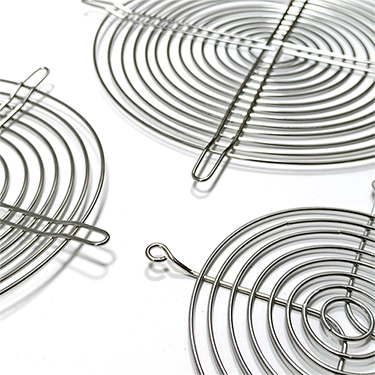
In a busy commercial kitchen, cooking heat, damp air, and grease are common. Picking the right tools and materials is key to keeping things working well and safe. One big part to think about is the fan guard. It helps protect fans and other machines in a tough, stressful spot. This guide will show you how to pick the right fan guard for kitchens with lots of heat, dampness, and harsh stuff. We focus on strength, upkeep, and fighting rust.
Why Fan Guards Are Important in Commercial Kitchens
Commercial kitchens have hot cooking tools, boiling water, and steady contact with oil, water, and steam. This mix makes a good spot for rust and harm to the fan systems that move air and cool the room. Without good cover, fans can get blocked fast or even stop working. This leads to expensive fixes and risky work spots.
Fan guards shield the fan blades from junk, grease, and water that could hurt the system. They also stop mishaps, like touching the spinning blades by mistake. But in the hard setup of commercial kitchens, not all fan guards work the same. Picking the right stuff and shape can change how well it lasts and works.
To understand better, let’s look at the main issues in these kitchens.
Key Things to Think About for Fan Guards in Damp, Hot Spots
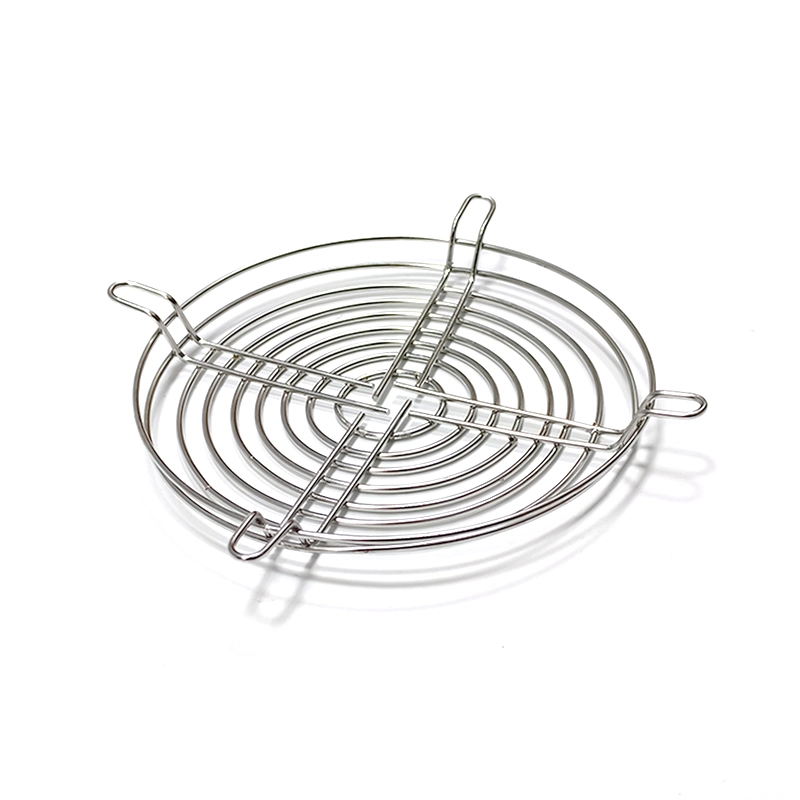
When choosing a fan guard for such tough spots, focus on a few main aspects to ensure it lasts and performs well.
Strength of Material and Fighting Rust
In spots like commercial kitchens, where heat, damp air, and grease are always a threat, the choice of material is top. Stainless steel is one of the strongest materials for fan guards. It fights rust, decay, and harm from high heat. So, it is a great pick for areas where the fan guard faces steam, oil drops, and other dirty things.
Other materials, like aluminum, can fight rust and wear less well. This is true mainly with sour stuff or lots of dampness. So, when you pick a fan guard for a commercial kitchen, go first for stainless steel or other alloys that fight rust.
Cleaning and Upkeep
A commercial kitchen is a fast, crowded place where being clean is vital for safety and health. Over time, fan guards in these spots gather grease, dust, and water. This makes them harder to keep up. A fan guard made from stuff that is simple to clean will save time and work.
Stainless steel fan guards are very easy to clean. They do not soak up grease or dirt like some other materials. You can wipe them or spray them with a cleaner without harming their build. A mesh or raised-wire shape can help with cleaning too. It lets grease drip off more easily without leaving bits behind.
Handling Heat
Commercial kitchens are warm spots, with temps often over 100°F. If a fan guard cannot handle this high heat, it can bend or get weak. This hurts its job to protect the fan. Stainless steel works well here because it handles heat strongly. Making sure the fan guard can take big heat will keep the kitchen’s air flow good and safe. This is key during busy cooking times.
Shape et How It Works
The shape of the fan guard is just as big a deal. It matters in how it works with the air flow in the kitchen. Raised-wire mesh shapes are good for keeping air moving while giving cover. They stop the pile-up of grease, dust, or other dirty things. Yet, they let air pass freely.
Fan guards with a curved shape are helpful too. They cut down on water build-up in spots with lots of steam or damp air. This shape lets the fan work better. At the same time, it guards against outside things like oil drops and steam.
These points help you see what makes a fan guard fit for tough kitchens. Now, let’s talk about picking one.
How to Pick the Right Fan Guard
When you choose a fan guard for a commercial kitchen, think about these things:
-
Matériel: Stainless steel is the best choice for damp, hot spots.
-
Size and Fit: Make sure the fan guard is the right size. It should fit tight around the fan. This stops gaps where junk or grease might get in.
-
Facilité de nettoyage: Pick fan guards that are simple to clean and keep up. Go for a shape that lets grease and water come off without much work.
-
Handling Heat: Choose materials that can take the big temps in commercial kitchens.
-
Shape Features: Raised mesh or curved shapes boost air flow while guarding the fan.
By looking at these things closely, you can make sure the fan guard you pick will work well for a long time in a commercial kitchen. For example, think about your kitchen’s daily use. If you fry a lot, pick one that fights grease well.
Also, check the fan’s speed and type. A guard that matches it will help air move better. Talk to experts if you need help. They can suggest based on your setup.
In busy spots, a good fan guard cuts down on stops. It keeps the air clean and cool. This helps workers stay comfy and safe. Plus, it can save money on fixes over time.
Tips for Keeping Fan Guards in Commercial Kitchens
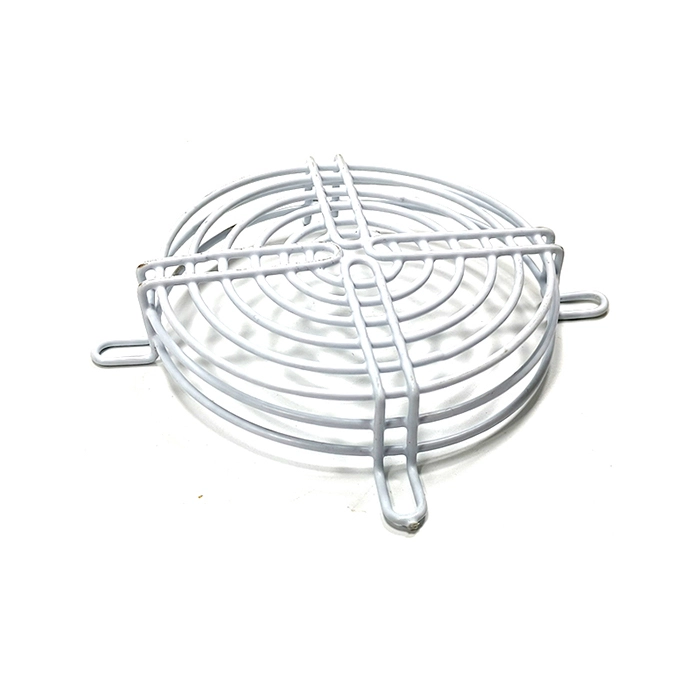
Good upkeep of fan guards is key to keep the kitchen safe and working. Here are some tips to make your fan guards last longer and stay in good shape:
-
Clean Often: Clean the fan guard on a set time to stop grease pile-up. This can draw dust and dirt. A weekly wipe or spray with a cleaner can keep it free from build-up.
-
Look for Rust: Even stainless steel can rust after a while, mainly in spots with lots of damp air. Check the fan guard often for signs of rust or decay. If you see any, swap the guard right away.
-
Check Air Flow: Look at the fan guard for blocks or junk that could slow air. A blocked guard can make the system too hot and fail.
-
Check for Harm: From time to time, look at the fan guard for cracks or signs of wear, mainly in busy spots. If the guard is hurt, swap it to avoid risks to safety.
These steps are simple but effective. For instance, set a plan for checks. This way, you catch issues early. Use soft cloths for cleaning to avoid scratches. In very greasy spots, clean more often, like every few days.
Also, train your staff on how to spot problems. This keeps everyone safe. Good upkeep not only makes guards last but also boosts the whole kitchen’s work.
À propos de Foshan Simple Technology Co., Ltd.
Foshan Simple Technology Co., Ltd. is a top seller of good fan guards. They focus on stuff and shapes that fit the needs of commercial kitchens. The company gives rust-fighting, strong, and easy-to-keep fan guards. These are made to handle the rough spots in commercial cooking.
If you want a basic guard or a better one for hard jobs, Foshan Simple Technology has many items. These can make your kitchen work better and safer.
Their products come from careful making. They use top materials like stainless steel. This ensures long life in hot, damp places.
Conclusion
In commercial kitchens, picking the right fan guard is key for safety, good work, and long life of your air system. Choose good, rust-fighting stuff like stainless steel. Go for shapes that are easy to keep. Make sure the guard can handle heat and damp air. This way, you guard your fans from harm and keep a safe work spot.
Regular upkeep will make sure your fan guards keep working well. They will give solid cover for years.
To wrap up, a smart choice now saves trouble later. Think about your kitchen’s needs and pick wisely.
Questions fréquentes
What is the best material for fan guards in commercial kitchens?
The best material for fan guards in commercial kitchens is stainless steel. It fights rust, handles heat, and is easy to clean. This makes it good for damp and hot spots.
Can fan guards be used in kitchens with high steam levels?
Yes, fan guards with a curved or raised-wire shape are good for kitchens with lots of steam. They let water flow off without hurting how it works.
How do I keep fan guards in a commercial kitchen?
Clean often, check for rust, make sure air flows well, and look for harm. These are main tasks that help make fan guards last in a commercial kitchen.
How do I know if my fan guard needs to be replaced?
If your fan guard has rust, decay, cracks, or other harm, swap it right away. This stops harm to the fan and keeps the kitchen safe.
