


5 jours par semaine de 8h30 à 17h30

Essential Safety Measures for Commercial Range Hood Lights
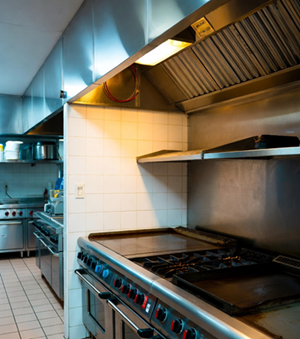
In busy restaurant settings, proper lighting under the hood keeps tasks clear and safe. Getting the safety precautions right stops accidents and meets codes. Explore more and how they fit into your setup at https://www.spckitchen.com/.
Understanding Circuit Requirements
Circuit setup forms the base for reliable operation.
Commercial spaces demand sturdy wiring. Codes like NFPA 96 call for dedicated circuits to handle loads without overloads. For instance, a standard setup might pull 5-10 amps per fixture, depending on size.
Why does this matter? Faulty circuits spark fires in grease-heavy zones. UL 710 standards require grounded systems to cut shock risks.
Moving from basics, look at how these rules play out in daily use.
Key Circuit Standards in Commercial Settings
- Dedicated Lines: Each hood light needs its own branch circuit to avoid sharing power with appliances.
- GFCI Protection: Ground fault circuit interrupters must shield against moisture-related shorts.
- Voltage Stability: Systems often run on 120V or 277V to match building specs and reduce energy loss.
A study from the National Fire Protection Association shows that electrical issues cause 15% of kitchen fires. Proper circuits drop that number sharply.
Beyond codes, practical steps keep things running smooth.
Installation Tips for Circuits
Installers check wire gauges—usually 12 AWG for most loads—to handle heat buildup. Breakers rated at 20 amps provide a buffer.
In high-volume spots like diners, surge protectors guard against power spikes from nearby fryers.
This leads into designs that fend off oil buildup.
Oil-Proof Design Essentials
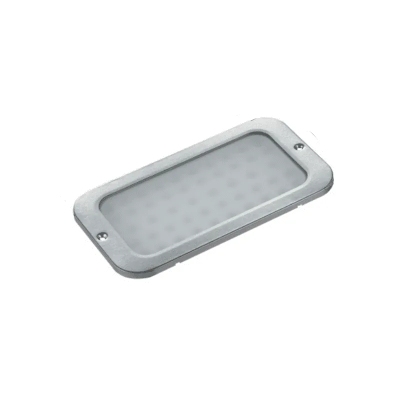
Grease clings everywhere in pro kitchens. Lights need barriers against it.
Oil-proof design blocks buildup that dims bulbs and raises fire hazards. Materials like tempered glass or polycarbonate shields hold up under constant exposure.
Industry data reveals that uncleaned grease cuts light output by 30% in months. Sealed units prevent this.
Designs incorporate sloped surfaces so oil drips off instead of sticking.
Benefits of Robust Oil Resistance
|
Caractéristique |
Advantage |
Example Impact |
|
Sealed Housings |
Stops grease entry |
Maintains 90% brightness over a year |
|
Non-Stick Coatings |
Eases cleaning |
Reduces maintenance time by half |
|
Heat-Resistant Seals |
Withstands 200°F+ |
Lowers failure rates in fry zones |
Such features align with ANSI/NSF standards for food equipment.
Chefs in fast-paced eateries value lights that stay clear without daily wipes.
Maintaining Oil-Proof Features
Regular checks involve wiping with approved cleaners. Inspections every quarter spot seal wear.
In chains with multiple sites, uniform designs simplify upkeep across locations.
These elements tie into handling water exposure next.
Waterproof Ratings and IP Standards
Steam and splashes are constant. Waterproof rating defines how well lights resist them.
The IP rating system rates protection—first digit for solids, second for liquids. IP65, common in kitchens, means dust-tight and safe from water jets.
Higher ratings like IP67 handle submersion, useful near sinks.
According to IEC 60529, these ratings cut electrical hazards in wet areas.
Decoding IP Ratings for Kitchen Use
- IP44: Splash-resistant, suitable for low-moisture spots.
- IP65: Jet-proof, ideal for hoods over steamers.
- IP67: Submersion-safe, for deep-clean areas.
A report from the Illuminating Engineering Society notes that proper ratings reduce downtime by 25% in humid environments.
Selecting the right rating depends on kitchen layout.
Choosing the Right IP Level
Assess exposure—high for dish areas, medium for cook lines. Fixtures with IP65 or above suit most commercial hoods.
In seafood restaurants, where water use spikes, IP67 prevents corrosion.
Combining these with circuit and oil-proof aspects builds full safety.
All these precautions work together. Strong circuits power durable designs that repel oil and water, keeping operations steady.
Heat Resistance Considerations
Cooking zones get scorching. Heat-resistant range hood lights stand up to extreme temperatures without failing.
Commercial kitchens often hit 150-250°F under hoods. Bulbs and housings must tolerate this to avoid melting or cracking.
LED types outperform older bulbs here—they run cooler and last longer under stress. Data from the Department of Energy shows LED handle 50% more heat cycles than halogens.
Fire codes demand materials that don’t ignite easily. Polycarbonate or metal alloys rated for high temps cut risks.
Why Heat Tolerance Matters in Pro Kitchens
|
Aspect |
Avantages |
Real-World Effect |
|
Thermal Stability |
Prevents warping |
Keeps alignment steady over shifts |
|
Shatterproof Bulbs |
Avoids glass breaks |
Stops shards in food prep areas |
|
Low Heat Output |
Reduces ambient temp |
Lowers overall fire load by 20% |
NFPA 96 guidelines stress fixtures that withstand grease fires nearby.
Staff in burger joints deal with flare-ups daily. Lights that hold form keep visibility sharp during peaks.
Tips for Heat-Resistant Setup
Pick units tested to UL 1598 for luminaires in damp, hot spots. Regular thermal scans spot hot spots early.
In barbecue setups, extra insulation around wiring adds layers of protection.
Combining these with circuit, oil-proof, and waterproof aspects builds full safety.
Integrating Safety Features in Daily Operations
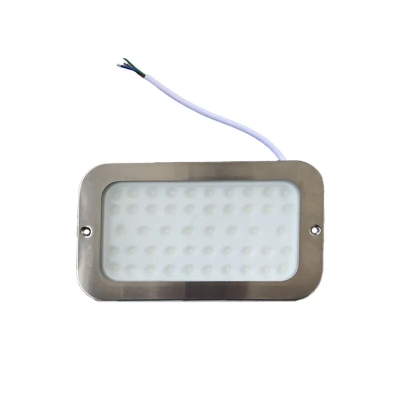
Day-to-day, these elements support staff efficiency. Clear lighting aids precise cooking, cutting errors.
Compliance with codes like IMC 507 avoids fines—up to $1,000 per violation in some areas.
Training teams on spotting issues, like dimming from grease or heat damage, maintains standards.
This approach elevates kitchen performance overall.
Meet Foshan Simple Technology Co. Ltd
Foshan Simple Technology Co. Ltd stands as a key supplier of range hood lights. With over 15 years in the field, the company handles everything from raw materials to finished goods. Their R&D team drives innovations for global markets, including Europe and the Americas. In 2024, they earned recognition as a technology-based SME for cutting-edge developments. Focused on quality control and customer needs, they deliver reliable solutions for commercial setups.
Conclusion
Solid safety precautions for gamme lampes capot protect staff and equipment in demanding commercial environments. Circuit standards prevent overloads, oil-proof builds fight grime, proper IP ratings tackle moisture, and heat resistance handles intense temps. Together, they cut risks and boost reliability. Kitchen managers who prioritize these see fewer issues and smoother runs.
Questions fréquentes
What are the main circuit requirements for commercial kitchen range hood lights?
Codes mandate dedicated branches and GFCI protection to handle loads safely. This setup avoids shorts in greasy, hot areas.
How does oil-proof design improve safety in restaurant hoods?
It uses seals and coatings to block grease entry, keeping lights bright and reducing fire chances from buildup.
Why is the waterproof rating (IP rating) crucial for range hood lights in commercial kitchens?
IP levels like 65 or 67 shield against steam and sprays, preventing electrical failures in wet zones.
What role does heat resistance play in commercial kitchen hood light safety?
It ensures fixtures withstand high temperatures without degrading, maintaining performance near hot appliances.
What steps ensure long-term safety for commercial hood lighting?
Regular inspections, proper installation, and code compliance keep systems effective over time.
