


5 jours par semaine de 8h30 à 17h30

Upgrading Halogen Lights to LEDs in Commercial Kitchens A Hands-On Guide
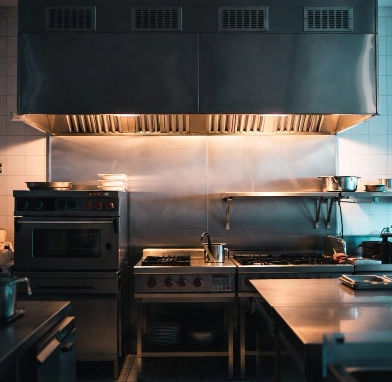
In crowded commercial kitchens, lighting keeps things running well and safe. Lots of places still use old halogen bulbs. But changing to LEDs makes a real difference. This practical guide shows how to replace halogen light bulbs with LED lights. It fits high-pressure spots like restaurant kitchens or food prep zones. For more on specialized solutions, check out our range hood lights category et main site.
Commercial kitchens face constant heat, grease, and long hours. Halogen lights add to the warmth and burn out fast under these conditions. LEDs cut back on those problems. They run cooler and hold up longer. So, you get fewer stops during busy times.
Why Switch to LEDs in Commercial Kitchens?
Kitchens in restaurants or catering spots need steady lighting. It helps see small things like food details or messes. Upgrading meets those needs and lowers costs. Reports say good lighting drops mistakes by up to 30% in food work. LEDs give bright, steady coverage without the yellowish glow from halogens.
Switching tackles common pain points. Halogens heat up the space, pushing air conditioning harder in summer rushes. LEDs run much cooler, easing the load on HVAC systems. Plus, they use far less power, which adds up in a place running lights 12-16 hours a day.
To highlight the gains, here’s a quick comparison:
|
Aspect |
Halogen Lights |
Lumières LED |
|
Utilisation de l'énergie |
High (50-100W per bulb) |
Low (10-20W for same output) |
|
Durée de vie |
2 000-4 000 heures |
25 000-50 000 heures |
|
Sortie de chaleur |
Significant |
Minimal |
|
Maintenance Frequency |
Frequent replacements |
Rare bulb changes |
|
Initial Cost |
inférieure |
Higher, but pays off quickly |
This shift not only saves money but boosts kitchen efficiency. Staff can focus on cooking instead of swapping bulbs mid-shift.
Energy bills in commercial setups often spike from outdated lighting. LEDs slash those figures, sometimes by 75-85%. In a mid-sized restaurant kitchen with 20 fixtures, that could mean hundreds saved yearly. Cooler operation also extends the life of nearby equipment, like exhaust fans strained by extra heat.
Longer bulb life cuts downtime. Imagine a busy dinner service halted by a burnt-out light over the grill station. LEDs avoid that, lasting through thousands of hours of use. Facilities managers report fewer service calls after upgrades, freeing up time for other tasks.
Brightness stays consistent too. Halogens dim over time, but LEDs hold steady output. This matters in precision work, like inspecting produce or plating dishes. Uniform light reduces eye strain for chefs working long shifts.
Steps to Prepare for the Upgrade
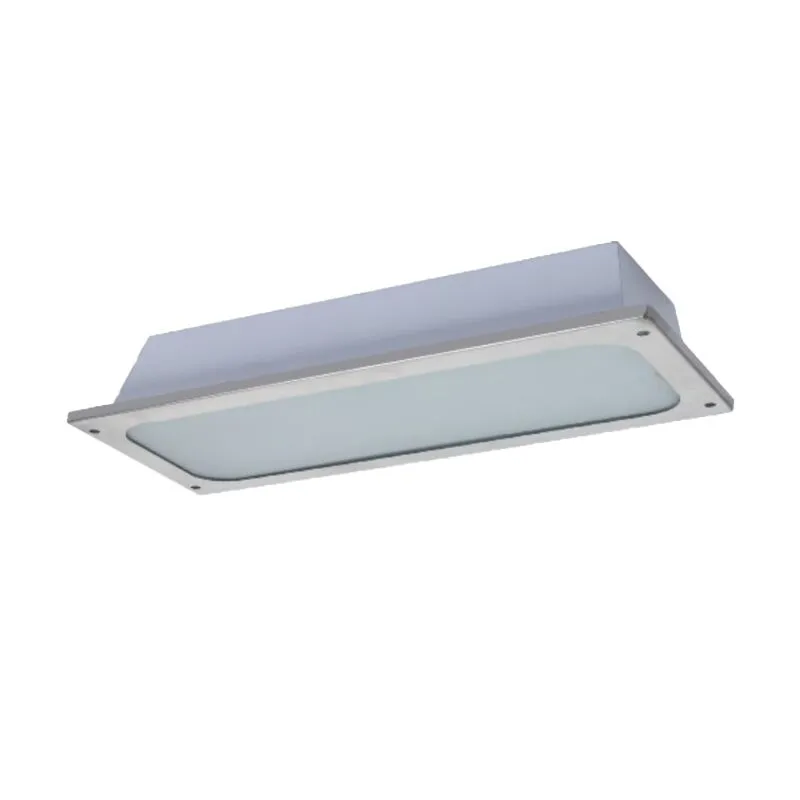
Before you start, lay out the kitchen’s current lights. This makes the switch go easy without shocks.
Walk the space when it’s quiet. Spot where halogens sit—under shelves, in hoods, or up high. Count bulbs and look at bases like GU10 or MR16. Wrong matches cause flickers or bad fits.
Collect items ahead. You need fitting LED bulbs, a step stool for tall areas, gloves for oily parts, and simple tools like screwdrivers. In greasy zones, pick LEDs with seals against damp.
Safety comes first in any kitchen retrofit. Turn off power at the breaker before starting. Test circuits to confirm they’re dead. This prevents shocks in wet environments.
The Step-by-Step Modification Process
With prep done, follow these clear steps to replace halogen light bulbs with LED lights. This practical guide adapts to commercial settings, where downtime must stay minimal.
Start by isolating the work area. Clear counters below fixtures to avoid slips on dropped parts.
Step 1: Remove Old Halogen Bulbs
Cool down is crucial. Halogens get scorching hot, reaching 200-300°C. Wait 30 minutes after shutdown. Then, twist or pull gently based on the base type. In range hoods, remove covers first—often just a few screws.
Dispose of old bulbs properly. Commercial waste rules may require recycling due to halogen gases.
Step 2: Check Compatibility and Install LEDs
Match the new LED to the socket. For example, a GU10 halogen swaps directly with a GU10 LED. Push or twist into place without forcing. In overhead strips, align pins carefully.
Test each one as you go. Flip the power back on briefly to check for even glow. Adjust if the beam angle feels off—wider angles suit task areas like sinks.
Step 3: Secure Fixtures and Clean Up
Reattach any covers or grilles. Wipe down surfaces to remove grease buildup, which can dim light over time. In high-traffic kitchens, this step keeps output strong.
For strip lights, ensure even spacing. Uneven installs create shadows, frustrating during prep work.
Step 4: Final Testing and Adjustments
Run a full system check. Walk the kitchen, noting any dim spots. Dimmer switches might need upgrades if they’re not LED-compatible—old ones cause buzzing.
Document the changes. Note dates and bulb types for future reference. This helps track savings and plan maintenance.
This process typically takes 1-2 hours per section in a standard commercial kitchen. Larger spaces might split over days to avoid disrupting service.
Handling Common Issues During Upgrades
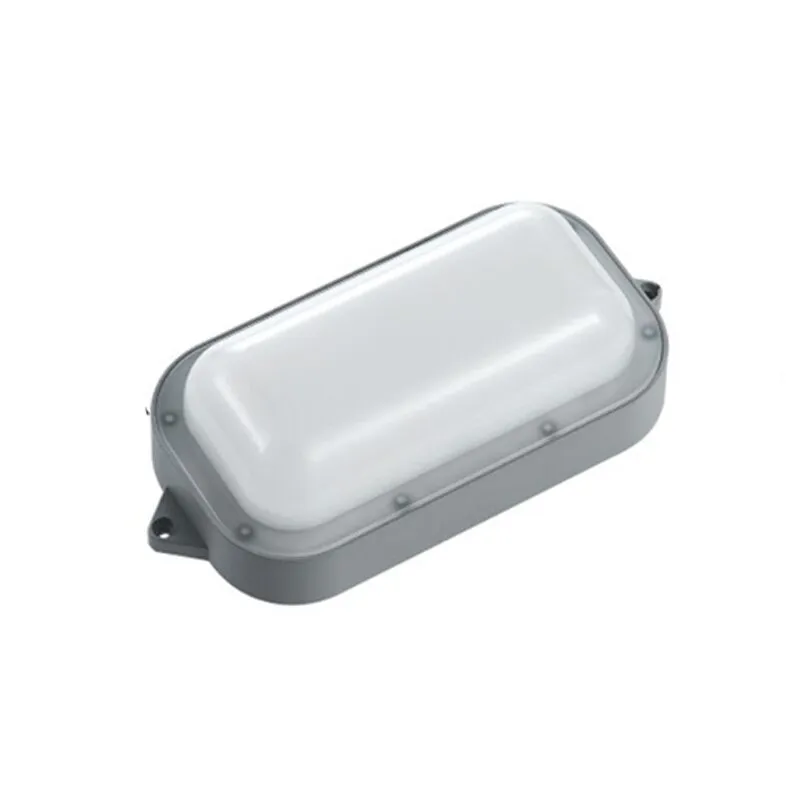
Upgrades aren’t always straightforward in greasy, humid kitchens. Flickering often stems from incompatible dimmers. Swap to LED-rated ones for smooth control.
Overheating concerns? LEDs generate little heat, but poor ventilation in enclosed hoods can still build up. Ensure air flow around fixtures.
Cost barriers upfront? Bulk buys drop prices. A case of 50 LEDs might cost less per unit, ideal for multi-kitchen chains.
Maintenance tips extend benefits. Clean lenses monthly to cut grease film. This keeps light crisp, aiding food safety checks.
Meet Foshan Simple Technology Co. Ltd
As a leading supplier in this field, Foshan Simple Technology Co. Ltd focuses on range hood lights and commercial kitchen solutions. With a 10,000 m² factory and 80 dedicated staff, the company ensures timely delivery and innovative designs. Their R&D team develops durable products for demanding global markets, serving over 100 countries across Europe, the Middle East, the Americas, and Southeast Asia.
For more details on products and advantages, visit our Centre de produits et company page.
Conclusion
Switching to LEDs in commercial kitchens transforms daily operations. Energy savings, brighter workspaces, and less upkeep add up to a smarter setup. This practical guide to replace halogen light bulbs with LED lights equips teams to make the change with confidence. The result? Safer, more efficient environments that support high-volume cooking without the old drawbacks.
Questions fréquentes
What are the main benefits of a commercial kitchen LED upgrade?
Upgrading brings lower energy use, cooler operation, and longer-lasting bulbs. In busy spots, this means fewer interruptions and better visibility for tasks like chopping or grilling.
How do I replace halogen light bulbs with LED lights in range hoods?
First, power off and let bulbs cool. Remove the old ones, match the base type, and install LEDs. Test for fit and brightness to ensure even coverage over cooking areas.
Is there a practical guide for halogen to LED conversion in kitchens with dimmers?
Yes—check dimmer compatibility first. LED-specific dimmers prevent issues like flickering. Follow basic steps: assess, remove, install, and test for smooth results.
