


5 giorni alla settimana dalle 8:30 alle 17:30

Stainless Steel Bullet Feet Durability Understanding Material Fatigue in Kitchens
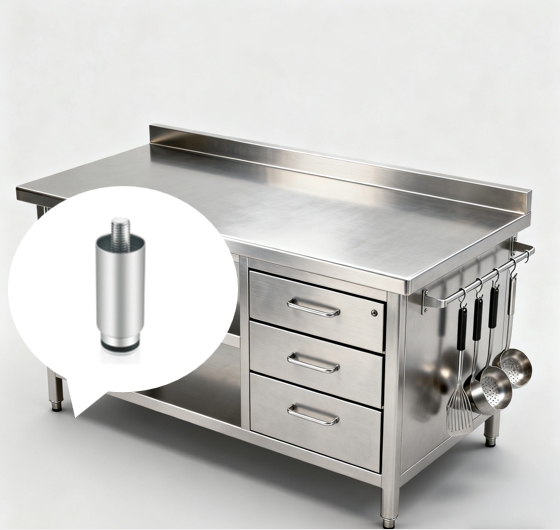
Commercial kitchens depend a lot on stainless steel bullet feet. These parts offer steady support, clean conditions, and easy height changes for big machines. Still, even these rust-resistant items can break down as time passes. To figure out why commercial kitchen bullet feet rust or wear out, we need to look at their metal features, making methods, and the settings they face. This helps explain how they hold up over the years.
Metallurgical Properties of Stainless Steel Used in Bullet Feet
Stainless steel bullet feet often come from austenitic types like 304 and 316 stainless steel. Grade 304 gets used a lot because it mixes good power, easy shaping, and low price well. Grade 316 gives better defense against salts due to its molybdenum. Chromium mainly builds a thin oxide cover that stops rust from spreading. Nickel keeps the austenitic form stable, which boosts bendability and strength under repeated pushes. Molybdenum adds extra guard against small holes from rust, key in kitchen spots full of salt and wash fluids.
Small-scale metal traits like grain size and phase spread also affect how well they fight tiredness and rubbing. Smaller grains stop cracks from starting better than big ones. Plus, bits of dirt or unwanted stuff at grain edges can act as weak spots. They speed up break failure under steady mechanical pulls.
Influence of Manufacturing Processes on Durability
How bullet feet get made plays a big role in their lasting power. Casting can add small holes or shrink marks that hurt the build’s strength. Machining gives exact sizes but might leave built-up stresses if not handled right. Welding links parts together. However, it can make hot spots that lead to weakening, where chromium mixes with carbon at grain edges and cuts rust defense.
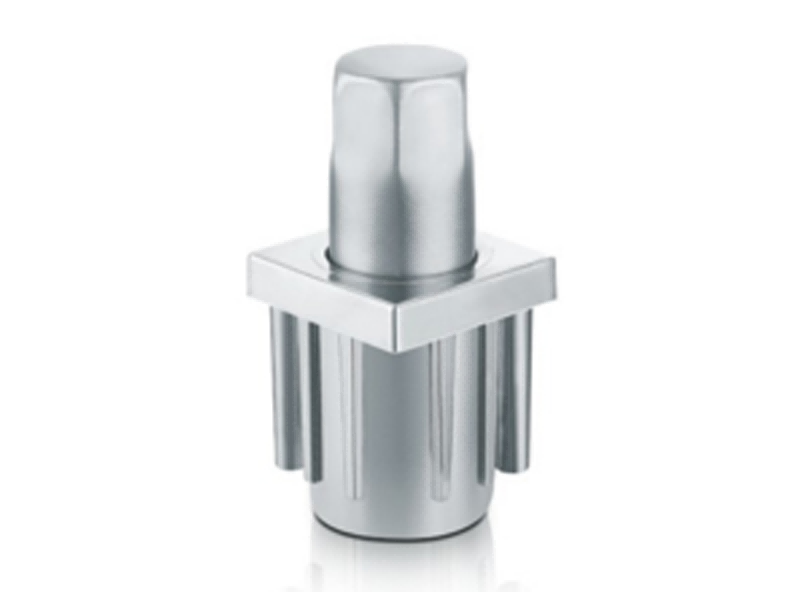
Surface smoothing steps like electric polishing or hand polishing clear rough spots that hold water or dirt. Passivation cleans off loose iron from the top and helps form an even chromium oxide coat. This coat is key for stopping rust. If you skip good passivation or polishing, early wear can hit even top alloys.
Now, moving from metal makeup to daily work pressures shows how normal use speeds up damage.
Understanding Material Fatigue in Kitchen Environments
Beyond these macroscopic fatigue and environmental factors, it is also important to examine the microscopic mechanisms that drive rust formation in stainless steel.
Mechanical Stress Factors Affecting Bullet Feet Longevity
In busy commercial kitchens, stainless steel bullet feet face ongoing back-and-forth loads. This happens because heavy tools get shifted or set often. Such repeated force can start tiny cracks inside the metal. Shakes from blenders or coolers make these cracks worse. Over time, they lead to full tiredness breaks if not fixed. Uneven floors add to this by spreading stress in odd ways across each foot’s bottom. As a result, it causes spot wear and early breakdown.
Environmental Conditions Contributing to Fatigue and Corrosion
Water contact mixed with strong wash chemicals sets up a spot where tiredness and rust work together to harm. The thin film on stainless steel can get broken by salts in soaps or food bits. This starts pit rust. Heat changes, from hot wash rounds to room cool-down, cause growth stresses that weaken the guard layers bit by bit. In damp areas, rubbing from mechanics and chemical hits team up. They break down the top layer quicker than one alone would.
To dig deeper into why rust shows up even with stainless makeup, we should check breaks at the tiny level.
Causes of Rust Formation Despite Stainless Steel Composition
Understanding these corrosion mechanisms provides a clear foundation for developing effective strategies to improve durability and extend the service life of stainless steel bullet feet.
Breakdown of Passive Film Layers
People call stainless steel rust-free, but its guard chromium oxide coat can wear away in tough spots. Rough scrub tools or acid washes scratch this film on purpose. They show new metal below that rusts fast before the coat rebuilds. Steady salt contact stops the oxide from fixing well. This leads to clear rust marks on surfaces that look high-quality otherwise.
Galvanic Corrosion Between Dissimilar Metals
When stainless steel bullet feet link with fixings from plain steel or aluminum mixes, different-metal rust can grow. This comes from electric pull differences between the metals. The weaker one acts as a giving point and breaks down first at touch areas. Water acts as a wet link there. To stop this, designs use rubber washers or pick matching stuff with close electric pulls. This cuts the linking effect.
After spotting what causes wear, it’s key to talk about ways to make service last longer. These come from picking right materials and care steps.
Preventive Strategies for Extending Bullet Feet Lifespan
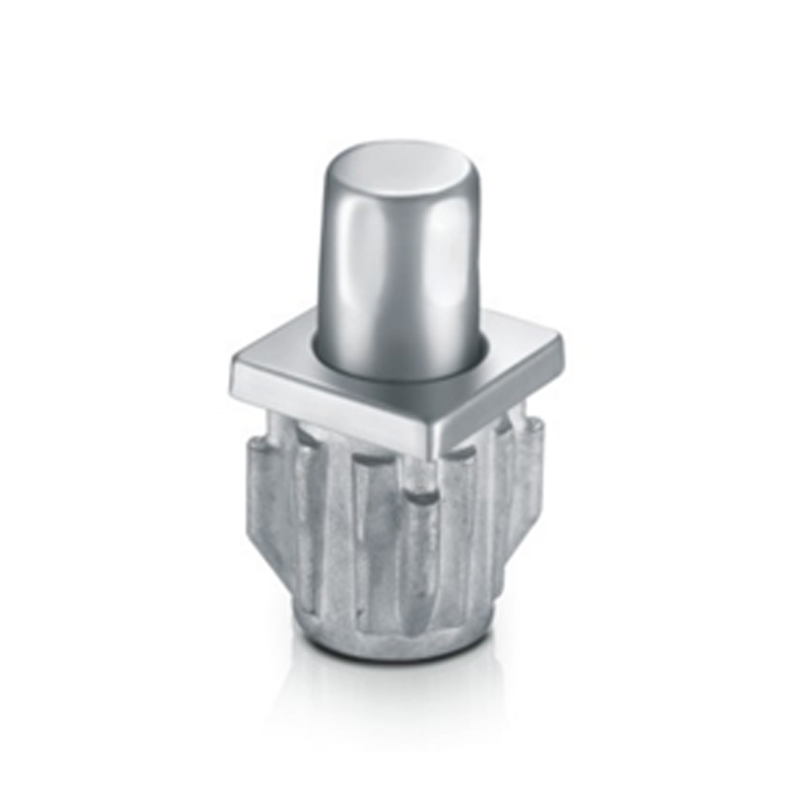
Although these strategies help extend lifespan, their performance must still be verified through structured testing and quality assurance systems.
Material Selection and Design Optimization
Picking the right stainless types based on what they face is basic for good rust-proof kitchen feet work. Go for grade 316 in salt-heavy zones like wash areas. Grade 304 works fine in dry prep spots. Smart design tweaks, like tilted tops, cut water pooling under machine bottoms. This lowers germ build-up and rust chance. Adding parts that swap out lets quick fixes without full changes. It boosts green use and saves money.
Maintenance Practices That Enhance Durability
Regular check times spot early tiredness lines or color shifts before big harm hits. Wash stuff made just for stainless stops chemical harm to guard films. Putting thin guard layers or oils on screw joins cuts rub wear. It also adds a block against water getting in. These steps make stainless steel bullet feet last longer in hard settings.
With these guard steps in place well, checking how they do through set tests keeps steady quality checks for all items.
Evaluating Performance Standards and Testing Methods for Bullet Feet Durability
Taken together, these performance tests and quality assurance guidelines establish a solid baseline for durability and safety, while also setting the stage for ongoing innovation in the industry.
Laboratory Testing for Corrosion Resistance and Fatigue Strength
Salt mist tests under ASTM B117 set a main way to check rust guard. They copy long salt water hits like those in kitchens. Tiredness checks copy repeat load rounds from real work. They measure how long before cracks spread. Top surface hardness checks give info on rub guard. Bigger hardness numbers usually mean better hold under slide touches.
Industry Guidelines for Quality Assurance
Following NSF rules makes sure clean safety for food-touch uses. ISO stamps check making steadiness and track-back on material sources. These rules make sure every group hits set levels for push strength and rust work. They give users trust that their rust-proof kitchen feet stay solid through use time.
As fields move to greener fixes, new ideas keep shaping what’s next in this area.
Future Developments in Rust-Proof Kitchen Feet Technology
With these advancements setting new benchmarks for performance and sustainability, attention is increasingly turning to manufacturers that can consistently deliver high-quality, rigorously tested solutions in this specialized field.
Advances in Material Science Applications
New stainless mixes add more molybdenum or nitrogen to fight salt pits even in tough clean rounds. Tiny coatings from clay oxides make super-thin walls that stop air spread. This halts rust steps fully. 3D print methods let tight control of inside builds. They boost tiredness life by cutting empty spots seen in cast parts.
Sustainable Design Considerations
Makers now use full-circle reuse setups. Old stainless parts melt back into fresh ones without drop in quality. This cuts harm to nature a lot. Low-energy make ways lower smoke output in build steps. Life-check tools help builders toward plans that mix lasting with earth care.
Before we wrap this tech look, it’s good to note a trusted maker known for top quality checks in this small market.
Foshan Simple Technology Co., Ltd: A Reliable Bullet Feet Supplier
Foshan semplice tecnologia Co., Ltd focuses on making strong stainless steel bullet feet for commercial kitchens around the world. Their items stress exact cutting skill with new top smoothing care. This gives top rust guard even under steady wet hits common in pro food work. With strict quality watch steps matched to world rules, Foshan Simple Technology brings solid answers for long-run steady work in varied cooking spots.
Conclusione
Rust on stainless steel bullet feet comes mostly from guard film loss or different-metal links. It does not stem from basic metal weak points. By picking best alloy types, fixing make steps, using right care habits, and sticking to tested rules, workers can make life much longer. At the same time, they keep clean rules in commercial kitchens.
Domande frequenti
1. Why do some stainless steel bullet feet still rust even when labeled “stainless”?
Surface dirt from iron bits or harm from rough cleaners breaks the guard oxide coat. This lets spot rust happen despite the full rust-fight makeup.
2. How often should bullet feet be inspected in busy kitchens?
Once a month checks work best for spots with lots of foot traffic. There, heavy gear shifts put steady shakes and wet on supports. This catches early tiredness breaks or rust starts.
3. What type of cleaning agent is safest for maintaining rust proof kitchen feet?
Soap with even pH made for stainless tops is best. It stops salt pits and keeps shine without scratching guard films needed for long hold.
