


5 Days a week from 8:30 am to 5:30 pm

7 Key Factors to Consider When Purchasing a Range Hood Filter
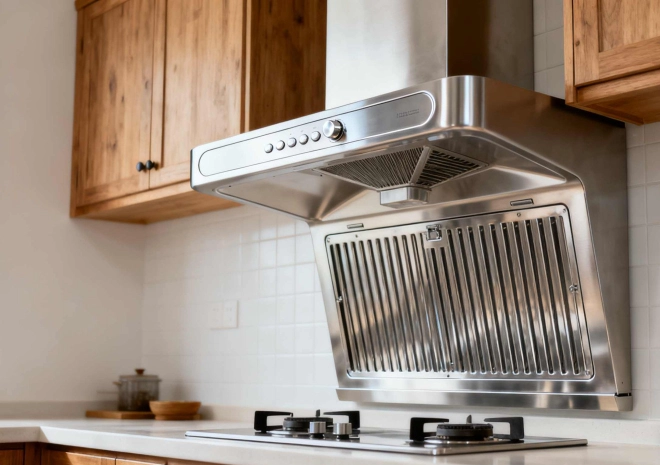
In the heart of any thriving commercial kitchen, the range hood works overtime. It pulls smoke, steam, and grease-laden air away from your cooking line. But without a solid range hood filter, that system clogs fast. Grease builds up. Ducts choke. Fires lurk. And your whole operation grinds to a halt.
You’ve seen it happen. A cheap filter fails after a few months. Repairs eat your profits. Downtime kills the vibe. That’s why purchasing a range hood filter isn’t just another buy. It’s a smart move for safety, efficiency, and long-term savings.
As a kitchen manager or restaurant owner, you need filters built for heavy use. Not home-style ones. Commercial-grade. This guide breaks down the key factors to weigh. We’ll dig deep so you pick right. Let’s get into it.
Material Quality: The Foundation of Performance
Start here. The material decides everything. A weak one warps under heat. Rusts in humidity. Crumbles with grease.
Why Top Materials Win in Busy Kitchens
Commercial kitchens run hot. 500°F blasts. Constant moisture. Grease everywhere. Filters face it all, shift after shift.
Pick stainless steel. Why? It laughs at corrosion. Stays strong. Look for 304-grade. Thicker gauge. Drained surfaces resist scratches. For less demanding environments, 430-grade stainless offers a cost-effective alternative with good resistance.
Aluminum? Bends easy. Pits over time.
|
Material Type |
Heat Resistance |
Corrosion Resistance |
Lifespan in Commercial Use |
|
304 Stainless Steel |
Excellent (up to 800°F) |
Top-tier |
3-5 years |
|
201 Stainless Steel |
Good (up to 600°F) |
Solid |
2-3 years |
|
430 Stainless Steel |
Good (up to 800°F) |
Good) |
2-4 years |
|
Painted Metal |
Fair |
Poor |
1 year or less |
|
Aluminum |
Moderate |
Weak |
1-2 years |
This table shows real differences. Stainless tops the list. It cuts replacement costs. Keeps your hood running smooth.
Spotting Quality at a Glance
Feel the weight. Heavy means dense metal. Check edges. Smooth welds. No sharp burrs. These last.
Filtration Efficiency: Trap Grease, Save Your System
Efficiency isn’t fluff. It’s math. How much grease stays trapped? Poor filters let 50% slip through. Good ones catch 90%+.
How Efficient Filters Protect Your Kitchen
Grease droplets fly from fryers, grills. Filters snag them. Labs test capture rates. Aim for high-velocity designs. Like baffles or mesh layers.
Z-shaped plates work wonders. They swirl air. Force grease to stick. Result? Cleaner exhaust. Less duct gunk.
Benefits stack up:
- Fans spin freer. Lower energy bills.
- Fewer cleanings. More cooking time.
- Health codes? Met easy.
Durability: Built to Last Through Rush Hours
Your filter takes beatings. Ladles bang it. Heat warps cheap ones. Look for reinforcements.
Tough Designs That Hold Up
Frames with stiffeners. Corner braces. These flex less. Rivets over spots welds. They don’t pop.
Tested for 10,000 cycles? That’s peak. Means years of slams.
Short tip: Drop it. If it dents bad, pass.
Longevity Pays Off
Replace every 6 months? What a waste of time and cash. Durable ones push through 2 full years without breaking down. Your return on investment jumps big time.
Ease of Cleaning: Less Time Scrubbing, More Time Serving
Nobody loves grease duty. Filters that clean in minutes? Game-changers.
Smart Features for Quick Turnaround
Handles. Big ones. Pull out easy. No tools.
Dishwasher safe? Gold. Or hose off. 5 minutes max.
Sloped baffles shed grease. No pooling.
Quick Clean Steps:
- Lift by handle.
- Rinse hot water.
- Wipe dry.
- Back in.
Saves hours weekly.
Maintenance Schedules That Fit Your Flow
Weekly wipe. Monthly deep clean. Log it. Filters that forgive skips? Pick those.
Size and Compatibility: Perfect Fit, No Hassles
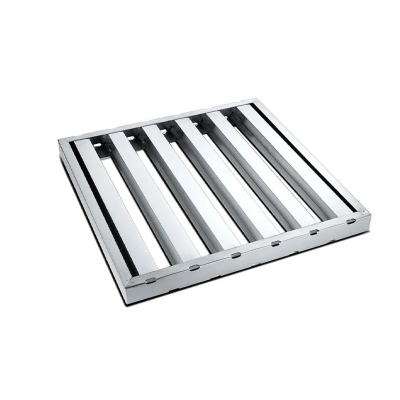
Wrong size? Gaps leak grease. Air bypasses.
Measure Twice, Buy Once
Hood dimensions. Filter slots. Match exact.
Standard sizes: 20×20, 20×28. Customs for odd hoods.
Chart your hood:
- Width x height.
- Airflow rating (CFM).
Suppliers send templates? Smart.
Seamless Integration
Check frame style. Quick-release clips. Slides in smooth.
Safety First: Fire Risks and Compliance
Grease + heat = flash fire. Filters stop it.
Features That Keep Flames at Bay
UL-listed. Fire-rated materials. Tight mesh blocks drips.
Auto-shutoff links? Extra layer.
NFPA 96 compliant. Inspectors love it.
Beyond Peace of Mind
Trained staff? Still, filters catch what they miss.
Cost vs. Value: Smart Spending in Commercial Kitchens
$50 filter breaks fast. $150 one saves thousands.
Total Ownership Costs
Upfront + replacements + labor + downtime.
Value Breakdown:
- Cheap: $50 x 4/year = $200 + $500 labor.
- Premium: $150 x 1/year = $150 + $100 labor.
Premium wins.
Where to Find Deals Without Cutting Corners
Bulk buys cut costs without skimping on quality. Warranties give you backup if things go wrong. Solid return policies let you swap out mismatches hassle-free. Shop around for suppliers who bundle extras like free shipping or setup tips.
Conclusion: Make the Right Choice for Your Kitchen’s Future
Purchasing a range hood filter boils down to these key factors: tough materials, top filtration, easy care, and real value. Ignore them, and you’re gambling with your kitchen’s heartbeat. Nail them, and watch efficiency soar. Safer air. Lower bills. Happy crew.
Take time. Compare. Your next filter should work as hard as you do.
Meet Your Trusted Range Hood Filter Supplier
Foshan Simple Technology Co., Ltd stands out as a go-to supplier for commercial range hood filters. With years in the game, they craft high-quality grease filters from premium stainless steel. Their team nails every step—from raw materials to final polish. Exported worldwide, they back it with top-notch R&D and service. Tech awards? Check. Global reach? Europe to Asia. Ready for your OEM needs.
Frequently Asked Questions
What are the key factors in purchasing a range hood filter for commercial use?
Focus on material strength, grease capture rate, cleanability, and fit. Stainless steel baffles hit all marks for busy spots.
How often should I replace my commercial range hood filter?
Every 6-12 months, depending on volume. Easy-clean ones stretch to 18 months.
Can a good range hood filter cut fire risks?
Yes. It traps grease before it drips on hot surfaces. Look for baffles and tight spacing.
What’s the best material for key factors like durability?
304 stainless steel. Resists heat, rust, and daily abuse.
Does filter size matter when purchasing a range hood filter?
Huge. Mismatch causes leaks. Measure your hood precisely.
