


5 Days a week from 8:30 am to 5:30 pm

Choosing Plastic or Stainless Steel Adjustable Feet for Commercial Kitchens
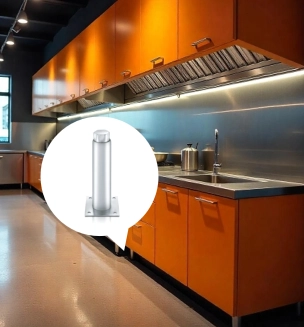
Running a commercial kitchen involves heavy equipment, uneven floors, and lots of movement. Adjustable feet make a real difference here. They hold ovens, tables, and fridges firm, even on bumpy ground. Imagine this: without them, your stuff might shake, causing messes or accidents.
In this piece, we’ll look at plastic adjustable feet compared to stainless steel ones. Both work in places like eateries or inns. We’ll check what sets each apart, how they match up, and ways to choose wisely. This comes from real needs—not just ideas. It’s about helping your kitchen work better and safer. If you’re starting fresh or fixing up, keep reading. You’ll learn how these little pieces improve your everyday tasks.
Why Adjustable Feet Matter in Commercial Settings
Kitchens in crowded places deal with hard situations. Heat builds up. Water flies around. Heavy items move often. Adjustable feet fix levels. They twist higher or lower to fit the floor. This keeps things steady.
Think of a big oven on a tilted tile. Without changes, it leans. That could lead to burns or dropped plates. Strong feet stop that. They also reduce shakes from blenders or choppers. Less movement means your tools last longer.
In food work, safety is key. Wet floors happen a lot, so feet with good traction add safety. They make cleanup simple too. Raise the item a little, and you clean under it easily. For bosses, this cuts down on repairs and keeps workers content. It’s an easy change that brings big gains.
Key Features to Look For
Feet differ from each other. The height they can change is important. Some adjust from a couple inches to more. How much weight they bear counts too. Can it support a full cooler? Bottom parts vary: rubber stops slips, or basic for dry spots.
What they’re made of changes things a lot. We’ll talk about plastic and steel next. But first, figure out your kitchen’s wants. Damp areas? Pick ones that don’t rust. Rough use? Go for sturdy.
Exploring Plastic Adjustable Feet
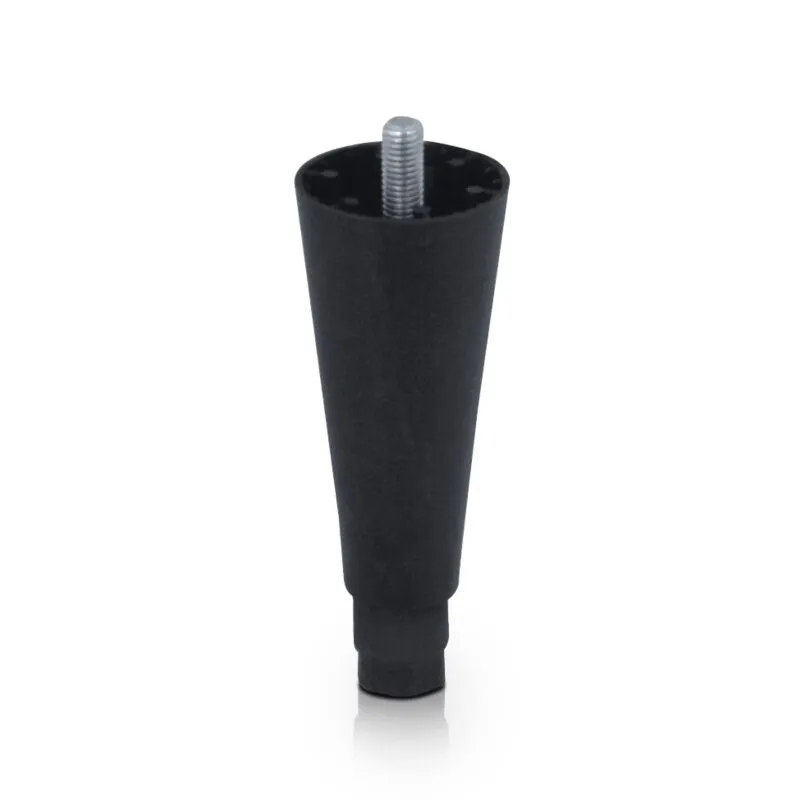
Plastic adjustable feet appear often in today’s kitchens. They’re built from strong nylon or like materials. They stand up to regular wear without costing much.
They’re not heavy, so putting them in is fast. No need for strong arms to lift and turn them. In a quick-moving place, that helps a lot.
Advantages of Plastic Options
Price is a major plus. Plastic feet usually cost less than metal kinds. For a new kitchen or one with little money, this lets you spend on other things like blades or pots.
They fight rust fine in wet spots. Water and vapor won’t wear them down. And they’re silent—no loud metal noise when you tweak them.
Some include metal bits inside for more power. This blend offers hold and grip without extra bulk. In lighter arrangements, like counters or racks, they do well.
Toughness? They recover from hits. Drop a pan? Plastic takes the blow better than hard steel.
Potential Drawbacks
Yet, they’re not ideal. In very warm areas near stoves, plastic could get soft after a while. Not dissolve, but weaken a bit.
Big weights might be trouble. If your tools are super heavy, plastic could bend or break over time. Consider that for large cookers.
Washing is straightforward, but strong cleaners might harm the outside. Use gentle soaps, and they stay okay.
In general, plastic suits kitchens with average activity. It mixes low cost and good use without going overboard.
Diving into Stainless Steel Adjustable Feet
Stainless steel adjustable feet offer real strength. They take rough handling in pro kitchens.
These feet feel solid when you step near. They deal with warmth, wetness, and knocks easily. In spots with lots of people, that’s helpful.
Strengths of Steel Choices
To start, power. Steel feet support big weights without trouble. Ovens full of trays? Fine. They stay even, lowering flip chances.
Rust protection is great. Moist air or drips won’t cause rust. This leads to longer use—fewer changes needed.
Cleanliness is another win. Steel cleans quick, stopping germ growth. During health checks, that helps.
Tweaking is easy with screw parts. Set height just right, even on odd floors. Bottoms often have rubber for better hold, reducing slides.
For tough settings, steel gives dependability. It creates faith in your arrangement.
Possible Downsides
One minus is the heaviness. Steel feet weigh more, so setup takes effort. In small areas, that can matter.
They cost extra. Good steel has a higher price at first. But in time, it could save by lasting longer.
They might get dents from hard hits. Not common, but in wild kitchens, be careful.
Even so, for hard jobs, steel’s good points beat the downsides.
Head-to-Head Comparison
To help decide, let’s see them next to each other. Here’s a simple table with main differences:
| Feature | Plastic Adjustable Feet | Stainless Steel Adjustable Feet |
|---|---|---|
| Cost | Cheaper, easy on the wallet | More expensive, but lasts |
| Weight | Light, simple to move | Heavier, stays put better |
| Corrosion Resistance | Decent in wet places | Very good, no rust |
| Load Capacity | Fine for average weights | Great for heavy stuff |
| Heat Tolerance | Okay; stay away from too much heat | Strong; handles stoves |
| Maintenance | Easy to clean, but careful with cleaners | Quick wipe, keeps clean |
This table shows the basics. Your kitchen’s needs will decide which way to go.
-
Money Focus: Choose plastic if funds are low.
-
Long Run: Steel for areas with hard use.
-
Mixed Wants: Some places use both—plastic for light items, steel for heavy ones.
Factors to Weigh Before Buying
Choosing feet isn’t random. Begin with your floor. Bumpy cement? Need big change range.
Weight comes next. Check your tools’ heaviness. Add some extra for safety.
Surroundings matter. Wet, warm, or both? Steel could win.
Consider your team too. Simple tweaks mean less stop time.
Last, rules. Food laws often like clean materials such as steel.
Think about these, and you’ll pick right. It improves your kitchen’s rhythm and reduces problems.
Real-Life Uses in Commercial Kitchens
In a lively restaurant, plastic feet could hold up work tables. They’re light and changeable. They level fast for cutting veggies.
Steel works under deep fryers or grills. Heat and grease don’t bother them. One cook I heard about switched to steel. Shakes went down, and machines held up longer.
Inns use both. Party rooms pick plastic for rolling carts. Main kitchens choose steel for fixed stoves.
These stories show that matching is key. Good feet lift your name—steady tools mean good service and pleased guests.
About Foshan Simple Technology Co. Ltd
Before we finish, here’s a short bit on a reliable supplier in this field. Foshan Simple Technology Co. Ltd is a top choice for adjustable feet in commercial kitchens. They have a large plant covering 10,000 square meters and a crew of hundreds. Their team brings lots of experience in sales and tech. They serve places in more than 100 countries—from Europe to Southeast Asia.
What makes them special? They care about quality and what customers need. They handle full making lines, so supply stays steady. If you’re in a small shop or big chain, their items work. It’s about trustworthy parts that keep your kitchen going.
Conclusion
To sum up, plastic adjustable feet and stainless steel adjustable feet each add worth to commercial kitchens. Plastic gives low cost and simplicity, perfect for lighter jobs. Steel brings strong build and long life for hard areas. The pick depends on your place’s needs—money, weight, and setting. Choose smart, and you’ll get better hold, safety, and smooth work. At last, good feet back not just tools, but your whole business’s win.
FAQs
What are the main differences between plastic adjustable feet and stainless steel adjustable feet?
Plastic adjustable feet are often lighter and less costly. They’re good for average weights in calmer spots. Stainless steel adjustable feet give more power and fight rust better. They fit heavy kitchens with much heat or water.
Are plastic adjustable feet strong enough for everyday use in a commercial kitchen?
Sure, plastic adjustable feet last fine in normal settings. They handle wetness and bumps. But for big weights or high heat, think about stainless steel adjustable feet as a tougher choice.
How do stainless steel adjustable feet help with cleanliness in food areas?
Stainless steel adjustable feet clean up fast and don’t let germs stick like some stuff might. This aids in following food safety rules. It keeps your kitchen clean.
Can I use both plastic adjustable feet and stainless steel adjustable feet in one kitchen?
Yes. Put plastic adjustable feet under lighter counters. Use stainless steel adjustable feet below heavy stoves. This matches each tool to the best kind.
What’s a good way to care for adjustable feet in a active kitchen?
Wash them often with soft soap. Look at tweaks each month to stop wobbles. For plastic adjustable feet and stainless steel adjustable feet alike, this keeps them working well.
