


5 Days a week from 8:30 am to 5:30 pm

Dangers Lurking in Poor Maintenance on Range Hood Filters
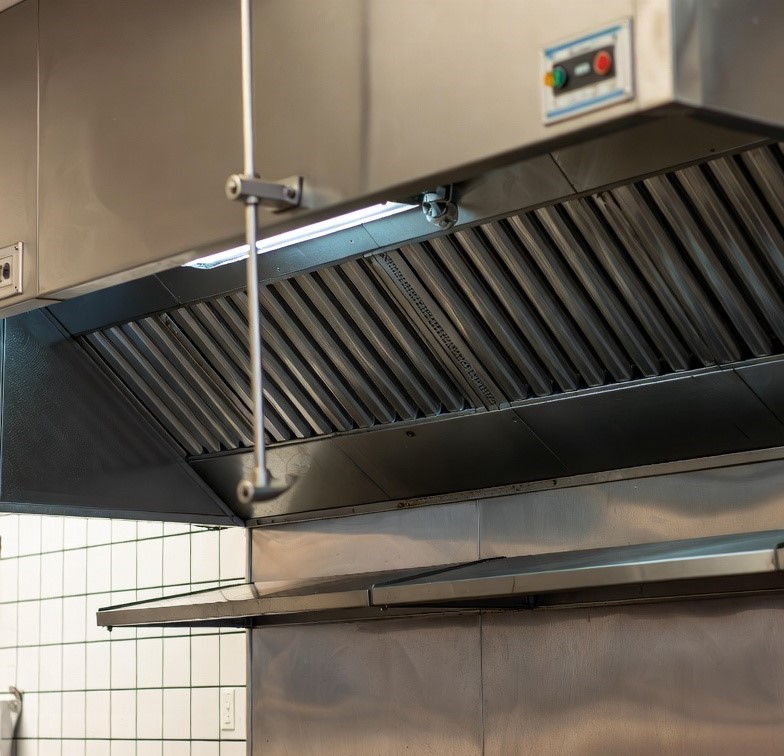
In busy restaurant operations, hood filters stand as the first line of defense against grease and smoke. Yet many commercial kitchens overlook regular upkeep, leading to serious problems. We understand the demands of high-volume cooking environments. Explore our website to see how proper equipment makes a difference.
Understanding Hood Filters in Commercial Settings
Hood filters capture oil particles from cooking fumes. In commercial spaces, they handle heavy loads from fryers and grills. Made from durable materials, these filters pull grease out of the air before it reaches ducts.
Daily use wears them down. Grease layers form, reducing airflow. Staff might notice smoke lingering or odd smells. Such signs point to bigger issues ahead.
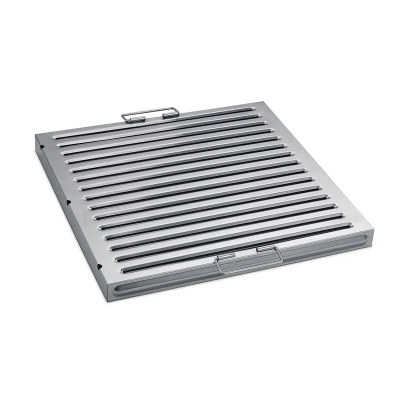
Filters vary in design, some with baffles that direct grease into collection areas. Others use mesh to trap particles. No matter the type, all need consistent care to function well.
Transitioning from basics, consider what happens when maintenance slips. Problems pile up quickly in fast-paced kitchens.
Major Risks from Poor Maintenance
Risks of poor maintenance on hood filters show up in multiple ways. Fire stands out as the top concern. Grease is highly flammable. When it accumulates, a single spark from a stove can ignite it. Statistics from fire reports indicate that uncleaned exhaust systems cause over 60% of restaurant blazes. Flames spread through ducts, damaging entire buildings.
Beyond fire, health hazards emerge. Dirty filters let grease vapors circulate. Workers breathe in pollutants, raising chances of respiratory issues. In one study of commercial kitchens, air quality dropped by 40% in spaces with neglected ventilation. Staff face irritation in eyes and throats, cutting down productivity.
Equipment suffers too. Clogged filters strain fans and motors. Energy bills climb as systems work harder to pull air. A report from industry groups notes that poor upkeep can boost power use by 25%. Breakdowns happen more often, leading to downtime during peak hours.
Legal troubles add another layer. Inspectors check hood systems regularly. Failing standards brings fines or shutdowns. Codes like NFPA 96 mandate clean filters to prevent hazards. Non-compliance risks insurance claims denials after incidents.
Here’s a quick breakdown of key dangers:
- Fire outbreaks: Grease ignites easily, spreading rapidly.
- Health problems: Poor air leads to breathing difficulties.
- Higher costs: Increased energy and repair bills.
- Compliance failures: Fines from violated regulations.
These points highlight why skipping cleaning routines costs more in the long run.
Shifting focus, let’s examine specific scenarios where neglect bites back hardest.
Fire Hazards in Detail
Grease buildup dangers top the list for good reason. In high-volume spots like burger joints or pizza places, fryers produce massive grease output. Filters catch most, but without washing, residue hardens.
A small flame jumps to the hood. Heat builds, and grease combusts. Ducts act like chimneys, pulling fire upward. Data shows commercial kitchen fires cost an average of $150,000 in damages. Prevention starts with weekly inspections and deep cleans every quarter.
Baffles in filters help direct flow, but clogged ones backfire. Smoke escapes into the room instead of venting out. This not only alarms customers but also triggers sprinklers unnecessarily.
Impact on Air Quality and Health
Poor air quality in kitchens stems directly from faulty filters. Grease particles mix with smoke, creating a toxic mix. Long-term exposure links to conditions like asthma flares among cooks.
Ventilation pulls in fresh air, but blockages reduce efficiency. Carbon monoxide levels rise if exhaust fails. Industry surveys reveal that kitchens with clean systems report 30% fewer sick days. Clean air keeps teams sharp and focused.
Particles settle on surfaces too. This breeds bacteria, compromising food safety. Health inspectors flag such issues, risking low ratings.
Operational and Financial Setbacks
Ventilation system failures disrupt daily work. Fans overheat from restricted flow. Motors burn out faster, needing replacements that halt service.
Energy waste adds up. Systems run longer to compensate, pushing utility costs higher. One chain of diners cut bills by 20% after starting a strict cleaning schedule.
Repairs eat into profits. Downtime during fixes means lost revenue. In competitive markets, reliability keeps customers coming back.
Regulatory and Insurance Concerns
Commercial kitchen fire prevention ties into strict rules. Authorities require proof of maintenance logs. Without them, operations face suspension.
Insurance providers demand clean systems for coverage. Claims get denied if neglect shows up in investigations. Building a record of regular care protects against such pitfalls.
With these risks laid out, it becomes clear that proactive steps pay off. Now, turn to practical ways to sidestep them.
Best Practices for Hood Filter Maintenance
Regular cleaning keeps risks at bay. Start with daily wipes to remove surface grease. Use hot water and degreasers for effectiveness.
Schedule deep cleans based on volume. High-output kitchens need monthly sessions. Lower ones can go quarterly. Always follow manufacturer guidelines.
Inspect for damage during cleanings. Bent baffles or torn mesh reduce performance. Replace as needed to maintain flow.
Train staff on procedures. Simple checklists help track tasks. This builds a culture of safety.
Use this table for a maintenance timeline:
|
Kitchen Type |
Cleaning Frequency |
Inspection Interval |
|
High-volume frying |
Monthly |
Weekly |
|
Moderate grilling |
Quarterly |
Bi-weekly |
|
Low-volume baking |
Semi-annually |
Monthly |
Such routines cut down on surprises.
Moving ahead, reliable suppliers play a key role in sustaining these practices.
About Foshan Simple Technology Co. Ltd
Foshan Simple Technology Co. Ltd serves as a dedicated range hood filter supplier for commercial needs. With over 15 years in the field, the company focuses on quality materials and designs that support easy cleaning and high efficiency. Products reach markets in Europe, the Middle East, Americas, and Southeast Asia, backed by strict controls from raw materials to final output. Recognized for technology-driven approaches, it delivers solutions that fit demanding kitchen environments.
Conclusion
Addressing hood filter cleaning frequency transforms potential disasters into manageable routines. Clean systems safeguard lives, cut costs, and keep operations smooth. Prioritizing upkeep elevates kitchen standards and builds trust with patrons.
FAQs
What are the main risks of poor maintenance on hood filters in a busy restaurant?
Main risks include fire outbreaks from grease ignition, degraded air quality causing health issues, higher energy costs from strained systems, and regulatory fines for non-compliance.
How often should commercial kitchens handle hood filter cleaning frequency?
It depends on cooking volume. High-volume operations require monthly deep cleans, while moderate ones manage with quarterly sessions to prevent grease buildup dangers.
Can poor air quality in kitchens from dirty filters affect staff performance?
Yes, it leads to respiratory problems and fatigue, reducing focus and increasing sick days, which impacts overall productivity.
What steps help with commercial kitchen fire prevention related to hood systems?
Regular inspections, timely replacements, and staff training on cleaning reduce fire chances by keeping grease levels low and systems efficient.
Do neglected filters contribute to ventilation system failures?
Absolutely, clogs force components to overwork, leading to breakdowns, costly repairs, and operational halts.
