


5 Days a week from 8:30 am to 5:30 pm

Enhancing Safety with Leveling Feet in Commercial Kitchens
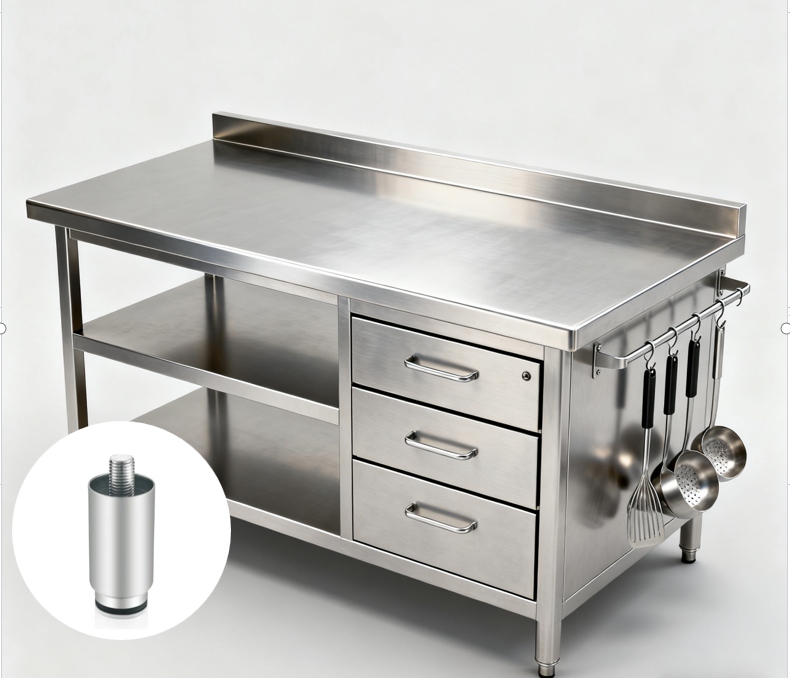
Safety tops the list in busy commercial kitchens. Every piece of gear, like ovens or prep tables, needs a firm base to work well. Leveling feet step in here. These tough little parts hold equipment steady. They stop wobbles that might cause trouble. Picture a hectic dinner shift with a shaky stove. It could spell disaster! By keeping things stable, leveling feet cut down on spills and falls. They’re a vital safety measure for any pro kitchen.
They also make daily tasks smoother. Old buildings often have uneven floors. Adjustable leveling feet fix that. They keep everything balanced. This helps staff move easier. It also makes equipment last longer. For managers and chefs, it’s a smart, small change with big rewards. Let’s explore how these quiet helpers can improve your kitchen.
The Role of Leveling Feet in Safety and Stability
A safe kitchen starts with stability. Leveling feet adjust to uneven floors. They keep appliances rock-solid. This matters a lot with heavy loads. Think of a full fridge or a busy cooktop. A steady setup lowers the risk of tipping. That protects workers and gear. In a fast-paced kitchen, this focus on safety keeps the team on track.
These feet also quiet things down. Shaky equipment can rattle or wear out fast. Leveling feet reduce that noise. They create a calmer space. Plus, they shield floors from scratches. This keeps the kitchen looking neat. Businesses that care about their image benefit here. A tidy space shows pride and skill.
Installation Tips for Maximum Safety
Setting up leveling feet is simple but needs care. First, check the equipment base. Most have holes ready for attachment. Grab a wrench or screwdriver. Tighten the feet well. Take your time. A loose fit won’t work.
Then, tweak the height. Place a level tool on top. Look for any tilt. Turn the feet to raise or lower them. Stop when the bubble sits right in the middle. Give the unit a gentle push to test it. No wobble means success. On some floors, rubber pads under the feet add grip. This helps in busy spots.
Check them often. Wear or floor changes can cause issues. A quick look each month keeps things safe. Staff can do this with a little training. It turns into a team effort to stay secure.
Benefits for Commercial Kitchen Operations
Leveling feet do more than prevent accidents. They improve the workday. A steady appliance stays put. This helps with chopping on a prep table. Or opening a heavy oven door. It saves time and effort. Your team can focus on cooking.
Cleaning gets simpler too. Level equipment is easy to reach under. No need to tilt units to sweep. This keeps hygiene high. It also cuts downtime. That’s a big plus for a busy kitchen.
Owners see savings too. Stable gear lasts longer. Fewer replacements save money. A safer space also cuts liability risks. It’s a practical move that boosts your business and reputation.
Choosing the Right Leveling Feet
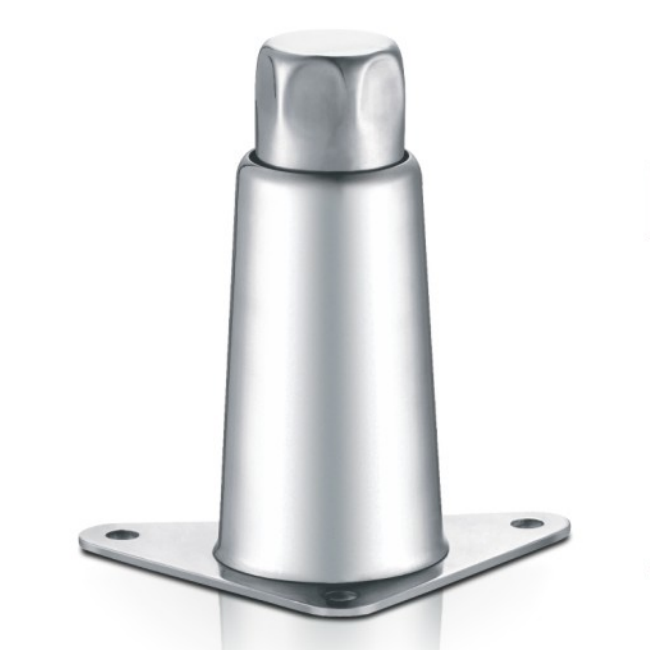
Not all leveling feet fit every job. For heavy gear like ovens, pick stainless steel ones. They handle weight and resist rust. Lighter tasks, like small tables, work with gravity-based feet. These adjust to the floor’s slope.
Wheels make a difference for movable units. They let you shift gear for cleaning. Then they lock for stability. Quality matters. Choose durable, rust-proof materials. A talk with your supplier can point you to the best fit.
Durability: Pick materials that handle wet and heat.
Load Capacity: Match feet to your gear’s weight.
Adjustability: Ensure they cover uneven spots.
Building Your Brand with Safety Standards
A safe kitchen shines. Using leveling feet shows you care. This builds trust with customers and staff. In the tough food world, that trust matters. When a kitchen runs smoothly, people talk. It grows your name as a dependable spot.
Chefs and managers can share this pride. Post tips or stories online. Maybe show a leveled setup before and after. It paints you as a leader who values safety. Clients who care about quality will notice.
Businesses grow with consistency. A kitchen with strong safety stands out. It draws partners and repeat customers. It’s a silent way to prove your commitment.
Introducing Foshan Simple Technology Co. Ltd
Before we finish, let’s mention a reliable name. Foshan Simple Technology Co. Ltd offers solid leveling feet. They bring years of know-how to kitchens everywhere. Known for good work and support, they help keep spaces steady. Their focus on customers makes them a top pick.
Conclusion
Adding leveling feet is a wise move for commercial kitchens. They boost safety and efficiency. They also protect your gear and floors. Taking time to pick and install them right creates a great workspace. It helps staff, customers, and your profits. This small step brings lasting benefits.
FAQs
How often should I check my leveling feet?
A quick look every month keeps them strong. Watch for wear or looseness, especially after heavy use, to stay safe.
Can leveling feet handle wet kitchen floors?
Yes, with stainless steel, they fight rust and hold firm on wet spots. Perfect for busy kitchens.
Do I need tools to install leveling feet?
Usually, a wrench or screwdriver works. Follow the guide, and you’ll have them set up fast for a steady space.
What if my floor is really uneven?
Adjustable leveling feet can handle most bumps. For tough spots, rubber pads underneath add grip.
