


5 Days a week from 8:30 am to 5:30 pm

Exploring Range Hood Filters in Commercial Kitchens
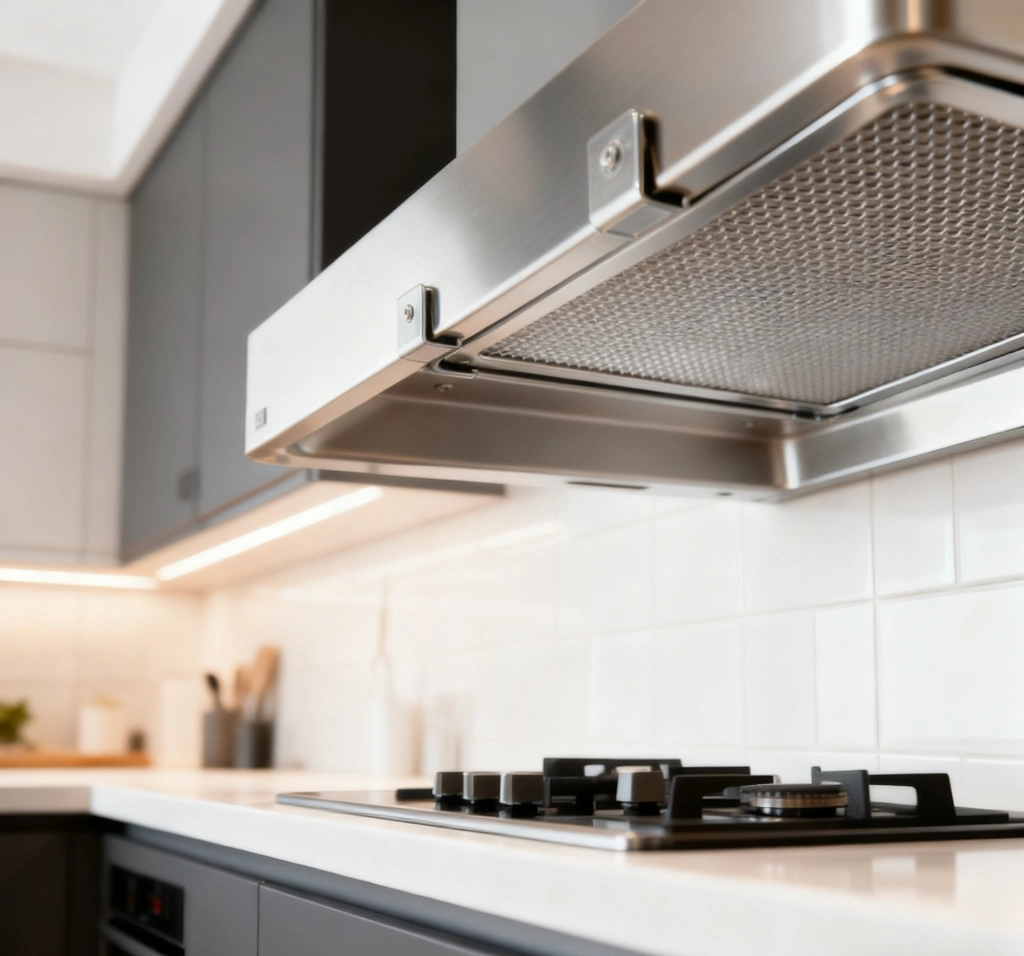
Running a busy restaurant or hotel kitchen means dealing with smoke, grease, and odors every day. You know how vital good ventilation is. Range hood filters play a key role here. They trap unwanted stuff from the air. This keeps your space clean and safe. In this post, we’ll dive into what these filters do and how they work. We’ll stick to commercial settings, where high-volume cooking demands tough, reliable gear. Let’s get started.
What Are Range Hood Filters?
These are the parts in your exhaust system that catch grease and particles from cooking fumes. Think of them as the first line of defense in a commercial hood. Made mostly from stainless steel, they stand up to heat and daily wear. In big kitchens, like those in diners or catering halls, filters handle heavy loads without breaking down fast.
Commercial filters come in different styles to fit various needs. Some use baffles, others mesh. Each type suits specific cooking styles. For example, in a fry-heavy spot, you might pick one that grabs oil droplets well.
Common Types Used in Busy Kitchens
Not all filters are the same. Here’s a quick look at popular ones:
-
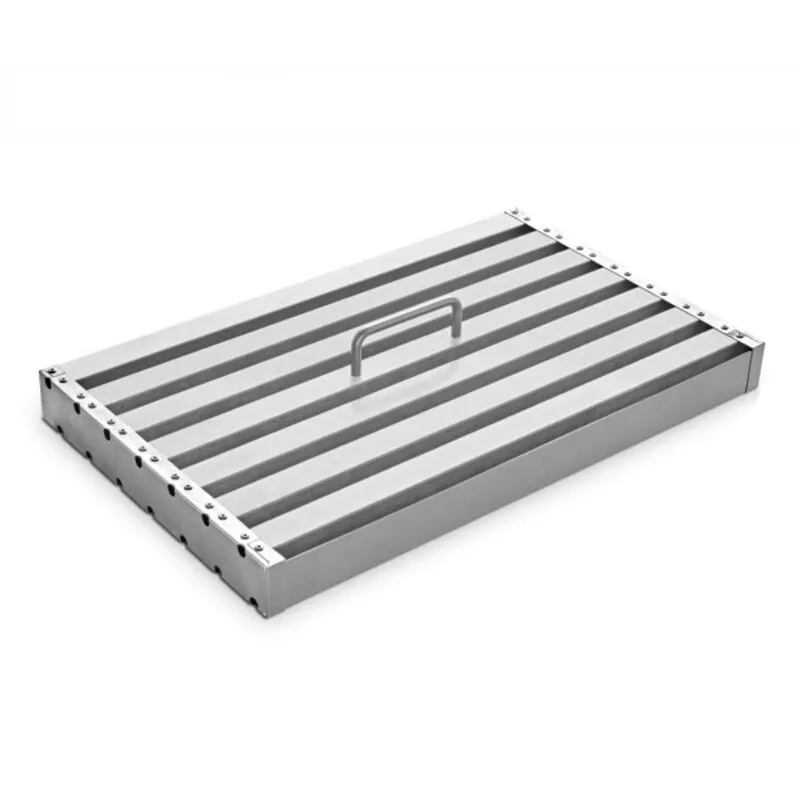
Baffle Filters: These have overlapping plates that force air to change direction. Grease hits the surfaces and sticks. Great for high-heat grilling or frying.
-
Mesh Filters: Layers of wire screen trap smaller particles. They work fine for lighter cooking but clog quicker in intense setups.
Some combine materials for better capture. They often include features like easy-grip handles for quick swaps.Choosing the right type depends on your menu. A pizza place might go for baffles to handle cheese melt fumes. Always match them to your hood size and airflow.
The Function of Range Hood Filters
At their core, these filters pull grease out of the air. This stops buildup in ducts and fans downstream. In a commercial kitchen, that means fewer fire risks. Grease is flammable, after all. Filters also cut down on smoke and smells spreading to dining areas. Customers notice fresh air, which boosts your spot’s reputation.
Beyond safety, they help with health. Trapped particles mean cleaner air for staff. No one wants to breathe in oily mist all shift. Plus, they make cleaning easier overall. Less gunk in the system saves time and money on upkeep.
Key Roles in Daily Operations
Filters do more than just sit there. They support the whole ventilation setup. For instance, by catching oil early, they keep exhaust fans running smooth. This extends equipment life. In high-turnover kitchens, like fast-food joints, reliable function keeps things moving without downtime.
They also aid compliance. Many local codes require effective grease control. Good filters help you pass inspections without hassle.
How Range Hood Filters Work: The Basics
The working principle is straightforward yet clever. Air from cooking rises into the hood. Fans pull it through the filter. As it passes, grease droplets hit the filter’s surfaces. They condense and drain away, often into a collection trough.
Take baffle types. Air zigzags through channels. This slows it down, letting heavier grease drop out. Mesh versions use fine wires to snag particles like a net. Either way, clean air moves on to the exhaust.
In commercial use, airflow rates are high. Filters must handle that without restricting too much. Materials like stainless steel resist corrosion from acids in fumes. Some advanced designs use nano coatings for even better separation. The result? Efficient removal without constant clogs.
Step-by-Step Process in Action
Picture a stir-fry station in full swing. Oil splatters, smoke billows.
-
Hot air carries grease upward.
-
Hood captures it.
-
Filter intercepts: particles collide and stick.
-
Liquid grease drains off.
-
Purified air exits.
This cycle repeats thousands of times a day in pro kitchens. It keeps visibility clear and surfaces less sticky.
Benefits for Commercial Kitchen Owners
Why bother with quality filters? They pay off in many ways. First, safety jumps up. Reduced grease means lower fire chances. Insurance folks love that—it might even cut premiums.
Efficiency matters too. Clean systems use less energy. Fans don’t work as hard against buildup. Over time, this trims utility bills. Staff stays happier in a fresher space, cutting turnover.
Durability counts in busy spots. Stainless steel holds up to daily abuse. Easy-clean designs mean quick wipes or dishwasher runs. No need for harsh chemicals often.
Real-World Advantages
-
Cost Savings: Less frequent duct cleaning. Filters catch most gunk upfront.
-
Better Air Quality: Helps meet health standards. Keeps odors contained.
-
Longer Equipment Life: Protects fans and ducts from wear.
-
Eco-Friendly Edge: Traps pollutants before they escape outside.
In a hotel banquet kitchen, these perks add up fast. High-volume events run smoother with reliable ventilation.
| Benefit | Impact on Commercial Kitchens |
|---|---|
| Fire Prevention | Lowers risks from grease buildup |
| Energy Efficiency | Reduces fan strain and power use |
| Maintenance Ease | Quick cleaning saves labor hours |
| Compliance Support | Meets safety and health codes |
| Staff Comfort | Cleaner air boosts morale and health |
This table shows how filters touch every part of operations.
With care, filters last years, supporting your kitchen’s rhythm.
Challenges and Solutions in Commercial Use
Busy kitchens throw curveballs. High heat warps cheap materials. Not stainless steel, though. It stays strong.
Clogging happens fast with heavy frying. Solution: Choose high-capacity designs. Rotate filters if possible.
Installation varies by hood type. Custom fits solve that. Measure carefully upfront.
Cost upfront might seem high. But savings on repairs offset it. Invest in quality for long-term wins.
Addressing these keeps your system humming.
Innovations in Filter Technology
The field evolves. New coatings repel grease better. Some filters self-drain more efficiently.
In commercial realms, focus shifts to sustainability. Recyclable materials gain traction. Energy-smart designs cut waste.
Look for features like ergonomic handles. They speed up maintenance in fast-paced spots.
Staying current helps your kitchen lead the pack.
Introducing Foshan Simple Technology Co. Ltd
As a dedicated supplier of range hood filters, Foshan Simple Technology Co. Ltd stands out in the industry. Based in Foshan, this company has over 15 years of experience crafting high-quality kitchen gear. They focus on grease filters for commercial use, emphasizing strict quality checks from raw materials to final products.
Their team includes skilled designers and a strong R&D group. This setup allows them to export to places like Europe, the Middle East, and the Americas. Recognized as a technology-based small and medium enterprise for two years running, they push for innovation in ventilation solutions.
Customers value their commitment to durable, efficient products. With a professional workforce and mature supply chain, they deliver reliable options that meet global needs. If you’re seeking trusted suppliers, their approach builds lasting partnerships.
Conclusion
Range hood filters are essential in commercial kitchens. They handle grease, boost safety, and keep operations smooth. Understanding their function and working principle helps you choose wisely. From capturing particles to easing maintenance, these components elevate your setup. Invest in good ones, and watch your kitchen thrive. Fresh air leads to better food and happier teams.
FAQs
What is the main function and working principle of range hood filters in a commercial kitchen?
These filters mainly trap grease and smoke from cooking exhaust. They work by forcing air through baffles or mesh, where particles stick and drain away. This keeps ducts clean and reduces fire risks in busy spots.
Are stainless steel range hood filters better for commercial use?
Yes, they resist heat and corrosion well. Their durable build supports the function and working principle under heavy daily demands, making them a smart pick for pros.
Can range hood filters improve air quality in my restaurant?
Absolutely. By capturing pollutants, they enhance ventilation. This ties into their core function and working principle, creating a healthier space for staff and guests.
What should I look for when buying range hood filters?
Focus on material quality, like stainless steel, and ease of cleaning. Ensure they match your hood’s airflow. Good ones amplify the function and working principle for reliable performance.
