


5 Days a week from 8:30 am to 5:30 pm

Five Key Benefits of Leveling Feet in Commercial Kitchens
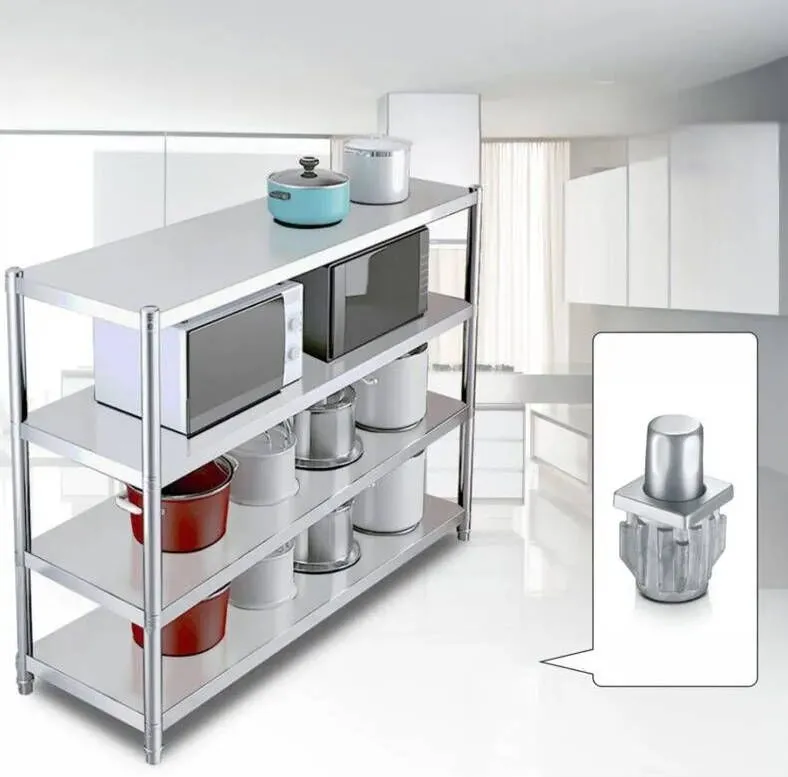
In a bustling commercial kitchen, every piece of equipment needs to stand firm. Think about it: ovens firing up, mixers whirring, freezers humming away. One wobbly base, and things can go south fast. That’s where leveling feet, or adjustable feet, come into play. They keep everything steady on uneven floors, cutting down on accidents and wear. This post dives into the five key benefits of leveling feet (adjustable feet), showing why they’re the best choice for equipment stability. If you’re running a restaurant, catering service, or food prep facility, sticking around could help you boost safety and efficiency. We’ll keep the focus tight on commercial kitchens, where reliability counts most.
Commercial kitchens face unique challenges. Floors might dip from years of spills and heavy traffic. Equipment shifts during peak hours, leading to uneven cooking or breakdowns. Leveling feet tackle these head-on. Made from tough materials like stainless steel, they adjust to fit any surface. No more tilting counters or shaky appliances. Plus, they help meet health codes by keeping things clean and stable. Ready to see how they make a difference? Let’s break it down.
The First Benefit: Precision Adjustment for Uneven Surfaces
Picture this. Your kitchen floor isn’t flat—maybe from old tiles or constant mopping. Equipment tilts, and suddenly, soups spill or dough doesn’t rise right. Precision adjustment is one of the top perks here. Leveling feet let you tweak heights just right, down to the millimeter sometimes.
How It Works in Daily Operations
In a busy spot like a hotel kitchen, ovens need to sit level for even baking. Twist the feet a bit, and voila—problem solved. It’s simple. No tools required for basic tweaks. This keeps workflows smooth. Staff don’t waste time propping up machines with shims.
Real-World Impact on Efficiency
Chefs love it because stable gear means better results. Take a mixer on a sloped floor. Without adjustable feet, vibrations build up, wearing out parts faster. With them? Everything runs quieter and longer. Data from kitchen setups shows downtime drops by up to 20% when bases are leveled right. Short bursts of adjustment save hours in the long run.
-
Quick fixes: Adjust on the spot during setup.
-
Custom fit: Match any floor irregularity.
-
Less hassle: Avoid constant repositioning.
It’s not just about fixing problems. It’s building a setup that lasts. In commercial kitchens, where every minute counts, this precision keeps the pace steady.
The Second Benefit: Enhanced Stability to Prevent Accidents
Stability isn’t a luxury in kitchens—it’s a must. Slippery floors from grease or water make things risky. Enhanced stability from leveling feet cuts those dangers. They lock equipment in place, no matter the chaos around.
Reducing Vibrations and Shifts
Heavy-duty appliances like steamers vibrate a lot. On uneven ground, that leads to rocking. Adjustable feet absorb those shakes, keeping bases firm. Result? Fewer tip-overs. In a fast-food joint, this means safer handling of hot fryers.
Boosting Worker Safety
Think of the team. Cooks rushing between stations. A wobbly prep table could cause cuts or burns. Stable feet change that. They distribute weight evenly, so even loaded counters stay put. Kitchens with these see fewer slips, as per safety reports from foodservice pros.
| With Leveling Feet | Without Leveling Feet |
|---|---|
| Even weight spread, no tipping | Uneven balance, risk of falls |
| Vibration control for quiet ops | Constant shakes, more noise |
| Quick setup for busy shifts | Frequent adjustments needed |
This table shows the clear edge. It’s straightforward. Safer spaces mean happier crews and lower insurance claims. Who wouldn’t want that in their kitchen?
The Third Benefit: Durability That Stands Up to Kitchen Demands
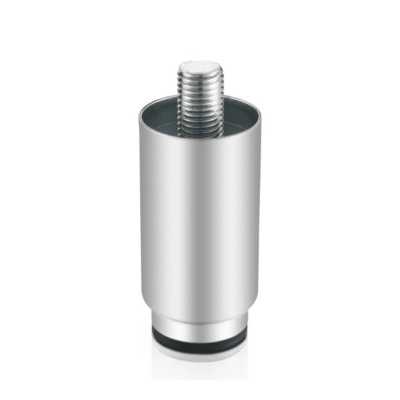
Kitchens are tough environments. Heat, moisture, heavy use—they all take a toll. Durability is a standout feature of leveling feet. Built from rust-resistant stainless steel, they hold up where others fail.
Materials That Last
Stainless steel fights off corrosion from steam and spills. In a bakery kitchen, where humidity spikes, these feet don’t warp or weaken. They handle loads up to hundreds of pounds without buckling. It’s built to endure.
Long-Term Savings
Sure, upfront cost exists. But think ahead. Fewer replacements mean money saved. Equipment lasts longer when stable, cutting repair bills. One cafe owner swapped to adjustable feet and saw machine life extend by years. Short-term fix? No. Long-haul reliability.
-
Rust-proof: Ideal for wet areas.
-
Heavy-load ready: Supports big appliances.
-
Low maintenance: Wipe clean, no fuss.
Durability builds trust. In commercial settings, where downtime hurts profits, these feet keep things running strong.
The Fourth Benefit: Easy Installation for Quick Setups
Time is money in kitchens. You can’t afford hours fiddling with bases. Easy installation makes leveling feet a winner. Most snap on or screw in fast, getting you back to business.
Step-by-Step Simplicity
Attach to the equipment base, twist to level, lock in place. Done. No expert needed. In a new restaurant opening, this speeds up the whole process. Staff can handle it between shifts.
Flexibility for Changes
Kitchens evolve. Rearrange for a new menu? Adjustable feet make moves easy. No ripping up floors or buying new gear. Just readjust. This adaptability fits the dynamic world of foodservice.
Imagine setting up a pop-up event kitchen. Quick install means you’re cooking sooner. It’s practical, cuts stress, and lets focus stay on food.
The Fifth Benefit: Versatile Applications Across Kitchen Equipment
One size doesn’t fit all, but versatility comes close. Leveling feet work on a range of gear, from counters to cookers. This makes them the best choice for equipment stability in varied setups.
Fitting Different Appliances
Freezers in cold storage? Check. Ovens in hot zones? Yes. They adjust to any height need, stabilizing diverse machines. In a large catering hall, this unifies the whole floor plan.
Supporting Specialized Needs
For food prep areas near manufacturing lines, they handle uneven industrial floors. Versatile means fewer types of supports to stock. Streamlines inventory.
-
Broad use: From steamers to ice makers.
-
Space savers: Allow tighter layouts.
-
Adaptable heights: Fit any kitchen design.
Versatility shines in mixed environments. It supports growth, letting kitchens expand without stability worries.
Meet Foshan Simple Technology Co. Ltd: Your Go-To Leveling Feet Supplier
Running a commercial kitchen? You need reliable partners. Foshan Simple Technology Co. Ltd steps up as a key supplier of leveling feet. Based in China, they export to over 100 countries, covering Europe, the Middle East, Americas, and Southeast Asia. Their team includes dozens in sales and hundreds in production, all pros in kitchen hardware.
The factory covers 10,000 square meters with advanced lines for quality output. They focus on custom solutions, ensuring feet meet your exact needs. High standards in materials and service make them stand out. Whether you’re outfitting a new space or upgrading old gear, their expertise helps build stable, efficient kitchens. It’s about partnership, not just products.
Conclusion
Wrapping it up, the five key benefits of leveling feet (adjustable feet) make them the best choice for equipment stability in commercial kitchens. From precision tweaks to tough durability, they handle the daily grind. Easy to install and versatile, they fit right in. Enhanced stability tops it off, keeping teams safe and ops smooth. Investing here boosts your setup’s longevity and performance. It’s a smart move for any kitchen pro aiming to stay ahead.
FAQs
What are the five key benefits of leveling feet (adjustable feet) in a commercial kitchen?
The five key benefits include precision adjustment for uneven floors, enhanced stability to cut accidents, durability against heat and moisture, easy installation for fast setups, and versatile applications across various equipment. These make them the best choice for equipment stability, helping kitchens run better day in and day out.
Why choose leveling feet (adjustable feet) over other supports for equipment stability?
They stand out because they adjust precisely and hold firm under heavy use. In busy spots, this prevents shifts and vibrations. Plus, their stainless steel build lasts longer in wet environments. Overall, they’re the best choice for equipment stability when you want reliability without constant fixes.
How do leveling feet (adjustable feet) improve safety in commercial kitchens?
By locking equipment in place, they reduce wobbling on slick floors. This lowers slip risks during rushes. Their strong grip handles vibrations from appliances like mixers. In short, they’re the best choice for equipment stability to keep your team secure.
Can leveling feet (adjustable feet) fit all types of kitchen gear?
Yes, their versatility lets them work on ovens, freezers, counters, and more. Adjust heights as needed for any setup. This flexibility makes them the best choice for equipment stability in diverse commercial spaces.
