


5 Days a week from 8:30 am to 5:30 pm

How Nano Filtration Works in Commercial Kitchen Grease Control
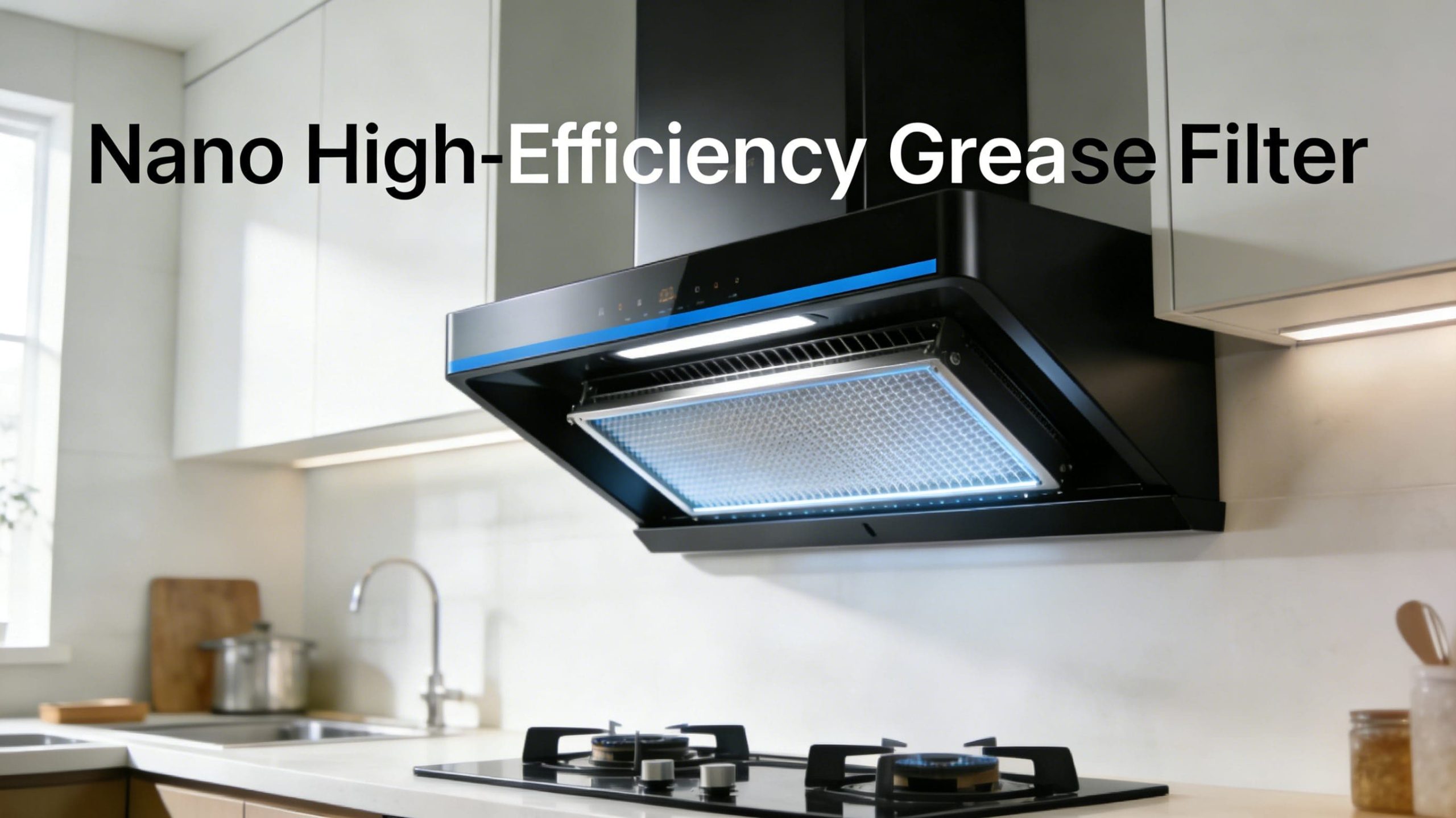
Commercial kitchens work for many hours. They face strong heat and big cooking jobs. They follow tough safety rules. Here, how well a grease filter works matters a lot. It changes air quality and fire danger. It also affects how long gear lasts and how much work cleaning takes. A nano filtration setup in a commercial kitchen grease filter aims to handle this mess at a much smaller scale than old styles. Grasping the facts behind nano filtration shows why it grabs stuff better. It also explains why ducts farther on stay less dirty.
From Visible Grease to Microscopic Oil Mist
Grease in a commercial kitchen is not just big drops. When oil gets hot, it splits into bits of all sizes. Some drops are heavy. They are simple to trap. Others are very tiny. They hang in the air current.
A basic baffle filter mostly goes after bigger drops. It does this with quick turns in air flow. Smaller bits often ride the air and slip by. Nano filtration fixes this hole. It pays attention to how super small oil bits act when they hit special made surfaces.
What “Nano” Means in a Grease Filter
The word nano filtration in commercial kitchen air setups does not mean a basic thin net. It ties to top builds and layers made at a tiny size. These tops change how oil bits hold on, stretch out, and run off.
Rather than just using pull from earth and hits, a nano grease filter uses small bumpy metal tops. These boost touch between flying oil and the filter stuff. When a small oil bit hits the top, it has a better shot to stick. Then it mixes with other drops. This makes bigger blobs that can drip away.
This way straight up boosts how well grease gets caught. It does not need a jammed pack build that would stop air flow.
The Role of Surface Energy in Grease Capture
To get why nano filtration does better, it helps to check surface power. Oil drops in warm air like to either jump off or spread on a top. This depends on the top’s small traits.
Old smooth metal tops let some thin drops bounce back into the air. Nano built tops shift this meet up. Their small scale bumps raise the odds that a drop stays put long enough to link with others.
Once drops join, their heaviness grows. Pull from earth and air flow then lead them into run off spots. This is one of the main fact based reasons why nano high-efficiency grease filters grab smaller bits more well in a commercial kitchen hood system.
Airflow Path and Multi-Stage Separation
Nano filtration does not swap out basic split ways. It teams up with them. Inside a commercial kitchen hood filter, air still gets pushed through a few path turns. Bigger bits split first because of their speed keep.
Thinner bits that tag the air flow then meet nano made tops.
This sets up a step by step oil pull out way. Big bits get taken by hit and speed keep. Middle and thin bits get caught by better top hold. All together, these ways lift full filter work. They keep air push back at a okay level.
Steady air flow matters a ton in commercial kitchens. If push back is too much, fumes and warmth leak into the room. Nano grease filters get made to mix thin bit grab with even vent work.
How Nano Filtration Affects Duct Contamination
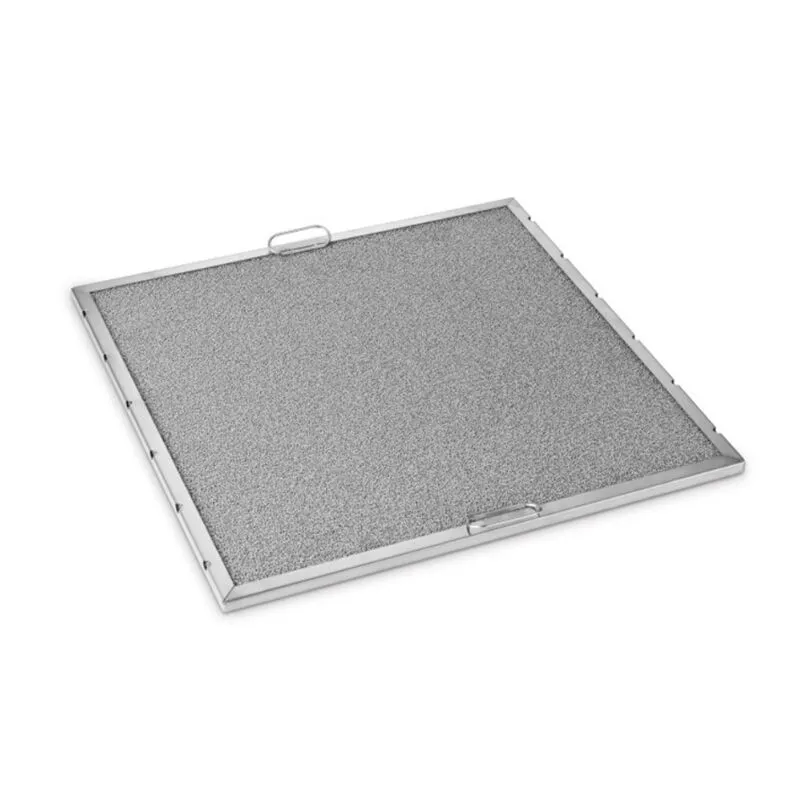
When thin oil bits go past a filter, they do not vanish. They move into ducts, blow out fans, and roof gear. Over days, these spots get thick oil coats. Those are hard and costly to wipe.
By boosting thin bit grab, nano filtration cuts the oil amount that hits these later parts. The facts are clear. Fewer bits in the air after the filter mean slower pile up on duct sides.
This cut helps better safety from fire in commercial kitchen air setups. Oil inside ducts is a key burn stuff in vent fires. Slowing its pile lowers full danger. It also backs longer waits between big duct wipes.
Temperature, Grease Behavior, and Filtration
Oil acts different at varied heats. In strong heat cooking, oil steam goes up fast. It starts to cool as it shifts from the cook spot. As it cools, it turns into drops of mixed sizes.
Nano filtration works well in this change area. The small built top pushes set drops to stay instead of jump back into air. This matters a lot in heavy deep fry jobs. There, a big bunch of thin oil fog gets made each hour.
In such spots, boosting grease grab at the hood has a straight hit on full kitchen air clean.
Material Structure and Durability
A nano grease filter for commercial kitchens often comes from food safe steel with a special treat top. The stuff must deal with lots of touch to hot oil, steam, and tough soaps.
The nano size build is not a weak layer that rinses off easy. It gets made to stay firm through many wipe rounds. This last power is key. Commercial kitchen grease filters get pulled out, washed, and put back a lot.
Even top work over time means filter grab does not fall fast as the filter gets old.
Maintenance and Cleaning from a Scientific View
From a upkeep side, nano filtration also changes how oil leaves the filter. Drops mix and run off more well during run. So thick coats build slow.
When the filter gets washed, water and soap can pull off left oil more smooth. This cuts need for hard scrapes. In active commercial kitchens, this means shorter wipe times. It also means less rub on the filter build.
Less upkeep push helps better follow of wipe plans. This guards the air setup more.
Why Nano Filtration Outperforms Simple Fine Mesh
Some folks might think a super thin net would do the same. But jammed net can block quick in a high oil commercial kitchen. Air flow drops. The hood can not grab fumes well.
Nano filtration takes another path. It does not lean on real block of bits with small holes. Instead, it uses top facts to grab bits while holding air path pretty open. This mix of grab and flow is a main plus in tough kitchen spots.
Application in High-Output Commercial Kitchens
In big eat spots, hotels, and school kitchens, gear runs for long stretches. Deep fryers, grill burners, and strong heat stoves make steady oil fog. Under these setups, a commercial kitchen grease filter must work sure over long times.
Nano high-efficiency grease filters fit well for these heavy jobs. Their skill to grab thin oil bits helps shield blow out fans. It cuts duct wipe times. It also backs even air flow during busy cook hours.
About Foshan Simple Technology Co., Ltd
Foshan Simple Technology Co., Ltd is a professional supplier of commercial kitchen grease filters with over fifteen years of manufacturing experience. The company focuses on stainless steel filtration products for kitchen ventilation systems and supports both OEM and ODM projects. With an established production system, dedicated research and development capabilities, and a strong quality control process, the company serves customers across multiple international markets. Its product range includes high-efficiency grease filtration solutions designed for demanding commercial kitchen environments.
Conclusion
Nano filtration in commercial kitchen grease filters rests on top facts, air flow rule, and step by step bit split. By boosting how thin oil drops hold and run off, this tech raises filter work without cutting vent run. The outcome is less dirty ducts, lower fire danger, and less upkeep load in busy kitchens. For jobs that count on firm and clean blow out setups, getting the facts behind nano filtration makes clear why it beats old ways.
FAQs
What particles can a nano grease filter capture in a commercial kitchen hood?
A nano grease filter gets made to grab both bigger oil drops and thin oil fog from deep fry and grill. Its top build boosts hold of small bits that often slip through basic filters.
Does nano filtration affect airflow in a commercial kitchen ventilation system?
Nano filtration gets built to hold steady air flow while boosting grease grab. It pays attention to top meet rather than block air with super tight net. This helps keep vent run even.
Is nano filtration only useful in heavy-duty kitchens?
While all commercial kitchens gain from better oil rule, nano filtration shows the biggest plus in busy kitchens with lots of deep fry or grill. There, big amounts of thin oil bits get made.
How does nano filtration help reduce duct cleaning frequency?
By grabbing more thin oil bits at the hood, nano filtration cuts oil that gets into the duct setup. This slows pile up. It backs longer waits between big duct wipe jobs.
