


5 Days a week from 8:30 am to 5:30 pm

How Often to Replace Range Hood Filters in Commercial Kitchens
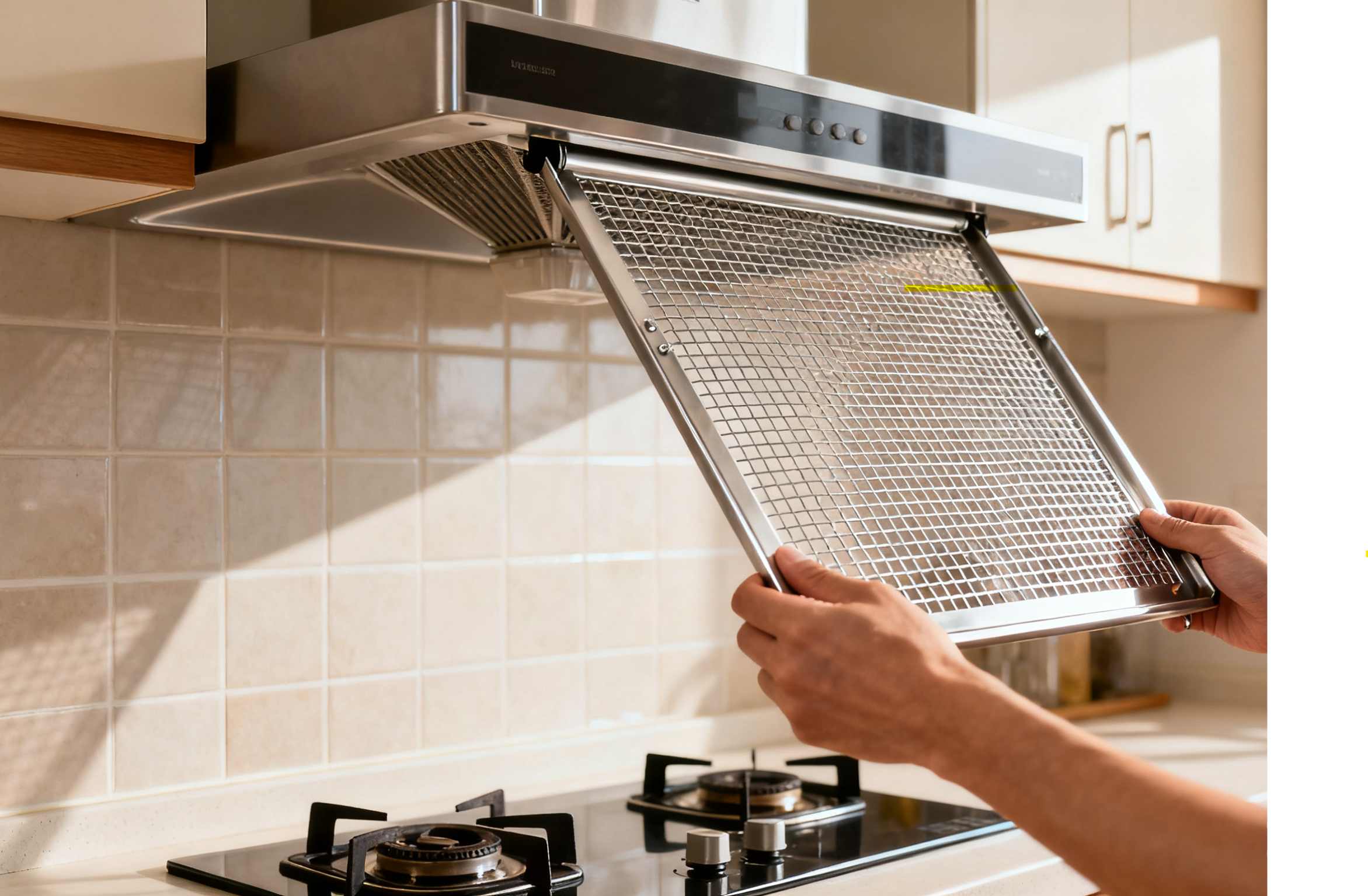
Running a commercial kitchen involves constant cooking. Smoke, grease, and smells build up fast. Range hood filters trap grease before it clogs the exhaust. Without them working well, fires can start. Air quality drops too. Even health checks might shut you down.
Picture a packed restaurant at dinner time. Fries sizzle. Burgers grill. Grease piles up quickly. Good filters keep things safe and steady. But how often should you swap them? It varies. Cooking volume and food type matter. Let’s dive into the details.
Understanding Range Hood Filters for Commercial Use
Filters differ in commercial kitchens. Some use strong stainless steel baffles. They catch grease with a clever design. Others rely on mesh or newer materials for better results.
Stainless steel holds up best. It handles heat and rust well. Mesh filters need more attention but let air flow easily. The choice depends on your needs. All aim to pull grease from the air.
How Filters Work in High-Volume Settings
Filters sit inside the hood. They suck in vapors from cooking below. Grease sticks as air moves through. In busy kitchens, this happens fast. Frying or grilling speeds it up.
When filters clog, airflow weakens. More grease escapes into ducts. That raises fire risks. Fresh filters keep everything running smoothly. They also help with fresh air, which benefits staff and guests.
Watch for trouble early. These clues show up in daily work.
- Thick Grease Layers: Look closely. Heavy buildup means a swap is due. Don’t wait for leaks.
- Odd Smells or Smoke: Filters should control odors. If they don’t, grease is slipping through.
- Higher Power Bills: Clogged filters make fans work harder. Costs go up.
In a busy kitchen, these signs appear soon. Ignoring them leads to bigger problems.
When to Check and Clean Before Swapping
Cleaning helps stretch filter life. Wash stainless steel ones weekly with warm water and soap. It clears surface grease safely. But cleaning has limits. Deep clogging needs a full replacement.
Set a routine. Busy kitchens might clean daily. Slower ones can do it weekly. Keep a simple log to track it.
Factors Influencing Replacement Frequency
No fixed rule fits all. Several things affect how often range hood filters should be replaced.
Kitchen Volume and Cooking Style
Busy kitchens need more frequent changes. Compare a fry-heavy spot to a salad bar. Frying pumps out lots of grease, shortening filter life.
- Places with deep fryers: Switch every 3-6 months.
- Grilling spots: Change every 6-8 months.
- Light cooking like steaming: Last up to 12 months.
Match the schedule to your menu. More oil means faster swaps.
Local Rules and Safety Standards
Health laws differ by location. Some require checks every few months. Fire safety often demands clean systems.
Look up local rules. In many U.S. areas, NFPA guidelines apply. They push for regular care to avoid fires. Following them keeps your business open.
Filter Material and Quality
Stronger materials last longer. Stainless steel resists heat and grease well. Cheaper types wear out fast.
Spend on good ones. They cost more at first but save money later. Better filters catch more grease, helping the whole system last.
Recommended Replacement Schedules
Here’s a basic guide based on industry tips. Adjust it for your kitchen.
|
Kitchen Type |
Cooking Level |
Swap Time |
|
Fast Food |
High (frying, grilling) |
Every 3-6 months |
|
Full-Service Restaurant |
Medium (mixed cooking) |
Every 6-8 months |
|
Hotel Kitchen |
Varies (busy times) |
Every 4-7 months |
|
Cafeteria |
Low (steaming, baking) |
Every 8-12 months |
These are starting points. Watch your filters closely. A busy burger place might hit the short end. A quiet cafe can stretch it out.
Planning for Busy Seasons
Business jumps during holidays or events. More cooking wears filters faster. Get ready early—keep extras and change sooner during peaks.
Note your busy times. If summer brings more grills, shorten the schedule then. It keeps things steady all year.
Benefits of Timely Filter Changes
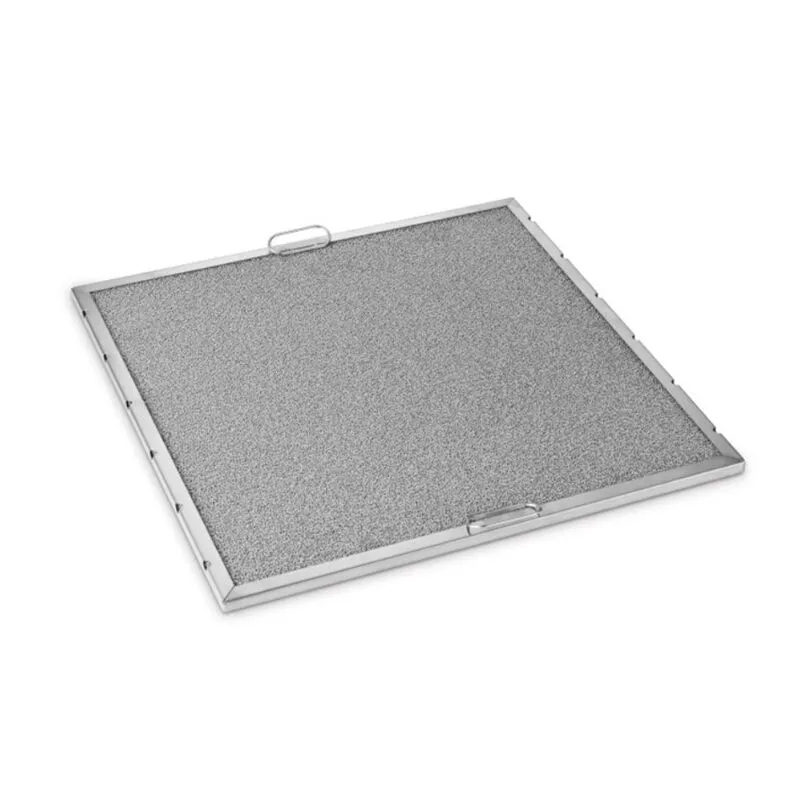
Swapping filters on time brings big wins. Fresh ones improve air quality. Smoke and smells fade. Staff feel better and work better.
Safety improves too. Clean filters lower fire chances by keeping grease out of ducts. It meets rules and avoids fines.
You save on power too. Good filters let fans run easier, cutting costs. Over time, that adds up. It also extends hood life. Less buildup means fewer fixes.
Impact on Kitchen Flow and Team Health
Clogged filters slow things down. Smoke clouds focus and raises risks. New filters clear the air, lifting spirits.
Good airflow cuts breathing issues. Happy teams stay longer, cutting turnover.
Choosing the Right Filters for Your Kitchen
Pick filters that fit your setup. Check the hood size first. Material matters—stainless steel works for most pro kitchens.
Look for easy-clean designs. Handles make swaps simple. High-efficiency types catch more grease, stretching use time.
Think about custom fits. Some kitchens need odd shapes or sizes. They ensure a snug fit and better work.
Simple Installation Tips
Slide them in carefully. Make sure they sit tight. Test the airflow after.
Teach staff the basics. Quick looks during shifts catch problems early.
Maintenance Best Practices
Wipe them daily to keep surfaces clear. Do a deep clean weekly to remove tough grease.
Use gentle cleaners—no harsh stuff that hurts metal. Dry them fully before putting back.
Keep a log. Note dates, who did it, and what you saw. It helps spot trends.
Tools and Supplies to Have
- Gloves for greasy hands.
- Buckets for soaking.
- Brushes for scrubbing.
- Extra filters on hand.
Stock up. Running out during a rush is a headache.
Cost Tips and Savings
New filters cost money. But skipping them costs more. Include labor and downtime if something breaks.
Buy in bulk to lower prices. Good filters last longer, so you change them less.
Figure the payoff. Better filters save on power, prevent fires, and please inspectors.
Common Mistakes to Skip
Don’t wait for trouble. Changing early stops big issues.
Skipping cleans wears them out fast. Grease hardens, making it harder to clean.
Wrong sizes cause gaps. Always check the fit.
Missing signs leads to high bills. Stay alert.
Introducing Foshan Simple Technology Co. Ltd.
As a trusted supplier of range hood filters, Foshan Simple Technology Co. Ltd. brings years of know-how to commercial kitchens worldwide. Based in Foshan, the company focuses on tough stainless steel options that handle daily use. With a dedicated team pushing new ideas and great service, they ship to over 100 countries. They’ve earned praise for smart, reliable products. Their focus on quality checks and smart production offers filters that fit well and perform strongly.
Wrapping Up
Keeping up with range hood filter changes keeps your commercial kitchen safe and smooth. Look for signs, follow a plan that fits your work, and pick solid materials. It protects your team, gear, and profits. Small efforts like regular checks make a real difference over time.
FAQs
How often do range hood filters need to be replaced in a busy commercial kitchen?
In places with lots of frying or grilling, swap them every 3-6 months. It keeps grease in check and airflow strong.
What decides how often range hood filters should be replaced?
Cooking style, how busy you are, and local rules matter. Heavy grease from frying means sooner changes. Lighter cooking can wait longer.
Can cleaning stretch the time before range hood filters are replaced?
Yes, regular washing clears buildup and can delay swaps a bit. But once they slow down, a full change is safer.
Why is it key to replace range hood filters on time in commercial spots?
Timely swaps cut fire risks, lift air quality, and save power. They also meet health rules and keep work flowing.
Where can I get solid range hood filters for my commercial kitchen?
Look for suppliers like Foshan Simple Technology Co. Ltd., who offer tough stainless steel options built for pro use. Check their product center for good fits.
