


5 Days a week from 8:30 am to 5:30 pm

Quality Kitchen Hood Filters: Long-Term Savings for Commercial Kitchens
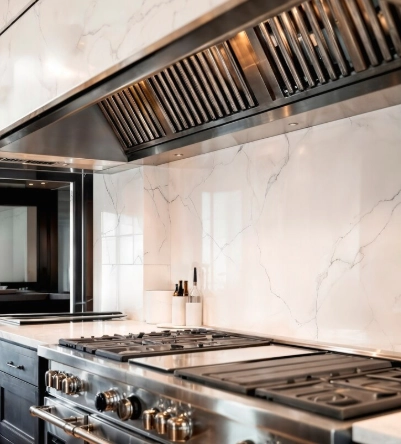
Running a busy restaurant means dealing with constant grease and smoke. Many operators overlook how quality kitchen hood filters play a key role in keeping costs down over time. These components trap fats and particles before they clog systems. For more on reliable options, check out our grease filter category and explore the full range at Foshan Simple Technology Co.Ltd.
The Role of Hood Filters in Commercial Kitchens
In high-volume food service spots, hood filters stand as the first defense against airborne grease. They pull in vapors from fryers and grills, stopping buildup in ducts. Without solid filters, kitchens face higher risks and bills.
This setup matters most during peak hours. Grease collects fast in places like burger joints or pizza shops. Good filters handle the load, while cheap ones fail quick.
Common Types of Commercial Hood Filters
Several designs fit different needs. Baffle types use layered metal to spin air and catch grease. Mesh versions offer basic capture but need frequent swaps. Flame barriers add fire protection layers.
Each type suits specific cooking styles. For example, high-heat operations benefit from sturdy builds that resist warping.
Filters vary in materials too. Stainless steel holds up against corrosion and heat. It lasts longer in steamy environments. Aluminum might cost less upfront but bends easy under pressure.
Cutting Energy Costs with Better Filters
Clogged filters force fans to work harder. This spikes power use. Studies show dirty systems can raise energy demands by up to 20 percent. In a mid-size eatery, that adds hundreds to monthly bills.
Commercial kitchen exhaust filters designed for efficiency maintain steady airflow. They reduce strain on motors and cut runtime. Over a year, savings stack up.
Picture a diner open 12 hours daily. With top-notch filters, the ventilation pulls less electricity. Fans spin smoother, and the whole system stays balanced.
Real Impacts on Utility Bills
Energy waste hits hard in commercial spaces. Poor filters let grease slip through, coating coils and blades. Cleaning crews charge extra to fix that mess.
A table below compares scenarios:
| Aspect | Cheap Filters | Quality Filters |
|---|---|---|
| Energy Use Increase | Up to 20% from clogs | Minimal, steady flow |
| Annual Utility Savings | None | $500-$1,000 per kitchen |
| Fan Lifespan | 2-3 years | 5+ years |
These numbers come from industry reports on ventilation performance. Better airflow means lower kilowatt hours logged.
Operators notice the difference quick. Less power drawn during rushes keeps overhead low.
Easier Maintenance Means Fewer Headaches
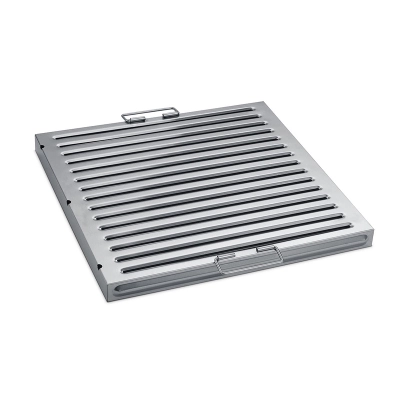
Cleaning takes time in any kitchen. Grease filter maintenance for low-end models involves scrubbing stuck-on grime. It wears out staff and uses more supplies.
High-grade filters shed grease easier. Their smooth surfaces rinse clean with hot water and mild soap. No harsh chemicals needed.
In a chain restaurant, weekly cleanings add up. Quality pieces cut that time in half. Crews spend minutes, not hours.
This shift frees workers for other tasks. It also drops injury risks from handling sharp, dirty edges.
Steps for Effective Filter Care
Follow a simple routine to extend life:
-
Remove filters after shifts.
-
Soak in warm, soapy water for 10 minutes.
-
Rinse thoroughly and air dry.
-
Inspect for damage before reinstalling.
Such habits prevent breakdowns. They keep compliance checks smooth too.
Protecting Equipment and Avoiding Repairs
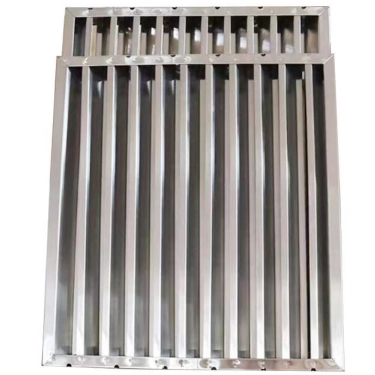
Grease buildup wrecks fans and ducts. It leads to costly fixes. Stainless steel baffle filters block particles at the source. They shield downstream parts from harm.
Without protection, motors overheat and fail. Replacement parts run into thousands. Duct cleaning services bill even more.
Consider a restaurant with frequent deep-frying. Solid filters trap oils, so vents stay clear. No emergency calls to techs.
Fire risks drop too. Grease fuels flames fast. Quality designs meet safety codes like NFPA 96. They contain sparks and limit spread.
Insurers favor compliant setups. Lower premiums follow. One kitchen fire can shut doors for weeks, losing revenue.
Longevity and Replacement Cycles
Cheap filters warp after months. They need swapping often. Quality ones endure years of heat and moisture.
In heavy-use spots, this means fewer purchases. Bulk orders cut costs further.
Track wear with visual checks. Bent frames or holes signal time for new ones.
Boosting Overall Kitchen Efficiency
Smooth ventilation improves air quality. Staff breathe easier, staying productive. Customers enjoy fresher spaces too.
Restaurant exhaust system savings come from balanced operations. No hot spots or cold drafts disrupt workflow.
Energy-efficient filters tie into green practices. They reduce waste and support sustainability goals.
Kitchens run cooler overall. This eases strain on AC units, trimming more from bills.
Introducing Foshan Simple Technology Co. Ltd
Foshan Simple Technology Co. Ltd stands out as a trusted supplier of kitchen hood filters. With over 15 years in the field, the company focuses on high-grade materials for commercial use. Their team handles everything from raw steel sourcing to final assembly, ensuring durable products that meet global standards. Exports reach Europe, the Americas, and Asia, backed by a skilled workforce and ongoing tech improvements. Recognized as a technology-based SME for two years running, they deliver reliable solutions for busy kitchens.
Conclusion
Investing in quality kitchen hood filters pays off through lower energy use, simpler upkeep, and fewer repairs. Commercial operators see real returns over time. These components keep systems running smooth and safe. For lasting value, choose builds that handle daily demands. Ready to upgrade? Browse our product center or learn more about our strengths at company advantage.
FAQs
How do quality kitchen hood filters save you money in the long run?
They cut energy bills by maintaining airflow and reduce repair needs by protecting vents. Over years, this adds up to big savings in commercial settings.
What makes stainless steel grease filters better for restaurants?
Stainless steel resists rust and heat, lasting longer than other materials. It handles heavy grease loads without warping, keeping maintenance low.
How often should commercial hood filter cleaning happen?
Aim for weekly rinses in busy kitchens. Deep cleans monthly prevent clogs and ensure peak performance.
Can baffle filters for commercial kitchens prevent fires?
Yes, they trap grease and meet fire codes, reducing risks. This avoids costly shutdowns and insurance hikes.
Why choose durable kitchen exhaust filters over cheap ones?
Durable options last longer, need fewer replacements, and support efficient operations. They deliver steady savings through better system health.
