


5 Days a week from 8:30 am to 5:30 pm

Range Hood Filter Care in Commercial Kitchens: A Guide to Safety and Clean Air
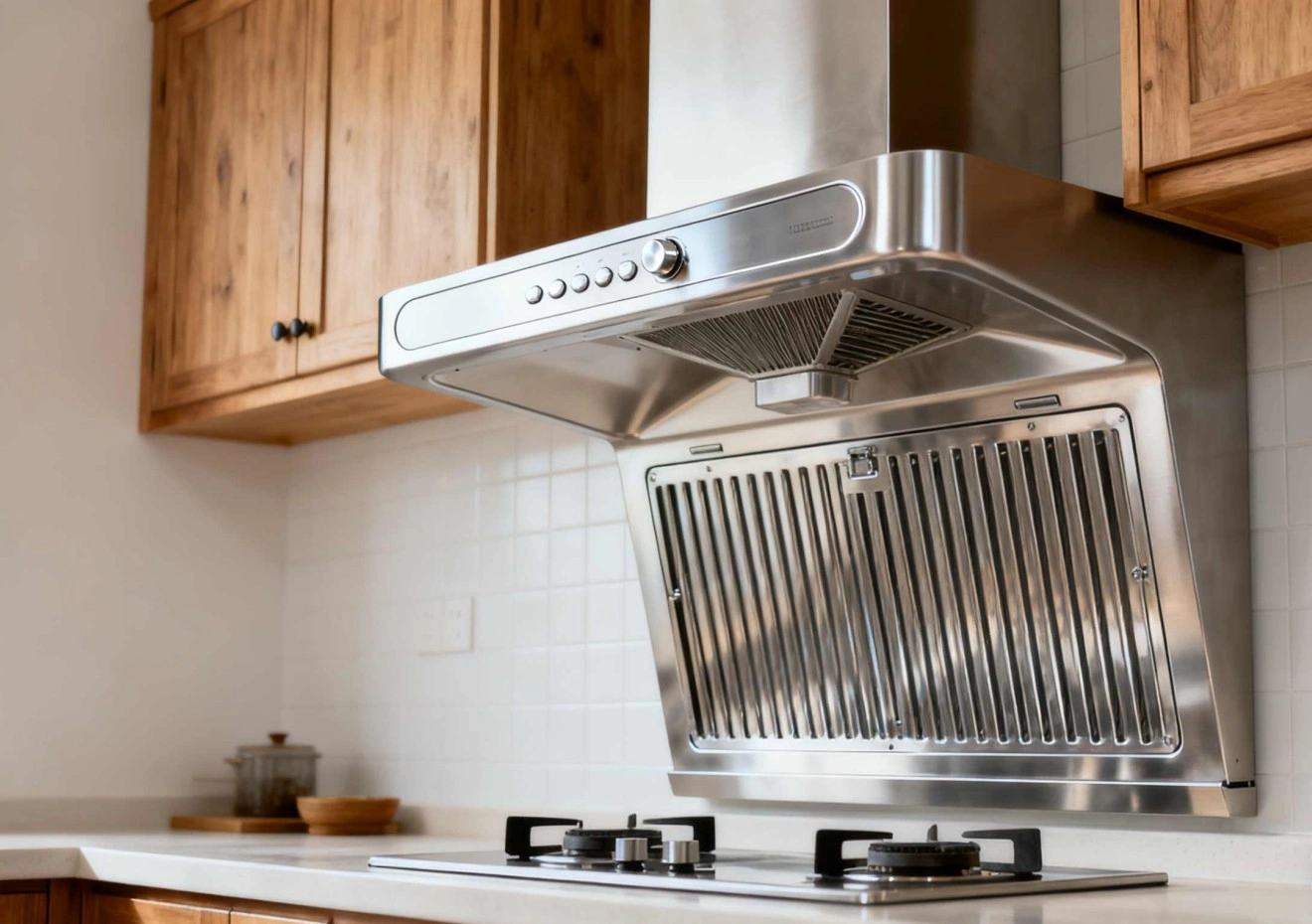
In bustling commercial kitchens, where stoves roar and pots clatter all day, keeping everything in check is key. Cooks and managers handle a flood of orders, tight deadlines, and a constant drive for tasty dishes. Yet, one small piece often gets overlooked: the range hood filter. This handy tool catches grease, smoke, and bits before they clog the system or, worse, start a fire. Ignore it, and you might face costly repairs or dangerous moments. Take care of it, though, and you’ll enjoy better air, lower costs, and a safer space for your crew.
This guide walks you through range hood filter basics. We’ll explain why it matters in busy commercial spots, how to catch problems early, and easy steps to keep your kitchen hood filter working well. Whether you run a lively diner or a hotel kitchen, these tips will help you stay on top. Let’s dive in, step by step, so you can focus on serving great food.
Why Range Hood Filters Matter in Commercial Kitchens
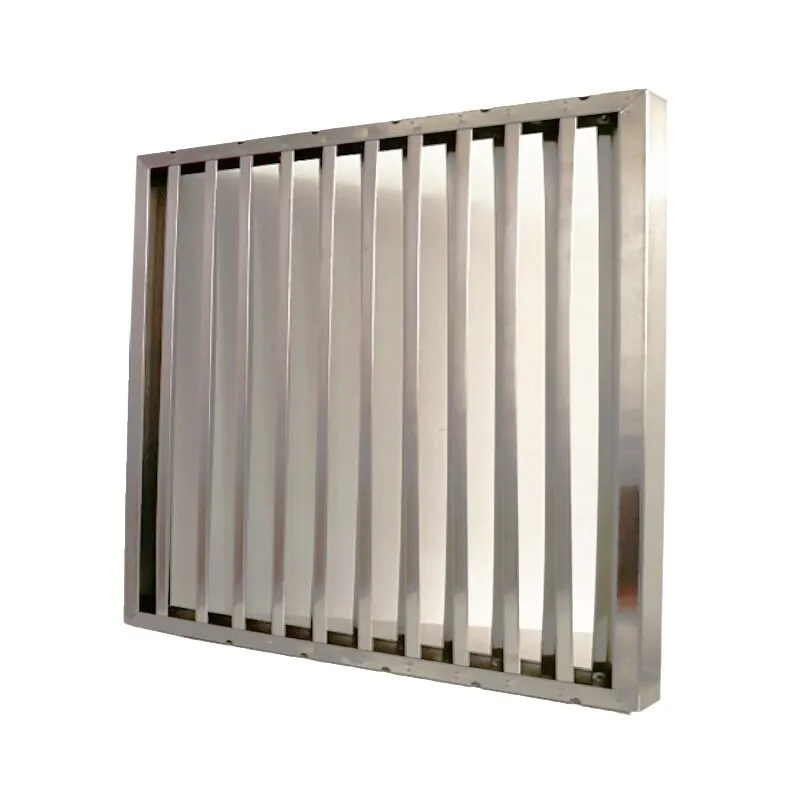
Commercial kitchens differ from home ones. Here, hoods suck in huge amounts of air filled with oil drops from fryers, burnt marks from griddles, and steam from boiling pots. A sturdy kitchen range hood filter grabs those greasy bits right away. It stops them from moving deeper into your ducts.
Consider this. Without a good filter, grease piles up fast. A busy shift can produce pounds of it. That mess doesn’t just slow the air. It creates a sticky layer that fans have to push against. Soon, your hood struggles to vent. Smoke hangs around. Smells linger. And in bad cases, it becomes a fire hazard. Reports from safety experts show grease fires hit commercial places hard every year. A clean filter changes that risk.
It also lifts air quality. Trapped particles mean less dust floating back into the room. Your team breathes easier. Guests notice fresher air, too—no oily smells in the dining area. Plus, smooth filtration helps the system run better. Fans use less power. Bills go down. Over time, that saves money.
In short, a well-kept kitchen hood filter isn’t just equipment. It’s a smart choice that protects your business, your people, and your wallet.
The Hidden Costs of Skipping Filter Checks
You might think, “It’s only a screen—how much trouble can it cause?” But in commercial kitchens, small mistakes grow big. A clogged range hood filter makes your exhaust fan work harder. That raises noise and wears out motors. Before you know it, you’re calling for repairs that could have waited.
Air quality suffers, too. Dirty air loops back with particles that irritate eyes and throats. Your cooks feel tired. Staff might leave. And health checks—inspectors spot dirty hoods fast. Fines follow. A quick look could avoid all that.
Spotting the Signs Your Filter Needs Attention
Filters don’t shout when they’re struggling. But your kitchen gives hints if you pay attention. Start simple. Is your hood louder than usual? That hum means air can’t flow freely. Take a peek inside. If the filter looks coated with a thick, waxy layer, it’s overdue for a clean.
Smells are a clear sign. Fresh grease scents fade quickly in a good vent. If fry odors stick around hours later, your kitchen range hood filter might be full. Steam buildup hints at the same issue—hoods should clear it fast, not let it gather.
Look closely. Yellowish stains or dark spots show grease overload. In hot zones like over fryers, filters can bend if neglected. Touch it. Does it feel oily to hold? That’s your signal.
For busy ops, track your schedule. Busy dinner rushes fill filters quicker. A filter in a round-the-clock cafe wears out faster than one in a lunch spot. Keep a log of cleanings to stay ahead.
Quick Daily Inspection Checklist
Make filter checks part of your end-of-day routine. It takes a few minutes but saves time later. Here’s a simple list:
- Wipe test:Run a paper towel over it. Oily marks? Clean it now.
- Airflow check:Hold a tissue near the hood. It should move steadily. Weak pull means a block.
- Visual look:Check for uneven grease patches or bent edges.
- Smell test:Sniff the exhaust. Lingering odors? Act soon.
Catch these early, and you’ll avoid surprises.
Step-by-Step Guide to Cleaning Your Kitchen Hood Filter
Cleaning beats replacing, especially when you watch costs in commercial kitchens. Most range hood filters clean up with basic tools and effort. Plan for a deep clean weekly, plus quick wipes during busy times. Let’s go through it.
First, turn off the power. Switch the breaker to the hood system. Safety comes first—no live wires near water. Take out the filter. Many slide out on tracks or unclip easily. If it sticks, a gentle twist helps. Lay it flat in a sink or tub.
Soak it. Warm water with dish soap breaks down grease well. For stubborn buildup, add a grease cleaner. Let it sit for 15-30 minutes. Scrub lightly. Use a soft brush or sponge—nothing rough that scratches metal. Rinse under running water. Shake off extra water, then air dry on a rack. Pat dry with a towel if you’re in a hurry, but full drying stops drips.
Put it back once it’s cool. Slide it in, secure clips, and test the hood. Air should flow strong again.
For stainless steel types, common in pro kitchens, this method keeps them shiny. Avoid strong chemicals—they mark the surface over time.
Tools You’ll Need for Effective Cleaning
Get these ready before starting. It makes the job smoother.
|
Tool/Item |
Why It Helps |
Pro Tip |
|
Dish soap |
Breaks down grease without leftovers |
Pick degreaser types |
|
Soft-bristle brush |
Scrubs corners safely |
Nylon works better than wire |
|
Utility sink/tub |
Keeps mess contained for easy rinse |
Line with plastic for fast dump |
|
Air-drying rack |
Stops water spots on metal |
Use outside if the weather’s nice |
|
Gloves |
Keeps hands clean and safe |
Nitrile handles hot water well |
With this set, cleaning feels routine, not a chore.
Picking the Right Filter for Your Commercial Setup
Not every filter fits every kitchen. Choose one that matches your menu and workload. Baffle-style kitchen hood filters work great in greasy spots like steakhouses. Their curved plates force air to twist, catching drops without slowing much.
Mesh filters fit lighter use, like bakeries with some frying. They grab fine bits but clog faster in oily areas. For best results, pick stainless steel—it’s tough, rust-free, and easy to wipe.
Size matters, too. Measure your hood opening. A small filter strains the system; a big one wastes space. Look for handles or tabs for quick removal. In commercial kitchens, fast swaps during shifts keep things moving.
Upgrade wisely. A filter that catches more grease sends less downstream. That means fewer duct cleanings and longer fan life.
How Proper Maintenance Prevents Fires and Boosts Air Quality
Fires start small in commercial kitchens—a grease spot catches a spark. Range hood filters stop that chain. By grabbing bits early, they keep vents clear. No buildup, no fuel for flames. With regular checks, they lower risks a lot.
Air quality ties in, too. Clean filters mean cleaner exhaust. Less dust escapes into the room. That cuts haze over the line and keeps the dining area welcoming. Healthier air helps cooks focus, reduces sick days, and makes guests stay longer.
Energy benefits follow. Smooth airflow lets fans run easy. Bills drop. And with less grease circling back, your whole kitchen stays cleaner—floors, walls, everything.
Put it all together, and maintenance builds a safer, smarter kitchen. It’s the quiet help that lets your name shine.
Partnering with Foshan Simple Technology Co. Ltd for Reliable Supply
When finding quality kitchen range hood filters, look to trusted makers who know commercial needs. Foshan Simple Technology Co. Ltd stands out as a steady supplier in this field. Based in Foshan, China, they’ve earned a reputation for making tough grease filters from top stainless steel. Their focus? Filters that handle heavy use while keeping safety and ease first.
What makes them special is their care for the work. A skilled R&D team puts know-how into designs that catch grease without trouble. They handle every step—from raw materials to final polish—ensuring pieces that last. Global reach means they serve places from Europe to the Americas, always matching what kitchens need.
Recognized as a “Technology-based SME” for two years running, they keep pushing forward. In November 2024, that honor showed their work in new ideas and quality. For kitchen managers wanting a reliable source, it’s a partner that delivers—strong filters, quick service, and support that fits your pace. Check their online showroom for a sense of the range.
Conclusion: Take Charge of Your Kitchen’s Air Today
To wrap up, range hood filter care isn’t a small task—it’s the heart of a safe, smooth commercial kitchen. From avoiding fire risks to breathing easier, every clean pays off. Start simple: check today, set a routine, and feel the change. Your team, your space, and your success deserve that lift. Ready to improve? Jump into these habits and watch your kitchen grow.
Frequently Asked Questions About Range Hood Filters
How often should I clean a kitchen hood filter in a busy commercial kitchen?
In packed spots, give your range hood filter a quick wipe daily and a full scrub weekly. It keeps grease away and air flowing—easy habit that stops big issues later.
Can a dirty kitchen range hood filter really cause a fire?
Yes, it can. Piled-up grease in a full filter becomes fuel. Regular cleaning catches that mess early, keeping your crew safe during busy times.
What’s the best way to remove tough grease from a range hood filter?
Soak in warm soapy water, then scrub with a soft brush. For sticky spots, a bit of baking soda helps. Rinse well—your stainless steel kitchen hood filter will look fresh again.
Do all commercial kitchens need the same type of range hood filter?
Not really. Baffle types fit greasy grills; mesh works for lighter cooking. Match it to your menu for good grease catch and easy care.
How does a clean range hood filter improve air quality in my kitchen?
It pulls out smoke and bits before they spread. Fresher air means less irritation for staff and a nice feel for diners—a win for everyone.
