


5 Days a week from 8:30 am to 5:30 pm

Stabilize Your Equipment: What in a Commercial Kitchen Needs Leveling Feet
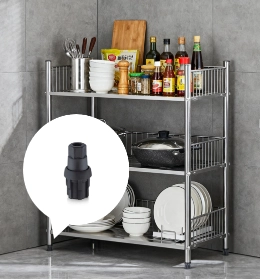
Picture this. It’s rush hour in your busy restaurant kitchen. Pots clang. Steam rises. Chefs dart between stations. Everything moves fast. But one wrong wobble from uneven equipment? Disaster waits. That’s where leveling feet step in. These small powerhouses keep gear steady on any floor.
In this post, we’ll dive into items in a commercial kitchen used with a leveling foot. We’ll cover why they matter. Which pieces pair best. And how they transform daily work. Restaurant owners, kitchen managers, caterers—stick around. You’ll walk away with ideas to make your space safer, cleaner, and smoother.
What Exactly Are Leveling Feet?
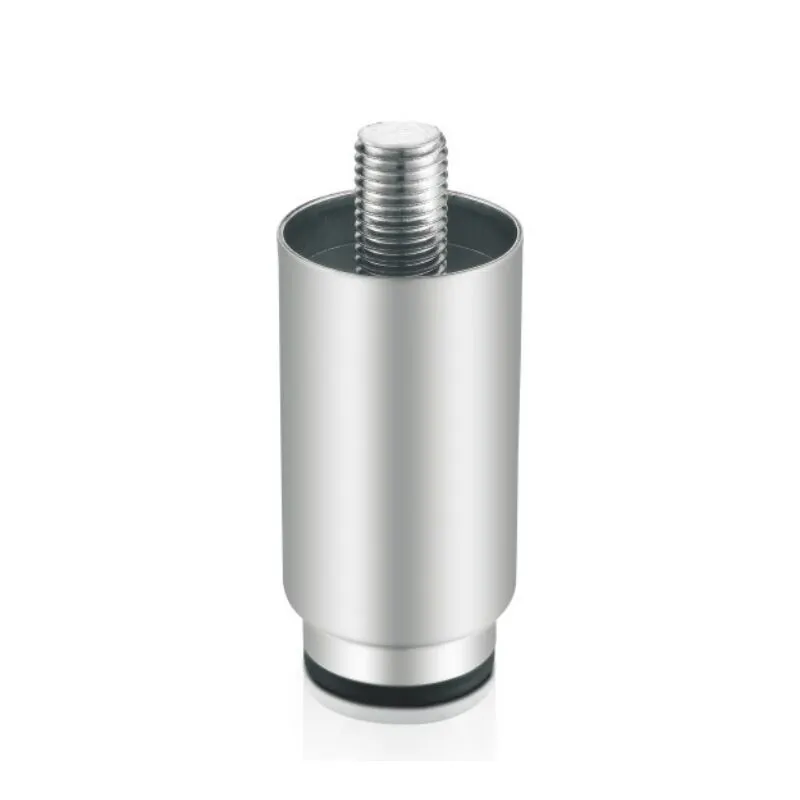
Leveling feet aren’t flashy. They’re practical. Think sturdy bases, often stainless steel, that screw into equipment legs. Twist them to raise or lower. Boom. Perfect balance.
Short sentence for punch: They handle it all.
In commercial kitchens, floors aren’t perfect. Tiles crack. Grout settles. Spills happen. Leveling feet fix that. They grip tight. Absorb shocks from heavy use. Made from tough stuff like stainless steel, they fight rust, heat, and daily grime.
Why bother? Safety first. Steady gear means no slips or tip-overs. Cleaning gets easy—lift an inch, sweep underneath. Long-term? Less wear on machines. Your ovens last longer. Tables stay put.
We’ve seen kitchens cut downtime by half. Just from smart footing choices.
Prime Items in a Commercial Kitchen Used with a Leveling Foot
Not every piece needs them. But the right ones? Game-changers. Here’s a rundown. Focused solely on pro kitchens. No home stuff.
Prep Tables and Workbenches
Start here. Prep tables take the brunt. Chopping veggies. Kneading dough. Rolling out pasta. Loaded with 500 pounds easy.
Leveling feet shine. Uneven floors? No sweat. Adjust on the fly. Keeps blades level for clean cuts. Surface stays flat—no pooling water.
Pro tip: Pair with stainless tops. Feet lock in place. Vibration from mixers nearby? Gone.
Busy lunch prep. Table rocks. Knives slip. Fix it with feet. Steady as a rock.
Refrigeration Units—Fridges and Freezers
Cold storage is king. But walk-ins and undercounters wobble on slopes. Doors won’t seal right. Seals wear out fast.
Enter leveling feet. Dial them in. Doors close tight. Energy bills drop. Food stays fresh longer.
Key perks:
- Precise height tweaks for perfect seals
- Easy slide for cleaning behind
- Handles heavy loads from stocked shelves
One chef shared: “My old fridge leaked air. New feet fixed it overnight.”
Ovens, Ranges, and Cooking Stations
Heat blasts. Grease flies. Floors get slick. Ovens shift from vibration.
Leveling feet anchor them. Keep burners even. Flames stay controlled. No hot spots.
Heavy-duty versions take 1,000+ pounds. Twist to level after installs. Match your hood height just right.
Short and sweet: Steady oven. Better bakes. Happier customers.
Storage Cabinets and Shelving Racks
Pots. Pans. Utensils. All stacked high. Cabinets tip if off-kilter.
Feet prevent that. Adjust for sloped concrete. Doors swing smooth. No banging shut.
Bullet benefits:
- Max load support—stack without worry
- Quick height changes for custom fits
- Rust-proof for steamy environments
Wall-mounted? Feet on bases add extra grip.
Catering Trolleys and Mobile Carts
Need to roll? Some feet pair with wheels. Lock ’em for stability. Roll free for transport.
Trolleys haul trays to buffets. Feet let you nudge height. Match table levels. No spills.
In banquets, this saves hours. Push. Adjust. Serve.
Sinks, Dishwashers, and Wash Stations
Water everywhere. Floors dip. Sinks rock—drain clogs.
Leveling feet seal the deal. Keep plumbing aligned. No leaks. Pumps hum quiet.
Table: Quick Match-Up for Wash Areas
|
Item |
Why Leveling Feet Help |
Load Example |
|
Prep Sinks |
Even drain flow, no backups |
300 lbs |
|
Commercial Dishwashers |
Stable pumps, quiet runs |
800 lbs |
|
Pot Wash Stations |
Grip on wet floors |
600 lbs |
See? Fits like a glove.
Fryers and Deep Fat Equipment
Oil splashes. Heat warps bases. Feet elevate. Keep oil levels even. Safer pours.
Adjust for expansion. No more tilting vats.
Why Every Commercial Kitchen Needs These Pairings
Let’s get real. Benefits stack up.
- Safety Boost: No trips over wobbly legs. OSHA loves it.
- Cleanliness King: Gap underneath? Mop flows free. Health inspectors smile.
- Longevity: Less stress on frames. Replace less often.
- Flexibility: Move stations? Feet adapt fast.
- Cost Savings: Upfront small. Payoff huge.
One operator: “Swapped feet on ten pieces. Saved $2k in repairs yearly.”
Infographic-style list:
- Cut vibration noise.
- Handle daily abuse.
- Fit any floor type.
Deep dive: In high-traffic spots, feet with rubber pads quiet everything. Steel cores take heat up to 500°F.
Simple Install and Care Tips
DIY most. Unscrew old. Thread new. Wrench tight. Level with a bubble tool.
Maintenance? Wipe monthly. Check threads. Lube if sticky.
Pro move: Match material to use. Stainless for wet zones. Heavy base for loaders.
Picking Feet That Fit Your Kitchen
Size matters. Height range: 1-6 inches common. Load: 200-2,000 lbs per foot.
Factors:
- Traffic:High? Go reinforced.
- Mobility:Wheels hybrid.
- Budget:Quality pays back.
Test one station first. See the difference.
Meet Your Trusted Leveling Foot Supplier
Foshan Simple Technology Co. Ltd stands out as a go-to supplier for leveling feet. With a 10,000 m² factory and 80 pros on deck, they craft durable pieces for kitchens worldwide. Exports hit over 100 countries—Europe, Middle East, Americas, Southeast Asia. Top R&D team keeps designs fresh. Customer-first vibe. From heavy-duty legs to wheeled wonders, they nail commercial needs. Quality you can bank on.
Wrapping It Up: Steady Feet, Steady Business
There you have it. Items in a commercial kitchen used with a leveling foot aren’t add-ons. They’re essentials. Prep tables stand firm. Fridges seal tight. Trolleys glide smooth. Your whole operation hums.
Upgrade now. Watch efficiency climb. Customers notice. Your brand shines—reliable, pro, top-tier.
Ready to level up? Check options. Transform that kitchen.
Frequently Asked Questions
What items in a commercial kitchen can be used with a leveling foot?
Plenty! Prep tables, fridges, ovens, cabinets, trolleys, sinks, and fryers top the list. They keep everything balanced and ready for action.
Why add leveling feet to equipment in a commercial kitchen?
Simple. They fix uneven floors, ease cleaning, cut vibrations, and boost safety. Your gear lasts longer, too.
Can leveling feet handle heavy loads in a commercial kitchen?
Absolutely. Models take 500-2,000 pounds each. Perfect for loaded workbenches or full fridges.
Are leveling feet easy to install on kitchen items?
Yes. Screw in, twist to level. Takes minutes per piece. No special tools needed.
Do leveling feet work with wheeled items in a commercial kitchen?
Sure do. Hybrids lock wheels for stability or roll free. Ideal for catering trolleys.
