


5 Days a week from 8:30 am to 5:30 pm

Surprising Insights into Leveling Feet for Commercial Kitchens
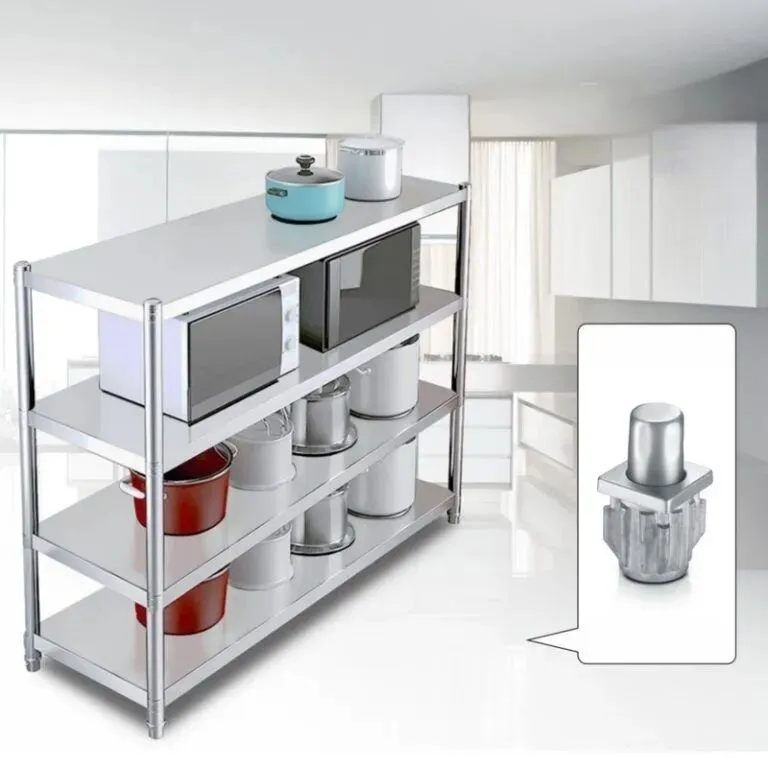
There’s an unsung hero working in silence—one that rarely gets named but holds the power to redefine performance: leveling feet. More than just stabilizers, they are precision instruments for safety, longevity, and hygiene in the heart of every high-volume kitchen. In an environment where every millimeter matters, these unassuming components quietly orchestrate stability, turning shaky setups into seamless workflows.
Understanding the Basics of Leveling Feet
Leveling feet show up under tables, ovens, and fridges in most pro kitchens. They adjust height to keep everything even. But there’s more to them than meets the eye.
How They Work in Daily Kitchen Life
Picture this: a chef rushes across the floor, and the stove stays put. That’s leveling feet at work. They screw into the base of equipment, letting you twist them up or down. This fixes wobbles from uneven tiles or wear over time. In a high-traffic spot like a commercial kitchen, that means fewer spills and safer moves.
Common Types You’ll Find
Not all leveling feet fit every job. Some come with wide bases for extra grip. Others swivel a bit to hug the floor better.
-
Bullet-shaped ones: These slide in easy and hold firm under heavy loads, like a full stock pot rack.
-
Rubber-bottomed versions: They grab slippery surfaces, cutting down on slides during peak hours.
-
All-metal designs: Built tough for spots near steam or heat, where plastic might give out.
Each type suits different setups, from walk-in coolers to prep stations. Chefs often overlook how the right pick can make cleanup quicker too.
The Overlooked Advantages in Commercial Settings
You might think leveling feet just stop tipping. Wrong. They boost the whole operation in ways that add up fast.
Boosting Safety and Workflow
Slips happen in wet kitchens. Leveling feet with non-slip pads cut that risk. They also dampen vibrations from mixers or blenders. Less shake means quieter shifts and steadier hands. One study from kitchen pros shows stable gear can drop accident rates by up to 20%. Think about it—your team moves faster when nothing rocks.
Extending Equipment Life
Heavy use wears down machines. Uneven bases speed that up, stressing joints and motors. Good leveling feet spread weight even, easing the load. In humid spots, corrosion-resistant ones fend off rust. That saves cash on fixes. Many kitchen managers find their ovens last years longer with solid supports.
Here’s a quick look at how materials impact longevity:
| Material | Key Benefit | Best For |
|---|---|---|
| Stainless Steel | Resists water and grime | High-moisture areas |
| Rubber Base | Absorbs shocks | Busy, vibrating spots |
| Plastic Mix | Cheap and light | Low-traffic zones |
Pick based on your kitchen’s pace. It pays off.
Materials and Design: What Makes Them Tick
Dig deeper, and you’ll see why some leveling feet outlast others. It’s all in the build.
Why Stainless Steel Dominates
Steel feet shrug off splashes and steam. In commercial kitchens, where grease flies, this matters. They don’t warp under heat like cheaper options. Plus, they clean up fast—no scrubbing needed. Cooks love that during rush.
The Role of Rubber and Plastics
Rubber adds grip without marks. It flexes a tad, fitting odd floors. Plastic ones cost less and install quick. But mix them right. A rubber-steel combo handles heavy fridges best, staying put even on oily tiles.
Installation and Upkeep: Tips from the Pros
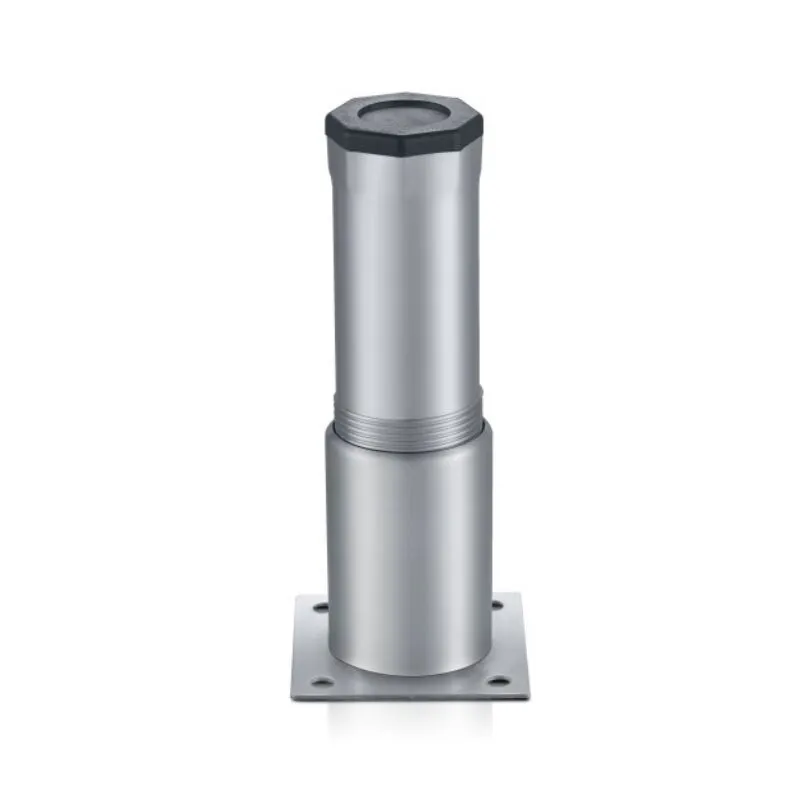
Getting them right isn’t hard. But skip steps, and problems crop up.
Step-by-Step Setup
Start simple. Lift the gear, screw in the feet. Twist till level—use a bubble tool if picky. For big units, team up to avoid strains.
-
Check floor first: Clean debris.
-
Adjust in pairs: Front then back.
-
Test stability: Push hard, see if it budges.
Done right, it takes minutes. Wrong, and you’re fixing wobbles all day.
Common Mistakes to Dodge
Don’t overtighten—that strips threads. Or ignore weight limits; overload, and they bend. Regular checks spot wear early. Wipe them during deep cleans. Small habits keep things solid.
How Leveling Feet Shape Kitchen Efficiency
Beyond basics, these feet influence the big picture. They help with ergonomics—right height means less bending, fewer aches. In tight spaces, even levels let gear fit snug. That frees room for more stations.
Surprisingly, they aid hygiene too. Raised equipment eases mopping underneath, cutting mold risks. Health inspectors notice that. Stable setups also mean less downtime. Imagine a grill tipping mid-service—no thanks.
Bullet points on efficiency gains:
-
Better airflow under units, cooling motors.
-
Easier access for repairs.
-
Custom heights for different chefs’ needs.
It all ties back to smoother days.
Advanced Features You Might Miss
Some leveling feet pack extras. Anti-vibration pads quiet noisy spots. Others resist chemicals from cleaners. In green kitchens, eco-friendly materials cut waste.
Articulating types stand out. They tilt to match floors, distributing weight perfect. Industrial tests show they handle uneven loads better than fixed ones. For commercial kitchens on old buildings, that’s gold.
Conclusion
Leveling feet do more than prop up gear—they keep commercial kitchens safe, efficient, and running long-term. From cutting slips to easing cleans, these unsung heroes make a real difference. Next time you outfit a space, give them a closer look. They could transform your setup.
Meet Foshan Simple Technology Co. Ltd
Before diving into common questions, let’s touch on a key player in this field. Foshan Simple Technology Co. Ltd stands out as a dedicated manufacturer of leveling feet for commercial kitchens. With over 15 years in the game, they focus on quality builds that handle tough conditions. Their team exports worldwide, drawing on strong R&D to meet pro needs. Based in Guangdong, China, they blend solid supply chains with customer-focused service.
FAQs
What are some things you didn’t know about leveling feet in commercial kitchens?
Many folks miss how they reduce vibrations, making noisy equipment quieter. They also boost hygiene by lifting gear for easy under-cleaning.
How do leveling feet improve safety, among other things you didn’t know about them?
They prevent slips with grippy bases and keep heavy units stable, cutting accident odds in wet, busy spots.
Can leveling feet extend equipment life—one of those things you didn’t know about leveling feet?
Yes, by spreading weight even and resisting rust, they cut wear on machines, saving on replacements.
What materials make leveling feet durable, revealing things you didn’t know about them?
Stainless steel fights corrosion, while rubber adds slip resistance—key for humid kitchens.
