


5 Days a week from 8:30 am to 5:30 pm

Ways to Boost Airflow Through Your Commercial Range Hood Filter
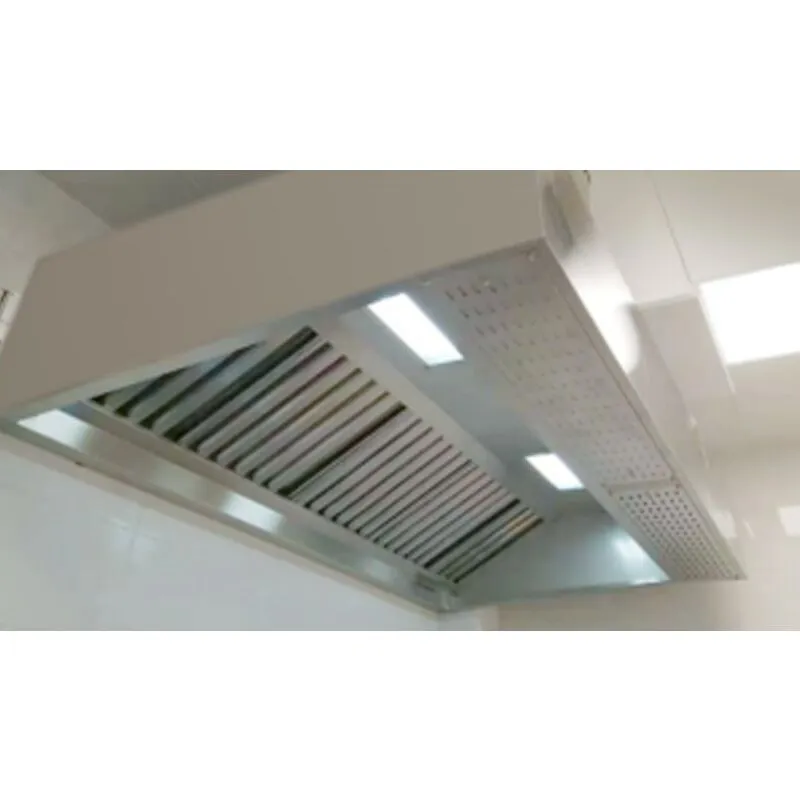
In a busy commercial kitchen, nothing slows things down faster than weak suction from the range hood. Grease builds up, smoke hangs around longer, and the whole ventilation system struggles. The good news? Most of the time you can dramatically increase the airflow through your range hood filter with a few practical steps that don’t require replacing the entire hood.
Why Airflow Matters More in Commercial Kitchens Than Anywhere Else
Home kitchens cook a few meals a day. Commercial kitchens run fryers, griddles, and wok stations for eight to sixteen hours straight. That means way more grease, smoke, and heat get pushed into the hood every minute. When airflow drops even a little, you feel it immediately: hotter working conditions, lingering odors, higher fire risk, and faster wear on the exhaust fan. Keeping strong, steady airflow isn’t just about comfort; it’s about safety, compliance, and keeping the line moving at full speed.
1. Clean the Filters the Right Way – and Do It Often
This is still the number-one reason airflow dies in commercial setups.
-
Grease turns hard and sticky once it cools. A quick wipe won’t cut it.
-
Soak stainless steel baffle filters in hot water with a good degreaser for 20-30 minutes. Use a soft brush on the corners where grease hides.
-
Many kitchens clean filters only once a week. In high-volume places (think diners, hotels, or fried-chicken shops), daily or every-other-day cleaning is the real fix.
-
Run them through a commercial dishwasher if your hood allows it. The high heat and pressure strip grease better than hand washing.
A clean filter can bring back 80-90 % of lost airflow overnight. It’s the cheapest and fastest win you’ll ever get.
2. Check Filter Position and Overlaps
Baffle filters have to sit exactly right.
-
Gaps between filters or between filter and hood frame let air bypass the filter completely. That drops suction and sends grease straight into the duct.
-
Make sure the bottom edge of each filter sits inside the built-in ledge or holding clips. A half-inch off makes a big difference.
-
If your hood uses multiple rows, check that front and back rows overlap properly. No shortcuts here.
Take two minutes at the end of the night to glance up. You’ll spot the problem instantly.
3. Look at Filter Type – Not All Filters Move the Same Amount of Air
Different designs give different results:
| Filter Style | Typical Airflow Drop When Dirty | Best For | Cleaning Frequency (high-volume kitchen) |
|---|---|---|---|
| Stainless steel baffle | 15-25 % | Most commercial kitchens | Daily or every 2 days |
| Mesh or honeycomb | 40-60 % | Light-duty or older systems | Twice daily |
| High-efficiency baffle | 10-20 % | Heavy grease loads (woks, fryers) | Every 2-3 days |
Baffle filters win hands down for commercial use because the smooth curves let air pass easily even when some grease is present. Mesh filters clog fast and kill airflow the moment they pick up grease.
Inspect the Whole System – Filters Are Only Part of the Story
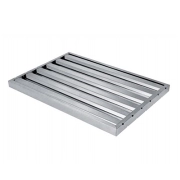
A blocked filter gets the blame, but sometimes the real problem sits further up.
-
Plenums and ducts: Grease drips down from the roof of the plenum and hardens. Once a year, have the duct crew clean all the way to the fan.
-
Fan belt or motor issues: If the fan spins slower than it should, no filter in the world will save you.
-
Makeup air balance: Too little fresh air coming in means the hood can’t pull hard. Many kitchens add too many exhaust fans without adding makeup air units.
A quick check: hold a thin strip of paper towel in front of the hood. If it barely sticks, the whole system needs attention, not just the filters.
5. Upgrade When Cleaning Isn’t Enough
Some older hoods simply can’t move modern volumes. If you’ve tried everything and airflow is still weak, look at newer baffle designs made from thicker food-grade stainless steel. The better ones have:
-
Wider spacing between baffles for less resistance
-
Built-in handles so staff actually pull them out to clean
-
Smoother surface finish so grease doesn’t stick as hard
The difference in suction is night-and-day once you swap them in.
Quick Daily Checklist for Kitchen Managers
Print this and stick it on the cleaning station:
-
Soak filters every night
-
Check for gaps or loose filters
-
Wipe the inside lip of the hood
-
Listen to the fan – any strange noise?
-
Feel the suction with your hand at the end of service
Do these five things and airflow problems almost disappear.
About Foshan Simple Technology Co., Ltd
Foshan Simple Technology Co., Ltd has been making commercial grease filters and kitchen ventilation parts for over fifteen years. Based in Foshan, China, the company runs its own metal shop and focuses only on stainless steel baffle filters, oil cups, and related hood components. They supply kitchens across Europe, North America, the Middle East, and Asia, handling both large chain orders and custom single-piece runs. Recognized twice as a “Technology-based SME” in Guangdong, they keep investing in better materials and smarter designs so restaurant owners get reliable airflow day after day.
Conclusion
Strong airflow through your range hood filter isn’t a nice-to-have in a commercial kitchen; it’s what keeps the place safe, cool, and running smoothly. Start with regular deep cleaning, make sure filters sit right, and don’t ignore the rest of the exhaust system. When you give the hood the attention it needs, you’ll notice the difference the very next shift: clearer air, happier cooks, and lower grease buildup everywhere else.
FAQs – Common Questions About Increasing Airflow Through Range Hood Filters
Q1: How often should I really clean the filters to keep good airflow in a busy restaurant?
A: In high-grease kitchens (fryers, griddles, woks), soak and scrub them every day or every second day. Light cooking can get away with twice a week, but once airflow feels weak, you’ve already waited too long.
Q2: My hood is only two years old, yet suction is poor. Is the filter the problem?
A: Maybe, maybe not. Check cleaning first. After that, look for gaps, wrong filter type, or duct blockages. New hoods still suffer when the rest of the system gets ignored.
Q3: Will switching to a “high-efficiency” filter automatically increase the airflow through my range hood filter?
A: Yes, usually by 15-25 %. Modern baffle designs let more air pass even when they carry some grease, so suction stays strong longer between cleanings.
Q4: Is there a quick test to know if I’ve successfully increased the airflow?
A: Hold a sheet of paper towel or a thin receipt against the filter face while the hood is on high. If it sticks hard and stays, you’ve got great airflow again. If it flops around or falls, keep working on it.
