


5 dagen per week van 8:30 tot 17:30 uur

Bullet Feet in Different Applications in Commercial Kitchens
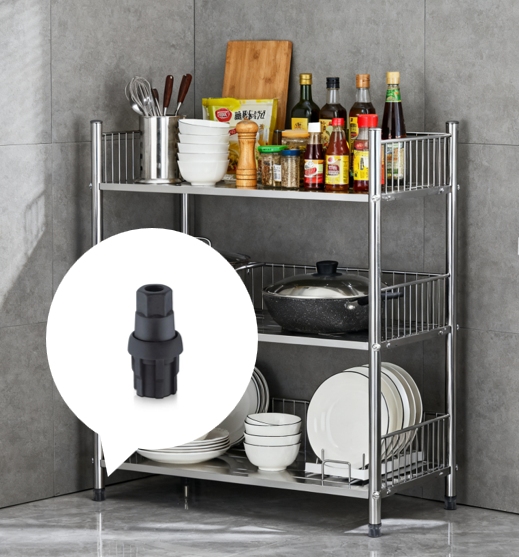
Commercial kitchens run on stable equipment. A sink that leans forward, a cooker that shifts during cleaning, a worktable that rocks during prep, or a storage shelf that tilts under stock can slow down service and create safety risks. Bullet feet are small parts, but they affect leveling, weight support, cleaning access, floor protection, and long-term equipment life.
The right bullet feet should match the equipment type, floor condition, load, material exposure, and installation tube size. A wet sink area does not need the same foot as a dry storage rack. A cooker beside a grease-heavy line has different needs from a serving counter in a customer-facing area. For buyers, contractors, and commercial kitchen equipment manufacturers, choosing by application is more reliable than choosing by appearance alone.
Why Do Commercial Kitchen Equipment Need Different Bullet Feet?
Bullet feet are used to keep commercial kitchen equipment level and steady on uneven floors. Most back-of-house floors are not perfectly flat. Many have slight slopes for drainage, grout gaps, old tile surfaces, or epoxy coatings with small height changes. Without adjustable feet, a table or sink may stand on three contact points instead of four.
Different equipment also places different stress on the foot structure. A prep table receives repeated downward pressure from cutting, mixing, and handling food trays. A shelf carries static weight for long periods. A cooker deals with heat, oil, and frequent cleaning. A sink faces water, detergent, and floor moisture every day.
Good commercial kitchen bullet feet help with:
- Leveling equipment on sloped or uneven kitchen floors
- Reducing shaking during food preparation
- Lifting equipment for easier floor cleaning
- Supporting heavy kitchen fixtures and storage racks
- Protecting tile, epoxy, and stainless floor areas from direct frame contact
A single “standard” foot may work for light use, but high-traffic commercial kitchens need a more specific choice.
What Bullet Feet Are Best for Commercial Kitchen Sinks?
Sink areas are usually wet, busy, and exposed to detergent. Water splashes onto the floor, staff rinse pans quickly, and cleaning teams may use strong chemicals near the base of the sink. For this reason, bullet feet for sinks should give priority to corrosion resistance, easy cleaning, and steady height adjustment.
Recommended Foot Type for Sinks
Stainless steel bullet feet or zinc alloy adjustable bullet feet with a stainless edge are better choices for most commercial kitchen sinks. They offer a cleaner look and stronger surface resistance than plastic feet. A round or smooth outer edge also helps reduce dirt buildup around the bottom.
For deep sinks, dishwashing sinks, or prep sinks installed near drainage channels, the adjusting range matters. A foot that adjusts about 40–70 mm can help compensate for floor slope without forcing installers to add metal shims or rubber pads under one corner. In busy restaurants, that small detail can prevent long-term wobbling.
Key Selection Points for Sink Feet
The foot should match the sink leg tube size and sit firmly inside the frame. If the insert is loose, the sink may shake when staff place heavy stockpots or wash trays. If the base is too narrow, pressure will concentrate on one floor point, which may damage tile or grout over time.
For commercial sinks, choose bullet feet based on:
- Wet area resistance
- Tight fit with the leg tube
- Stable base contact
- Smooth surface for easier cleaning
- Enough height adjustment for floor drainage slope
What Bullet Feet Should Be Used for Cookers and Burners?
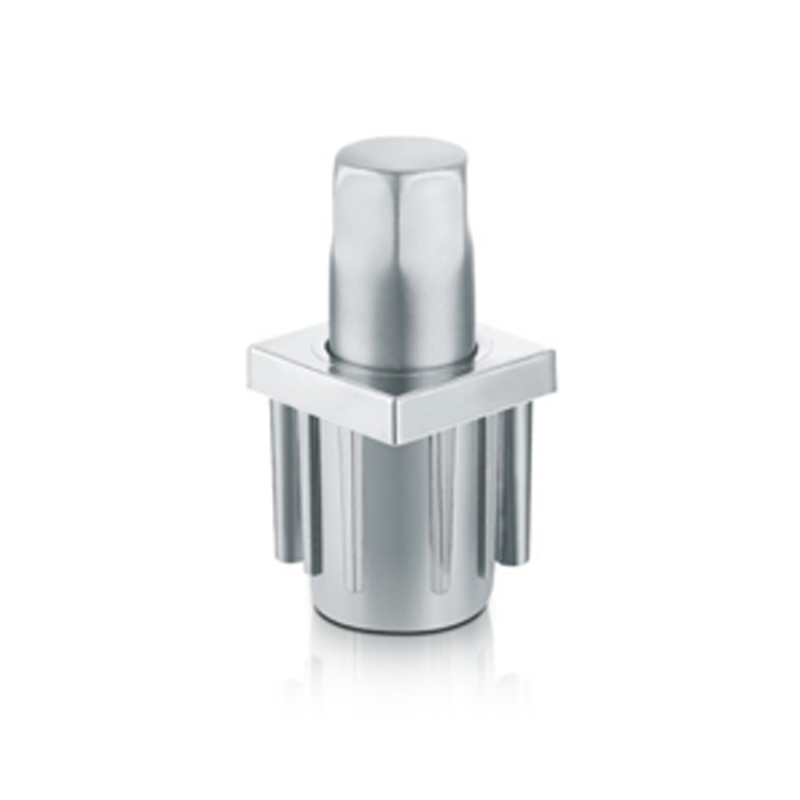
Cookers, burners, and cooking stations need bullet feet that can handle heat nearby, oil exposure, and daily cleaning. These areas are not only heavy-duty but also difficult to keep clean. Grease collects under equipment, and staff may move small cooking units during deep cleaning.
Recommended Foot Type for Cookers
Heavy-duty metal bullet feet are more suitable for cookers and burners than light plastic feet. Stainless steel and zinc alloy structures offer better strength for kitchen equipment that carries pots, pans, oil tanks, or heating components. A solid insert and stable base help keep the equipment level during use.
Cookers should not tilt. Even a small uneven angle can affect pan placement, oil distribution, and staff movement during peak service. Adjustable bullet feet allow installers to fine-tune each corner, so the top surface stays level after the unit is placed.
What to Check Before Installation
The main issue with cooker feet is not only weight. It is the mix of weight, heat, cleaning, and staff contact. A foot that works under a light worktable may wear faster under a cooker line.
Before choosing bullet feet for cookers, check:
- Whether the equipment sits near a heat source
- Whether the base is cleaned with hot water or detergent
- Whether the foot material can resist grease and stains
- Whether the adjustment thread turns smoothly after installation
- Whether the base stays steady after repeated cleaning
For commercial kitchen equipment legs used near cookers, a stronger metal build is usually the safer long-term option.
Which Bullet Feet Fit Stainless Steel Worktables?
Worktables are among the most common users of adjustable bullet feet. They are used for food prep, packing, sorting, cutting, and temporary storage. A small amount of wobble may seem minor at first, but it becomes annoying during daily prep and can affect speed, hygiene, and staff comfort.
Recommended Foot Type for Worktables
For stainless steel worktables, 38×38 mm square bullet feet or larger round stainless steel bullet feet are common choices, depending on the leg tube design. Zinc alloy adjustable bullet feet with stainless edges work well for heavy prep tables and shelves under the table. Rubber bullet feet can also be used in selected cases, especially where floor protection or anti-slip performance is more important than maximum load.
A commercial prep table often has a lower shelf. That means the bullet feet are not only supporting the top surface but also the stock placed below. Flour bags, sauce containers, pans, boxed ingredients, and small appliances can add weight quickly.
Worktable Foot Selection Guide
|
Worktable Use |
Recommended Bullet Feet |
Main Reason |
|
Light prep table |
Adjustable zinc alloy or rubber bullet feet |
Good leveling and floor grip |
|
Heavy stainless steel worktable |
Heavy-duty zinc alloy or stainless steel bullet feet |
Better static load support |
|
Worktable with lower shelf |
Metal bullet feet with wide base contact |
Handles extra stored weight |
|
Wet prep area |
Stainless steel bullet feet |
Better resistance to moisture |
|
Customer-facing counter table |
Stainless edge or clean black rubber feet |
Better appearance and floor protection |
A worktable should be tested after installation. Press down on all four corners. If one side moves, adjust again before placing stock on the lower shelf.
Which Bullet Feet Work Best for Kitchen Shelves and Storage Racks?
Storage racks and kitchen shelves carry long-term static loads. They may hold canned goods, dry ingredients, trays, cleaning supplies, spare cookware, or food containers. Unlike worktables, shelves may not move much during the day, but the load stays on the feet for months or years.
Recommended Foot Type for Shelves
Heavy-duty zinc alloy bullet feet or stainless steel bullet feet are suitable for kitchen shelves and storage racks. The key is strong load support and a stable thread. If a rack is placed in a dry storage room, zinc alloy feet can provide good strength and value. In wet storage zones or near dishwashing areas, stainless steel bullet feet are a better fit.
Commercial kitchen storage areas often have uneven loading. Staff may place heavier items on one side or load the lower shelf first. Adjustable feet help correct small floor differences, but they cannot fix poor weight distribution. For tall racks, level each foot before loading the rack fully.
Common Problems with Poor Shelf Feet
Low-quality shelf feet can lead to several issues:
- The rack leans after heavy stock is added
- The threaded part becomes loose
- The base cracks under repeated weight
- One corner sinks into soft flooring
- Staff add cardboard or rubber pads under one side
Those signs usually mean the bullet feet are undersized, worn out, or not matched to the rack frame.
What Bullet Feet Are Better for Food Counters and Serving Counters?
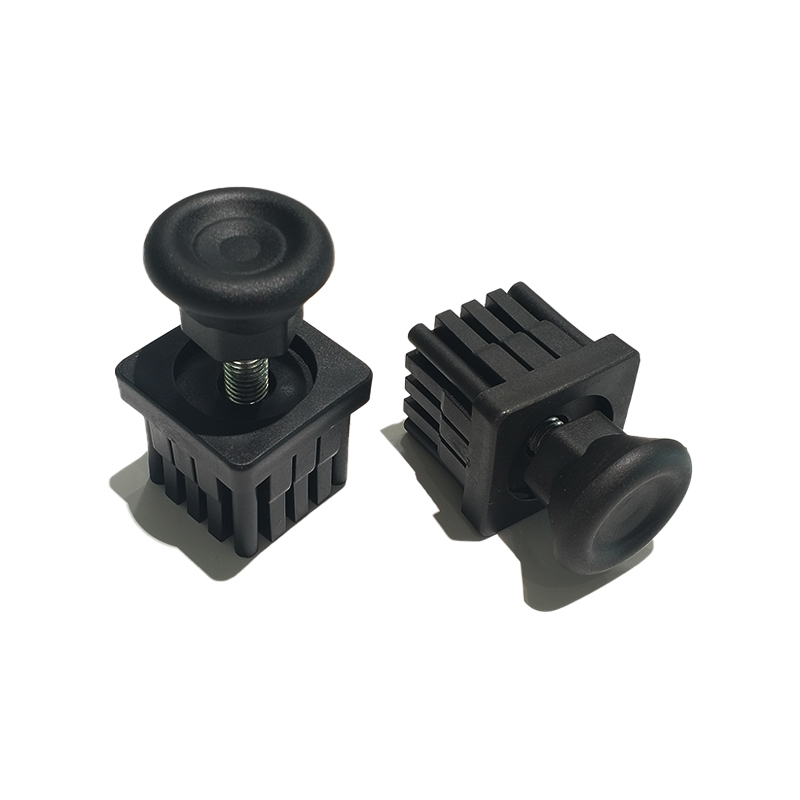
Food counters and serving counters sit between back-of-house function and front-of-house appearance. They may hold trays, cooked food, rice containers, display pans, beverage equipment, or small heating units. Buyers need both stability and a clean look.
Recommended Foot Type for Food Counters
Stainless edge bullet feet, stainless steel bullet feet, or black rubber bullet feet can all work for food counters, depending on the floor and load. In visible areas, the finish matters more than it does under a storage rack. A clean metal edge fits stainless counters well. Rubber feet may be useful when the counter stands on tile and needs stronger grip.
Serving counters are often cleaned around several times per day. Feet with smoother surfaces are easier to wipe, while open gaps and rough edges collect residue. If the counter is moved for cleaning, the foot should also resist impact and floor scraping.
Food Counter Selection Checklist
A food counter foot should be selected by more than weight alone. The best choice depends on:
- Whether customers can see the lower frame
- Whether the counter is moved during cleaning
- Whether the floor is tile, epoxy, or concrete
- Whether the unit holds hot food or dry display items
- Whether anti-slip or easy cleaning is more important
For commercial kitchens with open serving areas, neat finish and reliable leveling should be considered together.
Rubber, Stainless Steel, or Zinc Alloy Bullet Feet?
Material choice affects price, life span, cleaning, and where the foot can be used. There is no single best material for every commercial kitchen application.
|
Materiaal |
Beste voor |
Main Benefits |
Limits |
|
Stainless steel bullet feet |
Sinks, cookers, wet prep areas |
Clean surface, good moisture resistance, professional look |
Higher cost than basic options |
|
Zinc alloy bullet feet |
Worktables, shelves, counters |
Strong support, stable structure, good value for bulk orders |
Surface finish should match wet-area use |
|
Rubber bullet feet |
Light counters, floor protection, anti-slip use |
Better grip, less floor scratching, lower vibration |
Not ideal for all heavy or hot equipment |
|
Plastic bullet feet |
Light-duty tables or temporary replacement |
Low cost and simple installation |
Shorter service life in tough kitchens |
For commercial kitchen equipment feet, the best result often comes from matching material to the environment. Wet zones usually need stainless steel. Storage and prep areas often work well with zinc alloy. Rubber is useful when the floor surface needs protection or when equipment vibration must be reduced.
How to Choose the Right Bullet Feet Size and Adjustment Range?
Size mismatch is one of the main reasons replacement bullet feet fail. A buyer may choose the right material but the wrong tube size. The foot then becomes loose, difficult to install, or unable to hold the equipment level.
Tube Size Comes First
Before placing a bulk order, measure the inside and outside dimensions of the equipment leg tube. Square tubes and round tubes need different inserts. A square bullet foot will not fit a round leg properly, and a loose insert can cause shaking even if the base is strong.
Adjustment Range Comes Second
Most commercial kitchen equipment only needs moderate height correction. A range around 40–70 mm is common for worktables, sinks, counters, and shelves. Extra adjustment may help on sloped floors, but too much exposed thread can reduce stability if the foot is extended too far.
The safer approach is simple: match the tube first, then choose the load rating, then check the floor condition.
Buying Bullet Feet in Bulk for Commercial Kitchen Projects
Bulk buyers should treat bullet feet as functional hardware, not a low-value accessory. A small difference in fit, thread quality, or surface treatment can affect the final equipment quality. For manufacturers and kitchen project suppliers, stable parts also reduce after-sales complaints.
When ordering wholesale adjustable bullet feet, confirm the following details before mass production:
- Material and surface finish
- Tube size and insert structure
- Static load requirement
- Height adjustment range
- Carton packing method
- Sample approval process
- Mixed item order availability
- Delivery time for project schedules
Commercial kitchen hardware buyers often need several foot types in one shipment. Worktables, shelves, sinks, and counters may use different sizes. A supplier that can handle multiple kitchen accessory categories can make sourcing easier.
Over Foshan Eenvoudige Technologie Co., Ltd
Foshan Eenvoudige Technologie Co., Ltd supplies commercial kitchen accessories for equipment manufacturers, distributors, and project buyers. Its product range covers grease filters, adjustable legs, bullet feet, frying baskets, range hood lights, and related kitchen hardware. This range fits the daily needs of commercial kitchen equipment production, replacement, and project supply.
The company works with factory production resources, an export team, and product categories used in restaurants, hotels, food processing sites, and commercial kitchen projects. For buyers who need bullet feet together with other kitchen accessories, the product mix helps reduce separate sourcing work. OEM and ODM support also makes it practical for customers who need custom dimensions, packaging, or project-based supply.
Conclusie
The best bullet feet for commercial kitchen equipment depend on the exact application. Sinks need moisture resistance and easy cleaning. Cookers and burners need heavy-duty metal support. Worktables need stable leveling for daily prep. Kitchen shelves need strong static load performance. Food counters need a mix of appearance, grip, and floor protection.
For long-term use, buyers should check tube size, material, adjusting range, floor condition, and load before ordering. A well-matched adjustable bullet foot can make kitchen equipment safer, easier to clean, and more stable in daily service.
Veelgestelde vragen
What are bullet feet used for in commercial kitchens?
Bullet feet are used to level and support commercial kitchen equipment such as sinks, cookers, worktables, shelves, and food counters. They help equipment stand firmly on uneven floors and allow small height adjustments during installation.
Can rubber bullet feet be used for commercial kitchen equipment?
Rubber bullet feet can be used on selected commercial kitchen equipment where anti-slip performance, floor protection, or vibration reduction is needed. They are more suitable for lighter counters, workbenches, and floor-sensitive areas than high-heat or very heavy equipment.
How do I choose the right size bullet feet?
Measure the equipment leg tube first. Check whether the tube is square or round, then match the foot insert size. After that, review the height adjustment range, load rating, and floor type. Correct sizing is more important than appearance.
When should old bullet feet be replaced?
Old bullet feet should be replaced when the thread is worn, the base is cracked, the equipment keeps wobbling after adjustment, or the foot no longer fits tightly inside the leg tube. Replacement bullet feet should match the original tube size and equipment load.
