


5 dias por semana das 8:30 às 17:30

Bullet Feet Load Capacity Analysis for Heavy Duty Kitchen Equipment
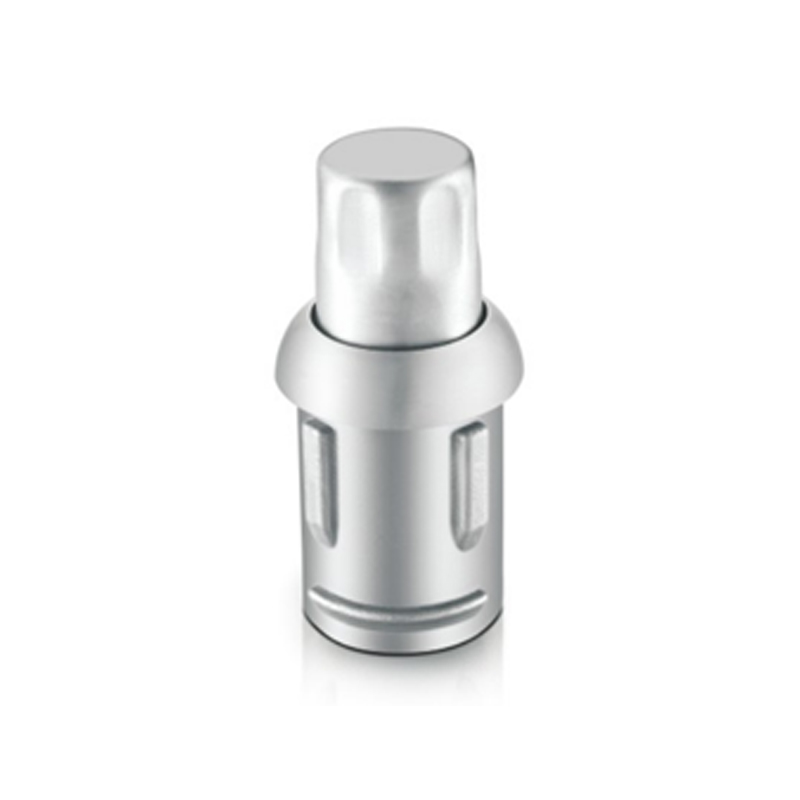
In busy kitchen settings, bullet feet help keep machines steady and safe. Load capacity means the top weight each bullet foot can hold without bending or breaking. This detail matters a lot when picking feet for tough kitchen gear like ovens, grills, or coolers. Things like the material, shape, and how you fit them in change how much weight they take. Knowing the load capacity right keeps kitchen tools firm while working and follows safety rules for food service spots.
What Factors Influence Load Capacity Calculations?
The toughness and lasting power of materials in bullet feet affect how well they resist squeezing. Stainless steel gives great build strength. Nylon or mixed metal options offer lighter choices with less weight limits. The thread size and bottom width count too. They decide how weight spreads over the ground. Bigger bottoms cut down pressure on the floor and boost steadiness under big weights. Plus, the floor kind—tile, concrete, or epoxy—and how much you can level it change real use. They affect grip and even balance when gear is full of weight.
What Materials Are Best for Bullet Feet in Commercial Kitchens?
While stainless steel bullet feet excel in heavy-duty environments, polymer-based or composite options provide a lighter and more cost-effective choice for moderate-load applications in commercial kitchens.
Stainless Steel Bullet Feet for High-Load Applications
Stainless steel bullet feet work best for big-load jobs. They have top strength and fight rust well. These feet handle water, warmth, and wash chemicals often seen in busy kitchens. That makes them great for ovens, dishwashers, and coolers where lasting is key. Stainless steel types keep their shape over years even with steady push.
Polymer-Based or Composite Bullet Feet
Polymer or mixed bullet feet are light picks that cut down gear weight. But they often hold less weight than stainless steel ones. They fit okay for average jobs like work tables or racks. To stay steady under fair weights, these often need extra support or wider bottoms. That spreads push more evenly on the ground.
How Do Engineering Principles Affect Load Distribution?
While engineering principles guide overall load distribution, understanding the differences between static and dynamic loads is essential when selecting bullet feet for various commercial kitchen equipment.
Static vs Dynamic Load Considerations
Static loads mean steady pushes from gear that does not move. Dynamic loads add extra strains from shifts or shakes while running. Tools like mixers or cutters make moving forces. These need more weight hold per foot than fixed items. So, builders add extra safe room in weight math. This covers work strains that happen in daily use.
The Role of Base Design in Weight Distribution
Base shape sets how well weight spreads over the floor. Wider bases cut down focused strain spots. They share force evenly. Non-slip pads boost grip between foot and floor. This stops side slides under big weights. Adjustable bases help more. They let you level just right. That cuts uneven strain on each base.
How to Determine Appropriate Bullet Foot Ratings for Different Equipment Types?
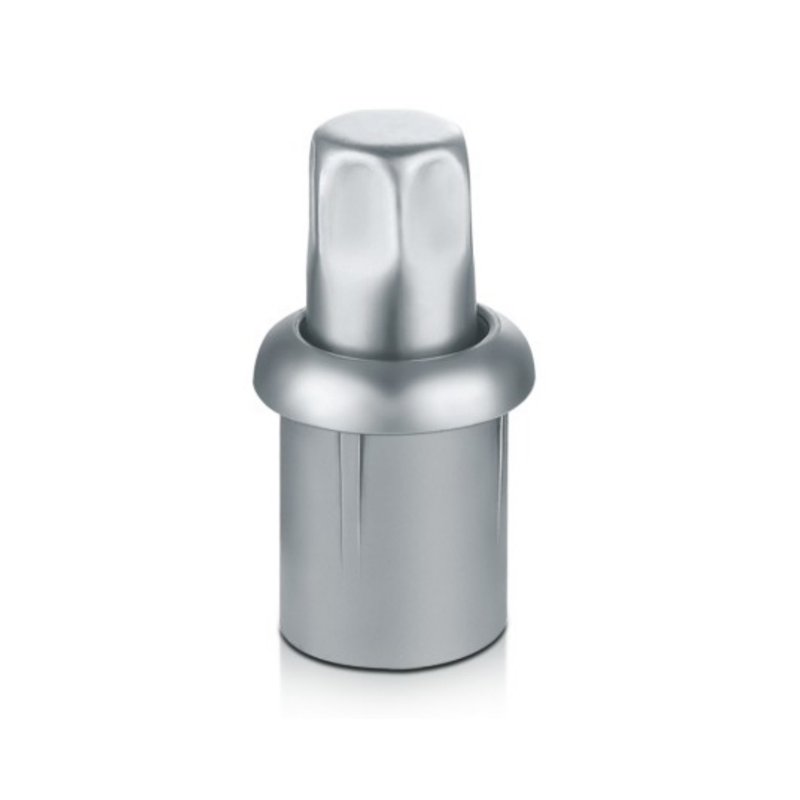
After determining the appropriate bullet foot ratings based on equipment weight, proper installation methods become essential to ensure these rated load capacities perform reliably in real kitchen environments.
Light to Medium Duty Kitchen Equipment (Up to 200 kg Total Weight)
For easy setups like work tables, racks, or small tools with up to 200 kg total, each bullet foot should hold about 50 to 70 kg safe when spread even. Strong polymer or nylon feet often fit these needs. They give cheap fixes.
Heavy Duty Kitchen Equipment (200–800 kg Total Weight)
Tough kitchen gear like ovens, grills, coolers, and mixers needs solid bases. These can take 100 to 250 kg per foot based on setup. Stainless steel bullet feet with strong bottoms give the best long life and trust in hard spots.
Industrial Grade Equipment (Over 800 kg Total Weight)
Big shop tools like dishwashers, steam pots, or belt systems go over 800 kg total. Here, each bullet foot must hold at least 300 kg steady without bending. High-squeeze stainless steel types with shake-proof parts meet safety rules. They keep work steady.
How Do Installation and Maintenance Practices Affect Load Performance?
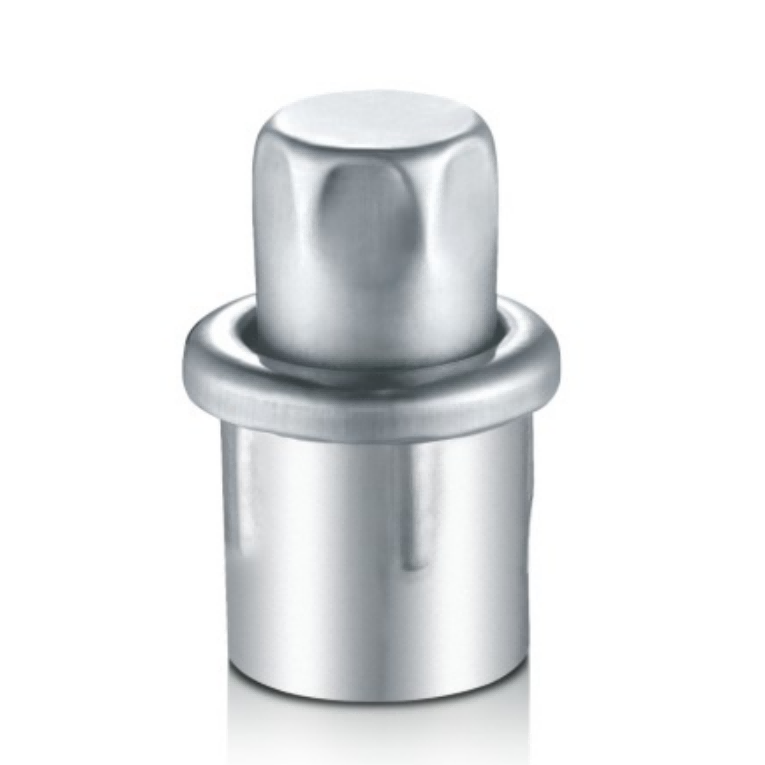
Correct installation sets the foundation for optimal load performance, while routine inspection and timely replacement ensure bullet feet maintain their rated strength and stability throughout years of heavy kitchen use.
Correct Installation Techniques for Optimal Stability
When fitting in, all bullet feet must touch the floor the same. This stops uneven strain that might wear out fast or make things wobbly. Use lock glue on twist stems if shakes happen in work. That keeps spots tight. Also, keep all touch spots clean and free of dirt before starting the fit.
Routine Inspection and Replacement Guidelines
Steady check routines keep work even over time. Workers should look for bends, rust, or thread damage that might cut weight hold. Swap out hurt parts right away. This keeps build strength for all gear. Add check times to fix-up plans. That brings long trust in busy kitchens.
What Industry Standards Govern Bullet Feet Design?
Building on these industry standards, the next step is to examine how load capacity testing and food safety requirements ensure practical compliance in real-world use.
Relevant Standards Governing Load Capacity Testing
Rules from groups like NSF and ISO set test ways for food gear bases. Makers must prove weight holds with still squeeze tests. They also use wear checks that copy long work setups.
Ensuring Compliance with Food Safety and Hygiene Requirements
Materials must not rust and take high-heat clean cycles common in food spots. Shape should skip cracks where germs might build in daily work. This meets not just build rules but clean laws key in pro kitchens.
Foshan Simple Technology Co., Ltd — A Reliable Supplier of Bullet Feet
Foshan Simple Technology Co., Ltd. makes strong bulletfeet for pro kitchen jobs that need high kitchen equipment support weight holds. Their line has heavy duty bullet feet load capacity picks from top stainless steel. These fight rust and keep exact twist under big weights. The firm’s focus on quality watch makes sure each part meets world rules for busy kitchens everywhere.
Conclusão
Picking right bullet feet means mixing material traits, build shape ideas, fit care, and rule follows. Look at these close by app needs—from easy work tables to big shop washers. Kitchen runners can then keep safety and smooth work in their places.
FAQ
1. How often should bullet feet be inspected?
Bullet feet need checks at least every six months. Do it more if high shakes or wet spots are common in busy kitchens.
2. Can polymer bullet feet handle heavy-duty applications?
Polymer types can do average jobs. But skip them for tough use over 200 kg total. They lack squeeze strength next to stainless steel picks.
3. Why is stainless steel preferred for industrial-grade kitchen equipment?
Stainless steel gives great strength for its light weight. It fights rust from wash stuff and wet air well. That fits steady work in big kitchen spots.
