


5 dias por semana das 8:30 às 17:30

Are adjustable feet in the kitchen safe, and why
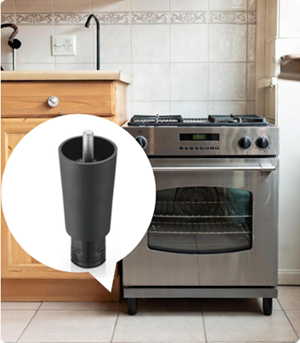
In bustling restaurant environments, every piece of equipment counts toward smooth operations. Explore our range of adjustable legs designed specifically for these settings. Adjustable feet keep heavy appliances steady, cutting down risks during peak hours. This post dives into their safety aspects, drawing from proven practices in the field.
Commercial kitchens face constant movement, spills, and uneven surfaces from years of heavy use. Adjustable feet provide a simple fix, allowing quick tweaks to height and balance. They fit under refrigerators, ovens, and worktables, holding firm where fixed bases might fail.
What Makes Adjustable Feet a Reliable Choice
Stability stands out as the core strength. In spaces where floors slope slightly for drainage—often 1-2% as per standard designs—these feet adjust to keep everything level. This stops wobbling that could lead to spills or injuries.
Materials play a big role here. Stainless steel versions resist heat up to high temperatures and moisture from daily washes. They handle corrosion better than other options, lasting longer in damp areas. Plastic types with rubber pads add grip, reducing slips on wet tiles.
Such features align with daily demands. Equipment like freezers or shelves bears loads up to several hundred pounds. Adjustable feet distribute weight evenly, preventing strain on one side.
Key Safety Features in Action
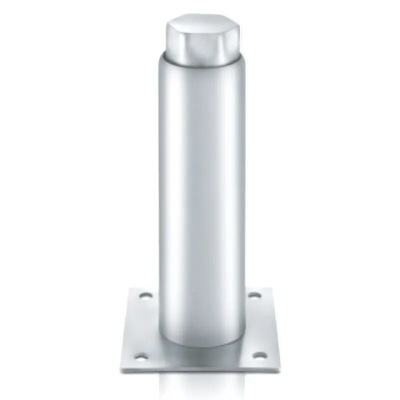
Moving beyond basics, certain designs enhance protection further.
Vibration and Noise Reduction
Heavy machinery vibrates during use, shaking loose connections over time. Gravity adjustable feet counter this by shifting with the load. They lower noise levels too, creating a quieter workspace that helps staff stay focused.
Rubber elements absorb shocks. In tests from industry setups, these pads cut vibration by noticeable margins, keeping tools secure.
Mobility Without Compromise
Wheels integrated into some feet allow easy repositioning. Staff can roll units for cleaning, then lock them steady. This cuts down on lifting, which often causes back issues in fast-paced spots.
High-temperature resistance matters. Feet made for ovens withstand heat without warping, maintaining balance near hot zones.
Easy Cleaning and Hygiene
Smooth surfaces wipe clean fast. No crevices trap grime, meeting strict health codes. In commercial setups, this means fewer bacteria buildups under appliances.
A table below shows common features and their safety perks:
|
Característica |
Safety Benefit |
|
Stainless Steel Build |
Resists rust and heat for long-term use |
|
Rubber Pads |
Grips floors, cuts noise and slips |
|
Wheel Attachments |
Enables safe moving without heavy lifts |
|
Load-Bearing Design |
Handles heavy weights without tipping |
These elements combine to make operations smoother.
Kitchens evolve with wear. Floors dent from dropped pots or warp from water exposure. Adjustable feet adapt, ensuring appliances stay put.
Types of Adjustable Feet and Their Safety Contributions
Different styles address specific challenges in commercial kitchens, boosting overall protection.
Heavy-duty stainless steel legs deliver robust support. With high load capacity, they suit cabinets and tables that need frequent height changes. This design handles daily pressures without buckling.
Gravity-based adjustable feet react to equipment weight automatically. They cut down on shakes and sounds that disrupt focus. Heat and moisture resistance keeps them functional in steamy areas.
Wheel-equipped adjustable feet simplify shifts across the floor. Gravity aids in angle and height tweaks, while strong builds fight off rust, scratches, and extreme warmth.
Plastic feet for units like coolers mix tough plastics with metal threads. Durable construction holds up under use. Added rubber bottoms quiet things down and firm up the stance. Threaded parts make height shifts straightforward, and flat exteriors clean up quick.
Each type ties back to core safety. They prevent tips, ease handling, and maintain clean zones.
Addressing Common Concerns
Some worry about durability under constant stress. Yet, proper installation locks them tight. Twist mechanisms hold positions, even with daily bumps.
Ergonomics tie in closely. Height adjustments match worker statures, reducing bends that lead to fatigue. In food service, where shifts run long, this prevents common aches in necks and shoulders.
Non-slip bases grip even on oily surfaces. This stops sudden shifts that could harm nearby staff.
Industry data backs this up. Reports from food handling sectors show fewer incidents where equipment uses these supports. Stability directly links to safer workflows.
Why They Fit Commercial Needs Perfectly
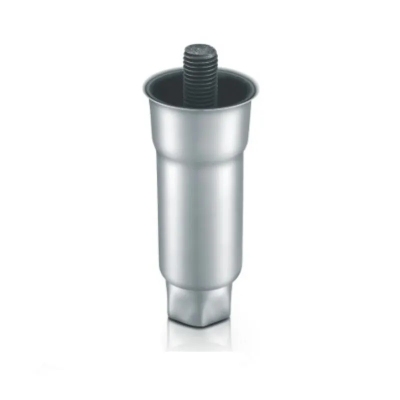
Busy restaurants demand gear that holds up. Commercial kitchen leveling feet fill this gap, offering stability where it counts most.
They support heavy-duty tasks. For instance, worktables loaded with ingredients stay firm, aiding precise cuts.
Hygiene benefits shine. Elevated bases allow air flow underneath, drying floors faster after mops.
Overall, they boost efficiency. Staff move freely without dodging unstable units.
Meet Foshan Simple Technology Co. Ltd.
This leads into supplier choices. Foshan Simple Technology Co. Ltd. supplies adjustable feet tailored for these environments. With over 15 years in the business, the company focuses on kitchen and bathroom building materials. Their R&D team develops products sold across Europe, the Middle East, the Americas, Southeast Asia, and beyond. Recognized as a “Technology-based SME” for two years running, they commit to quality control from raw materials to final output. This ensures reliable solutions for global markets.
Conclusão
Adjustable feet deliver clear safety gains in commercial kitchens through stability, durability, and ease of use. They handle uneven floors, reduce vibrations, and support ergonomic setups, all while meeting hygiene standards. Choosing solid options keeps operations smooth and risks low.
FAQ
Are adjustable feet for commercial kitchen equipment durable enough for daily use?
Yes. Built from stainless steel or reinforced plastic, they withstand heavy loads and frequent adjustments. Regular checks ensure they last years in tough conditions.
Como stainless steel adjustable legs improve safety on wet floors?
Their corrosion-resistant material and non-slip pads provide strong grip. This prevents slides, even with water or grease present.
What role do kitchen equipment stability feet play in ergonomics?
They allow height tweaks to fit different users. This minimizes strain during long hours, cutting down on back and shoulder issues common in the industry.
Pode adjustable feet with wheels maintain stability while allowing movement?
Absolutely. Wheels facilitate repositioning for cleaning, but locking mechanisms secure them firmly once in place.
Por que escolher safe leveling feet for restaurant appliances over fixed bases?
They adapt to floor variations, reducing tip risks and vibrations. This makes them ideal for dynamic commercial spaces.
