


5 дней в неделю с 8:30 до 17:30

What Wire Thickness Is Best for Commercial Fryer Baskets?
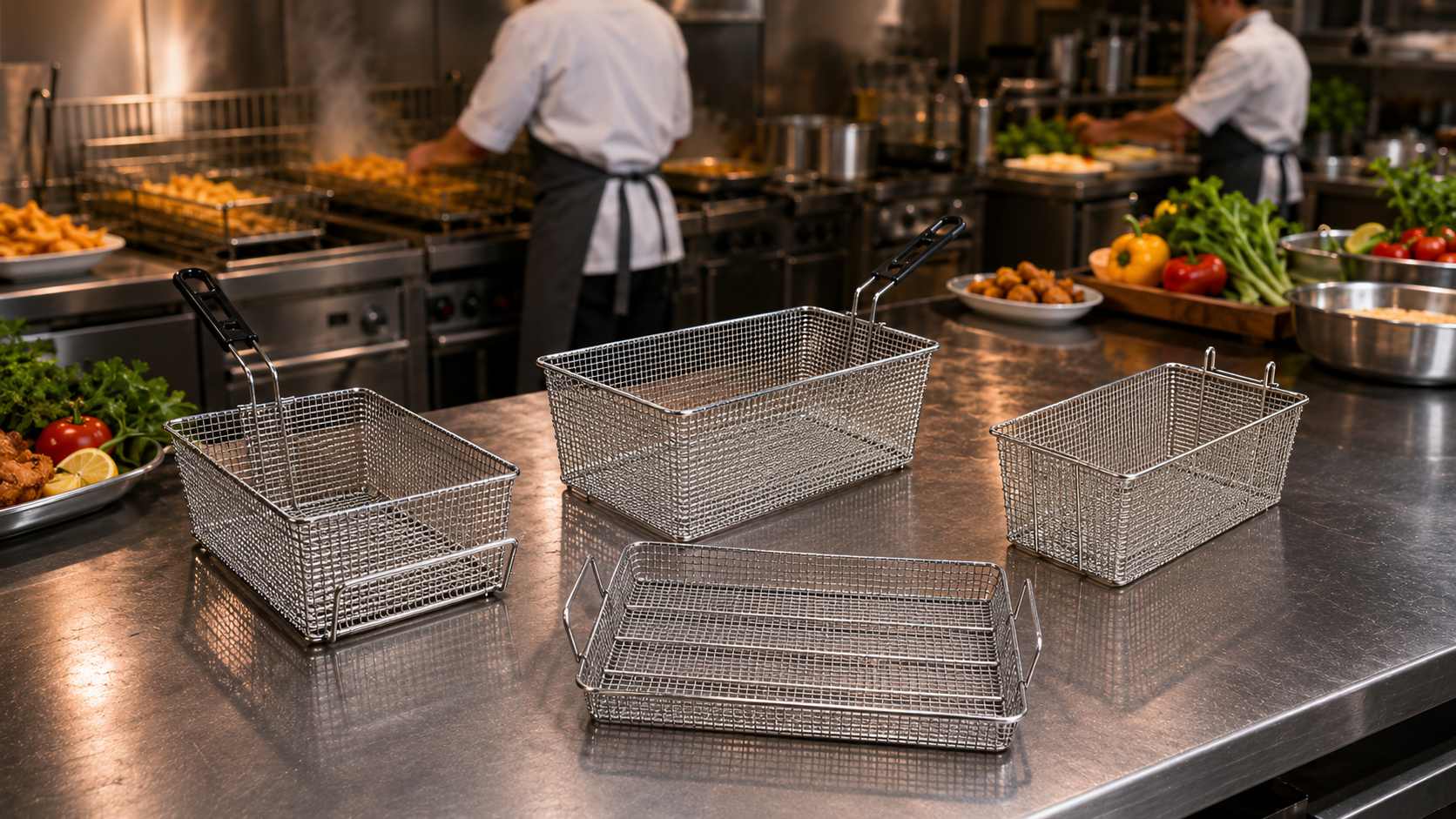
Fryer basket wire thickness affects load strength, oil flow, cleaning, basket weight, and replacement frequency. Buyers often focus on dimensions and handle style, yet wire diameter can cause problems when it does not match the food, fryer size, batch weight, or cleaning routine. A basket that is too light may deform, while an unnecessarily heavy basket may drain slowly and tire operators. The right specification depends on the operating condition.
How Does Fryer Basket Wire Thickness Affect Performance?
Wire diameter affects how a basket carries food, resists bending, and survives frying. Buyers should review mesh wire and frame wire because they serve different functions.
How does mesh wire support the food load?
Mesh wire holds food during frying. Thicker mesh generally resists bending and damage from utensils, frozen food blocks, and rough unloading. However, it can reduce open area and restrict oil movement if spacing is unchanged. Buyers should evaluate wire diameter together with mesh spacing, basket depth, and food size.
How does frame wire control basket shape?
Frame wire surrounds the mesh and transfers load toward the handle and hooks. It must keep the basket square when loaded, lifted, shaken, and placed on a drain rack. Weak framing may let the mouth spread, base sag, or handle joint loosen. A durable deep fryer basket needs balanced mesh strength, rim stiffness, and secure welds.
Which Wire Thickness Fits Different Frying Applications?
No single fryer basket wire thickness suits every kitchen. Product weight, batch size, operator behavior, and fryer geometry affect the choice.
What should buyers choose for light foods?
Thin fries, onion rings, and small snacks create moderate static loads. Buyers may prioritize open mesh, quick drainage, and easy shaking. Lighter mesh can work when weld quality is consistent and the rim provides enough support. The design must still account for frozen clumps, repeated tapping, and contact with the fryer tank.
What should buyers choose for heavy foods?
Bone-in chicken, seafood portions, frozen blocks, and dense batches create greater bending and impact loads. They often need stronger mesh, a heavier frame, and reinforced handle joints. Thicker wire alone may not solve the problem if the basket is wide or the handle creates excessive leverage. Review the complete load path through the base, frame, handle, hooks, and fryer supports.
What Other Specifications Should Be Checked With Wire Diameter?
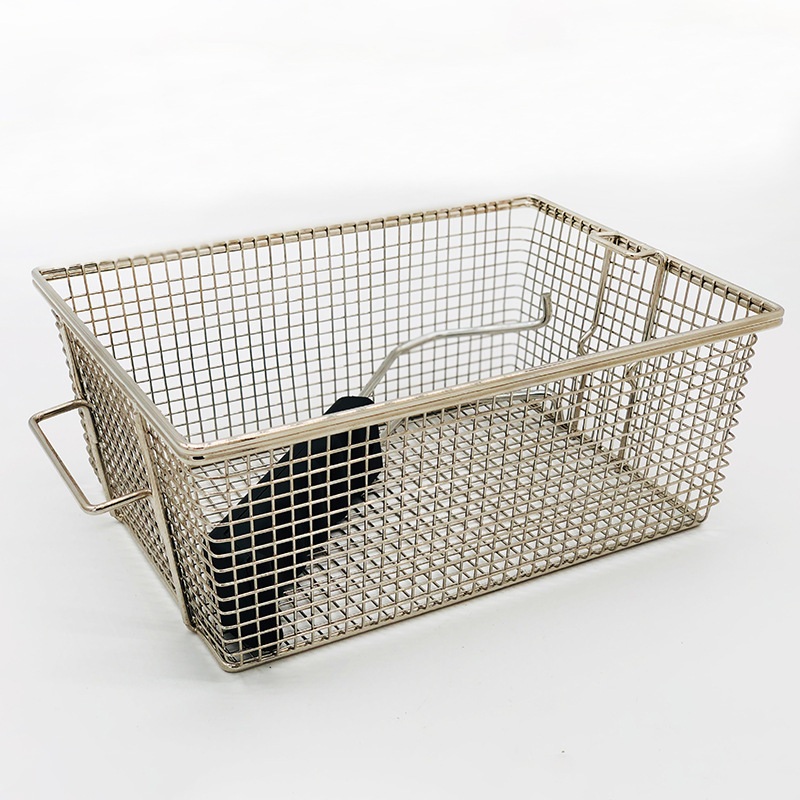
Wire thickness should not appear as an isolated purchase order value. A basket may still fail or fit poorly when material, dimensions, welds, or mounting details are uncontrolled.
Which dimensional details define fit?
The RFQ should list length, width, depth, top opening, base dimensions, handle length, handle angle, hook position, drain position, and heating element clearances. Buyers should provide fryer model information or a verified tank drawing. Tolerances matter because small changes can cause interference, unstable hanging, or poor lid access.
Which material and finish details affect service life?
Specify the stainless steel grade or approved material, wire condition, weld finish, and handle coating. Material selection should reflect salt, acids, cleaning chemicals, moisture, and temperature. Smooth welds and finished wire reduce sharp edges and food traps. Check samples for discoloration, loose wires, incomplete welds, burrs, and difficult cleaning areas.
How Should Buyers Compare Strength, Drainage, and Handling?
Selection should balance structural reliability with kitchen usability. The strongest basket is unsuitable if it becomes difficult to drain, clean, or lift.
What tradeoffs come with thicker wire?
Thicker wire can resist bending, denting, and rough handling. It may also add basket weight, reduce mesh opening, retain more oil, and increase material cost. These effects depend on spacing and design, so buyers should compare drawings and samples. Suppliers should explain why the proposed diameter matches the stated load and duty cycle.
What tradeoffs come with thinner wire?
Thinner wire can reduce weight and provide more open area for circulation and drainage. It may suit light loads and controlled use. However, it is more sensitive to impact, weld damage, deformation, and aggressive cleaning. Buyers should compare sample rigidity, weld consistency, handle movement, and shape retention instead of accepting a thinner design only for price.
How Can Buyers Verify a Fryer Basket Before Bulk Production?
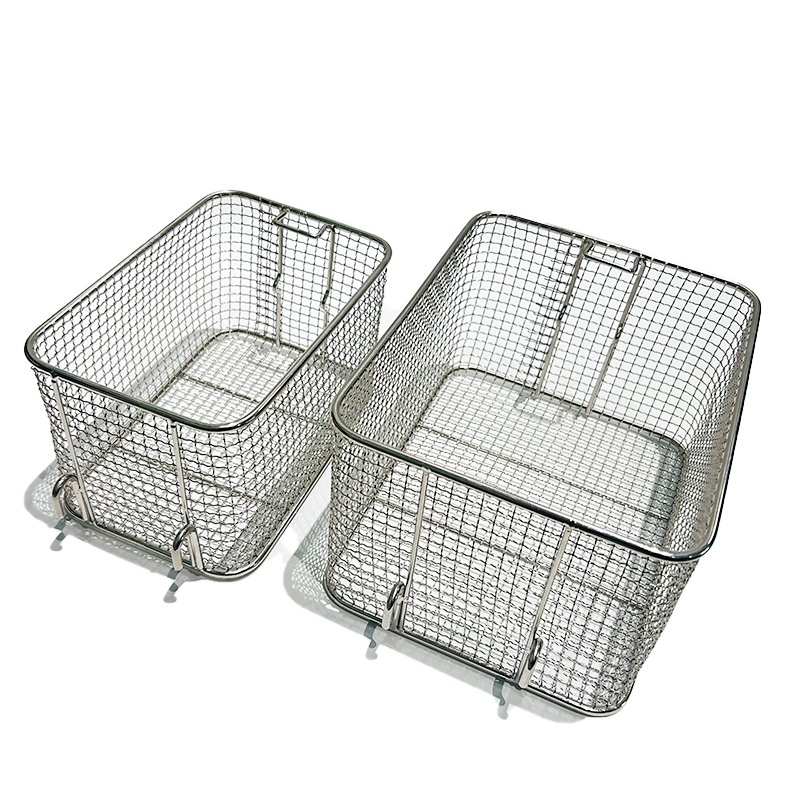
Approval should progress from documentation to physical inspection and production control. This helps prevent an acceptable sample from becoming an inconsistent bulk order.
What should be reviewed during sample approval?
Check the sample against the drawing, fryer opening, food load, lifting method, drain position, and cleaning process. Test it with a realistic batch and observe base deflection, rim movement, handle rotation, and hook stability. Inspect every weld and confirm that the basket does not scratch the tank. Record approved dimensions, wire diameters, material, finish, and photos.
What should be controlled during production?
The supplier should define incoming wire checks, cutting controls, forming fixtures, weld inspection, dimensional inspection, and packaging checks. Buyers should request measurement methods and tolerances for critical features. Packaging must prevent handles, hooks, and corners from bending during shipment. Carton labels should show the model, quantity, order number, and batch information for traceability.
How Can Foshan Simple Technology Support Fryer Basket Sourcing?
Foshan Simple Technology Co., Ltd. supplies commercial kitchen products and can support buyers who need fryer baskets matched to specific equipment and operating conditions. The company can discuss basket dimensions, mesh configuration, wire diameter, handle layout, material, surface finish, packaging, and sample requirements. Buyers may use drawings, fryer information, or reference samples to clarify the required fit before production. Practical coordination on MOQ, sample timing, production lead time, carton labeling, and spare basket needs can also support procurement planning.
Вывод
The best fryer basket wire thickness depends on food load, basket size, mesh spacing, frame design, handle geometry, and daily operating conditions. Buyers should evaluate mesh wire and frame wire as part of one structural system. A suitable deep fryer basket must also fit the fryer, drain properly, withstand cleaning, and remain comfortable to handle. Drawings, approved samples, realistic load checks, and production controls reduce purchasing risk. Clear specifications give suppliers a better basis for quoting and help buyers compare offers on more than price.
Часто задаваемые вопросы
1. Is thicker fryer basket wire always better?
No. Thicker wire may improve stiffness, but it can also add weight and reduce open area. The correct choice depends on load, spacing, basket dimensions, and handling.
2. Should mesh wire and frame wire have the same diameter?
Usually not. Frame wire often needs greater stiffness because it supports the basket shape and transfers load toward the handle and hooks.
3. Can buyers select wire thickness from a photo?
A photo is not enough. Buyers need measured diameters, drawings, material details, mesh spacing, sample inspection, and information about the intended food load.
4. What causes fryer baskets to bend early?
Common causes include undersized wire, weak frame design, poor welds, excessive batch weight, impact, rough cleaning, and unsupported handle leverage.
5. What should appear in a fryer basket RFQ?
Include fryer model, basket dimensions, wire diameters, mesh spacing, material, handle design, hook position, load condition, finish, tolerances, sample requirements, packaging, and inspection criteria.
