


5 дней в неделю с 8:30 до 17:30

Why 85% of Commercial Kitchens Rely on Them: The Power of Adjustable Feet
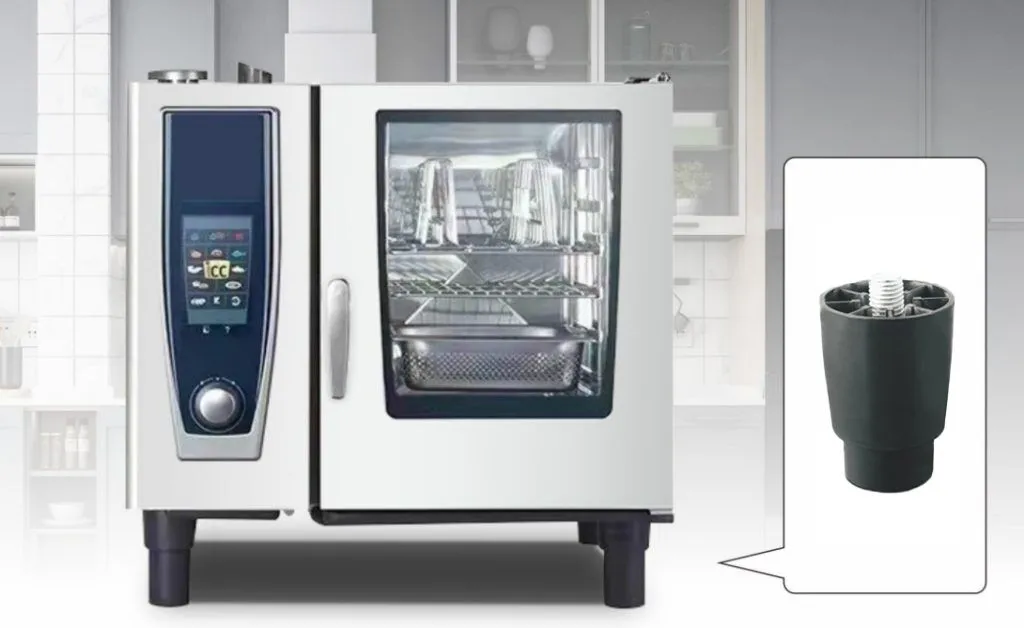
In busy restaurant setups, stable equipment makes all the difference. Explore our range of solutions to see how small parts keep operations smooth. At SPC Kitchen, the focus stays on practical tools that handle daily demands.
The Basics of Adjustable Feet
Adjustable Feet sit at the base of tables, ovens, and sinks. They let workers tweak heights quickly. They cut out the risk of a chef working on a wobbly surface during hectic prep times.
Such feet come in simple designs. A threaded stem twists to raise or lower the unit. This setup fits right into the frame. In high-traffic spots, like behind the grill line, even floors turn uneven from wear. That’s where these feet shine, holding everything steady.
Moving beyond the core idea, different styles suit specific needs. Some handle heavy loads, while others add mobility.
Types of Adjustable Feet Used in Restaurants
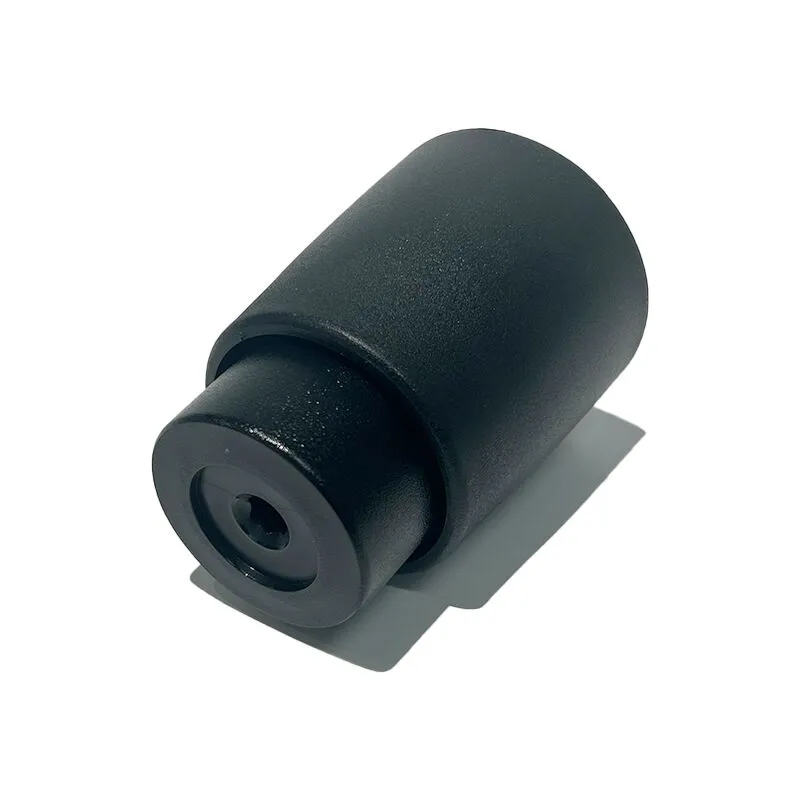
Threaded plastic ones work well for lighter gear, like fridges. Rubber pads often join them to quiet things down and grip better.
Stainless steel stands out for its toughness. It resists heat from ovens and moisture from sinks. In a steamy kitchen, corrosion eats away at weak materials fast. Stainless steel adjustable legs last through shifts without breaking down.
A quick look at common options shows variety:
- Wheeled adjustable feet: Roll equipment, lock in position.
- Plastic threaded feet: Light, easy to clean, noise-dampening.
Each type ties back to real kitchen flows. For instance, during peak hours, staff move counters aside for cleaning. Wheeled feet make that happen without strain.
Why Stability Matters in Busy Kitchens
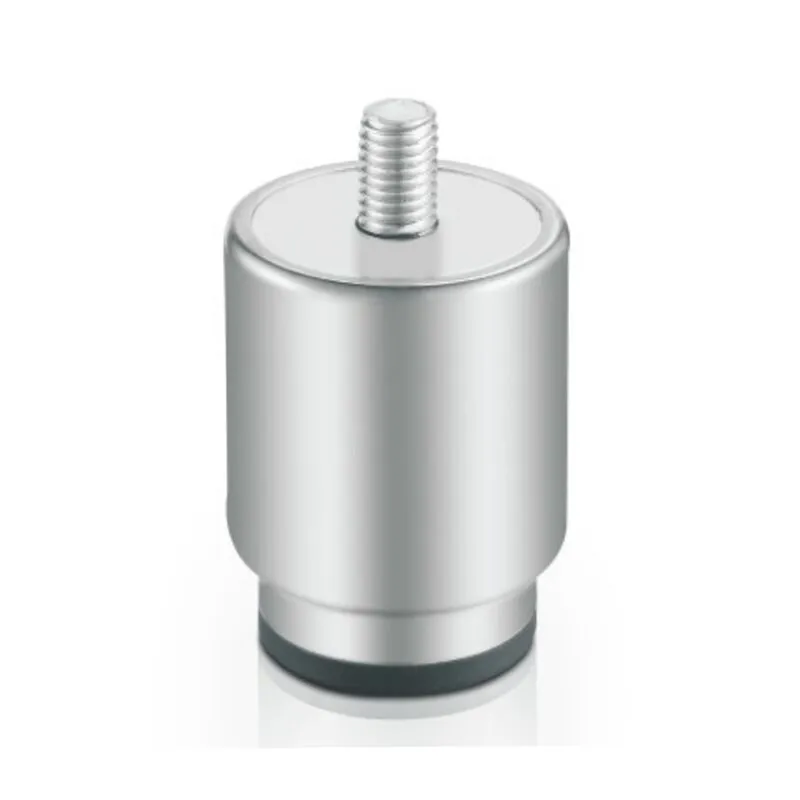
Uneven surfaces cause accidents. Spills happen more on tilted tables. Kitchen equipment leveling keeps tools flat, so knives slide less and pots stay put.
Health codes demand clean, safe spaces. Wobbly gear collects grime underneath. Adjustable feet lift units off the ground, allowing mops to reach every spot. In inspections, this detail often decides pass or fail.
Numbers tell the story. Commercial setups see floors warp up to an inch from heavy use. Feet that adjust by 2-3 inches cover that gap. Workers report fewer back issues when counters hit the right height—around 34-36 inches for most tasks.
This leads into how these feet actually function day to day. Mechanics play a big role in their reliability.
How Adjustable Feet Operate Step by Step
Start with the base. A foot attaches to the leg via threads or clips. Twist the stem clockwise to lower, counterclockwise to raise. Tools like wrenches speed it up, but hands work for minor tweaks.
For gravity types, weight does the job. Place the unit down, and the foot compresses to level out. Springs inside push back just enough to hold firm.
In wheeled models, brakes lock the position after rolling. Angle adjustments come from swivel joints, tilting up to 15 degrees on rough tiles.
Kitchens run hot and wet. Materials handle 200°F without warping. Rubber bases grip slick floors, cutting slip risks by half in tests.
Consider a bakery line. Ovens weigh 500 pounds. Adjustable bullet feet commercial spread that load evenly, preventing dents in vinyl flooring.
Materials That Stand Up to Kitchen Demands
Stainless steel dominates for good reason. It fights rust in damp areas. Grades like 304 hold up against acids from food spills.
Plastic versions cut costs for less intense spots. They mold into shapes that fit tight spaces. Add rubber, and they absorb vibrations from mixers running full speed.
Durability tests show steel feet last 5-7 years under constant use. Plastic ones manage 3-4 years before wear shows.
A table comparing materials helps clarify choices:
|
Материал |
Strengths |
Common Uses |
Продолжительность жизни |
|
Нержавеющая сталь |
Heat-resistant, strong load capacity |
Ovens, worktables |
5-7 years |
|
Пластиковые |
Lightweight, easy clean |
Fridges, light cabinets |
3-4 years |
|
Rubber-Enhanced |
Reduces noise, better grip |
High-vibration areas |
Varies with base |
These picks depend on the setup. Heavy fry stations need steel. Storage racks do fine with plastic.
Shifting from materials, proper setup keeps them working long term. Installation avoids common pitfalls.
Steps for Installing Adjustable Feet
First, flip the unit over. Screw feet into pre-drilled holes. Tighten by hand, then use a tool for the final turn.
Level with a spirit tool across the top. Adjust each foot until bubbles center. In groups of four, start at corners and work inward.
For wheels, test roll on the floor before loading. Brakes should click firmly.
Maintenance follows. Wipe bases weekly to clear grease. Check threads monthly for looseness. In humid climates, this prevents jams.
One restaurant chain cut downtime by 20% through regular checks. Feet stayed functional, avoiding mid-shift fixes.
Benefits for Kitchen Teams and Operations
Safe, level gear boosts speed. Chefs chop faster on steady counters. Height adjustment in commercial kitchens matches worker heights, easing strain over long hours.
Cleaning gets simpler. Lifted units allow full floor access. This meets sanitation rules without extra effort.
Cost savings add up. Fewer repairs from vibrations mean lower bills. Stable setups last longer, stretching budgets.
Industry reports note 30% fewer incidents in leveled kitchens. Teams stay focused, output rises.
Before wrapping up, meet a key player in this field.
Meet Foshan Простая технология Co. Ltd
Foshan Simple Technology Co. Ltd supplies reliable adjustable feet for commercial setups. With over 15 years in the game, they handle everything from design to delivery. Their team focuses on tough, practical parts that fit global markets. Recognized as a tech-based firm in 2024, they push for better solutions in kitchen gear.
For more on our offerings, check the продуктовый центр or learn about our edge in the field at company advantage.
Вывод
Adjustable feet keep commercial kitchens running without hitches. They level, stabilize, and adapt to tough conditions. Picking the right type pays off in safety and efficiency. For teams handling daily rushes, these small parts make big impacts.
Часто задаваемые вопросы
Что делает регулируемые ноги необходимыми в коммерческих кухнях?
They provide stability on uneven floors, reducing wobbles that lead to spills or injuries during busy services.
How do stainless steel adjustable legs hold up in wet environments?
These legs resist moisture and heat, preventing rust and maintaining grip even after hours of steam and splashes.
Can height adjustable kitchen feet handle heavy equipment like ovens?
Yes, models with strong load capacities support up to 500 pounds per foot, keeping gear steady without sagging.
What’s the best way to maintain leveling feet for restaurant tables?
Clean bases regularly and check for loose threads monthly to keep them functional and extend their use.
