


5 Days a week from 8:30 am to 5:30 pm

Adjustable Legs or Casters: Which Is Better for Commercial Kitchen Equipment?
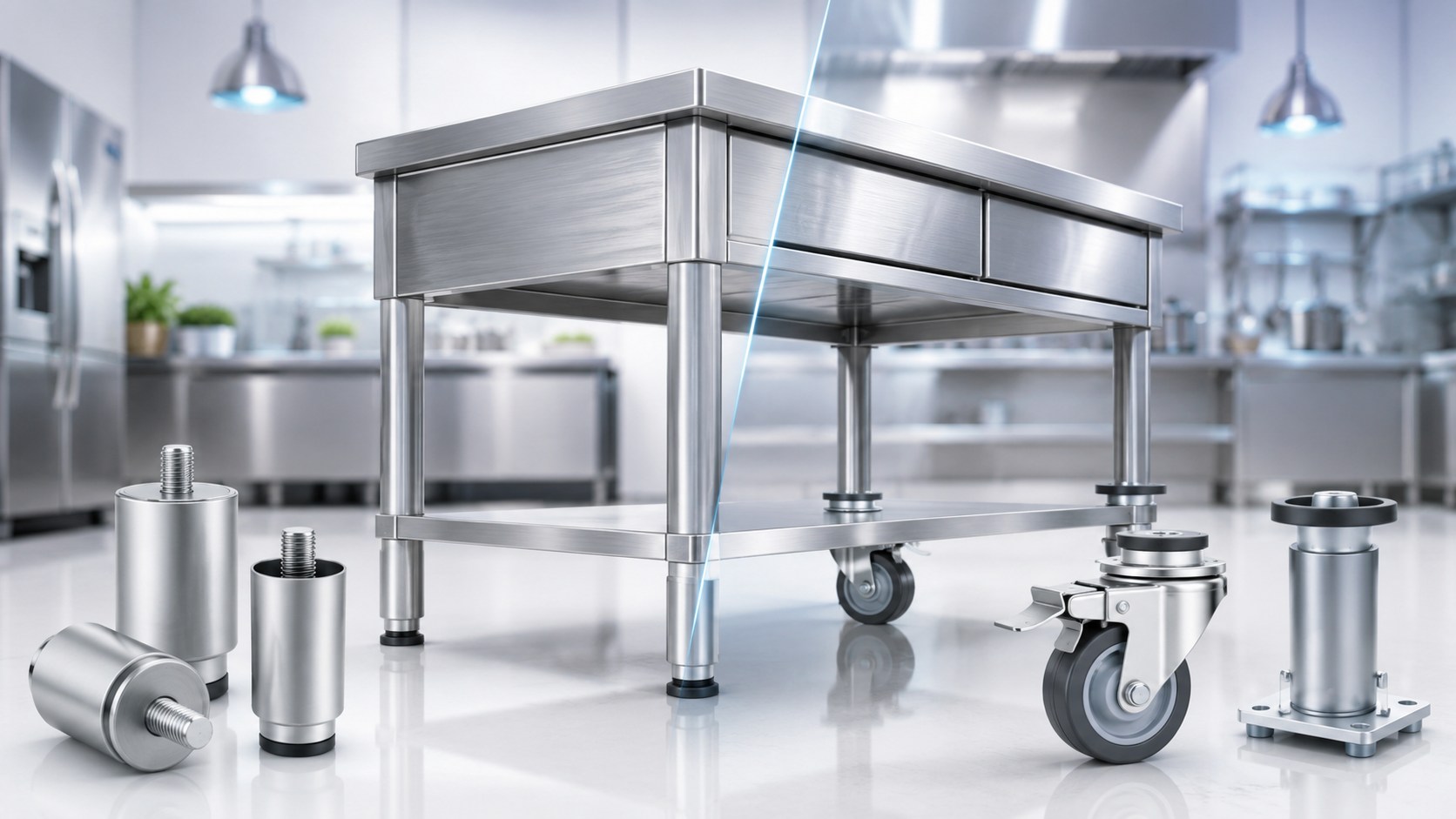
For equipment manufacturers, contractors, and purchasers of commercial kitchen equipment, the choice of adjustable legs and kitchen casters goes beyond positioning of the equipment. The correct choice impacts stability, cleanability, ease of installation, and maintenance. While adjustable legs provide a fixed and stable setup, casters allow equipment mobility when layout changes or cleaning requirements become important. Before selecting commercial kitchen products, buyers should consider equipment weight, working conditions, floor conditions, and operational needs rather than choosing based on mobility alone.
Why does the choice between adjustable legs and casters matter for commercial kitchen equipment?
Supporting elements are usually small components of kitchen equipment, but they have a direct impact on the performance of kitchen equipment during operation. A good selection will ensure easy cleaning, installation, and maintenance, whereas an inappropriate selection will cause problems with stability or operations.
How do adjustable legs support commercial kitchen equipment stability?
Adjustable legs are most commonly applied when the equipment has to be installed in one particular position. It helps to adjust the equipment height in order to make it steady and level even if there are some floor irregularities.
In the case of commercial kitchens, stability is crucial since it means that equipment like preparation tables and counters may need to be positioned accurately.
When selecting adjustable legs, buyers usually check:
| Factor | Why It Matters |
|---|---|
| Height adjustment range | Determines whether the equipment can match the installation height |
| Material | Affects durability and load support |
| Base design | Influences floor contact and stability |
| Thread structure | Affects adjustment convenience |
| Corrosion resistance | Important in humid kitchen environments |
However, adjustable legs are designed for stationary applications. If equipment needs frequent movement, another solution may be more suitable.
When are kitchen casters a better choice?
Kitchen casters are designed for applications where equipment needs to be moved for cleaning, maintenance, or layout adjustments.
In commercial kitchens, mobility can be useful because equipment placement may need to change during cleaning schedules or workspace adjustments. Casters allow operators to move equipment more easily compared with fixed supports.
However, mobility also creates additional requirements. Buyers should consider locking mechanisms, load capacity, floor conditions, and installation methods before choosing casters.
How should buyers compare adjustable legs and kitchen casters?
The better option depends on how the equipment will be used. Both solutions have their own advantages and limitations.
What are the main differences between fixed legs and mobile supports?
Adjustable legs and kitchen casters serve different purposes. Adjustable legs focus on stability, while casters focus on movement.
| Comparison Point | Adjustable Legs | Kitchen Casters |
|---|---|---|
| Main purpose | Fixed equipment support | Equipment mobility |
| Stability | Generally suitable for permanent positioning | Depends on caster quality and locking system |
| Cleaning access | Equipment stays in place | Easier movement for cleaning |
| Layout changes | Limited flexibility | More flexible |
| Installation | Simple height adjustment | Requires proper mounting and load matching |
For fixed workstations, adjustable legs may be more practical. For equipment that requires regular movement, casters may provide better flexibility.
What limitations should buyers consider?
However, neither choice suits all occasions. The adjustable legs could be a hassle in case the equipment must be moved quite often. In contrast, the casters would need more care in terms of stability in case the equipment is bulky and vibrates.
In conclusion, it is necessary to assess the practical work environment rather than choose according to convenience alone.
How do equipment weight and kitchen conditions affect support selection?
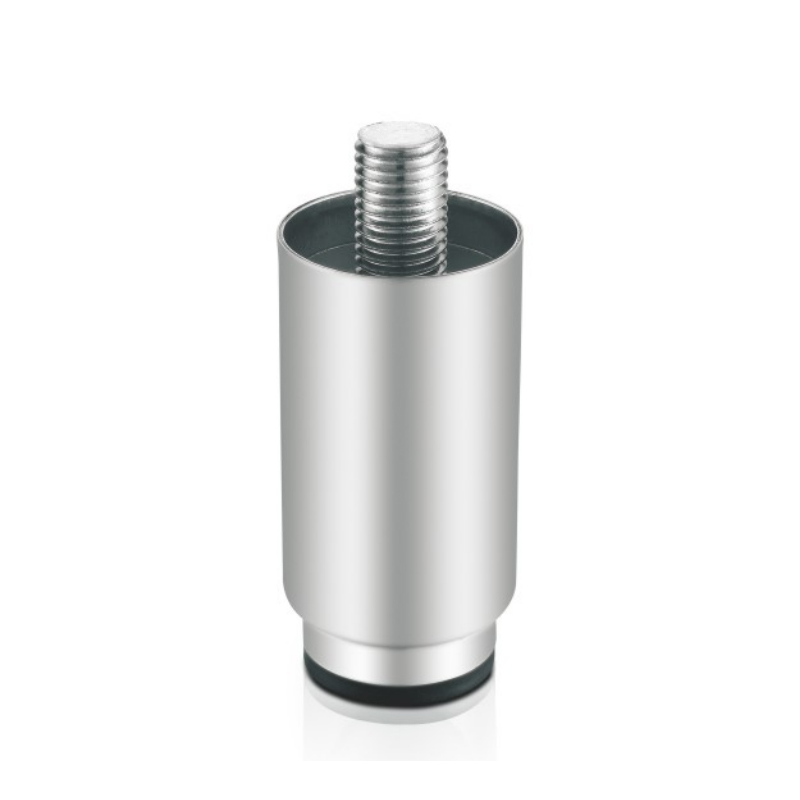
Commercial kitchen equipment operates under demanding conditions. Weight, moisture, cleaning methods, and floor surfaces all influence support component performance.
How does load capacity affect adjustable legs and casters?
The load-bearing capability is one of the first factors to be checked by buyers.
Where the height can be adjusted, it is important for the frame to withstand the weight of the machinery. Where there are castors involved, buyers should take into account not only the weight of the machine but also the additional weight of the load on it.
Inability of the castor set to handle load could affect its mobility and durability.
Why do kitchen floors and cleaning routines matter?
The commercial kitchen is one that requires regular cleaning, and the floor surface will vary with water presence, grease presence, and cleaning techniques.
There may be some pieces of equipment that have to be moved around and that can make use of casters, but the type of material used for the casters must be compatible with the floor surface.
The decision depends on the cleaning process and equipment positioning.
What installation factors should buyers check before ordering support components?
Correct installation affects both performance and service life. Buyers should confirm compatibility before placing orders.
What should be considered when installing adjustable legs?
Adjustable legs require proper matching with the equipment structure. Buyers should check mounting dimensions, connection methods, height requirements, and material compatibility.
During installation, uneven adjustment can affect equipment balance. Proper leveling is important for maintaining stable operation.
For manufacturers and contractors, confirming these details during the design stage can reduce modifications during final assembly.
What should buyers know before installing kitchen casters?
Caster installation requires attention to mounting position, wheel size, braking function, and load distribution.
Locking casters may help keep equipment in position when movement is not required. However, the locking system should be suitable for the equipment weight and application conditions.
Buyers should also consider whether the equipment will be moved frequently or only occasionally, as this affects caster selection.
How can buyers evaluate the quality of adjustable legs and kitchen casters?
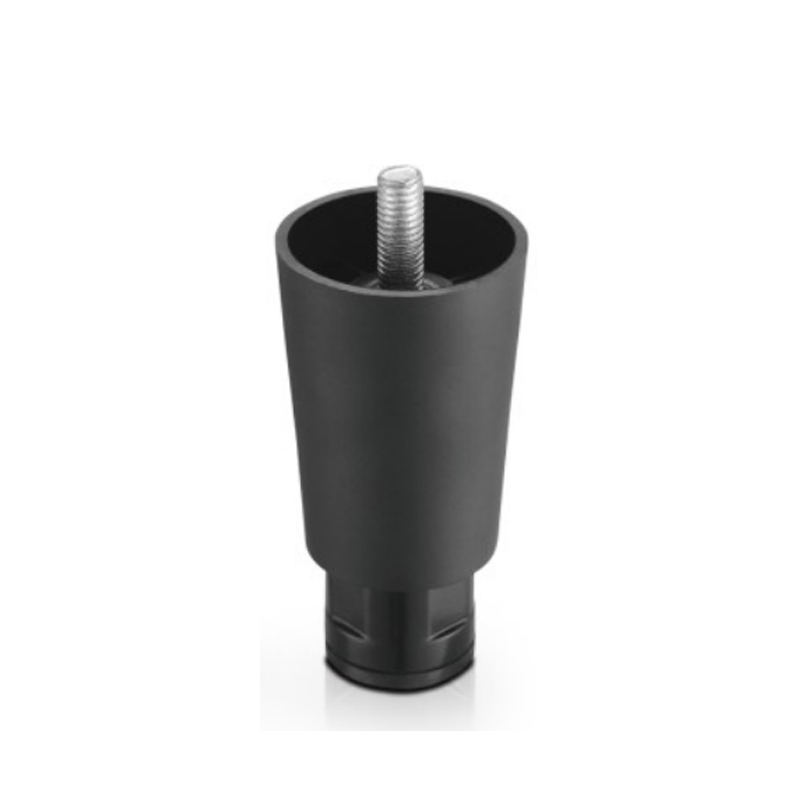
Support components need to maintain performance throughout the equipment lifecycle. Quality evaluation helps reduce replacement issues after installation.
What quality checks should buyers discuss with suppliers?
Before ordering, buyers may review material specifications, production consistency, dimensions, surface treatment, and packaging protection.
For customized components, samples can help confirm:
-
Mounting compatibility;
-
Adjustment range;
-
Surface finish;
-
Structural design;
-
Overall fit with equipment.
These checks are especially useful for equipment manufacturers producing multiple models with different requirements.
Why is supplier communication important for custom components?
Support components are often designed according to specific equipment structures. Clear communication helps suppliers understand weight requirements, installation conditions, and expected usage.
A supplier should be able to discuss technical details rather than only provide standard products. This helps reduce mismatches between purchased components and final equipment designs.
How can Foshan Simple Technology Co., Ltd. support commercial kitchen equipment projects?
Foshan Simple Technology Co., Ltd. provides commercial kitchen products and related support for buyers requiring equipment components and kitchen solutions. Support is offered by the company through communication, product specifications, customization, and orders based on projects. In the case of equipment makers, contractors, and distributors, collaboration could require discussion of product information, installation requirements, packaging requirements, and delivery requirements. Even though buyers do not have to go through all these steps, comparisons should still be made when choosing a supplier.
Conclusion
Deciding whether to go for either adjustable legs or kitchen casters is dependent on how the equipment will be used, how it will be installed and the type of maintenance it will need. Adjustable legs can work well with equipment that needs to be positioned stably while casters can fit into applications where mobility is important. It is vital for the consumer to consider such factors as load-bearing capability, condition of the floors, cleaning procedures, and installation before deciding which option works best.
FAQs
1. Are adjustable legs or kitchen casters better for commercial kitchen equipment?
Neither option is better in every situation. Adjustable legs are suitable for stable installations, while kitchen casters are more suitable when equipment mobility is required.
2. What should I consider when choosing adjustable legs for kitchen equipment?
Buyers should check load capacity, adjustment range, material, mounting method, and resistance to the kitchen environment before purchase.
3. When should commercial kitchen equipment use casters?
Casters are suitable when equipment needs to be moved for cleaning, maintenance, or workspace adjustments. The caster type should match equipment weight and operating conditions.
4. Can adjustable legs and casters be used together?
Some equipment designs may combine fixed and mobile supports, depending on stability requirements and movement needs. The design should be confirmed based on the specific application.
5. How do I choose a supplier for commercial kitchen equipment components?
Buyers should evaluate product specifications, customization capability, quality control, delivery support, and technical communication before selecting a supplier.
