


5 Days a week from 8:30 am to 5:30 pm

Why IP69K Hood Lights Are Becoming the New Industry Standard
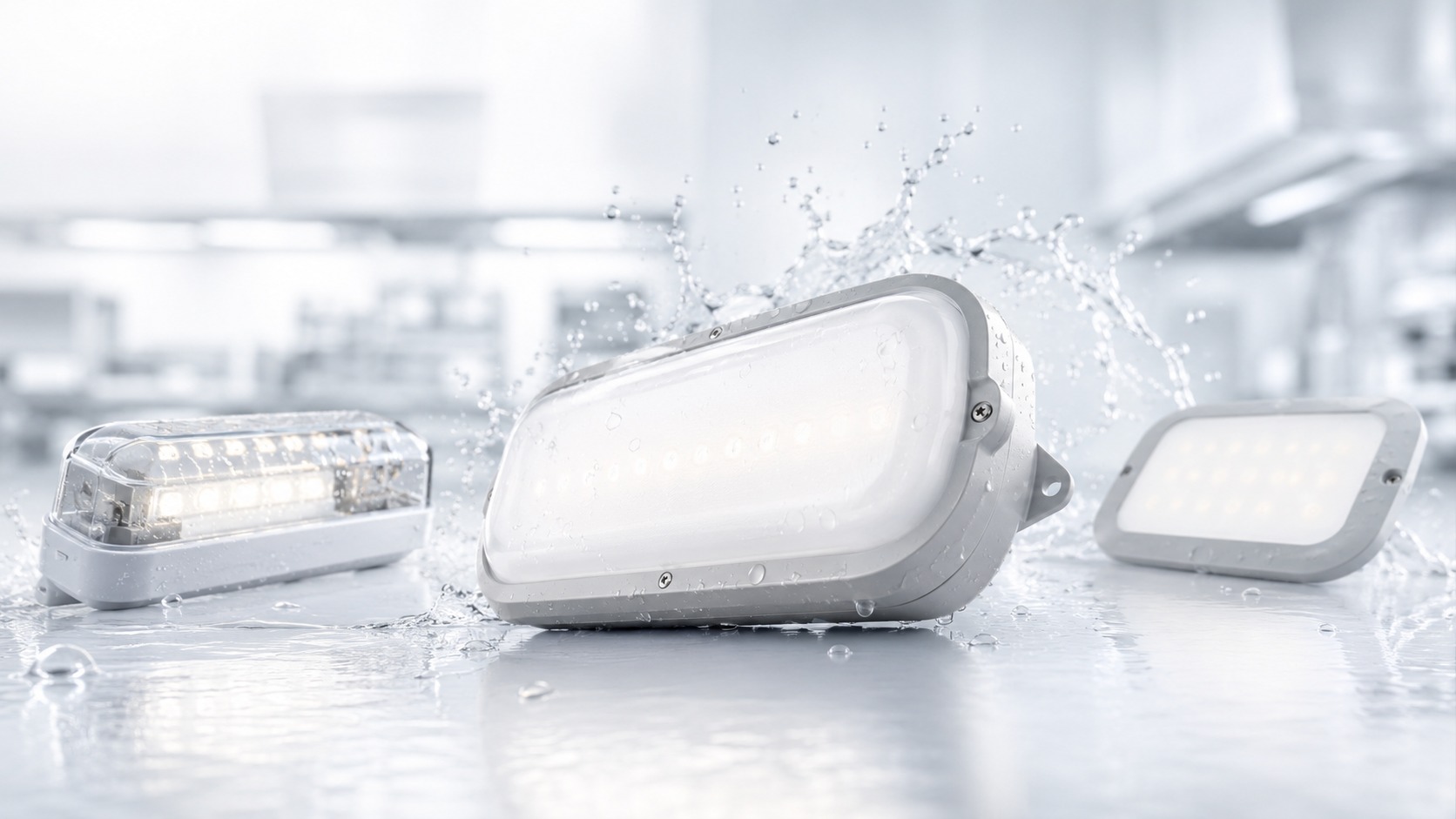
Commercial kitchens function in tough conditions where the lighting fixtures have to endure heat, moisture, grease, repeated cleaning, and long work hours. From the perspective of restaurant owners, kitchen installers, and equipment purchasers, selection of the right commercial hood lights goes beyond just illumination but involves factors such as safety, maintenance expenses, installation needs, and reliability. With increasing standards for cleaning, IP69K hood lights have become an option worth consideration due to their design suited for tough cleaning conditions.
Why are commercial kitchens looking for higher protection hood lights?
Lighting installed above cooking areas faces conditions that are different from ordinary indoor environments. Steam, oil particles, cleaning chemicals, and repeated washing can affect product performance if the lighting structure is not suitable.
What problems can traditional hood lights face in kitchen environments?
Lighting systems for kitchens are faced with many difficulties in their operation on a day-to-day basis. Water might get into the poorly secured housing, grease buildup might interfere with cleaning, and maintenance would interrupt the operation of the kitchen.
In commercial kitchens, problems with lighting systems are more complex than mere replacement. Inadequate lighting may interfere with workers’ vision when preparing meals, while frequent replacement will make more maintenance necessary.
This explains why consumers consider protection ratings, housing material, sealing structure, and cleaning requirements before buying commercial kitchen equipment.
Why is IP69K protection important for hood lighting applications?
IP69K is a code for protection from both dust and jet spray washing at high pressure and temperature. This classification is usually applied to those devices that must endure intensive cleaning procedures.
As for the hood lights designed for use in commercial kitchens, this degree of protection can be appropriate if the appliance has to endure the procedure of direct cleaning and moisture.
Nevertheless, having an IP69K class does not make the device appropriate for any kitchen at all times.
How does IP69K hood light design improve kitchen lighting reliability?
Protection performance depends on more than the rating label. Product structure, materials, and manufacturing details all influence how lighting equipment performs in real working environments.
What design features should buyers check in a waterproof hood light?
A waterproof hood light usually relies on several design elements working together, including sealing structures, housing materials, cable entry protection, and internal component protection.
When evaluating a product, buyers should review:
| Feature | Why It Matters |
|---|---|
| Housing material | Affects durability and resistance to kitchen conditions |
| Sealing design | Helps reduce moisture and contaminant entry |
| Electrical protection | Supports safer operation in wet environments |
| Mounting structure | Influences installation stability |
| Cleaning compatibility | Determines suitability for maintenance procedures |
The protection level should match the actual environment. A light installed in a high-cleaning area may require different considerations from one installed in a less exposed location.
How does heat management affect hood light performance?
Commercial kitchen lighting operates close to cooking equipment, where surrounding temperatures may be higher than normal indoor spaces. Heat management becomes an important design consideration because excessive heat can influence electronic components over time.
Buyers should consider how the lighting system handles heat generated by the LED components and surrounding kitchen conditions. Housing design, component selection, and installation position all influence thermal performance.
A suitable commercial hood light should balance water protection, cleaning requirements, and heat control.
What should buyers compare when selecting commercial hood lights?
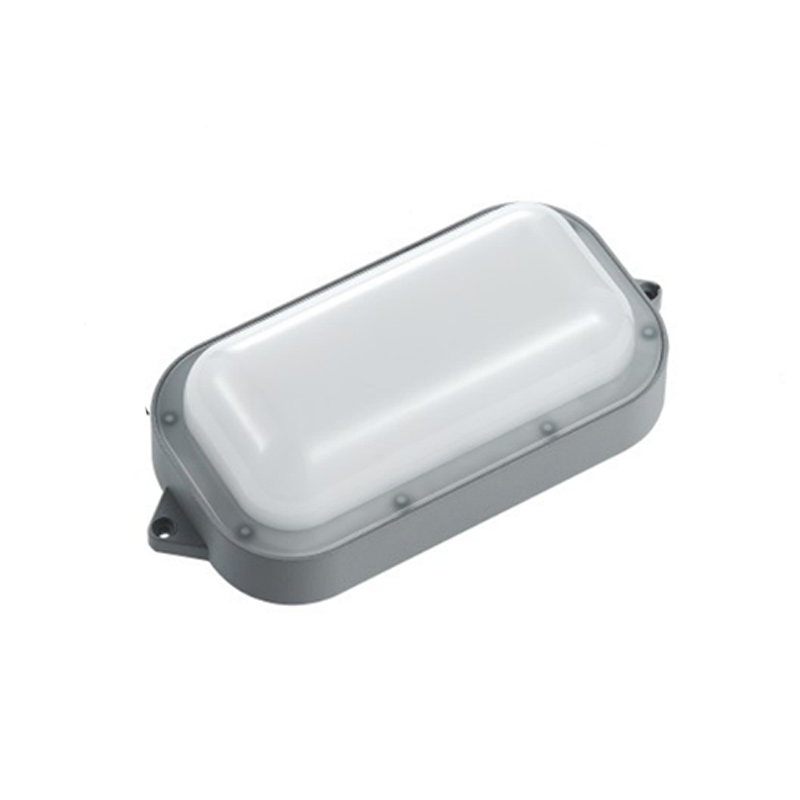
Choosing a hood light requires evaluating the complete application rather than focusing on one specification.
Which specifications are important for commercial kitchen lighting?
Different kitchens have different requirements depending on layout, cooking methods, and operating schedules.
Before purchasing, buyers commonly compare:
| Specification | Buyer Consideration |
|---|---|
| Protection rating | Is it suitable for cleaning and moisture exposure? |
| Light output | Does it provide enough visibility for the workspace? |
| Color quality | Does it support accurate visual inspection? |
| Installation method | Does it fit the existing hood structure? |
| Maintenance needs | Is replacement or cleaning practical? |
The correct specification depends on the kitchen environment. A small restaurant kitchen and a large commercial food preparation area may have different lighting requirements.
Why should buyers consider maintenance when selecting hood lights?
Commercial kitchens often operate for extended hours, and maintenance time can affect daily operations. Lighting products that are difficult to access or clean may increase labor requirements.
When evaluating commercial hood lights, buyers should consider installation accessibility, replacement procedures, and compatibility with routine cleaning processes.
A product that fits the working environment and maintenance routine can help reduce unnecessary interruptions.
How can buyers evaluate the quality of IP69K hood lights before purchase?
Product appearance alone cannot show how lighting equipment will perform after installation. Buyers should review technical information and supplier support before confirming orders.
What quality checks should buyers discuss with suppliers?
Before purchasing, buyers may request product specifications, installation information, and available testing documents related to the product.
Important areas to review include:
-
Housing construction;
-
Sealing method;
-
Electrical specifications;
-
Installation requirements;
-
Packaging protection.
Buyers should also confirm that product information matches the actual application. A specification suitable for one environment may not meet the requirements of another.
Why are samples and installation tests useful?
Samples allow buyers and contractors to check practical details before larger orders. This may include mounting position, connection method, light distribution, and overall compatibility with existing kitchen equipment.
For commercial projects, early evaluation can help identify installation problems before they affect the complete project schedule.
How do commercial kitchen contractors choose a reliable hood light supplier?
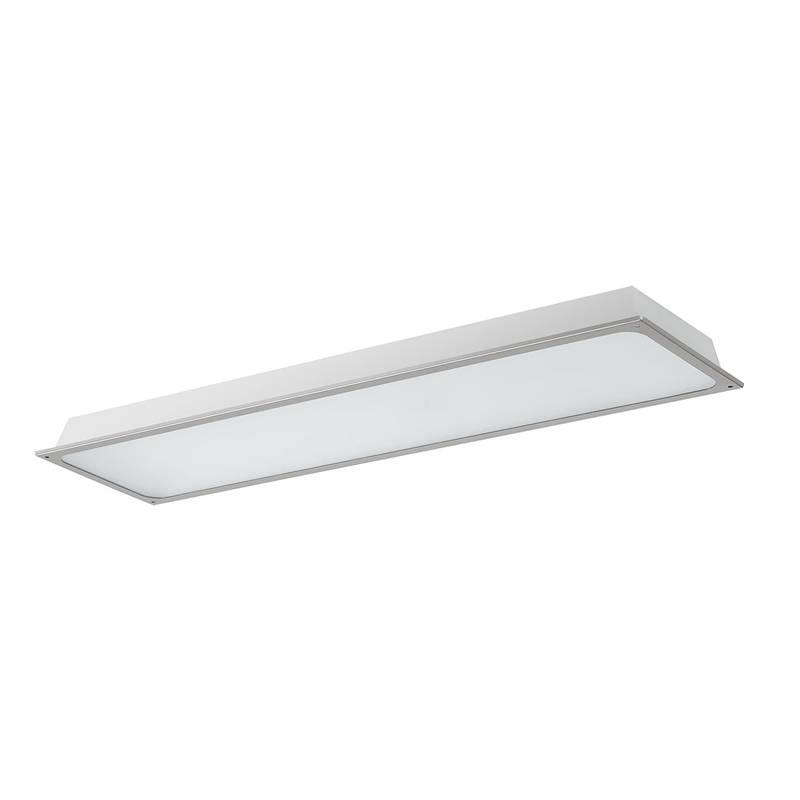
Supplier selection affects product consistency, communication, and future purchasing decisions.
What should buyers evaluate in a commercial hood lights supplier?
A reliable supplier should be able to provide clear product information, respond to technical questions, and support buyers during specification confirmation.
Buyers may evaluate:
-
Product range;
-
Customization capability;
-
Technical communication;
-
Quality inspection process;
-
Packaging method;
-
Delivery arrangement.
A supplier that understands commercial kitchen requirements can provide more practical recommendations during the selection process.
How do delivery and packaging affect lighting equipment purchases?
Lighting products require proper protection during transportation because damage to housings, electrical components, or packaging may affect installation schedules.
Before ordering, buyers should confirm packaging methods, lead time, order quantities, and delivery arrangements. Clear communication helps reduce unexpected problems during project preparation.
How can Foshan Simple Technology Co., Ltd. support commercial kitchen lighting projects?
Foshan Simple Technology Co., Ltd. is a provider of commercial kitchen products, featuring lighting solutions within the hood lighting category tailored to the needs of professional kitchens. The firm assists the buyer in choosing and communicating the specifications, customizing and coordinating the project. In regard to kitchen contractors, distributors, and buyers of equipment, collaboration could include installation conditions, lighting needs, product specifics, and delivery issues.
Conclusion
In choosing the right commercial hood light, one must consider protection level, installation location, maintenance, and dependability of products. Perhaps IP69K hood lights could be a good fit for commercial kitchens where cleaning and exposure to moisture are critical considerations. The buyers have to assess the technical specification and ability of the supplier to provide the products. The choice of lighting solution will depend on the kitchen environment and its operational needs but not just based on one product characteristic.
FAQs
1. What is an IP69K hood light used for?
An IP69K hood light is designed for applications where strong protection against dust and high-pressure, high-temperature water cleaning is required. It is commonly considered for demanding environments such as commercial kitchens.
2. Is IP69K better than other protection ratings for kitchen lighting?
IP69K provides a high level of protection, but the suitable rating depends on the actual installation environment, cleaning method, and operating conditions.
3. What should I check before buying commercial hood lights?
Buyers should review protection rating, installation method, light output, housing material, maintenance requirements, supplier support, and available product documentation.
4. Can IP69K hood lights be customized for different kitchen applications?
Customization options depend on supplier capabilities and may include product structure, installation requirements, and project-specific specifications.
5. How can I choose a reliable commercial hood light supplier?
Buyers should evaluate product information, technical support, quality control processes, delivery capability, and communication before selecting a supplier.
