


5 Days a week from 8:30 am to 5:30 pm

Does Fan Guard Design Affect Airflow? A Practical Guide for Commercial Kitchen Equipment Buyers

Airflow performance is very crucial in commercial kitchens in terms of efficiency of ventilation, operation, and maintenance of the equipment. While most people will pay attention to the fan motor or the ventilation unit itself, the fan guard is also another important factor which can affect airflow conditions, protection, and reliability. Choosing the right fan guard entails several factors including design and construction, materials, environment of installation, cleaning, and compatibility with the entire kitchen equipment system.
How does fan guard design influence airflow performance?
The fan guard is designed to protect rotating components while allowing air to pass through. Its structure can affect airflow resistance, noise conditions, and the overall performance of the ventilation system.
Why does the opening structure of a wire fan guard matter?
The wire fan guard normally employs a grid system or wires to offer some sort of protection without hindering the flow of air through the grid or the wire network.
Excessively blocked designs will present more resistance, but an ideal design for a wire fan guard will offer the protection without unnecessary resistance. For commercial kitchen equipment, buyers should consider the balance between safety protection and ventilation requirements.
When evaluating a wire fan guard, buyers may review:
| Design Factor | Buyer Consideration |
|---|---|
| Wire spacing | Affects airflow passage and protection level |
| Wire thickness | Influences strength and airflow resistance |
| Guard diameter | Needs to match fan size |
| Mounting structure | Affects installation stability |
| Surface treatment | Influences durability and cleaning |
The suitable design depends on the fan application, operating environment, and protection requirements.
Can fan guard design affect fan noise and operation?
Airflow changes caused by guard structure may also influence operating conditions. When air movement is restricted, the fan system may experience different airflow patterns, which can affect noise levels and operating stability.
However, fan performance depends on multiple factors, including motor specifications, fan blade design, installation position, and surrounding airflow conditions. A fan guard should be evaluated as part of the complete system rather than as an isolated component.
What materials should buyers consider when selecting a cooling fan guard?
Material selection affects durability, maintenance, and suitability for different environments. Commercial kitchen equipment often operates in areas exposed to heat, moisture, grease, and frequent cleaning.
How do different materials affect fan guard durability?
A cooling fan guard needs to provide mechanical protection while maintaining its structural condition during operation.
Common considerations include:
-
Resistance to corrosion;
-
Structural strength;
-
Surface condition;
-
Cleaning requirements;
-
Compatibility with the installation environment.
For instance, devices that are used in an environment with increased humidity levels will need to have better corrosion resistance than regular indoor equipment.
It is vital for purchasers to establish the kind of material and surface treatment before buying the appliance, especially in the case of commercial kitchens..
What environmental conditions should buyers evaluate?
The same fan guard design may perform differently depending on where it is installed.
Before selecting a product, buyers should consider:
-
Operating temperature;
-
Exposure to moisture;
-
Contact with cleaning agents;
-
Installation location;
-
Frequency of maintenance.
A suitable fan guard should match the actual working environment instead of being selected only by appearance or price.
How should buyers choose the right fan guard for commercial kitchen equipment?
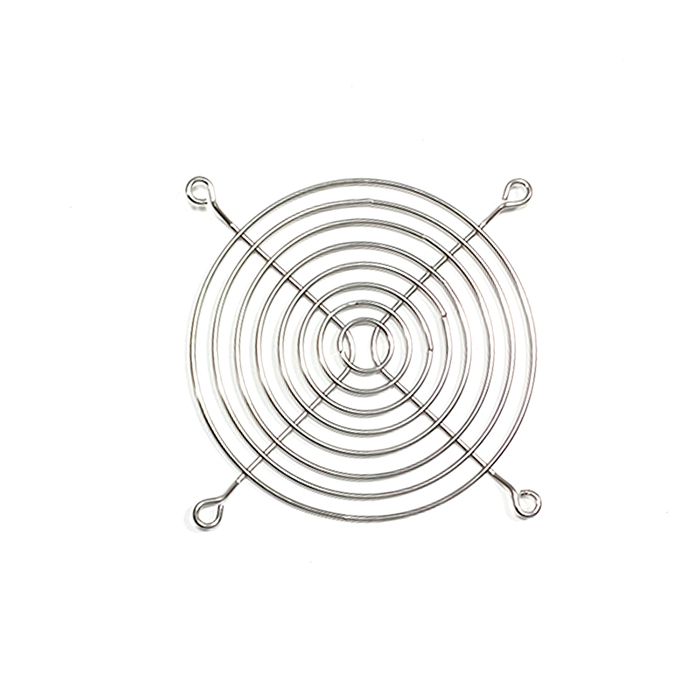
Commercial kitchen equipment requires components that can support daily operation and maintenance routines. A suitable fan guard should match both the equipment design and working conditions.
What specifications should be checked before ordering?
Before purchasing a fan guard, buyers should confirm key specifications to avoid compatibility issues.
Important details include:
| Specification | Why It Matters |
|---|---|
| Fan size compatibility | Ensures correct installation |
| Mounting method | Affects assembly and stability |
| Material type | Determines environmental suitability |
| Guard structure | Influences protection and airflow |
| Packaging method | Helps prevent transportation damage |
Incorrect dimensions or mounting methods may create installation difficulties and additional adjustment work.
Why is installation compatibility important?
Even a suitable fan guard can create problems if it does not match the existing equipment structure. Buyers should confirm installation space, fixing points, and connection methods before placing orders.
For equipment manufacturers and contractors, early specification confirmation can reduce modifications during assembly and help maintain project schedules.
How can buyers evaluate fan guard quality before bulk purchasing?
Quality inspection is an important part of supplier selection, especially for repeated orders or customized components.
What should buyers check during sample evaluation?
A sample review allows buyers to examine details that cannot always be confirmed through product images or specifications.
During evaluation, buyers may check:
-
Wire structure consistency;
-
Surface finish;
-
Dimensional accuracy;
-
Mounting position;
-
Overall workmanship.
For customized fan guards, approved samples can provide a reference for future production batches.
How does production consistency affect long-term purchasing?
For distributors and equipment manufacturers, maintaining consistent product quality across different orders is important.
Variations in wire spacing, dimensions, or surface treatment may create assembly issues or affect the final appearance of equipment.
A supplier with clear production control procedures can help reduce differences between samples and delivered products.
What should buyers consider when selecting a cooling fan guard supplier?
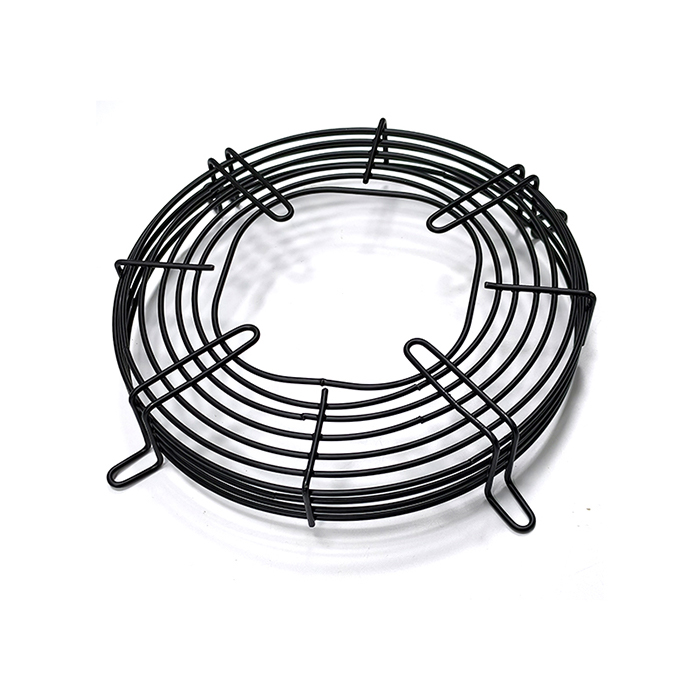
Supplier selection affects not only product quality but also communication, delivery, and future cooperation.
Which supplier capabilities should buyers review?
Before cooperation, buyers should evaluate whether the supplier can provide:
-
Clear product specifications;
-
Customization support;
-
Sample development;
-
Quality inspection;
-
Packaging solutions;
-
Delivery coordination.
A supplier should be able to discuss technical details and recommend suitable options based on the actual application.
Why do delivery and packaging matter for fan guard purchases?
Although fan guards are relatively simple components, transportation damage or incorrect packaging can affect installation and project progress.
Buyers should confirm:
-
Production lead time;
-
Order quantity;
-
Packaging method;
-
Shipping requirements;
-
Delivery schedule.
Clear communication before shipment helps reduce unexpected problems during receiving and assembly.
How can Foshan Simple Technology Co., Ltd. support commercial kitchen product projects?
Foshan Simple Technology Co., Ltd. provides commercial kitchen products and related solutions for buyers requiring equipment components and kitchen application products. The firm provides assistance to customers via product communications, specification checking, customization talks, and ordering according to project specifications. For contractors, distributors, and purchasers of equipment, cooperation may require analysis of product specifications, installation conditions, packaging requirements, and delivery. Nevertheless, the buyer still needs to make an assessment of specifications, documentation, price, and delivery before choosing a supplier.
Conclusion
Fan guard design can influence airflow conditions, protection performance, and equipment compatibility in commercial applications. Buyers should evaluate wire fan guard structure, material selection, installation requirements, and supplier capability before making a purchase decision. A suitable cooling fan guard depends on the specific equipment design and operating environment rather than a single specification. Careful evaluation of samples, documentation, and production consistency can help reduce sourcing risks. Selecting the right component supplier supports more stable equipment development and maintenance planning.
FAQs
1. Does a fan guard affect airflow performance?
Yes. The structure of a fan guard, including wire spacing and design, can influence airflow resistance. However, overall airflow performance also depends on the fan motor, blade design, and installation conditions.
2. What is a wire fan guard used for?
A wire fan guard protects rotating fan components while allowing air to pass through. It is commonly selected for applications where both safety protection and airflow are required.
3. How do I choose the right cooling fan guard?
Buyers should check fan size compatibility, material, mounting method, operating environment, cleaning requirements, and supplier specifications before purchase.
4. Can fan guards be customized for commercial kitchen equipment?
Customization options depend on supplier capability and may include dimensions, mounting structure, materials, and design requirements based on the equipment application.
5. What should I ask a fan guard supplier before ordering?
Buyers should confirm product specifications, samples, quality inspection methods, production capability, packaging, delivery time, and technical support.
