


5 Days a week from 8:30 am to 5:30 pm

Warm White or Cool White Hood Lights: Which Is Better for Professional Kitchens?
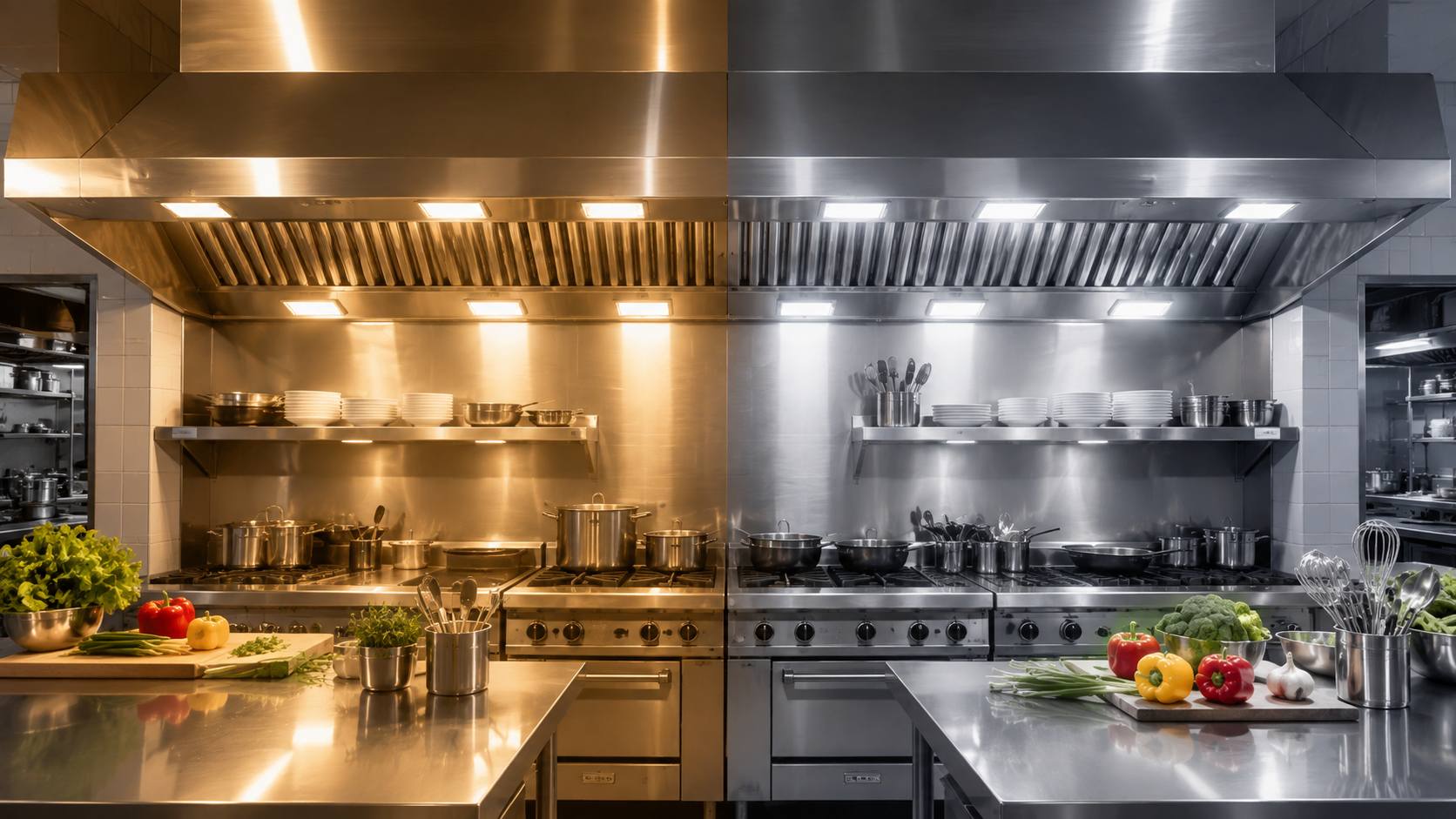
Choosing between warm white or cool white hood lights has other implications besides the appearance of the cooking line. The color temperature will affect the appearance of ingredients, grease, steam, stainless steel, and dishes. Plus, it may be critical to check cleaning as well as present visual appeal when comparing the kitchen to the service counter. For commercial kitchens, it often boils down to illumination tasks, ambient lighting, color rendition, glare reduction, and the type of cuisine. When selecting between cool white or warm white, it helps to take the whole lighting system rather than focus just on the color temperature.
How Do Warm White and Cool White Hood Lights Change Kitchen Visibility?
Warm white and cool white describe the visual tone of the light, usually expressed as correlated color temperature. Warm light appears more yellow, while cool light appears whiter or slightly blue. Neither is automatically brighter.
What Does Warm White Reveal Well?
Warm white hood lights can make bread, roasted meat, sauces, fryer items, and plated meals look more appealing. It is frequently simple to match them with the restaurant’s lighting design and lessen the harshness of the stainless-steel surfaces.
The only downside to using such hoods is that overly warm light can make white surfaces appear off-white and neutralize colors, lowering the contrast between light and dark areas where staff need to evaluate paleness against translucent fats or check subtle color variations. In these cases, the most appropriate lighting will have a reduced color temperature but a high Color Rendering Index and sufficient lux.
Where Does Cool White Improve Task Recognition?
Cool white light tends to provide a more distinct image, thus making the surfaces of preparation, utensils, and equipment safer. It also enables spotting crumbs, greasy films, spills, and differences in similar light ingredients.
On the other hand, overly cool light may make foods look less appetizing and create harsher working conditions for staff, which is why it is important to assess how much such a source would dazzle, diffuse, and blend in with other ceiling lights.
Which Color Temperature Fits Different Professional Kitchen Tasks?
The cooking method, inspection requirement, and service style should guide the decision. A bakery, open kitchen, commissary, and quick-service line do not necessarily need the same light.
When Is Warm White More Suitable?
Warm white can work well in open kitchens, bakeries, cafés, rotisserie areas, and spaces where customers can see the cooking line. It supports a warmer visual presentation and may keep food appearance closer to dining-room lighting.
It is also worth considering when staff mainly monitor browning, crust development, sauce color, and plate presentation. The hood light still needs enough coverage to prevent dark areas around burners, grills, or worktops.
When Is Cool White More Practical?
Cool white may be perfect for high-volume work lines, commissaries, dishwashing areas, and kitchens where clean presentation and inspection are a priority, along with bright contrast to differentiate tasks. It can be paired with neutral or cool overhead lighting to allow accurate color assessment of dishes and food as they move through the line.
Avoid mixing different color temperatures of light, as the difference in color balance between the overhead and under-hood lighting can cause false color perception of food and surfaces as they move from one area to another. The best practice is to ensure that the overall color balance of the two lighting systems is as similar as possible.
Why Do Color Rendering, Glare, and Light Distribution Matter More Than Kelvin Alone?
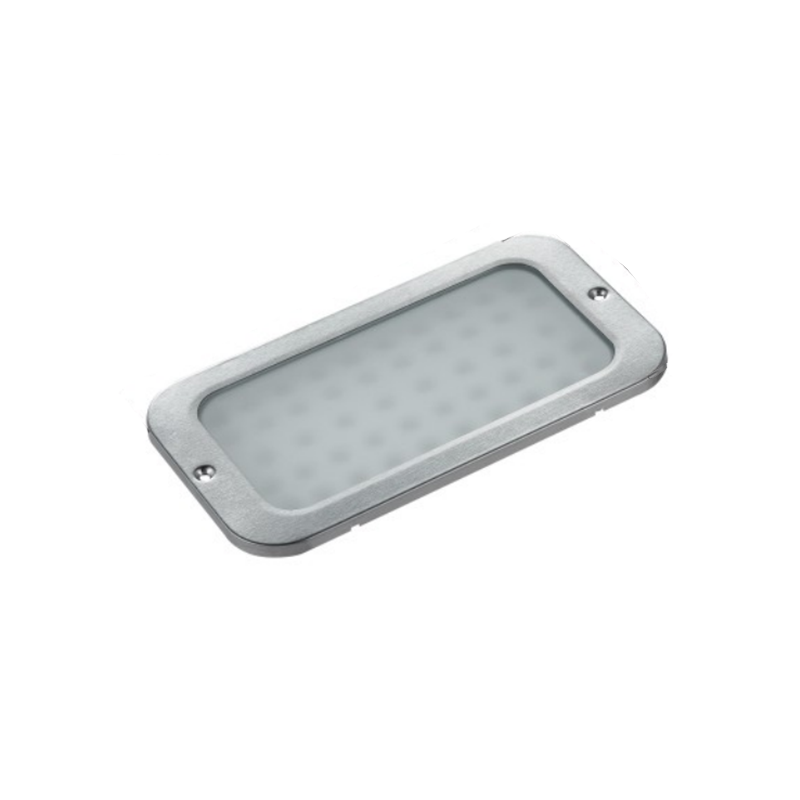
Two hood lights with the same color temperature can perform very differently. Color rendering, optical design, diffuser quality, and mounting position determine whether the light is useful at the cooking surface.
How Does Color Rendering Affect Food and Cleaning Checks?
Color rendering in lighting is a quality attribute that determines to what extent colors appear as desired relative to a reference source. Poor rendering capability devalues meat, vegetables, sauces, fried foods, and other culinary preparations by altering their hues in undesirable ways, thus obstructing the visual assessment of their preparation level and freshness.
When purchasing, therefore, it is necessary to verify the color rendering index alongside the appearance of various food items under the selected lights since having a high rating is not sufficient. This is because diverse shades of reds, greens, and neutrals may appear unnatural under different Light Emitting Diode (LED) packages.
What Causes Glare and Uneven Coverage?
The sources of glare usually originate from particular points such as LEDs, polished reflectors, clear covers, or the angle directed towards the operator’s eyes. Steam and glossy utensils could also contribute to glare.
A frosted cover may solve this problem, however, a badly designed optics may lead to limited light spreads, short fixture length, low mounting height, shallow hoods, and misaligned shields or filters.
What Technical Specifications Should Buyers Check Before Ordering?
A hood light operates in heat, grease, vapor, vibration, and frequent cleaning. Reliability depends on the enclosure, electrical components, seals, materials, and maintenance access as well as color temperature.
Which Construction Details Affect Service Life?
The housing, lens, gasket, cable entry, fasteners, and brackets should tolerate the intended temperature and cleaning routine. Grease can cloud some plastics, while harsh chemicals may attack seals or markings.
The fixture should be easy to wipe without leaving residue traps. Buyers should review lens material, surface finish, cable protection, connector type, and the method used to prevent loosening. Replaceable modules help only when compatible spare parts remain available.
Which Electrical and Performance Data Are Essential?
Specify input voltage, wattage, luminous output, color temperature tolerance, color rendering, beam angle, operating temperature, and switching method. If the light connects to the hood control panel, circuit and switch compatibility must be confirmed.
Consistency across fixtures is important. A color mismatch between two lights on the same hood can make the installation look defective. Color and brightness tolerances should therefore appear in the approved specification.
How Should Buyers Compare Samples and Kitchen Equipment Suppliers?
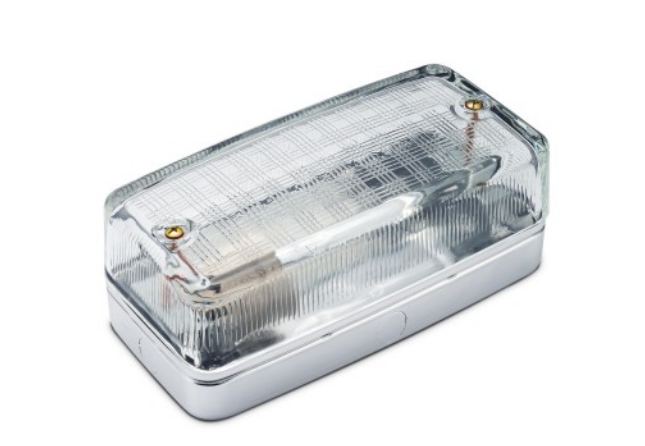
A sample should be tested in a working hood rather than on a desk. Stainless steel, steam, food colors, and surrounding lights change how the source appears.
What Should Be Evaluated During a Trial?
Install the sample at the intended height and view it from normal working positions. Check surface visibility, ingredient color, glare, shadows, reflections, and dark areas around equipment.
Run the hood, burners, and nearby lighting together. After exposure to heat, vapor, and routine cleaning, inspect the lens, cable route, mounting stability, switch response, and maintenance access.
Which Supplier Controls Reduce Purchasing Risk?
Request drawings, materials, electrical specifications, chromaticity tolerance, inspection details, packaging instructions, and replacement-part policies. The approved sample should be identical to production in terms of housing, LED source, driver, diffuser, cable, and mounting hardware.
Changes in the LED package, driver, lens, gasket, connector, or finish can affect color rendition, luminous flux, temperature rise, or mechanical stability. The buyer should be notified of any proposed substitutions and should always have an approved sample on hand for comparison with subsequent orders.
How Can a Commercial Kitchen Product Supplier Support Hood Lighting Selection?
Foshan Simple Technology Co., Ltd. supplies commercial kitchen products for food-service equipment and kitchen project applications. Buyers can provide hood dimensions, mounting position, cooking equipment, input voltage, desired color temperature, required coverage, cleaning method, and operating environment. Samples should be checked for light distribution, glare, food color appearance, housing temperature, lens condition, cable routing, switch compatibility, and mounting stability. Quotations should identify the approved fixture, electrical specifications, materials, accessories, packaging, lead time, and inspection items. Before production, both parties should approve drawings, physical samples, color tolerance, brightness requirements, mounting details, labels, and formal production change-notification procedures for future repeat orders.
Conclusion
Warm white or cool white hood lights should be selected according to the kitchen’s actual visual tasks, not by appearance alone. Warm white can support food presentation and a softer atmosphere, while cool white may improve contrast for preparation and cleaning checks. Color rendering, glare control, beam distribution, heat resistance, and consistency with surrounding fixtures remain equally important. A realistic installation trial gives buyers a more reliable basis for selecting professional kitchen hood lighting.
FAQs
1. Are Cool White Hood Lights Brighter Than Warm White Lights?
Not necessarily. Perceived brightness depends on luminous output, beam angle, surface reflectance, diffuser design, and room lighting. Color temperature changes visual tone, not the fixture’s measured light output by itself.
2. Which Hood Light Color Is Better for Checking Food Doneness?
A neutral-to-cool white source with strong color rendering can make color differences easier to see. The final choice should be tested with the actual foods and surrounding kitchen lighting.
3. Is Warm White Suitable for an Open Professional Kitchen?
Yes. Warm white can create a more inviting appearance and coordinate with dining-area lighting. Buyers should still verify task visibility, color rendering, glare, and coverage over the cooking equipment.
4. What Color Temperature Should Match Existing Kitchen Ceiling Lights?
The hood light should usually stay reasonably close to the surrounding fixtures to avoid visible color shifts. Exact matching depends on the kitchen layout, task area, and desired atmosphere.
5. What Should Buyers Inspect in Professional Kitchen Hood Light Samples?
Inspect color consistency, food appearance, glare, beam coverage, shadows, housing temperature, lens durability, cable protection, mounting stability, switch compatibility, cleaning access, and performance with the exhaust hood operating.
