


5 Days a week from 8:30 am to 5:30 pm

Common Hinge Failures in Commercial Refrigeration Equipment
A refrigerator door rarely hangs completely. It usually sags by several millimeters, its gasket wears at one of the corners, or its self-closing mechanism is damaged. All these factors are significant since the refrigerator door is opened and closed several times during a shift. In most cases, commercial refrigerating equipment door hinges malfunction due to incorrect load, mounting, damaged pins or cams, corrosion, and misalignment. The diagnosis of these failures begins with the entire door assembly.
Why Does a Refrigeration Door Begin to Sag or Drag?
A sagging door is usually carrying its weight through the wrong points. The lower hinge may be worn, the upper bracket shifted, or the cabinet skin flexing around loose fasteners. Replacing the hinge without checking those areas often brings it back.
What Does Uneven Wear Look Like in Practice?
One common sign is a latch-side corner that drops while the hinge side still appears tight. The gasket may compress heavily at the bottom and barely touch at the top. Staff then pull harder on the handle, adding more leverage to the damaged mounting area.
Look for oval holes, polished pins, cracked bushings, bent leaves, and rubbing marks. Inspect the door with its shelves loaded. Bottles or containers can change alignment enough to expose a marginal hinge.
When Is the Cabinet Structure the Real Problem?
If fasteners will not hold torque, the backing plate or cabinet panel may already be distorted. A larger screw can make the door appear level briefly, but the load path remains weak.
Check whether the cabinet is level, the frame is square, and the door is twisted. On paired doors, compare the reveal between panels. A replacement hinge cannot compensate for a bent frame, collapsed panel, or mounting surface pulled away from its reinforcement.
Why Does a Self-Closing Door Stop Closing Properly?
Self-closing hardware depends on a cam, spring, gravity profile, or a combination of these features. When a door stops short, rebounds, or slams, the closing mechanism is only one possible cause.
How Do Cams, Springs, and Bushings Fail?
Cam surfaces wear gradually and may develop a flat spot near the closing position. Springs lose force, while bushings develop clearance that lets the door shift as it moves. Grease and food residue can make the mechanism sticky after repeated cleaning.
Open the door slowly and listen. Roughness at the same angle points toward cam or pin damage. Side movement suggests bushing or bracket wear. A smooth hinge that still will not close may indicate gasket resistance, cabinet tilt, or interference elsewhere.
Why Can More Spring Force Make the Situation Worse?
A heavier tension spring may close the door, but it also increases the difficulty of opening and puts more pressure on the hinges. Stronger springs can’t fix a swollen door frame, out-of-square hinges, or a door that rubs the floor.
The door should travel freely before adjustment. Check gasket seating, latch alignment, floor clearance, and nearby panels. Test from several opening angles afterward. A door that closes only from fully open still has a functional problem.
How Do Corrosion and Cleaning Practices Damage Hinges?
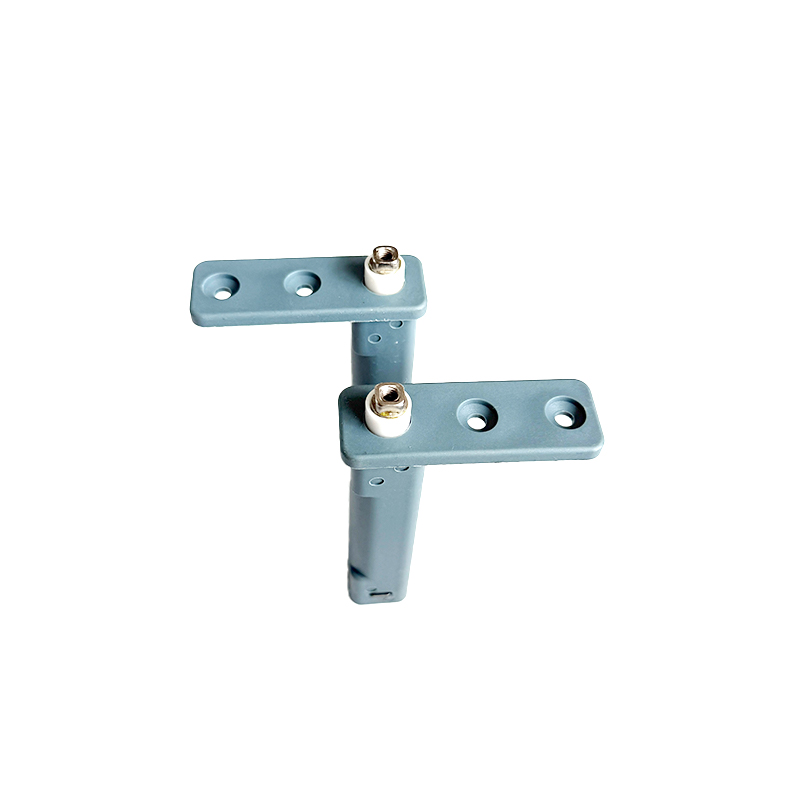
Commercial refrigeration hardware works around condensation, grease, food residue, and strong cleaners. Corrosion often starts under fastener heads, inside pin joints, or along damaged plated edges.
Which Materials and Finishes Need Closer Review?
Stainless steel, plated carbon steel, and polymer-bushed assemblies differ from one another, as they react differently to the loads applied to them and the chemicals they are exposed to. Stainless steel parts are more resistant to a variety of kitchen conditions than the others, although improper selection or exposure to certain contaminants may lead to staining or pitting. Plated components depend on an intact finish at cut edges and moving interfaces.
Fastener compatibility matters too. Dissimilar metals in a wet joint can create localized corrosion. Cold rooms, outdoor units, seafood processing, and frequent washdown require a specification tied to the real environment rather than a general “commercial kitchen” label.
Can Routine Sanitation Shorten Hinge Life?
High-pressure rinsing may force water and chemicals into the hinge. Using abrasive pads may damage the protective finish, while highly concentrated solutions may attack the plating, seals, or polymer bushings. A pastelike material may stick on the hinge, causing friction.
The maintenance instructions should indicate approved chemicals for cleaning, rinsing, and lubrication. Excess oil may cause attracting dirt or transferring to other surfaces, for example, the food area. Sealed pivots or other constructions that allow removing and replacing the cover may be necessary if frequent cleaning is required.
What Installation Mistakes Cause Repeat Hinge Failures?
Many repeat failures begin during replacement. The new hinge looks similar and the holes line up, yet its offset, pin position, or cam profile differs slightly. The error may not appear until the gasket wears or the door is loaded.
Which Dimensions Must Match Before Installation?
Handedness, hole spacing, vertical offset, pin diameter, opening angle, hinge thickness, and closing mechanism need confirmation. Door weight and center of gravity also matter. Two hinges with the same outer shape may have different load capacity or spring behavior.
Use a drawing or measured reference rather than photographs. Compare the old part only when it is known to be original; an earlier incorrect replacement can mislead the next repair.
What Should Be Checked After the Door Is Mounted?
Tighten the hinges in sections while supporting the door, then check the door opening and closing in the fully opened position along the line of the opening path. Check the gap around the cabinet and ensure that the door latch closes properly without having to pull the door.
Ensure that the gasket makes contact with the loaded shelves. Check the torque of the hinges after the first use due to possible loss during operation. In case of hearing a click or a shift sound or a burning smell from the hinge pivot, stop using the door until the hinges are checked. This is vital to avoid irreversible deformation of the mounting holes and incorrect door positioning.
How Should Buyers Compare Replacement Hinges and Suppliers?
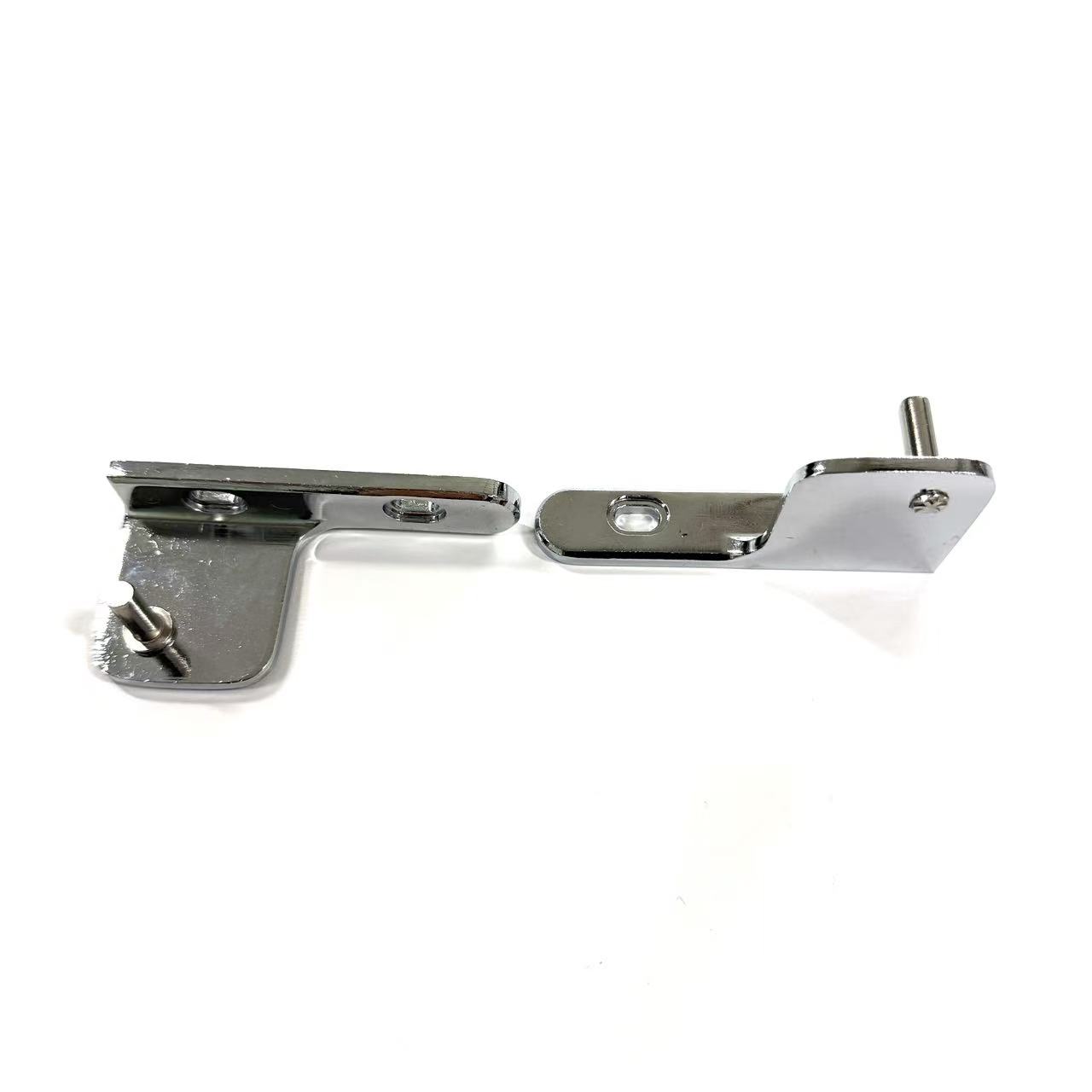
A useful specification connects the hinge to the equipment, environment, and maintenance practice. Ordering by appearance or a generic part description leaves too much room for mismatch.
What Information Should Be Included in the Inquiry?
Provide the cabinet model, door dimensions, loaded weight, hinge location, handedness, mounting pattern, opening angle, closing requirement, temperature, cleaning method, and corrosion exposure. Dimensions and drawings prevent more errors than photographs.
The proposal should identify materials, finish, pin and bushing construction, cam design, and mounting method. Serviceable parts should be listed separately so maintenance teams know what can be replaced without changing the complete assembly.
Which Sample Checks Reveal Quality Problems Early?
Mount the sample on representative equipment and load the door as it will be used. Check free play, smoothness, closing force, alignment, fastener engagement, and gasket contact. Repeat the cycle after cleaning and temperature exposure where practical.
For repeat orders, control material thickness, hole location, pin size, cam geometry, bushing material, spring characteristics, and surface treatment. A substitution can change door position or closing behavior even when the hinge looks unchanged.
How Can a Commercial Kitchen Product Supplier Support Hinge Selection?
Foshan Simple Technology Co., Ltd. supplies commercial kitchen products and related hardware for refrigeration and food-service equipment. A hinge inquiry can include cabinet type, door dimensions, loaded weight, mounting position, opening direction, hole pattern, offset, self-closing requirement, operating temperature, cleaning method, and finish. Samples should be checked for dimensional fit, free play, pin movement, spring or cam action, fastener engagement, corrosion protection, and door alignment under load. Quotations should identify materials, construction, dimensions, accessories, packaging, lead time, and inspection points. Before production, buyers should approve drawings, physical samples, tolerances, functional criteria, and formal change-notification requirements for consistent production repeat orders.
Conclusion
Common problems associated with commercial refrigerator hinges usually originate in the improper alignment, closing pressure, or mounting arrangement. Sagging, binding, corrosion, worn cams, and inadequate mounting must all be evaluated on the commercial refrigerator repair line as entire door systems. Proper servicing of refrigerator hinges includes checking the cabinet, gasket, latch, load, and mounting before replacing any parts. The dimensional control of the refrigerator hinges, testing of representative samples, and maintenance of specifications for repeated orders are some of the techniques used to ensure that the same failure does not occur again.
FAQs
1. Why Does a Commercial Refrigerator Door Sag Even After a New Hinge Is Installed?
The mounting surface may be damaged, the replacement offset may be wrong, or the cabinet may be out of square. Door-shelf load, worn fasteners, and a twisted panel can also pull the door down.
2. Can a Worn Self-Closing Hinge Be Adjusted Instead of Replaced?
Adjustment can correct minor spring or alignment issues. Replacement is more appropriate when cams, pins, bushings, brackets, mounting holes, or springs show wear that prevents stable closing.
3. What Causes a Refrigeration Door to Rebound Instead of Staying Closed?
Possible causes include excessive spring force, gasket compression, cabinet misleveling, hinge overtravel, latch interference, or a door rubbing against the frame, floor, or nearby equipment.
4. Which Hinge Material Is Suitable for Wet Commercial Kitchens?
The choice depends on door load, chemicals, temperature, and washdown frequency. Stainless steel, protected steel, and polymer-bushed designs should be compared with compatible fasteners and mounting surfaces.
5. What Should Buyers Inspect in Commercial Refrigeration Hinge Samples?
Check dimensions, handedness, hole spacing, offset, pin movement, free play, closing force, surface finish, corrosion protection, fastener fit, gasket contact, and alignment with the door loaded.
