


5 أيام في الأسبوع من الساعة 8:30 صباحاً إلى الساعة 5:30 مساءً

Are Stainless Steel Pots Safe in Commercial Kitchens?
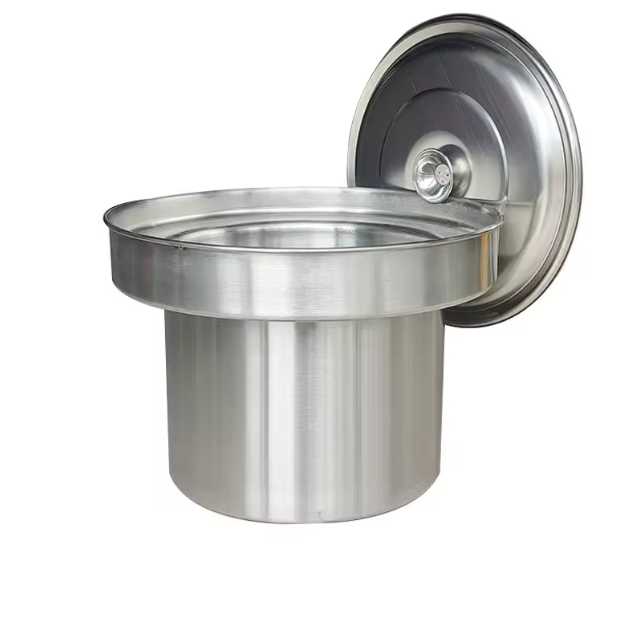
Acidic ingredients appear frequently in active commercial kitchens. Consider tomato stock, vinegar soups, citrus blends, pickled vegetables, and slowly cooked stews. These create ongoing stress on pots. The pot’s material affects food safety, cleaning work, its lifespan, and cooking outcomes.
A stainless steel pot emerges as a top choice for these demanding roles. It sees heavy use in soups, noodles, broths, stews, and hot water. The reason is clear. It cleans easily, withstands daily use, and interacts less with food than most other options. Yet, not every stainless steel pot manages intense commercial duties equally. Factors like steel type, construction method, surface finish, and general build influence how it copes with acidic ingredients and routine handling.
Why Stainless Steel Is Common in Acidic Food Preparation
In a commercial kitchen, acidic foods influence more than taste. They test pot durability over time. This applies in high-volume areas such as soup stations, noodle stations, buffets, hotel breakfasts, and event setups.
Stainless steel performs reliably in these settings. It provides a consistent cooking surface. Moreover, it requires less effort to maintain through washing, heating, and refilling.
A low-reactivity cooking surface matters
A main factor for choosing stainless steel pots with acidic foods is their reduced interaction compared to certain metals. This proves important for menus that include dishes such as:
-
tomato soup
-
sour broth
-
vinegar-based stew
-
citrus-flavored stock
-
soup bases held for extended simmering
Such a pot preserves the food’s natural flavor. This holds value in business environments. Consistent batches influence customer satisfaction and kitchen efficiency. Therefore, a pot that minimally alters tastes serves as a wise option for ongoing menus centered on soups, stews, noodles, and hot liquids.
Daily washing and repeated heat cycles change the standard
A pot in a commercial kitchen faces judgment beyond a single use. It endures evaluation based on performance after exposure to salt, acid, starch, grease, detergents, and strong heat repeatedly. One with a sleek, polished surface cleans quickly. Thus, it returns to service promptly. As a result, this reduces labor time and accelerates preparation in peak periods.
For this reason, purchasers in professional environments must look beyond basic suitability for acidic foods. They also need to assess its reliability after prolonged consistent operation.
201 vs 304 الفولاذ المقاوم للصدأ: Which Grade Makes More Sense?
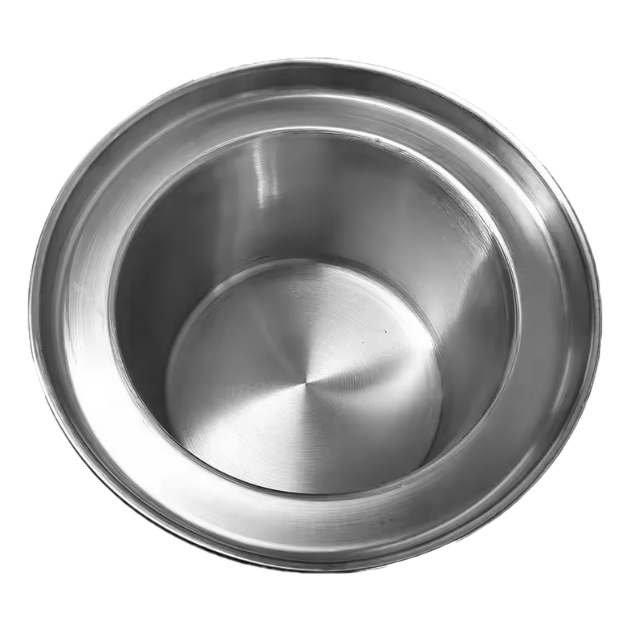
Steel grade represents a vital decision when selecting pots for business applications. Both 201 and 304 stainless steel feature in kitchen equipment. However, they vary in rust resistance.
In environments that frequently deal with acidic ingredients or extended cooking, 304 stainless steel generally offers greater durability.
Practical differences between 201 and 304
The table below shows key differences from a practical kitchen viewpoint.
| عامل | 201 الفولاذ المقاوم للصدأ | 304 الفولاذ المقاوم للصدأ |
| Corrosion resistance | Suitable for lighter-duty use | Better for acidic and high-moisture environments |
| Daily heavy use | Acceptable in some cases | Better suited to frequent commercial cooking |
| Repeated cleaning | Moderate durability | Better long-term performance |
| Soup, stew, broth, noodles | Usable | More stable for repeated service |
| Long-term value | Lower upfront cost | Better for demanding kitchens |
If a kitchen mainly involves quick boiling, 201 could suit specific arrangements. However, for operations preparing tomato soup, sour broths, slow stews, or abundant noodles, 304 stainless steel typically performs more effectively.
Lower price does not always mean lower cost
In a commercial kitchen, the actual cost of pots includes replacement frequency, cleaning duration, and potential for inconsistent results. An inexpensive pot that wears out quickly or becomes difficult to clean may increase expenses overall.
This is why selecting a stainless steel pot must align with the kitchen’s rhythm. One employed multiple times each day in a restaurant, cafeteria, hotel, or event space requires strong protection from acid, moisture, and frequent washing.
يمكن الفولاذ المقاوم للصدأ Pots Handle Long Simmering?
Extended simmering forms a basic activity in numerous commercial kitchens. It includes stock preparation, bone broths, sauce bases, noodle soups, and stews that simmer for hours. In these cases, the pot needs to retain liquid effectively. Additionally, it demands uniform heating, resistance to wear, and straightforward cleaning afterward.
Pot structure affects cooking performance
During extended simmering, construction quality plays a key role. A stainless steel pot that distributes heat uniformly minimizes hot spots. Consequently, it maintains consistency in soups, broths, or stews.
This benefits professional settings. The identical pot can manage various duties, including:
-
soup base production
-
noodle water heating
-
stew preparation
-
stock simmering
-
hot water service
Uneven heating causes food to adhere to the base. As a result, cleaning requires more time. Batch standards also decline. In a busy kitchen, such problems accumulate rapidly.
Long cooking time puts surface quality under pressure
When soup or broth simmers for hours, the internal surface finish becomes crucial. A polished interior allows easy rinsing, scrubbing, and inspection. In contrast, a coarse or flawed interior retains residues more readily, especially following starchy or protein-rich preparations.
In routine commercial operations, an excellent pot withstands cooking, cleaning, and repeated employment. It remains easy to manage.
Is a الفولاذ المقاوم للصدأ Pot Safe for Daily Commercial Use?
In the majority of commercial kitchens, the answer is yes. Food-grade stainless steel pots qualify as secure and practical instruments for standard cooking. This holds when selecting the pot to suit actual duties.
These duties extend past mere heating. In business locations, the pot encounters rapid refills, harsh handling, ongoing cleaning, and moist storage.
Daily use means repeated pressure from every angle
A stainless steel pot in food preparation must handle:
-
continuous cooking cycles
-
repeated cleaning after each batch
-
contact with acidic and salty ingredients
-
frequent movement between range, prep, and washing area
-
long service hours in high-temperature kitchens
These demands clarify why stainless steel remains favored in professional kitchens. It stays hygienic, sturdy, and easier to upkeep than most alternatives.
Common commercial kitchen uses
A stainless steel pot fulfills multiple functions. This flexibility assists in kitchens where equipment supports diverse recipes.
| Kitchen Task | Why Stainless Steel Fits |
| Boiling water | Fast cleaning and repeated refill use |
| Soup production | Good for batch cooking and steady heating |
| Noodle service | Handles frequent use during service |
| Stew cooking | Suitable for longer cooking times |
| Broth preparation | Neutral surface and practical cleanup |
In many kitchens, this broad utility equals importance to safety. A pot that transitions from boiling to soup and stew fits well into everyday processes.
Best Practices for Cooking Acidic Foods in الفولاذ المقاوم للصدأ
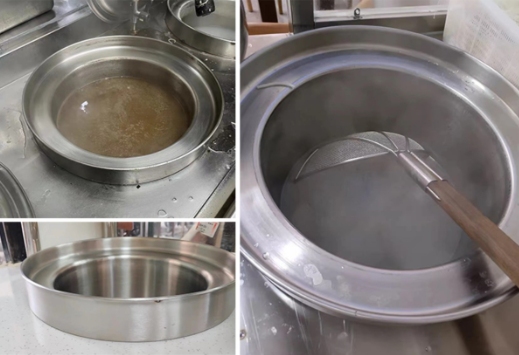
Even a sturdy commercial pot endures longer with proper maintenance. Wise handling minimizes harm, ensures better hygiene, and delays replacements.
Match the pot to the menu
A pot dedicated to hot water lacks the need for intense rust protection compared to one used daily for tomato soup or vinegar stock. In scenarios where acidic cooking prevails, 304 stainless steel generally suits best.
Do not leave acidic food in the pot too long after cooking
Preparing acidic items in stainless steel represents a normal practice in commercial kitchens. However, storing finished acidic food in the pot for hours poses issues. Once service concludes, transfer the food to appropriate storage areas. Such a move proves more effective.
It preserves food quality. Furthermore, it reduces strain on the pot’s surface.
Clean early, not late
In food operations, adhered residues demand additional labor. Starch from soups, salt deposits, and protein films become tougher to remove once they harden.
Useful daily routines encompass:
-
rinsing soon after emptying
-
using non-abrasive cleaning tools
-
avoiding deep surface damage
-
checking for wear, pitting, or rough spots
-
drying properly before storage
These simple practices yield noticeable improvements in pot longevity within a commercial kitchen.
How to Choose the Right الفولاذ المقاوم للصدأ Pot for a Commercial Kitchen
Selecting the ideal pot starts with actual kitchen requirements. Elements like size, steel variety, heat distribution, and cleaning simplicity should outweigh cost.
A purchaser for commercial kitchens ought to examine these aspects initially:
-
steel grade for menu type
-
resistance to acidic foods
-
surface finish and cleaning speed
-
stable heat distribution
-
fit for restaurant, catering, or hotel kitchen use
-
supplier consistency for repeat orders
-
support for bulk orders or custom requirements
Regarding soups, noodles, stews, and boiling water, a polished stainless steel pot designed for commercial tasks often stands as the most practical selection. It must tolerate repeated heating, cleaning, and acid contact without becoming problematic.
Foshan Simple Technology Co., Ltd as a Stainless Steel Pot Supplier
فوشان بسيطة التكنولوجيا المحدودة provides stainless steel pots and other business kitchen items to customers who want solid food gear. The firm handles OEM and ODM work, sample creation, quality checks, and large deliveries to global markets. Its services help restaurants, hotels, catering teams, sellers, and project leaders who need steady quality and fast shipping.
As a stainless steel pot supplier, the company sells products that work well for boiling water, soups, noodles, and stews in busy kitchens. The aim centers on real advantages: protection against rust, shiny surfaces for easy cleaning, even heat spread, and readiness for daily routines. For buyers who order often, uniform products and shipping plans matter just as much as the pots.
استنتاج
A stainless steel pot serves as a handy and safe option for acidic dishes, slow cooking, and regular business kitchen jobs. It works well if made for food use and matched to cooking needs. For eateries, dining halls, hotel kitchens, and catering outfits, key traits include resistance to rust, even heating, simple cleaning, and long-lasting strength.
In basic setups, 201 stainless steel might fit some budgets. However, for normal tasks with soups, broths, noodles, stews, and acids, 304 stainless steel often turns out the smarter choice in the long run. In business kitchens, the right pot upholds food safety rules. It also boosts workflow, steady operations, and fewer needs for replacements.
الأسئلة الشائعة
Is a stainless steel pot safe for acidic foods in commercial kitchens?
Yes. A food-grade stainless steel pot sees common use for acidic foods in business kitchens. This is because it reacts less than many usual materials. For heavy use, 304 stainless steel often gives the safer choice.
Can tomato-based soup be cooked in a stainless steel pot?
Yes. You can make tomato-based soup in a stainless steel pot. In business kitchens that cook acidic soup often, a high-quality stainless steel pot usually fits better for ongoing use.
Is 304 stainless steel better than 201 for long simmering?
In many business kitchens, yes. A 304 stainless steel pot generally offers stronger protection from corrosion. It also handles repeated long simmering with soup, broth, and stew more reliably.
Can a stainless steel pot be used every day in a restaurant kitchen?
Yes. A business stainless steel pot is designed for daily tasks like boiling water, cooking noodles, making broth, and simmering stew. This holds true if you pick it right and care for it properly.
What should buyers check when choosing a stainless steel pot supplier?
Buyers should look at steel grade options, pot surface, cooking performance, ease of cleaning, production dependability, support for large orders, and delivery setups for business kitchen needs.
