


5 أيام في الأسبوع من الساعة 8:30 صباحاً إلى الساعة 5:30 مساءً

How to Select Bullet Feet for High-Temperature Commercial Kitchen Environments
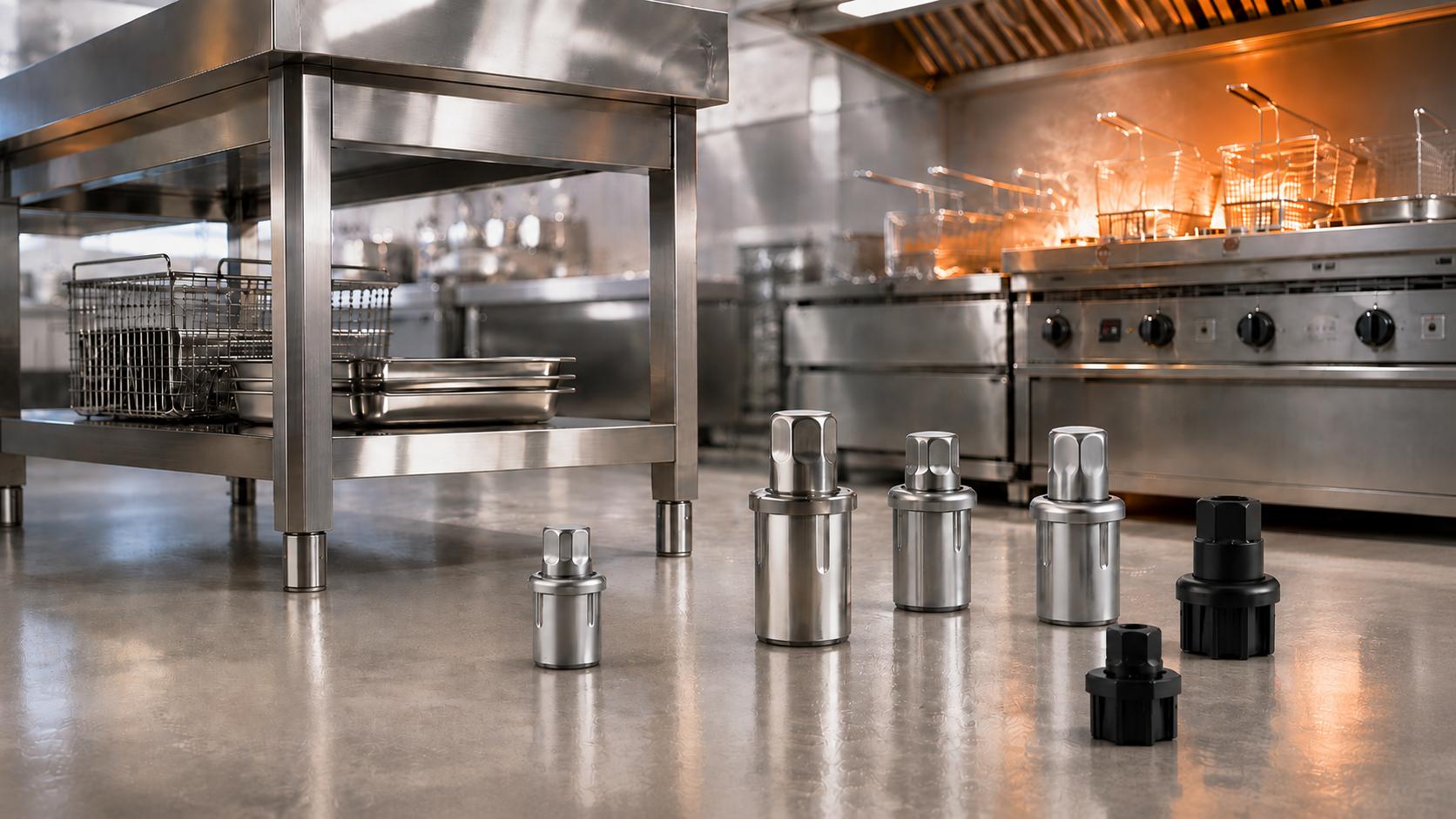
أقدام الرصاصة look like minor hardware until a fryer, range, oven, or heated cabinet starts rocking after installation. Each foot carries concentrated load while facing heat, grease, water, cleaning chemicals, and repeated leveling adjustments. An unsuitable base may soften, corrode, seize, or mark the floor. An incorrect stem can leave too little thread engagement and make the equipment unstable. Selecting bullet feet for high-temperature commercial kitchens therefore requires a review of load, local temperature, mounting geometry, sanitation, and floor contact—not just diameter and finish.
How Does High Heat Change the Requirements for Bullet Feet?
Heat reaches equipment feet by conduction through the frame, radiation from nearby burners, and hot water during cleaning. Temperatures near the floor may be far below those inside the appliance, yet still high enough to affect polymers, coatings, lubricants, and thread fit.
Which Heat Sources Matter Most?
A foot beneath an insulated oven sees different conditions from one beside an open fryer or charbroiler.Radiant heat can be uneven, warming one side more than the other. In addition, cycles of heating and cooling cause expansion and contraction that can loosen poorly secured stems or tighten weld nuts.
Take readings near the mounting location at operating and sanitation temperatures. Using the temperature of the cooking chamber as a reference will give you a value that is too high, while ignoring heat from nearby surfaces will give you a value that is too low.
What Happens When the Material Is Not Heat-Suitable?
Polymer bases may soften, creep, or lose grip. Rubber pads can harden, crack, or leave residue. Plated parts may discolor, while an unsuitable thread compound can dry out and make later adjustment difficult.
Metal feet tolerate heat better, but they conduct it. On resin flooring, vinyl surfaces, or certain tiles, a small metal contact area may produce marks or concentrated heat exposure. Floor compatibility belongs in the selection process.
Which Materials and Construction Details Perform Reliably?
Commercial bullet feet are commonly made from stainless steel, plated steel, engineered polymers, or metal-and-polymer combinations. The choice has to reflect both temperature and sanitation.
When Is Stainless Steel Worth Considering?
Stainless steel is frequently used for wet, greasy, and often cleaned environments due to its corrosion resistance and mechanical properties. The grade, quality, and weld condition, plus the compatibility of stem, nut, and base materials, are still to be defined.
Although a stainless-steel exterior provides some protection against humidity and grease, other parts of the equipment may have lower resistance. In coastal areas, salt-air kitchens, seafood processing facilities, or other highly chlorinated environments, the choice of material needs to be carefully considered.
When Can Polymer or Composite Bases Make Sense?
A polymer base can reduce scratching, vibration transmission, and direct metal contact with the floor. It may also grip smooth tile more effectively. Temperature is the main limitation.
The supplier should identify the material and operating range instead of using a broad phrase such as “heat resistant.” Wall thickness, base diameter, insert retention, and resistance to oil and cleaners are equally important. Test samples with the actual chemicals used on site.
How Should Load, Thread, and Adjustment Range Be Calculated?
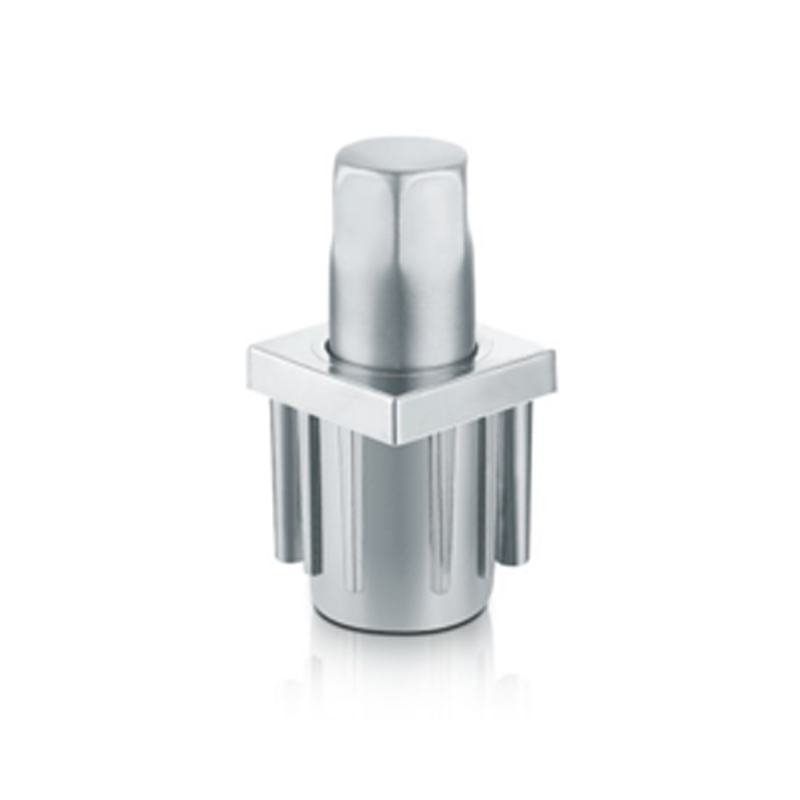
A bullet foot may carry much more than one quarter of the empty appliance weight. Loaded shelves, oil, opening doors, uneven floors, and operator force can shift weight toward one corner.
How Much Load Should Each Foot Carry?
Calculate from maximum operating weight, including food, oil, trays, accessories, and stored items. Then account for uneven distribution and dynamic use. A front foot beneath a loaded cabinet can receive a sharp increase in force when a heavy door opens.
The supporting structure matters as much as the foot rating. A strong stem fitted into a thin, poorly welded nut still creates a weak assembly. Frame thickness, bracket stiffness, weld area, and load-path position should be checked together.
Why Do Thread Engagement and Stem Length Matter?
Thread diameter, pitch, and length must match the equipment insert. Insufficient engagement can strip threads or allow the appliance to wobble. Excessive exposed stem length creates leverage and raises side loading, especially when staff push equipment across the floor.
Choose enough adjustment to correct realistic floor variation while maintaining secure engagement. A locknut helps where vibration or movement could rotate the stem. The threads should remain adjustable after prolonged exposure to grease, heat, and cleaning residue.
Which Installation and Maintenance Errors Cause Premature Failure?
Many bullet feet failures begin after delivery. Installers may use the feet to compensate for a distorted frame, while cleaning residue gradually packs into the exposed threads.
What Should Be Checked During Installation?
Level the equipment in its final position. Confirm that the floor is sound, the frame is square, and every foot contacts the surface. Adjust from corner to corner rather than extending one stem far beyond the others.
Test stability with doors open, drawers loaded, and normal operating weight in place. Tighten locknuts without twisting the frame. Do not drag the appliance after leveling; sideways impact can bend stems, damage weld nuts, or crack nonmetal bases.
How Should Bullet Feet Be Inspected in Service?
Look for looseness, corrosion, heat discoloration, cracked pads, seized threads, and floor marks. If a foot no longer turns, forcing it with a long wrench can tear the mounting nut from the frame.
Inspection is particularly important after relocation, aggressive cleaning, or impact from carts. When one foot fails, examine the remaining feet for the same exposure. The visible failure may not be the only developing problem.
How Should Bullet Feet for High-Temperature Commercial Kitchens Be Specified?
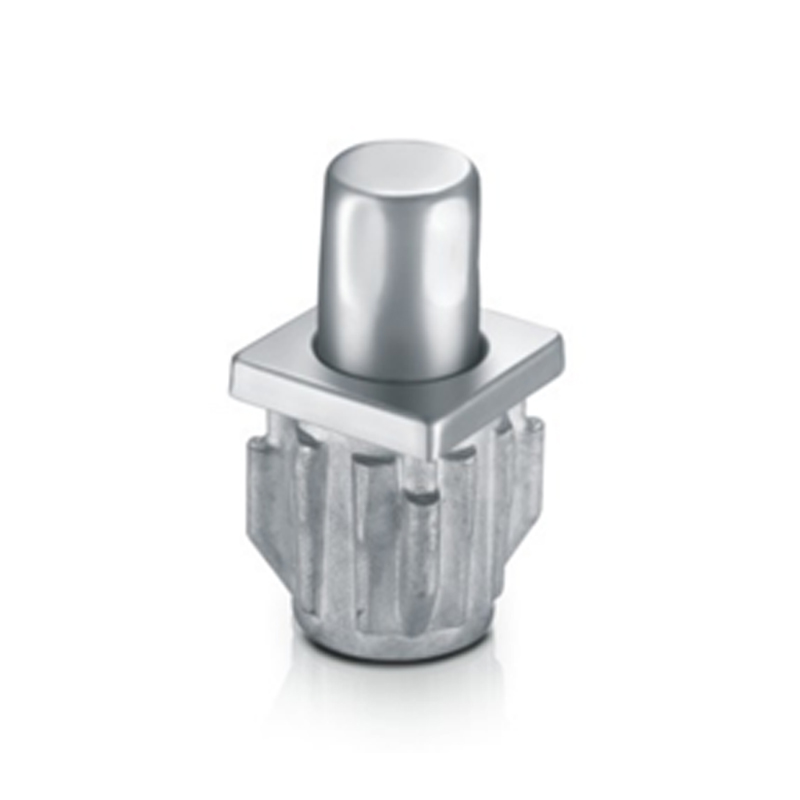
A catalog photograph and overall height do not adequately describe a load-bearing component used around heat and moisture. Approval should be based on measurable specifications and installation trials.
Which Details Belong in the Purchasing Drawing?
Define overall height, base diameter, stem diameter, thread type, thread length, adjustment range, material, finish, load requirement, and expected temperature. Show how the foot interfaces with the frame, bracket, or weld nut.
For a swiveling base, specify the allowable movement and retention method. For a nonmetal pad, identify its material and attachment. Packaging should protect threads from dents, prevent bent stems, and keep finished surfaces from rubbing together.
What Should Be Tested Before Approval?
Install the sample on representative equipment and apply a realistic load. Check engagement, adjustment smoothness, locknut operation, floor contact, stability, and side-force behavior. Then expose the assembly to heat, grease, water, and the intended cleaning agents.
After testing, inspect for permanent deformation, looseness, corrosion, discoloration, thread seizure, and reduced grip. Repeat-order controls should cover material, thread tooling, insert construction, base dimensions, and finish. Small changes can alter stability or floor behavior.
How Can a Commercial Kitchen Product Supplier Support Bullet Foot Selection?
شركة فوشان للتكنولوجيا البسيطة المحدودة supplies commercial kitchen products and related hardware for food-service equipment. A bullet foot inquiry can include equipment type, operating weight, mounting thread, adjustment range, floor material, heat exposure, cleaning method, corrosion conditions, and required finish. Samples should be tested concerning thread fit, engagement length, leveling range, base contact, stability, side-loads, response to heat, and chemical compatibility. Requests should specify materials, size, load, accessories, packaging, lead time, and inspection points. Pre-production approvals should be given to drawings, physical samples, measurable tolerances, installation, and change notification procedures. Receiving inspection can then compare each production lot with the approved reference parts.
استنتاج
When choosing bullet feet for high-temperature commercial kitchen applications, factors such as heat, load, stem engagement geometry, frame strength, corrosion resistance, and floor contact must be taken into account. The right bullet foot should be able to withstand uneven loading and continue to function without deforming, sticking or marring the floor surface. By testing on representative equipment and then specifying the use of a limited production control, the potential for field failures is drastically reduced.
الأسئلة الشائعة
1. Are Stainless Steel Bullet Feet Suitable for High-Temperature Kitchens?
Often, yes. Suitability still depends on stainless grade, local temperature, load, cleaning chemicals, thread design, and floor contact. A metal foot may also transfer heat into sensitive flooring.
2. How Much Thread Engagement Should a Bullet Foot Have?
The required engagement depends on thread diameter, material, load, and mounting design. The stem should remain securely engaged throughout the adjustment range without excessive exposed length or wobble.
3. Can Polymer Bullet Feet Be Used Near Fryers or Ovens?
They can be used when the polymer’s verified temperature and chemical resistance match the location. Radiant heat, hot wash water, oil, and floor temperature should all be considered.
4. Why Do Bullet Feet Become Difficult to Adjust?
Grease, cleaner residue, corrosion, damaged threads, side loading, or heat-affected compounds can cause seizure. Regular inspection and compatible thread protection help preserve adjustment without forcing the stem.
5. What Should Buyers Check in Bullet Foot Samples?
Check dimensions, thread fit, engagement, adjustment smoothness, locknut action, base contact, stability, load behavior, heat response, chemical resistance, corrosion, packaging, and compatibility with the equipment frame.
