


5 أيام في الأسبوع من الساعة 8:30 صباحاً إلى الساعة 5:30 مساءً

Why Your Range Hood Light Stops Working in Greasy Kitchens
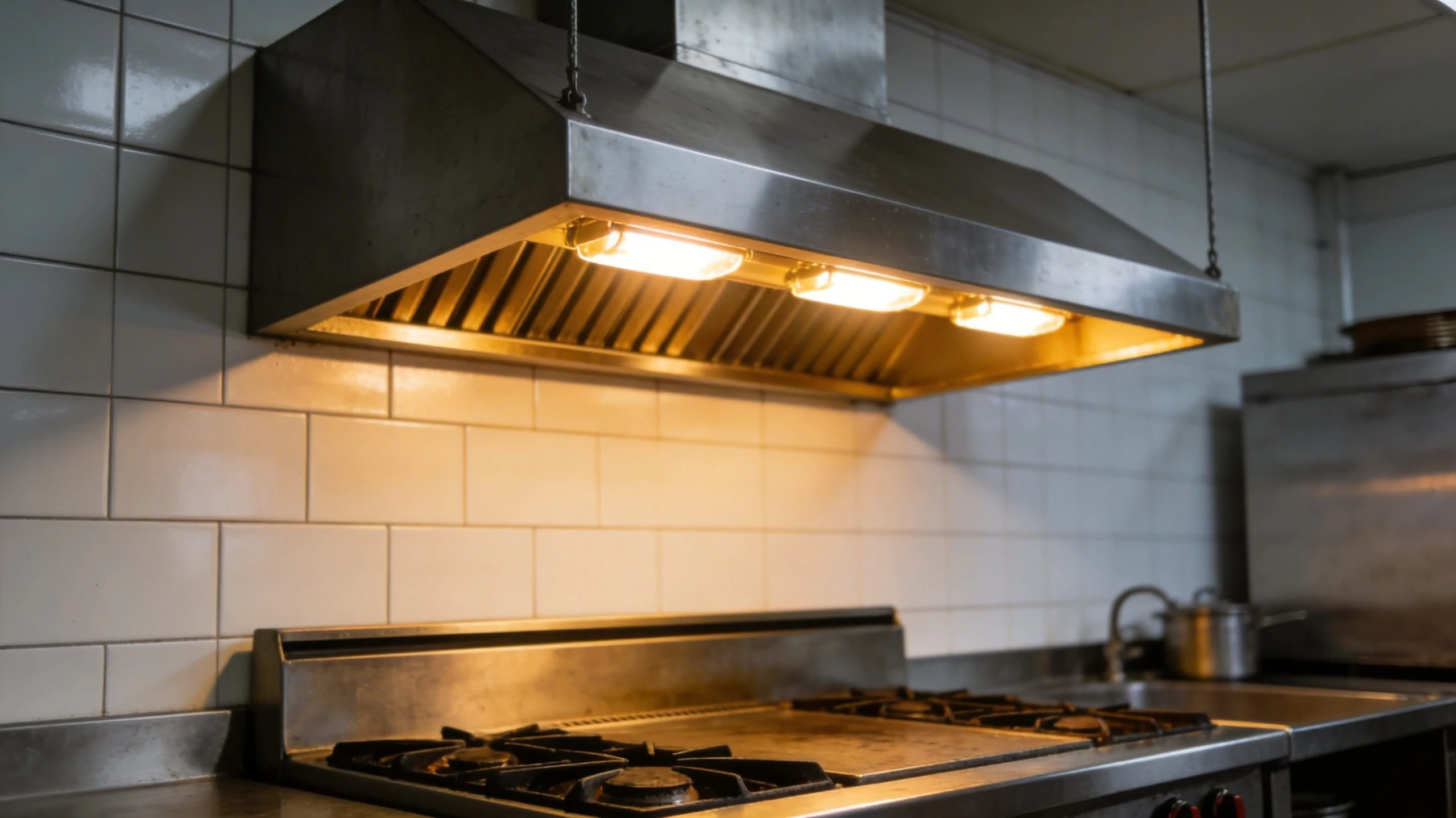
Range hoods work in one of the toughest spots in the kitchen. Heat, moisture, and floating grease particles interact all the time there. These conditions make a tough setting for electrical parts and lights. A usual problem with range hood lighting happens when the kitchen hood light quits working. This comes from a mix of heat strain, grease buildup, and water exposure. In time, these things wear down electrical links and light clarity. They cause less light or full breakdown. Spotting the main reasons behind these problems boosts dependability. It also aids in better upkeep plans that lengthen how long the hood lasts.
Why Does Grease Build-Up Affect Range Hood Lighting?
Before we look at electrical or heat reasons, we need to check how grease directly changes light work and safety.
The Role of Grease in Electrical Malfunctions
Grease bits in cooking steam slowly cover light covers, bulb holders, and circuit boards. This leftover stuff can carry some electricity. It messes up power flow by making extra paths for current. When oil layers build up near connection points, they raise resistance. This can lead to short circuits or lights that flicker. Also, heavy layers hold in heat inside the boxes. That speeds up damage to key parts like LED drivers or bulb filaments. In bad cases, this pile-up can cause early breakdown of insulation. It might even lead to rust on contacts.
How Grease Impacts Light Diffusion and Brightness
Besides electrical problems, grease affects how light spreads and shines. When it sticks to glass covers or spreaders, it scatters light in uneven ways. It cuts down on brightness. People often think this fading means a bad bulb. But it’s really just dirt buildup. The drop in light strength hurts how well you see while cooking. It also wastes energy because the light uses more power for weaker glow. Cleaning often with the right grease removers brings back clear sight. It keeps steady brightness in the cooking area.
Could Heat and Moisture Be Damaging the Light Components?
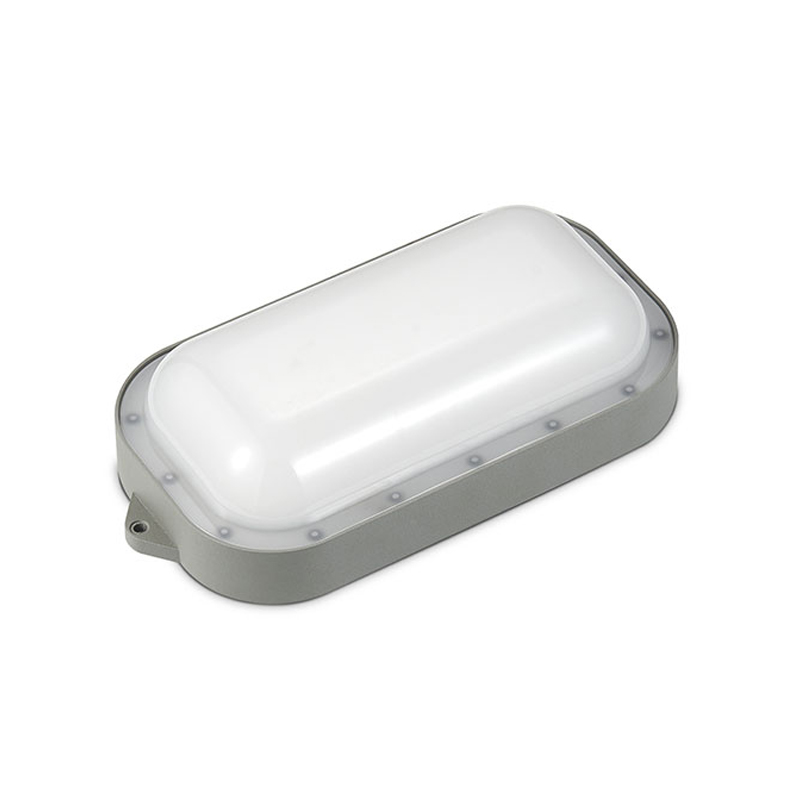
After we handle grease problems, another big factor in range hood light work is stress from heat and dampness.
Thermal Stress on Bulbs and Fixtures
Light parts near hot cooking areas face steady heat changes. Each warm-up and cool-down cycle stretches and shrinks metal links in bulbs and holders. This weakens them bit by bit. Bulbs like incandescent or halogen suffer most. Their wires run at very high heat. Even LEDs, which save energy, can have driver wear if cooling is not enough. Plastic boxes or rubber seals lose bounce from ongoing heat. This hurts how well the covers hold together.
Moisture Ingress and Corrosion Effects
Steam from cooking turns to water drops in hoods with poor air flow. When this water gets into light boxes, it boosts rust on metal links and circuit lines. Rust raises resistance at contact points. That can cause lights to work on and off or stop fully. Good seals with silicone gaskets help a lot. So does making sure air moves well through vent paths. Using rust-proof stuff like stainless steel links adds strength in wet spots.
Are Electrical Connections or Components Failing Over Time?
Even without too much grease or water, daily use puts range hood light systems through shakes and electrical strain.
Wiring Fatigue and Loose Connections
The steady shake from fan motors slowly undoes screw ends and wire joins in the hood setup. When links get shaky, power levels change. This brings flickering lights or lights that cut out now and then. Worn cover on wires from rubbing metal edges leaves conductors open to dirt from grease steam or water drops. That sets up short circuits. Checking wire setups often spots issues early. It stops big breakdowns.
Faulty Switches, Drivers, or Circuit Boards
Switches for light control can get rust on their touch points after long use in damp air. This rust raises resistance in the power line. It leads to odd switch actions or slow starts. In the same way, LED drivers under heavy work wear from heat over time. Parts like capacitors dry out quicker in hot spots. This causes shaky power that shows as flicker or dim light. Swapping these for strong types made for hot places lengthens how long they work.
What Maintenance Practices Prevent Range Hood Light Failures?
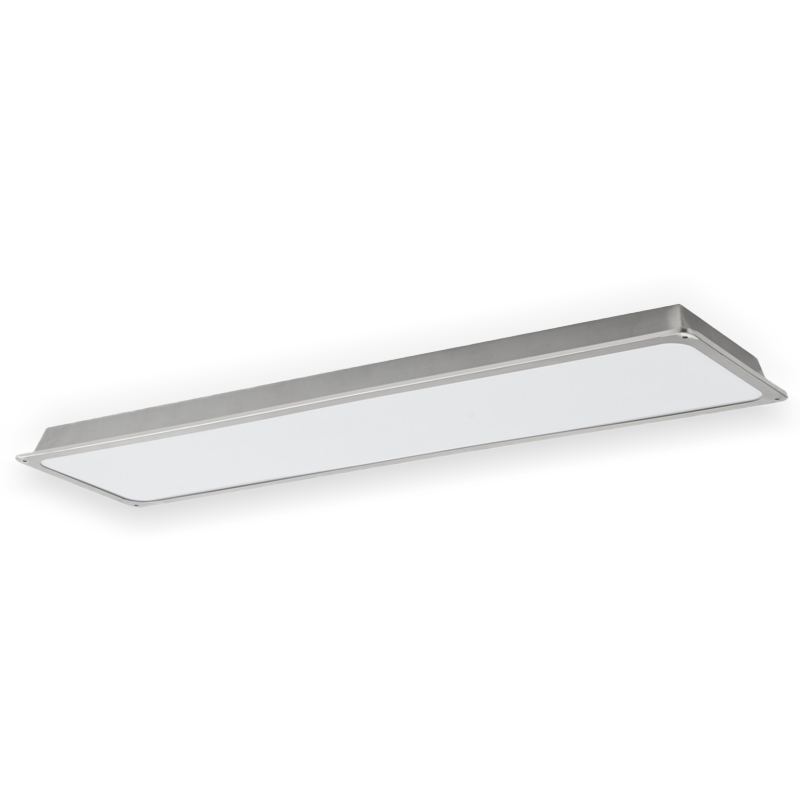
Upkeep done ahead of time helps cut down on breakdowns from tough surroundings.
Effective Cleaning Routines for Lighting Components
Setting up a steady cleaning plan is key to keep light surfaces clear. It also keeps electrical parts safe from dirt. Use mild grease removers with soft cloths. This avoids scratches on light covers while clearing oily bits well. Be careful not to let water get into wire areas during cleaning. Trapped water can rust inside parts later. For busy commercial kitchens with lots of daily cooking, clean weekly. Home users can do it monthly based on how often they cook steamy meals.
Inspection and Replacement Guidelines for Professionals
Skilled workers should check holder grip often. They need to look at cover strength along wire routes. Also, test driver power steadiness during upkeep checks. Replace bulbs only with types made for hot spots. Regular home bulbs fail fast under hood heat. Keep records of upkeep to follow how things perform. This spots weak areas in certain hood types or setups over time.
How Can Design Improvements Enhance Lighting Durability?
Next, let’s move from upkeep tips to ways better design boosts light strength in rough kitchen spots.
Material Selection for Harsh Kitchen Conditions
Makers should pick stuff that fights heat shocks and attacks from oil in the air. Strong glass covers keep clear after hot steam hits them many times. Rust-free metals like treated aluminum guard the build against acid bits from cooking smells. Seals with silicone stop grease from getting into inner electronics. At the same time, they let heat escape through built-in air paths. LEDs with good heat control, like metal bases or cooling add-ons, last way longer than old bulbs.
Integration of Smart Monitoring Systems in Modern Hoods
New range hoods often add smart tech that watches inside heat and power shifts right away. Built-in sensors spot odd signs early. For example, they catch high driver heat or uneven power use. Then they send warnings before you see problems. Smart upkeep tools look at data patterns to guess breakdowns ahead. This lets workers fix things before the hood stops.
Who Is Foshan Simple Technology Co., Ltd.? – A Reliable Range Hood Light Supplier
شركة فوشان للتكنولوجيا البسيطة المحدودة shines as a skilled maker of tough range hood lighting fixes. These are built just for hard kitchen spots with grease buildup and heat all the time. The firm works on items that mix strong heat fight with power-saving LED tech. They fit well into many hood styles for partner makers around the world. Their focus on tight quality checks promises steady item trust. Plus, full tech help meets pro-level needs in markets everywhere.
استنتاج
Grease pile-up is a top reason for range hood lighting troubles. It messes with electrical flow and clear light paths. When added to long heat changes and water getting in, these speed up part wear. They lead to times when a kitchen hood light stops without warning. Steady cleaning habits plus regular checks cut many risks well. Picking top parts made for heat strength keeps work going for years. Teaming with trusted sellers like Foshan Simple Technology Co., Ltd. adds sure trust. You get strong build help and tested item strength for tough pro kitchen jobs.
الأسئلة الشائعة
Why does my range hood light flicker even after replacing the bulb?
Flickering often points to shaky wire links or rusted switches, not bad bulbs. Tightening ends and checking switch touch spots usually fixes it fast.
How often should I clean the range hood light cover?
In busy commercial kitchens with lots of use, clean weekly to stop grease layers. Home cooks can clean monthly based on how often steamy cooking happens.
Can LED replacements solve frequent burnout problems?
Yes. LED parts made for hot spots resist heat wear and greasy dirt better than old halogen types. They give much longer work times too.
