


5 días a la semana de 8:30 a 17:30

How to Protect Range Hood Lights from Grease and Steam
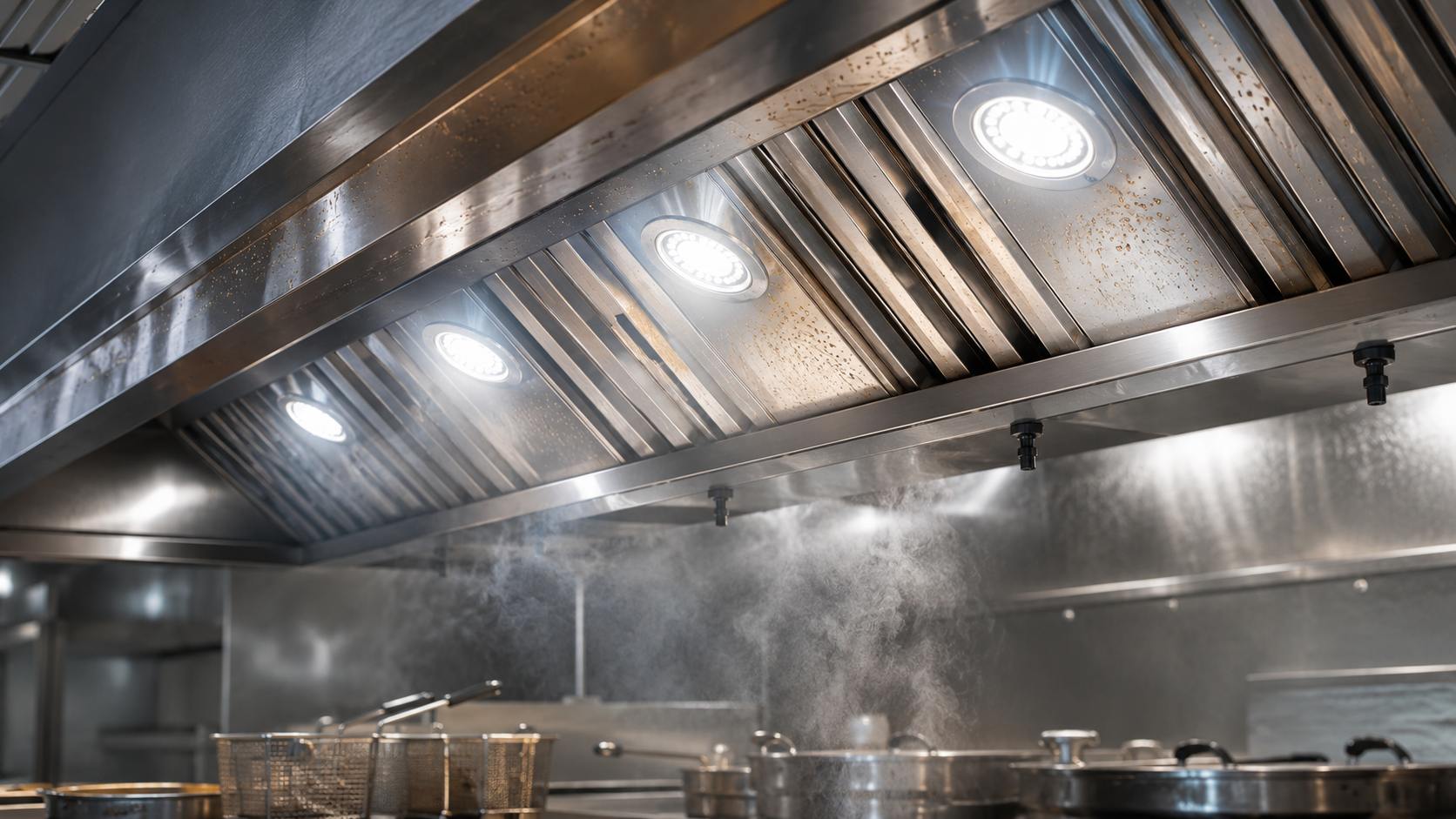
Range hood lights for commercial kitchens can be a tough product to select for several reasons. Most are installed right next to the hot oil vapor, steam, cleaning solutions, high heat and rough metal surfaces of a commercial kitchen hood. If one selects the wrong light for the range hood application, one can expect low light, a yellow cover, flicker, moisture in the fixture or premature failure.
This is not a trivial matter for a Restaurants, Hotels, Canteens, Central Kitchens, Catering Kitchens and Foodservice Equipment Buyers. A Range Hood Light that has been damaged affects observation over the cookline, cleaning of the area, and service calls. By selecting the proper fixture configuration, seal level, installation location, and routine cleaning the potential for damage can be significantly reduced.
Why Do Grease and Steam Damage Range Hood Lights?
The oil vapor and steam does not last forever in the air. It rises with the heat, goes to the hood area, cools and deposits on surfaces. This deposit is often found first on the Range Hood Light as it is mounted inside or near the exhaust of the Range Hood.
A film of grease can stick to the lens or the outside of the glass cover of a light, at first obscuring the light only slightly. But weeks of use of your fryer, grill, wok or griddle can leave a stubborn film which is difficult to remove. In the meantime, steam from cooking can form condensation on the edges of light fixtures, on screws, on cable entries and on unsealed light covers.
In a busy commercial kitchen, this cycle repeats for long hours. Heat expands materials. Cooling shrinks them. Cleaning chemicals touch the surface. Staff wipe the hood again and again. If the range hood light is not built for this setting, small gaps become weak points.
Common Signs of Range Hood Light Damage
Kitchen staff often notice the problem before a fixture fully fails. The light may still turn on, but its performance drops.
|
Sign |
Likely Cause |
What It Means |
|
Dim light over the cookline |
Grease film on the cover |
Less visibility during cooking and cleaning |
|
Flickering LED range hood light |
Moisture, loose contact, aging parts |
Electrical check or replacement may be needed |
|
Yellow or cloudy cover |
Heat and oil buildup |
Light output is being blocked |
|
Water inside the cover |
Poor sealing or heavy steam exposure |
Fixture may not be safe for continued use |
|
Grease around screw holes |
Oil vapor entering edges |
Housing design or installation may be weak |
|
Frequent bulb or fixture failure |
Heat, moisture, poor fit |
A commercial kitchen hood light upgrade may be needed |
These signs should not be ignored. A light that keeps flickering or shows internal moisture should be checked before the next heavy service period.
Choose an Oil Proof and Waterproof Range Hood Light
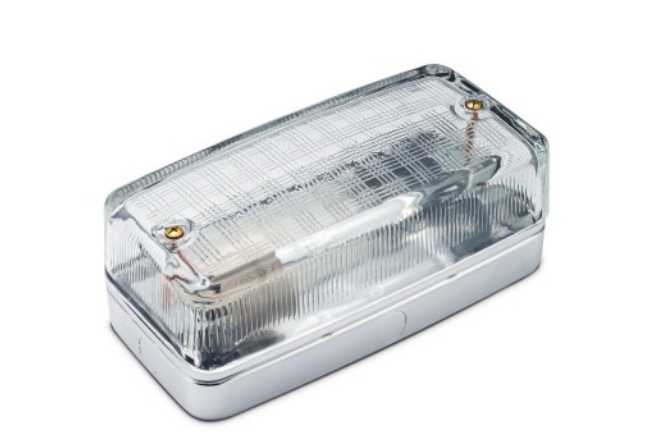
The best way to prevent grease and steam damage is to start with a range hood light designed for commercial kitchen use. Standard indoor lighting is not built for the same exposure level.
A good commercial kitchen range hood light should have a sealed housing, a smooth cover, heat-resistant materials, and a structure that is easy to wipe clean. LED range hood lights are often preferred because they use less power, produce steady brightness, and reduce the need for frequent replacement in long-hour kitchens.
Oil Proof Structure
An oil proof range hood light should reduce the places where grease can collect. Smooth surfaces are easier to clean than deep grooves, open joints, or rough edges. In frying zones and grill lines, even small gaps can gather sticky residue fast.
Oil-resistant covers also matter. A glass or sealed lens cover can help keep grease away from the internal light parts. It also helps the fixture stay brighter after repeated cleaning.
Waterproof Sealing
Steam is part of daily work in commercial kitchens. Pasta boilers, steamers, dish areas near the cookline, and heavy wash routines all add moisture to the hood zone. A waterproof range hood light helps reduce the risk of moisture entering the fixture.
For many commercial kitchens, IP65 is a practical starting point. It fits normal steam, grease mist, and routine wipe-down cleaning. IP67 may be useful where water exposure is heavier. IP69K is more suitable for kitchens or food production areas with high-pressure hot-water cleaning.
Heat-Resistant Materials
The fixture should also handle heat from fryers, ranges, charbroilers, and wok stations. Heat can weaken seals, discolor covers, and shorten the life of low-grade parts. A strong housing and stable lens material help the light keep working through long shifts.
Install the Light Away from Direct Grease and Steam Impact
Even a good waterproof LED hood light can fail early if it is placed badly. Installation position affects service life.
A range hood light should brighten the cooking surface without sitting in the worst path of oil splash or direct steam jets. In commercial kitchens with fryers, griddles, steamers, and open burners under one hood, the most aggressive zone is not always the center. It depends on the cooking process.
Before installation or replacement, check:
- Hood size and light opening size
- Distance from fryers, steamers, and grill surfaces
- Cable entry direction and sealing
- Screw hole alignment
- Cleaning method used by the kitchen team
- Whether the fixture will face direct spray during cleaning
Poor installation creates hidden failure points. A small gap around the edge can let oil vapor and moisture enter. A loose screw can also collect grease and make cleaning harder.
Keep the Grease Filter Clean to Reduce Oil Buildup
A range hood light does not work alone. It sits inside a full commercial kitchen ventilation system. When grease filters are dirty, bent, wrongly fitted, or too small for the hood slot, more oil vapor can spread around the hood area. That extra oil often settles on lights, wall panels, stainless steel surfaces, and nearby equipment.
Heavy frying kitchens should check grease filters often. A filter covered with sticky residue blocks airflow, and weak airflow makes smoke and oil mist hang longer around the cooking line. That increases the grease load on the range hood light cover.
The cleaning schedule should match cooking intensity.
|
Commercial Kitchen Area |
Suggested Filter Check Pattern |
|
Light café or beverage line |
Weekly check, clean as needed |
|
Standard restaurant cookline |
Daily check, weekly cleaning or more |
|
Fryer or wok station |
Daily check, clean several times per week |
|
Hotel or canteen kitchen |
Fixed cleaning log by station |
|
High-output grill or fryer line |
Inspect after heavy shifts when needed |
Good filter care helps protect hood lights, fans, ducts, and nearby kitchen equipment.
Clean Greasy Range Hood Lights the Right Way
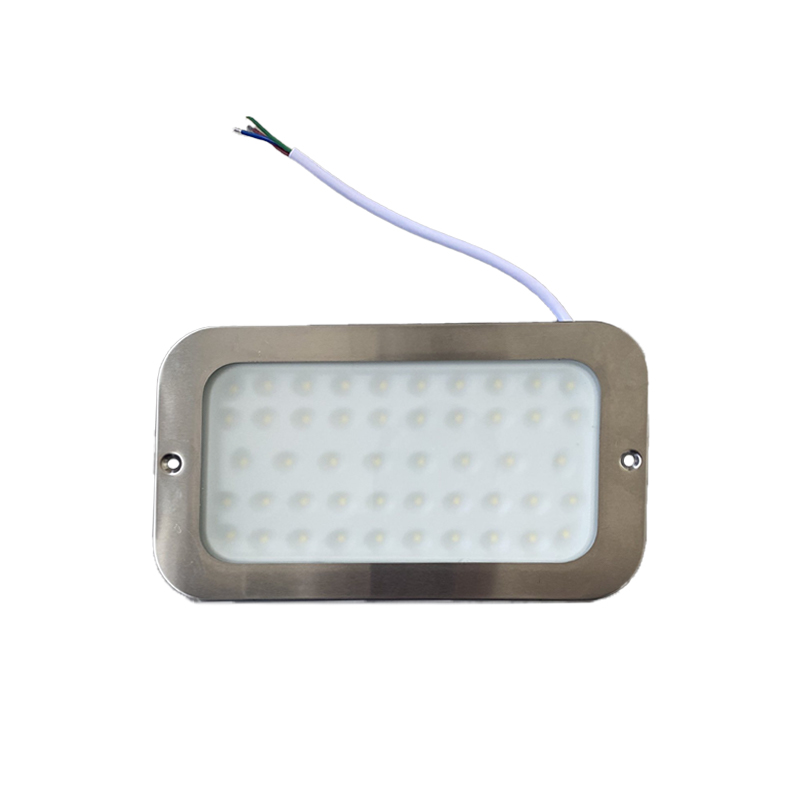
Cleaning keeps the range hood light bright, but rough cleaning can damage the fixture. Staff should clean the light only when the cooking equipment is off and the hood area has cooled enough for safe handling.
For routine cleaning, use a soft cloth with warm water and a foodservice-safe degreaser. Wipe the cover gently, then remove cleaner residue with a damp cloth. Dry the surface afterward, especially around edges and screws.
Avoid steel wool, sharp scrapers, strong acidic cleaners, and harsh alkaline chemicals unless the fixture material allows them. High-pressure water should not be sprayed directly at a light unless the fixture is rated for that cleaning method.
A simple cleaning routine works best:
- Wipe the range hood light cover at the end of heavy cooking periods
- Remove grease before it hardens
- Dry the edges after cleaning
- Check for cracks, loose screws, or moisture
- Clean grease filters on schedule to lower oil buildup
Consistent cleaning is cheaper than repeated replacement.
What Should Buyers Check Before Bulk Ordering?
B2B buyers should treat range hood lights as working components, not basic accessories. A low-priced fixture may cost more if it fails often, stains quickly, or does not fit the hood opening.
Before placing a bulk order, check these details:
- Fixture size and installation method
- Cover material and cleanability
- Oil proof and waterproof structure
- Heat resistance for long cooking shifts
- LED brightness and light spread
- Voltage and wiring compatibility
- Packaging for export or project delivery
- OEM or ODM support
- Supplier ability to keep size and quality stable across repeat orders
Restaurants, hotel groups, distributors, and commercial kitchen equipment manufacturers often need stable supply more than one-time purchasing. A consistent supplier can reduce project delays and make replacement planning easier.
Foshan Simple Technology Co., Ltd. as a Commercial Kitchen Supplier
Foshan Tecnología Simple Co., Ltd. supplies commercial kitchen parts for foodservice equipment, including Grease Filter, Adjustable Legs, Bullet Feet, Frying Basket, and Range Hood Light. Its product range supports buyers who need practical kitchen hardware for restaurants, hotels, catering kitchens, central kitchens, distributors, and equipment projects.
For range hood light buyers, the company’s product direction fits common commercial kitchen needs: waterproof structure, oil-resistant design, LED energy saving, easy maintenance, and use in hot hood environments. Its broader kitchen parts range also helps buyers combine sourcing across ventilation parts, equipment support parts, fryer accessories, and hood lighting.
For OEM and wholesale buyers, stable product categories, supply chain handling, quality control, and direct inquiry support are important. Commercial kitchen projects often involve repeat orders, custom requirements, shipping schedules, and consistent specifications. A supplier with multiple kitchen equipment parts can make procurement simpler for project contractors, distributors, and equipment manufacturers.
Conclusión
Grease and steam damage range hood lights when fixtures are not designed, installed, or maintained for commercial kitchen conditions. Oil vapor blocks light output. Steam can enter weak seals. Heat can age covers and housings. Dirty grease filters can make the problem worse by allowing more oil mist to stay around the hood.
A better result starts with the right commercial kitchen hood light: oil proof, waterproof, heat-resistant, easy to clean, and suitable for the actual cooking line. Good installation, regular filter cleaning, and careful daily maintenance help extend service life and keep light output steady.
For restaurants, hotels, central kitchens, foodservice operators and anyone buying cooking equipment, the key to choosing a good range hood light is long-term performance. While you might want to pay less for a light in the short term, you will pay in the long run when it breaks and you have to take it down to clean it. A good range hood light is an important component in the kitchen and will keep your staff safe and efficient in the busy hours of the day.
Preguntas frecuentes
Can steam damage LED range hood lights?
Yes. Steam can turn into condensation around the cover, screws, cable entry, or housing edge. If the LED range hood light is not sealed well, moisture may enter the fixture and cause flickering, dimming, or failure.
What type of range hood light is best for commercial kitchens?
A commercial kitchen should use an oil proof and waterproof range hood light with a sealed housing, heat-resistant material, easy-clean cover, and stable LED brightness. The right IP rating depends on steam level, cleaning method, and water exposure.
Do grease filters affect range hood lights?
Yes. Dirty or poorly fitted grease filters allow more oil vapor to stay around the hood area. That oil can settle on the range hood light cover, reduce brightness, and increase cleaning work. Keeping grease filters clean helps protect the full ventilation area.
