


5 jours par semaine de 8h30 à 17h30

Why Commercial Range Hoods Lose Suction
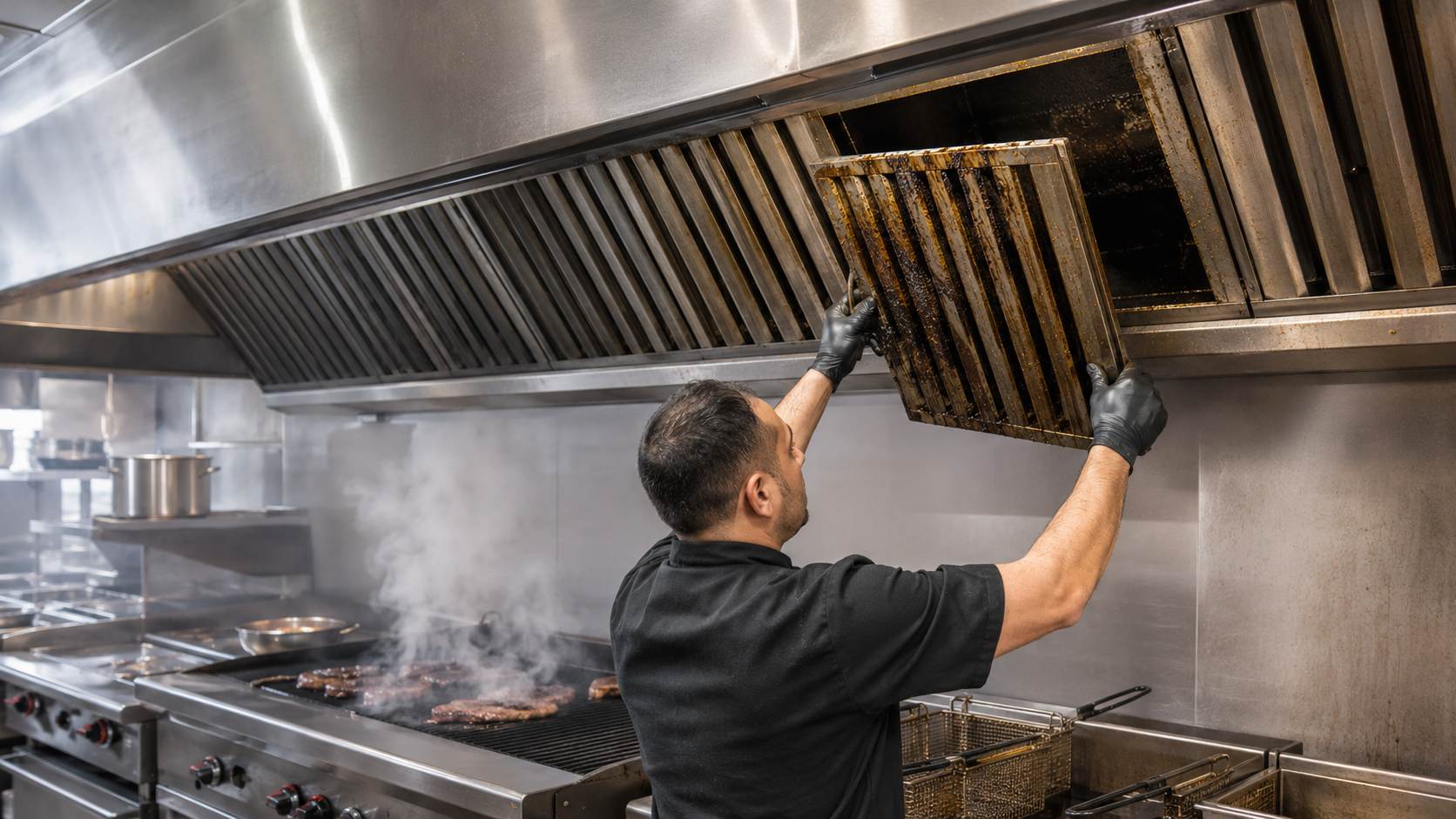
In a busy commercial kitchen, poor range hood suction creates real problems. It harms smoke removal. It worsens staff conditions. It increases oil spread. It dirties equipment. And it raises fire risks. When the exhaust system fails to draw air well, many owners first look at the fan, duct, or motor. These parts can break down. However, one frequent and simple check is the grease filter.
A dirty grease filter can make a functional hood seem weak. The fan might keep running. The hood could still hum. And the exhaust system may stay on. But if grease, steam leftover, burnt oil, and food bits cover the filter, airflow weakens right away. Fumes barely reach the duct. For eateries, hotels, dining halls, food areas, bakeries, and main kitchens, this leads to more smoke near stoves. It also causes extra grease on close surfaces.
Why Is the Commercial Range Hood Losing Suction?
A range hood loses suction mainly from blocked airflow. In a commercial kitchen, this block can occur at the grease filter, duct, fan, exhaust outlet, or makeup air route. You should inspect the grease filter first. It sits right over cooking gear. And it faces the most oil buildup.
A active cooking area generates hours of oil vapor each day. Fryers, griddles, woks, charbroilers, and strong ranges all send out hot oil in the air. The grease filter grabs most of that oil. It stops it from going further into the exhaust setup. If cleaning waits too long, the filter shifts from helper to barrier.
Common reasons for weak range hood suction include:
-
Grease filter blocked by oil and food particles
-
Baffle gaps or mesh openings covered by sticky residue
-
Filter installed in the wrong direction
-
Bent frame causing poor fit inside the hood
-
Ductwork loaded with grease deposits
-
Exhaust fan wear after long operation
-
Poor make-up air balance in a closed kitchen
The quickest starting point remains the filter. If the commercial kitchen grease filter looks dirty, broken, or ill-fitted, the full hood system cannot perform at top level.
How Does a Clogged Grease Filter Reduce Airflow?
A grease filter does not produce suction. The fan makes negative pressure. This draws smoke, vapor, heat, and floating grease upward. The filter influences how smoothly air passes into the hood.
When the filter stays clean, air flows through the mesh or baffle paths with low resistance. Oil drops strike the metal face. They split from the air flow. And they collect or drain as planned. But when the filter clogs, those paths shrink. The fan continues spinning. Yet less air gets to the duct.
In everyday kitchen tasks, this appears fast. Smoke might hang below the canopy at a wok spot. A group of fryers could spread stronger smells during rush hours. A grill area might coat hood lights, wall sheets, and close steel gear with oily layers. The issue is not always fan trouble. Often, the hood fights to draw air through an overloaded filter.
A clogged grease filter also complicates cleaning. Oil meant to stay at the filter can travel to the duct, fan blades, and hood insides. This boosts work time, repair costs, and shutdown periods.
What Signs Show the Grease Filter Is Blocking the Hood?
Commercial kitchens need not wait for total ventilation breakdown. A few clear signals point to grease filter issues. These appear early on.
Smoke Stays Around the Cooking Line
Smoke that hangs near fryers, woks, grills, or ranges often signals weak hood capture. If the hood cleared smoke fast before but now falters under similar cooking, check the grease filter right away.
The Hood Sounds Loud but Pulls Less Air
A loud hood does not guarantee strong pull. Restricted airflow can make the fan seem forced. Yet capture drops. Workers might sense more heat and smoke. This happens even at normal speeds.
Grease Builds Up on Nearby Surfaces
Oil on range hood lights, wall panels, gear fronts, shelves, or ceiling spots suggests weak oil trapping. In a well-kept hood area, most grease should stop at the filter.
Cooking Odor Stays Longer Than Usual
Smell acts as another key alert. If the kitchen holds heavier scents after meals, particularly from frying or grilling, the filter might fail to push enough air through the exhaust.
How Should a Commercial Kitchen Check the Grease Filter?
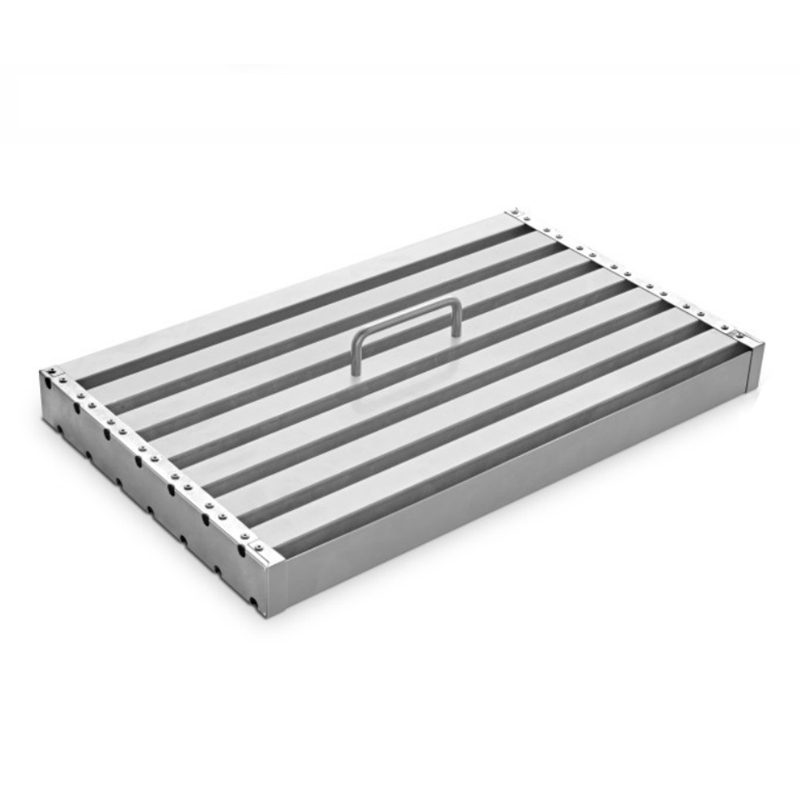
A basic review routine lets kitchen staff spot filter problems apart from fan or duct faults. Do the check with cooking gear off. Ensure the hood zone cools for safe touch.
Begin with the outer layer. A grease filter that feels weighty, tacky, darkened, or unevenly coated needs cleaning or swapping. Next, look at the gaps. If light fails to shine through mesh or baffle routes clearly, air already faces limits. The frame counts too. A twisted filter might create side openings. This lets air skip the proper grease path.
During the review, staff should check:
-
Whether there is sticky oil film on the filter face
-
Whether mesh or baffle openings are blocked
-
Whether the filter surface has uneven grease buildup
-
Whether the edges are bent or the frame is warped
-
Whether the handle is loose or welds are damaged
-
Whether there is rust, corrosion, or any sharp broken points
-
Whether the filter fits poorly inside the hood slot
-
Whether the filter fits poorly inside the hood slot
For kitchens with lots of frying, a fast look at day’s end saves time. It takes just minutes. Deeper reviews fit weekly or by cooking amount.
How Often Should Commercial Grease Filters Be Cleaned?
No fixed cleaning plan suits all kitchens. The best schedule ties to cooking style, oil amount, daily hours, rules, and local safety needs. A small cafe with simple warming differs from a chicken fry spot or hotel buffet area.
| Commercial Kitchen Condition | Suggested Filter Check and Cleaning Pattern |
|---|---|
| Light-duty café or beverage kitchen | Check weekly, clean as needed |
| Standard restaurant cooking line | Check daily, clean weekly or more often |
| Heavy frying or wok cooking | Check daily, clean several times per week |
| Hotel, canteen, or central kitchen | Set a fixed cleaning log by station |
| High-output fryer or grill zone | Inspect after each busy shift when needed |
Cleaning methods must guard the filter shape. Use warm water. Add safe degreaser. Soak it. Then rinse well. Rough scraping harms mesh. It loosens joins. Or it twists baffle sheets. A damaged filter may not regain good airflow even after washing.
When Should a Grease Filter Be Replaced Instead of Cleaned?
Treat a filtre de graisse as a replaceable item, not forever. Commercial kitchens wash filters often. But swap comes when it no longer fits, drains, or traps grease right.
Swapping often beats cleaning if the frame twists, handle slips, baffle sheets warp, or airflow stays low post-wash. Rust and decay warn strongly. This hits humid spots or areas with tough cleaners. A filter with split parts risks staff safety. It may break on pull-out.
Wrong size prompts replacement too. A too-small grease filter leaves air leaks. A too-big one sits uneven. Both cut capture power. For commercial kitchen setups, right size and firm build matter as much as material.
What Type of Grease Filter Works Better in Commercial Kitchens?
Pick a commercial kitchen grease filter to fit the cooking volume, hood style, upkeep plan, and funds. The top option is not the lowest price. It is the one that holds steady airflow. It takes repeated washes. And it matches the hood well.
Stainless Steel Grease Filter
Stainless steel grease filters serve widely in commercial kitchens. They endure heat, washes, and long shifts better than lighter stuff. They suit eateries, hotels, dining halls, and gear suppliers needing tough spares.
Baffle Grease Filter
Baffle grease filters appear often in commercial hood setups. Their metal sheets steer air via slanted routes. This splits grease from air flow. Baffle types aid high-volume cooking spots. They stay sturdy, cleanable, and simple to review over weak designs.
Filtre de graisse Nano haute efficacité
Kitchens with thick oil vapors benefit from high-efficiency grease filters. These cut grease entering the exhaust. This helps in fryer-focused places, fast-food spots, and main kitchens with long runs.
Custom Grease Filter
Custom grease filters aid when hoods have odd sizes, spares do not match, or buyers want uniform fits across sites. For sellers and kitchen builders, custom sizes ease setup. They also lower post-sale issues.
How Can Buyers Choose the Right Commercial Kitchen Grease Filter?
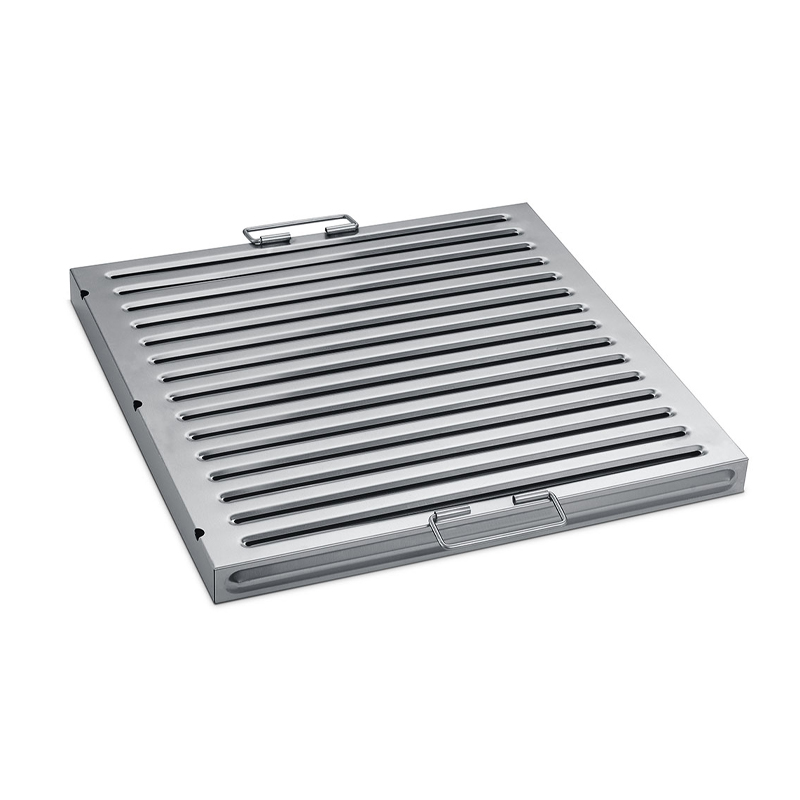
Base buying on real use, not just looks. A filter might seem solid. But it fails soon if material, frame, handle, or size mismatches daily needs.
Buying teams should review these before orders:
-
Exact width, height, and thickness required by the hood
-
Stainless steel quality and corrosion resistance
-
Baffle or mesh structure based on cooking load
-
Handle design for safe removal and cleaning
-
Smooth edges to reduce handling risk
-
Cleaning frequency and detergent exposure
-
OEM or ODM support for repeated project orders
-
Supplier ability to handle stable delivery and size consistency
Chain eateries, hotels, and kitchen builders gain from standard filter sizes over many spots. This eases stock needs. Teams swap bad parts quicker. And it cuts mix-ups in upkeep.
Foshan Simple Technology Co., Ltd. as a Commercial Kitchen Supplier
Foshan Simple Technology Co., Ltd. offers commercial kitchen items like Grease Filter, Adjustable Legs, Bullet Feet, Frying Basket, and Range Hood Light. Its grease filter lineup includes nano high-efficiency grease filter, baffle grease filter and UV grease filter for varied ventilation demands.
For business buyers, key factors include product range, OEM/ODM aid, factory output, export background, and direct talks for project needs. Commercial kitchen parts often require steady orders, fixed sizes, and smart packing for shipping. A supplier with broad items supports combined buys. This covers filters, hood lights, fryer baskets, and gear bases for makers, sellers, builders, and spare seekers.
This positions Foshan Simple Technology Co., Ltd. well for buyers beyond one filter buy. It aids kitchen accessory sourcing with matches, custom needs, and chain handling.
Conclusion
When a commercial range hood loses suction, blame not just the fan first. A dirty grease filter blocks air flow. It leaves smoke near stoves. It boosts grease layers. And it strains the full exhaust setup. Steady checks, right cleaning, and prompt swaps keep ventilation firm in peak times.
For eateries, hotels, dining halls, main kitchens, and gear suppliers, view the grease filter as vital hood part. Select fitting stainless steel grease filter, baffle grease filter, or custom grease filter. This cuts upkeep hassles. It aids safe, neat daily work.
Questions fréquentes
Can a clogged grease filter make a commercial range hood lose suction?
Yes. A clogged grease filter blocks airflow before smoke, heat, and grease enter the hood. The fan may still run, but the hood pulls less air through the filter.
How often should commercial kitchen grease filters be cleaned?
It depends on cooking load. Standard restaurant kitchens may clean weekly, while heavy frying, grilling, or wok stations may need cleaning several times per week.
Should a grease filter be cleaned or replaced?
Clean it when the structure is still sound and grease can be removed. Replace it if the frame is bent, the handle is loose, the baffle is damaged, or airflow stays weak after cleaning.
What grease filter is best for commercial kitchens?
Stainless steel grease filters are strong choices for commercial kitchens because they are durable, washable, and suited to repeated use.
