


5 giorni alla settimana dalle 8:30 alle 17:30

Stainless Steel vs Plastic Fan Guards
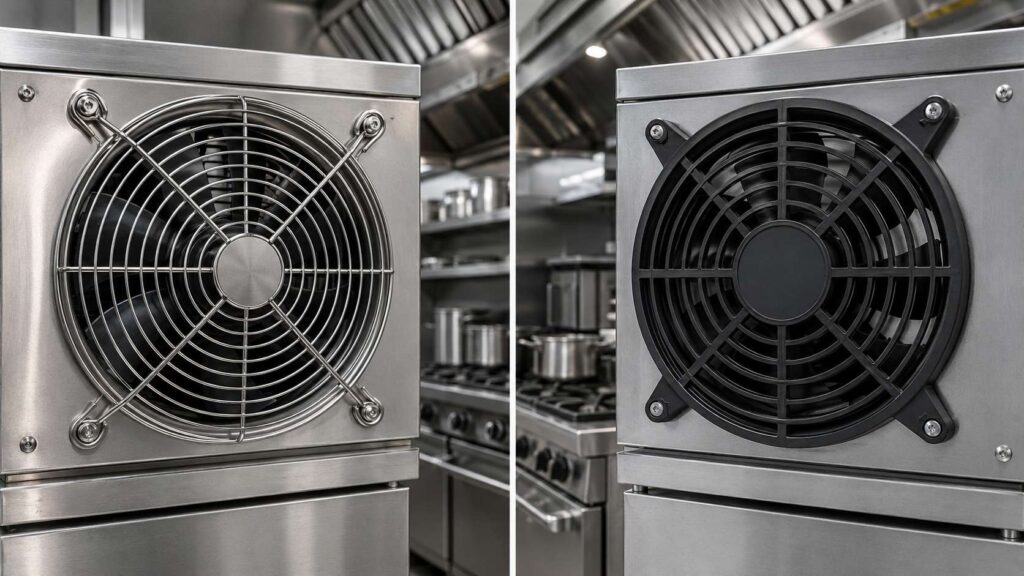
In a busy commercial kitchen, a fan guard plays a key role. It sits near the spinning fan blade, where it faces high heat from cooking, rising steam, splashes of grease, sprays of cleaning water, and the constant movement of workers. Its main tasks stay clear: shield the fan blade, lower the chance of contact accidents, allow steady airflow, and help keep the equipment safe over many years.
When people compare stainless steel fan guards with plastic ones, the right pick depends on several real factors. These include levels of heat, amounts of grease, how often staff clean, the equipment’s daily workload, and how long the part should last. For most setups in commercial kitchens, stainless steel offers stronger and more reliable performance. Plastic guards can suit some lighter tasks, yet they show clear weaknesses in hot, oily, and fast-paced kitchen settings.
What a Fan Guard Does in Commercial Kitchen Equipment
A fan guard acts as a solid barrier around the moving blades. In commercial kitchen machines, this protection matters a lot. Fans often sit close to condenser units, ventilation systems, cooling cabinets, exhaust spots, and other back-of-house tools.
Protection for Fan Blades and Staff
Fan blades can easily get harmed by tools, bits of packaging, rags, food scraps, or accidental bumps while cleaning. A strong fan guard grill reduces these risks. It also keeps fingers safely away from spinning parts when panels open for checks or repairs.
Staff in commercial kitchens usually clean equipment quickly between busy service times. Without a good guard or with one that is broken, simple cleaning can turn into a real safety concern.
Airflow Support
A fan guard must protect the blade without stopping air from moving freely. Guards with poor designs can cut cooling power, especially once grease and dust build up on the mesh.
Good airflow comes from several details:
-
Mesh spacing
-
Wire thickness
-
Open area percentage
-
Distance from the blade
-
Flat or raised structure
-
Overall clean condition
A stainless steel wire mesh fan guard with an open, clean design often strikes a fine balance between protection and smooth air movement.
Stainless Steel Fan Guard: Why It Fits Commercial Kitchens
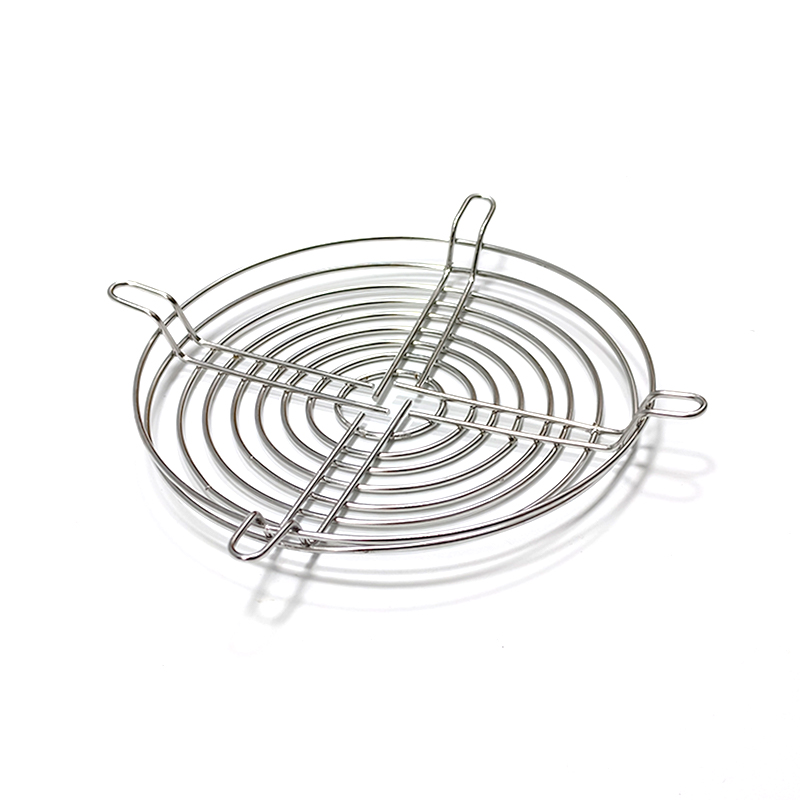
Stainless steel appears in many commercial kitchen items because it stands up well to heat, water, grease, and repeated washing. It handles tough conditions better than many cheaper materials.
Better Strength for Busy Kitchen Areas
Commercial kitchens stay full of activity. Workers move equipment around, open panels often, stack trays nearby, and use cleaning tools under time pressure.
Stainless steel fan guards resist bending, cracking, or breaking from impacts. This strength makes them suitable for:
-
Commercial refrigerators
-
Kitchen cooling units
-
Condenser fan sections
-
Ventilation fans
-
Range hood support systems
-
Heavy-duty equipment backs
A tougher guard also lowers damage to the fan blade. If a guard bends into the blade’s path, the fan might scrape, shake, or even stop. Stainless steel keeps its shape better during normal daily use.
Heat Resistance in Cooking Environments
Kitchens produce steady warmth from frying stations, ovens, steamers, grills, dishwashing zones, and hood systems. This heat surrounds nearby parts.
Plastic fan guards can soften, bend out of shape, change color, or turn brittle after long exposure. The problem grows worse near hot exhaust, condenser areas, or steamy machines.
Stainless steel holds its form and gives steady protection even in these warm spots.
Better Performance Around Grease and Steam
Grease causes many kitchen parts to wear out early. Oil vapors land on guards, catch dust, and create a thick sticky layer. Blocked guards reduce airflow. Then the fan motor works harder, cooling drops, and machines may run warmer than they should.
Stainless steel fan guards wipe clean more easily with sprays or cloths. The material does not soak up grease. Its smooth wire surface lets staff remove buildup during regular cleaning shifts.
Plastic Fan Guard: Where It Can Still Work
Plastic fan guards have their uses. They appear often in lighter cooling tasks and lower-risk machines. The question is not if they can protect a fan at first. It is whether they continue working well in hot, greasy, and damp commercial kitchens.
Lower Cost and Light Weight
Plastic guards usually cost less upfront. They also weigh little, which helps with smaller machines and simple indoor setups.
Plastic may work fine for:
-
Low-heat equipment zones
-
Dry storage area machines
-
Low-speed cooling fans
-
Light-duty kitchen support tools
-
Equipment with very little grease contact
For small commercial items where budget matters most, plastic remains a practical pick.
Main Limits in Commercial Kitchen Use
Plastic shows problems when it meets heat, steam, grease, strong cleaning chemicals, and physical knocks.
Common issues include:
-
Cracking after extended use
-
Warping near warm sources
-
Discoloration from grease and heat
-
Weaker resistance to bumps
-
Harder grease removal from scratched areas
-
Shorter overall service life in heavy-duty settings
A plastic guard might save money at purchase, but frequent replacements can increase total costs later.
Stainless Steel vs Plastic Fan Guard Comparison
The material should match the actual working environment. Here is a clear side-by-side look for commercial kitchen equipment.
| Fattore | Stainless Steel Fan Guard | Plastic Fan Guard |
|---|---|---|
| Strength | Stronger and better for frequent use | Suitable for light-duty use |
| Heat resistance | Better for hot kitchen areas | May warp or age near heat |
| Grease cleaning | Easier to wipe and wash | Scratches may hold grease |
| Moisture resistance | Good corrosion resistance when selected properly | Does not rust but may age |
| Impact resistance | Better shape stability | More likely to crack |
| Service life | Longer in demanding kitchens | Shorter in high-heat areas |
| Upfront cost | Più alto | Più basso |
| Best use | Commercial kitchen equipment | Low-risk, light-duty equipment |
For most commercial kitchen fan guard needs, stainless steel delivers stronger long-term value. It lasts longer and needs fewer replacements.
Which Material Handles Greasy Kitchen Conditions Better?
Grease changes how guards perform over time. A clean guard supports good airflow. Yet a blocked one cuts cooling and raises equipment temperatures.
Grease Buildup and Airflow Loss
Near frying stations or ventilation paths, grease gathers fast. Guards with tight openings or rough surfaces collect residue quicker. Reduced airflow makes the fan strain harder to push air.
This leads to:
-
Slower cooling
-
Higher motor temperatures
-
Louder fan noise
-
More vibration
-
Extra cleaning work
-
Shorter equipment life overall
Stainless steel guards clean more easily before buildup gets thick. Daily-use equipment benefits greatly from this feature.
Cleaning Chemical Exposure
Kitchens rely on degreasers, hot water, and sanitizers. Some plastics react badly to these strong cleaners. They can turn dull, brittle, or cracked after many cycles.
Stainless steel stands up better to regular cleaning when staff use proper methods and gentle tools.
How Fan Guard Design Affects Cooling Performance
Material choice counts, but good design matters just as much. Even a stainless steel guard with bad design can limit air. A well-kept plastic one can perform okay in suitable low-duty spots.
Mesh Spacing and Open Area
A commercial kitchen fan guard needs enough open space for air while still protecting the blade. Too-dense mesh slows movement. Too-large openings weaken protection.
A solid wire mesh guard balances:
-
Proper spacing for airflow
-
Strong wire for safety
-
Stable mounting holes
-
Correct diameter size
-
Enough blade clearance
-
Easy cleaning access
Raised and Convex Fan Guard Structures
Raised or convex guards create extra space between the guard and blade. This lowers contact risk if someone presses the guard during cleaning or service.
Convex shapes also help when blades need more room. In kitchen equipment, they reduce scraping, shaking, and airflow issues.
Best Commercial Kitchen Applications for Stainless Steel Fan Guards
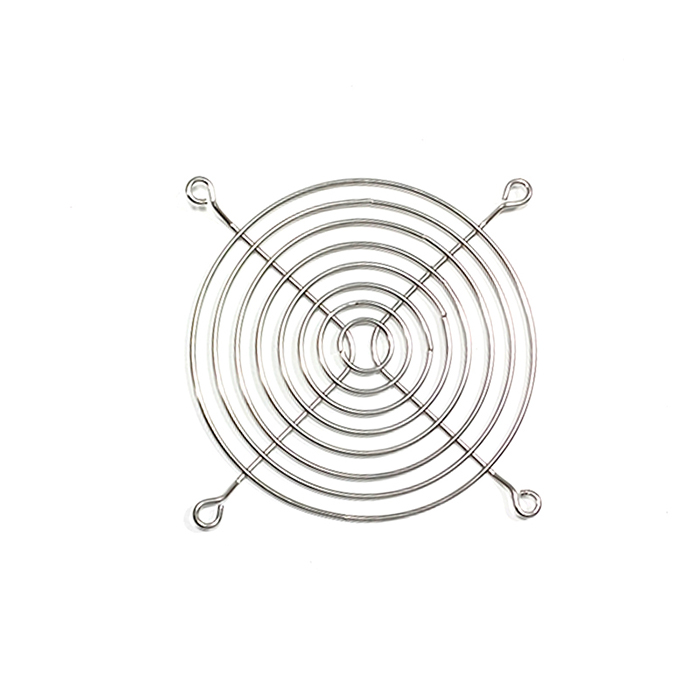 Stainless steel usually fits best for equipment near heat, water, grease, or constant activity.
Commercial Refrigerators and Freezers
Back-area refrigeration units use fans for condenser cooling. These spots collect dust, flour, oil mist, and moisture. Stainless steel guards protect the fan and let air flow across the cooling system.
Ventilazione and Range Hood Areas
Guards near ventilation face steam, warmth, and oil vapors. Easy cleaning and corrosion resistance become very important here. Stainless steel lasts longer under frequent care.
Frying e Cooking Lines
Frying zones create heavy grease. Guards around nearby cooling or ventilation equipment need simple cleaning and heat resistance. Plastic tends to wear faster in these spots.
OEM Commerciale Kitchen Equipment
Manufacturers often choose stainless steel fan guards for better service life and customer satisfaction. Custom options like wire diameter, mesh spacing, mounting holes, and surface finish help the guard match the machine closely.
How to Choose the Right Fan Guard Material
Pick the fan guard based on real conditions, not only price.
Choose Stainless Steel If?
Stainless steel works better when:
-
Equipment sits near heat sources
-
The guard meets grease regularly
-
Steam levels stay high in the kitchen
-
Cleaning occurs often
-
Strong blade protection is needed
-
Equipment runs every day
-
Longer service life matters
-
The project needs OEM customization
These situations appear commonly in commercial kitchens.
Choose Plastic If?
Plastic can fit when:
-
Equipment has light duties
-
The area stays dry and cooler
-
The fan spins at low speeds
-
Grease contact remains low
-
Low initial cost is the main goal
-
Replacement stays simple and low-risk
Use plastic carefully near hot cooking zones and greasy ventilation spots.
Buying Tips for Commercial Kitchen Equipment Projects
Buyers should match the fan guard to the full equipment design. Wrong size or weak build can cause installation problems, noise, blocked air, or early swaps.
Key Details to Confirm Before Ordering
Before a bulk order, check these points:
-
Outer diameter
-
Wire thickness
-
Mesh spacing
-
Mounting hole size
-
Mounting hole position
-
Flat or convex shape
-
Surface finish
-
Stainless steel grade
-
Packaging method
-
Sample approval process
-
Expected delivery time
A custom stainless steel fan guard reduces fitting issues in production and simplifies later replacements.
About Foshan Simple Technology Co.Ltd
Foshan semplice tecnologia Co.Ltd supplies parts for commercial kitchen equipment makers, distributors, and project buyers. Their range includes grease filters, adjustable legs, bullet feet, frying baskets, range hood lights, and other replacement items. This includes fan guards for cooling and ventilation protection.
The company handles OEM and ODM orders. They bring experience in custom kitchen parts, quality checks, production tracking, and export support. Buyers looking for stainless steel fan guards along with grease filters, adjustable legs, bullet feet, frying baskets, or range hood lights can consider them as one reliable source.
Conclusione
In commercial kitchen equipment, stainless steel fan guards generally outperform plastic ones. They deliver stronger protection, better heat handling, simpler grease removal, and longer service life in tough kitchen conditions.
Plastic guards still suit light-duty, cooler, and budget-focused equipment. Yet in frying areas, ventilation systems, refrigeration units, and heavy-use kitchens, stainless steel offers a safer long-term option.
A quality fan guard does more than cover the blade. It keeps airflow strong, fights grease buildup, stays solid during cleaning, and fits the equipment well. For buyers of commercial kitchen tools, the proper stainless steel fan guard can cut maintenance headaches and boost daily reliability.
Domande frequenti
Is stainless steel fan guard better than plastic for commercial kitchen equipment?
Yes. Stainless steel fan guard products usually perform better for commercial kitchen equipment. They resist heat, grease, steam, and impacts more effectively than plastic guards.
Can plastic fan guards be used in commercial kitchens?
Plastic fan guards can fit in light-duty, cooler, and low-grease areas. They are not the top choice for hot cooking lines, greasy ventilation sections, or heavy-duty machines.
Does a stainless steel fan guard affect airflow?
A well-designed stainless steel wire mesh fan guard protects the fan while supporting open airflow. Mesh spacing, wire thickness, open area, and regular cleaning all influence the results.
What is the best fan guard for greasy kitchen areas?
A stainless steel wire mesh fan guard often serves as the stronger choice for greasy kitchen areas. It cleans more easily and resists cracking or deforming over long periods.
Can stainless steel fan guards be customized for OEM kitchen equipment?
Yes. Stainless steel fan guards can be customized by diameter, wire thickness, mesh spacing, mounting holes, shape, finish, and packaging for OEM commercial kitchen equipment projects.
