


5 Days a week from 8:30 am to 5:30 pm

Are Rising Energy Costs Changing the Way Commercial Kitchens Choose Accessories?

The way in which restaurant operators and hotel kitchens, and people in the catering industry and foodservice procurement, buy Commercial Kitchens Accessories has changed in 2026. While price is still an important factor, it is no longer the only factor. Other factors have become increasingly important. These include the extent to which accessories enhance the kitchen’s airflow, the speed with which they can be cleaned, the life of the equipment, the extent to which they enable heat to be controlled, the extent to which they facilitate staff workflow, and the maintenance requirements of the accessories and the equipment to which they are attached. The accessories should also minimize operating waste. The U.S. Energy Information Administration’s Electric Power Monthly provides April 2026 average electricity price, by sector and state.
Why are energy costs changing accessory purchasing decisions?
Energy pressure on large kitchen appliances such as ovens, fryers, refrigerators and dishwashers is not only determined by the larger appliances. Smaller components also play a part in meeting the demands during daily kitchen work.
How do accessories affect daily kitchen operation?
Additional items like grease filters, frying baskets, adjustable legs, fan guards and range hood lights may not add a lot to your energy bill, however they can affect your ventilation, cleaning, heat exposure, staff traffic and overall item condition.
This article discusses a few of the items found in a commercial kitchen and how poorly made or maintained they can be. For example, a grease filter that doesn’t fit properly can make cleaning more difficult and can detract from consistency of ventilation. A frying basket that isn’t strong enough may bend during busy times. The adjustable legs of equipment can be flimsy making it difficult to get equipment to be level and to clean around.
Why are buyers moving beyond the lowest quotation?
The lowest unit price does not always equal the lowest operating cost. A filter frame that bends, a basket weld that fails or a light fixture that is difficult to service can cause the buyer to spend a lot of money for labor, down time, return shipments and emergency replacement parts orders.
Buyers with experience of buying mop heads and wringers now compare products on service life, fit, cleaning access, packaging, and how spare parts are supplied. Commercial kitchens are run on routines and need stability.
Which commercial kitchen products deserve closer review?
While not all accessories will lower energy usage, buyers must be cautious of excessive energy saving claims. Instead, consumers should focus on choosing the proper accessories to promote a cleaner, safer, and more efficient working kitchen.
Why do grease filters and ventilation parts matter?
Ventilation is closely linked to heat, grease, exhaust, and make-up air. ENERGY STAR states that certified commercial kitchen equipment can help cafes, restaurants, and institutional kitchens cut utility and maintenance costs without sacrificing features, quality, or style.
When purchasing grease filters for your kitchen, check the fit, material, frame, drainage, cleaning access and hood compatibility. It’s also important to consider that a filter that is too hard to remove and clean could be left un-maintained from time to time.
How do baskets, legs, guards, and lights affect cost control?
Frying baskets must have stable mesh, strong welds, good handles and correct sizes. Adjustable legs with bullet feet are needed for leveling during floor cleaning as well as for stable equipment. Fan guards are required to protect airflow paths and must not turn into grease traps. Range hood lights have to be visible and must withstand heat, grease and moisture.
|
Accessory |
Buyer concern |
Practical check |
|
Grease filter |
Airflow and cleaning |
Fit, frame strength, drainage |
|
Frying basket |
Peak-hour workflow |
Mesh, welds, handle comfort |
|
Adjustable leg |
Equipment stability |
Load support, corrosion resistance |
|
Fan guard |
Air movement and safety |
Wire spacing, cleaning access |
|
Range hood light |
Visibility and maintenance |
Heat resistance, replacement method |
How should buyers compare quality, maintenance, and lifecycle cost?
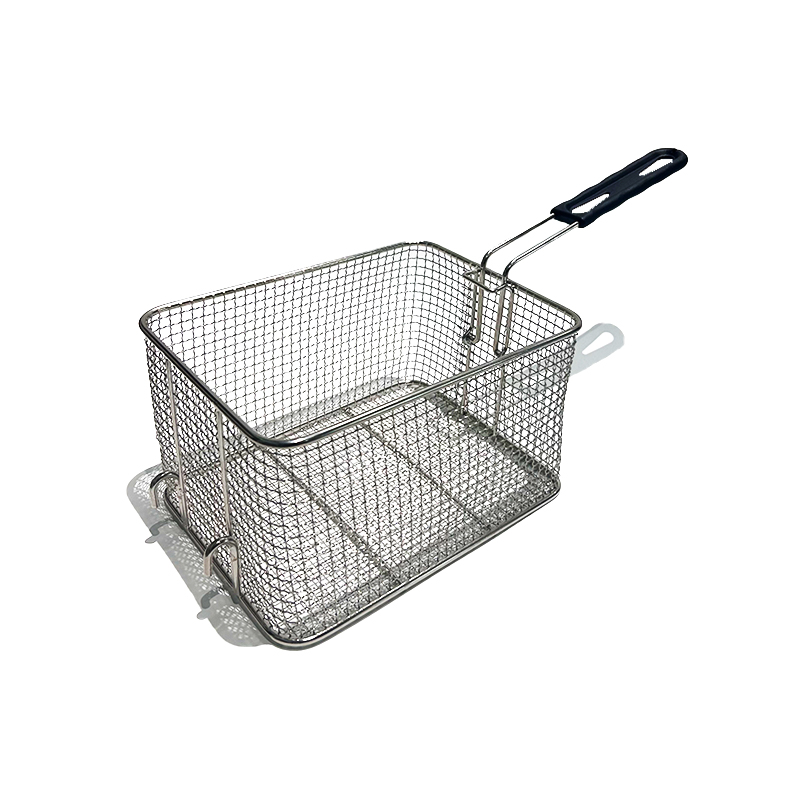
Energy-aware sourcing is not about buying the most expensive gadget. We choose the parts for your kitchen in such a way that they match your needs best and are as resistant as possible to unnecessary failures.
What should procurement teams check before purchase?
When purchasing parts it is a good idea to check the following: dimensions, material grade, how the part is to be installed, how the part will be cleaned, replacement cycle and packaging protection. Parts made of stainless steel can be used in situations where there is a risk of corrosion, grease, water etc. and where there are many cleanings.
Before approving drawings, please make sure they are clear. Small changes in dimensions can cause delays during installation, especially for items like filters, legs, lighting parts and baskets that are to be fitted onto existing equipment.
How can maintenance teams support better sourcing?
By engaging with the maintenance staff, procurement can gain insight into the typical failure points and design for reliability to avoid handles that break, sharp edges, unstable bases, difficult screws or filters that distort with washing.
Test kitchenware samples under real kitchen conditions – as buyers do before large orders – with heat, grease, water, cleaning chemicals etc., revealing design shortcomings not visible in pictures in a catalog.
What documentation should buyers request before ordering?
By providing documentation to the buyer, we are able to separate real product preparation from the generic claims of a supplier. The documentation provided can also support the approval of a distributor, review by a contractor and planning for replacement.
Which documents are useful for non-electrical accessories?
For grease filters, baskets, feet, guards, etc. parts it would be useful to hold onto specifications for the materials, drawings or details of the product, dimensions, packaging details, instructions on how to clean and any other relevant documentation from the supplier with their declaration.
Package of documents for non-electrical metal accessories should be more relevant to specific product category and include more details on materials and dimensions than on electrical approval.
What should buyers check for electrical accessories?
For products like range hood lights or other electrical items, buyers may require additional documentation related to electrical safety, labeling, as well as other market specific documentation. The specific requirements for these types of documentation vary by country, product design, voltage, type of installation, as well as the method of sale.
Be wary of claims made by suppliers e.g. “energy saving”, “maintenance free” or “fits all kitchens” – find out more about conditions that apply to such claims. ENERGY STAR also provides commercial foodservice tools for: finding products; reviewing specifications for products; searching for rebates; and searching for equipment dealers. Again, here verified product information is important.
How can buyers reduce sourcing risk before mass production?
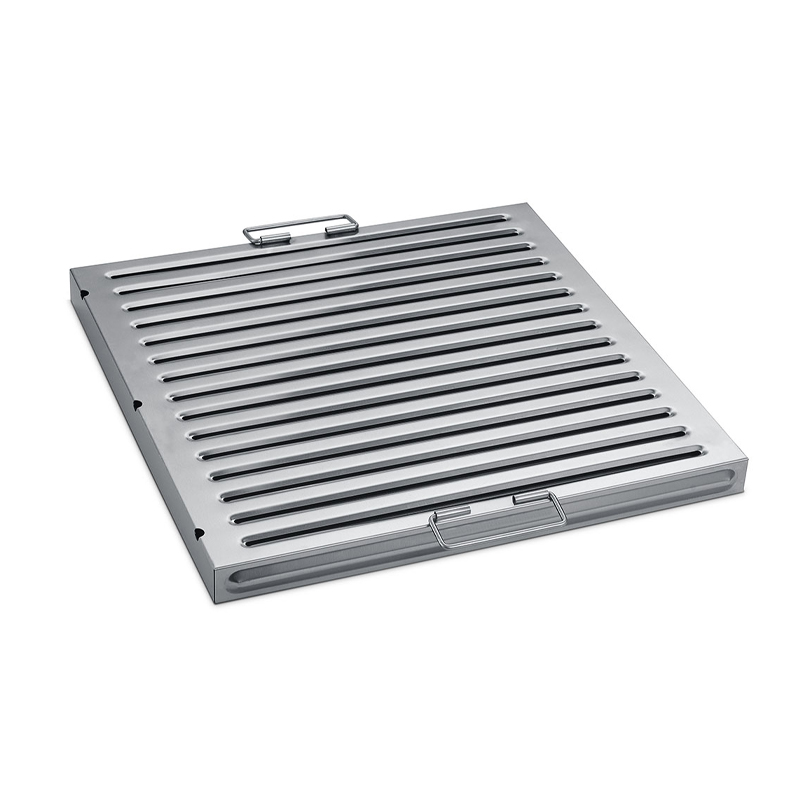
Small issues with accessories can quickly become an everyday problem in the kitchen. A structured approval process will allow to detect such problems early on. This can be achieved by approving samples, documents as well as the packaging before placing a large order.
What should a practical buyer checklist include?
A useful checklist may include:
-
Confirm size, material, and installation conditions
-
Review drawings, photos, and packaging details
-
Test samples under cleaning and heat exposure as appropriate.
-
Check welds, frames, edges, handles, screws and surface finish.
-
Reconfirm all replacement details including terms and conditions, lead time, MOQ and packaging for carton protection where required.
-
Separate supplier claims from verified documents
This process helps to compare various commercial kitchen equipment by the real risks they carry for the buyer as opposed to just price.
How should buyers handle customization?
Customization of standard products can be beneficial for manufacturers of equipment, distributors as well as for contractors. It is however crucial to control custom products with drawings, samples, approvals in writing and check points during the production process.
When purchasing replacement parts it is crucial to establish whether the supplier can reproduce the approved product specifications for future orders. This is important for parts that must be able to be fitted into current product models.
Who can support practical sourcing for commercial kitchen products?
Foshan Simple Technology Co., Ltd. of China is a supplier of commercial kitchen equipment and related parts and accessories. Products that they supply include grease filters, adjustable legs, bullet feet, frying baskets and other parts and accessories including range hood lights. They also supply OEM and ODM commercial kitchen equipment for various accessories for commercial kitchens. This would make them a suitable supplier for a distributor, contractor or foodservice equipment supplier and dealer for example for comparison of size, finish, packaging etc as well as for the ordering of customized commercial kitchen products. Their product range would also be suitable for purchasing of ventilation accessories, parts for deep fryers, leveling products, protective guards, lighting etc. A buyer would also compare specifications, samples, technical documents, prices, payment and delivery terms and post sale service.
Conclusion
In summary, even though the cost of an commercial kitchen accessory does not typically comprise a major portion of the cost of using energy in the kitchen, increased energy cost has prompted many businesses to reconsider the cost of their kitchen accessories. All items in the kitchen have one of five key functions: air flow, cleaning, equipment stability, visibility or maintenance. Choose your cost of your kitchen items based upon total life cost rather than purchase price. Documentation, samples, and even dimensional accuracy should all be verified prior to placing a very large order. Only the right products for your kitchen can help reduce avoidable waste, down time and excessive maintenance.
FAQs
1. Do Commercial Kitchens Accessories directly reduce energy bills?
No. There are some accessories that support the energy-efficient operation of your ventilation, cleaning, and other equipment by enabling stable operation and facilitating maintenance, for example. However, buyers must not be misled by unsupported energy-saving claims.
2. Which accessories should restaurants check first?
Check the grease filters, frying baskets, adjustable legs, fan guards and range hood lights as they can affect airflow, the working area, cleaning, safety and maintenance routines.
3. Why does product fit matter so much?
Lousy design fit can lead to all sorts of problems: install delays, poor performance, excessive cleaning and even premature replacement. So, make sure you check the dimensions before you place your order to ensure proper design fit.
4. What documents should B2B buyers request?
We provide material specifications, drawings, packaging details, cleaning instructions, installation instructions and the electrical documents for the lights themselves if applicable.
5. How can buyers reduce sourcing risk?
They can check test samples, gather feedback from maintenance staff, check exact dimensions, check the packaging, check the documentation and more than just selecting the lowest quotation.
