


5 Days a week from 8:30 am to 5:30 pm

How Much Thread Engagement Does an Adjustable Equipment Leg Need for Safe Support?
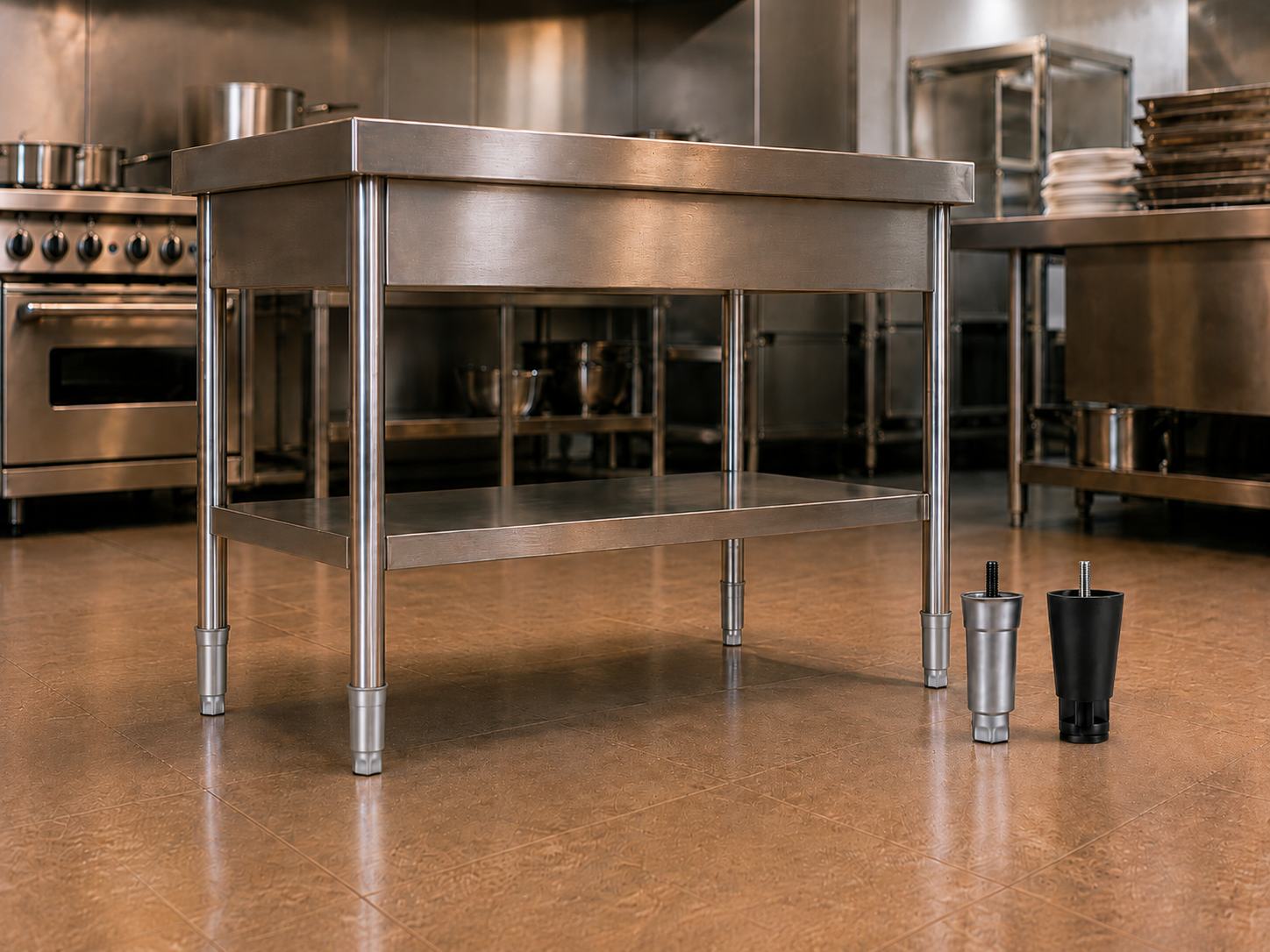
There is no universal number of millimeters or thread turns that can be declared safe for every adjustable equipment leg. For commercial kitchen equipment manufacturers, contractors, maintenance teams, and component buyers, the required engagement depends on thread diameter and pitch, male and female thread materials, equipment load, adjustment height, mounting design, manufacturing tolerances, and the manufacturer’s validated working range. Rules such as “three threads are enough” should therefore not be copied into a purchasing specification without engineering support. When sourcing commercial kitchen adjustable legs, buyers should define the required installed height first and then confirm the approved adjustment range and minimum permitted engagement for the exact construction.
Why Does Thread Engagement Matter on an Adjustable Equipment Leg?
An adjustable leg carries equipment load through a connected structural path. Force moves from the equipment frame into the mounting point, through the female and male threads, down the threaded stem, through the foot, and finally into the floor. Thread engagement is therefore part of the support system rather than simply a feature that allows height adjustment.
As the stem is unscrewed to raise the equipment, less thread remains inside the mating component while more of the stem becomes unsupported outside it. Reduced engagement changes the threaded contact available to transfer force, and a longer exposed stem can become more sensitive to bending and side loading.
Why Does Exposed Stem Length Matter?
Commercial equipment rarely experiences perfectly vertical static loads throughout its service life. Doors are opened, worktables are pushed, refrigerators vibrate, and staff may lean against equipment during cleaning or operation. Those forces can place lateral stress on an extended stem.
For that reason, the physical end of the threaded rod should not automatically be treated as the safe adjustment limit. The intended maximum height should come from the approved leg design.
Existing SPC Kitchen content for refrigeration legs also notes that excessive extension can increase movement and bending stress and recommends confirming both adjustment range and minimum safe engagement.
Is There a Universal Minimum Thread Engagement Rule?
No single number should be applied to every adjustable leg. General threaded-joint rules may be useful during engineering design, but buyers should not convert one rule of thumb into a universal commercial-kitchen acceptance criterion.
Thread Diameter and Pitch
The number of visible or engaged turns does not tell the whole story. Five turns on a small fine-pitch thread do not represent the same engagement geometry as five turns on a larger coarse thread.
A purchasing drawing should therefore identify both thread diameter and pitch rather than using descriptions such as “standard adjustable thread.”
Material and Mating Construction
A steel threaded stem engaging steel behaves differently from a similar stem engaging aluminum, zinc alloy, stainless steel, or a polymer insert. The length and wall thickness of the mating component also influence the complete joint.
Load and Equipment Geometry
A light cabinet and a heavily loaded refrigeration unit may use visually similar components while placing very different demands on them. Uneven weight distribution also matters because one leg may temporarily carry more load than another.
Instead of asking a supplier whether “five threads are enough,” the better question is:
What minimum thread engagement remains at the maximum approved working height of this specific leg?
That ties engagement directly to the actual product design.
How Should Buyers Define the Required Adjustment Range?
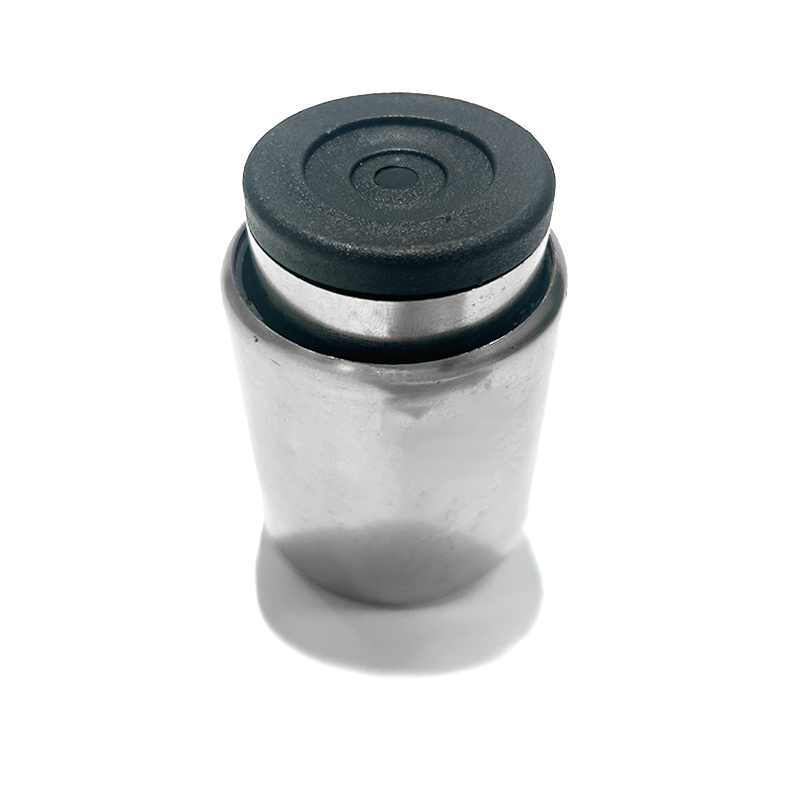
Selection should begin with the finished equipment height. The nominal working position should preferably sit inside the normal adjustment range rather than at its upper limit. This leaves enough adjustment in both directions to compensate for realistic floor variation during installation.
A buyer should not select a leg that reaches the required equipment height only when the threaded stem is almost fully extended. If the normal operating position already uses most of the available adjustment, little margin remains for leveling.
Which Parameters Belong on the Drawing?
|
Parameter |
What the buyer should define |
|
|
Nominal installed height |
Normal operating position |
|
|
Minimum working height |
Lowest required adjustment |
|
|
Maximum working height |
Highest required adjustment |
|
|
Thread diameter |
Male/female thread specification |
|
|
Thread pitch |
Required mating pitch |
|
|
Stem length |
Total threaded portion |
|
|
Minimum engagement |
Supplier- or engineering-defined |
|
|
Locking method |
Locknut or other retention system |
|
|
Equipment load |
Empty plus normal operating load |
|
|
Number of support points |
Total legs carrying equipment |
|
Equipment weight should not simply be divided by four and treated as the exact load per leg. Compressors, fryer tanks, sinks, stored products, and equipment geometry can shift the center of gravity, while uneven flooring can cause one support point to carry more weight than another.
Buyers considering heavy equipment should therefore evaluate the support system as a whole. The comparison of adjustable legs versus fixed legs discusses related factors such as stem length, mounting construction, load distribution, and adjustment range.
What Are the Warning Signs of Excessive Extension?
An adjustable leg does not always fail suddenly. The first sign may simply be repeated movement. Equipment that was previously stable may begin rocking during door operation, loading, or cleaning, or may need frequent re-leveling.
What Should Maintenance Teams Look For?
Excessive visible thread should prompt comparison with the approved working range, although visible thread alone does not prove that the installation is unsafe. More important warning signs include lateral movement at the threaded joint, damaged thread crests, a locknut that can no longer reach its intended position, a visibly misaligned stem, or a foot that no longer sits flat on the floor.
These symptoms should lead to inspection rather than another round of adjustment. Continuing to unscrew a stem because more thread is physically available can move the equipment farther outside its intended configuration.
What If the Leg Cannot Reach the Required Height?
If the equipment cannot be leveled while maintaining the specified engagement, the problem is usually component selection. A longer leg, different mounting arrangement, or another approved support solution may be required.
Do not add improvised spacers or operate the stem at an uncontrolled extension simply to achieve the desired countertop or equipment height.
Related guidance on equipment stability on uneven floors can also help separate a thread-engagement problem from frame, flooring, or load-distribution issues.
What Should an OEM Buyer Ask Before Approving an Adjustable Leg?
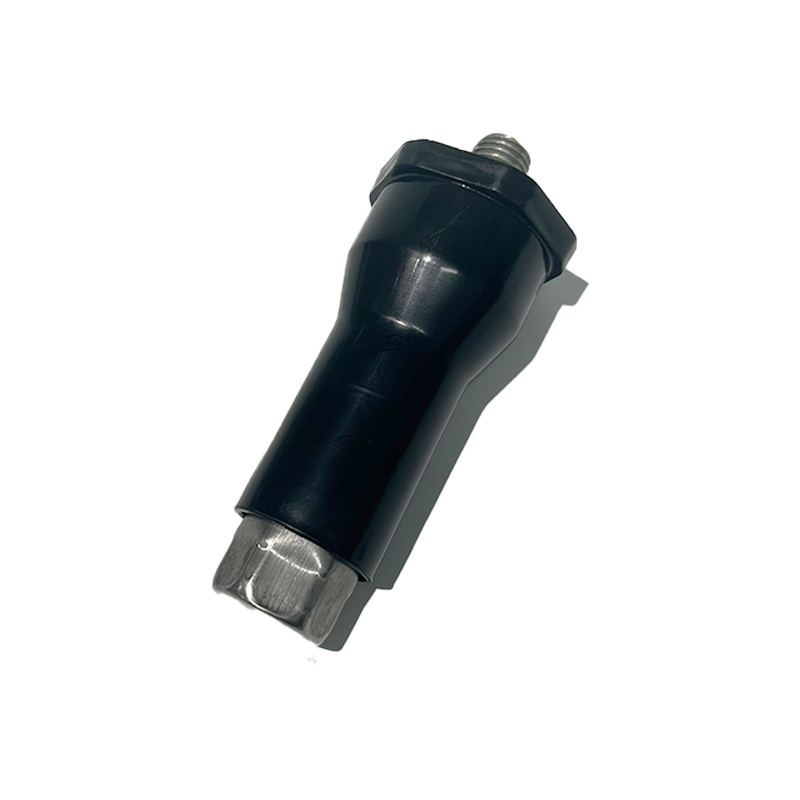
An RFQ should treat the threaded section as an engineered interface, not merely as an “adjustable stem.” Ask the supplier to confirm thread diameter, pitch, total threaded length, mating-thread material, nominal installed height, minimum and maximum working height, locking method, mounting interface, base dimensions, and stated load conditions.
Most importantly, request the approved adjustment range and minimum permitted engagement at the maximum setting.
How Should a Sample Be Checked?
Evaluate the leg at three positions: minimum working height, nominal operating height, and maximum intended field adjustment. The maximum position deserves particular attention because engagement is lowest and unsupported stem length is greatest.
The leg should adjust smoothly without binding or cross-threading, and the locking method should remain usable throughout the approved range.
Before approving a bulk order, use this checklist:
-
Thread diameter and pitch match the equipment interface.
-
Nominal height sits inside the normal adjustment range.
-
Maximum required height remains inside the approved range.
-
Minimum required engagement is maintained.
-
Locking mechanism functions at maximum height.
-
Thread moves smoothly without binding.
-
No thread damage appears during adjustment.
-
Equipment remains stable after leveling.
-
Foot maintains suitable floor contact.
-
Final specification is recorded for repeat orders.
Thread engagement should be treated as part of sample approval rather than left for installers to judge after delivery.
How Does Foshan Simple Technology Co., Ltd. Support Adjustable Leg Sourcing?
Foshan Simple Technology Co., Ltd. manufactures and supplies commercial kitchen components including adjustable legs, bullet feet, fryer baskets, grease filters, and range hood lights. Buyers evaluating equipment-support components can review the company’s adjustable-leg product capabilities and specific adjustable-leg models after the required thread, height range, mounting interface, and load conditions have been established. For OEM projects, providing equipment drawings, operating weight, required adjustment range, thread information, mounting details, and expected quantity gives a stronger basis for technical confirmation than selecting by leg height alone.
Conclusion
There is no safe universal answer such as three turns, five threads, or a fixed number of millimeters for every adjustable equipment leg. Thread geometry, materials, equipment load, mounting design, and adjustment height all influence the required engagement. The buyer’s next step is to define the nominal and maximum installed height, then ask the supplier to document the thread specification, approved adjustment range, and minimum permitted engagement. If the required height lies outside that range, select a different leg rather than operating the existing stem at an uncontrolled extension.
FAQs
1. How many threads should remain engaged on an adjustable equipment leg?
There is no universal number. The required engagement depends on thread diameter, pitch, materials, load, mating construction, and the manufacturer’s approved working range.
2. Can I extend an adjustable leg until only a few threads remain inside?
Do not assume that is safe. The physical end of the threaded stem is not necessarily the approved working limit.
3. Does thread diameter affect required engagement?
Yes. Diameter and pitch affect the geometry of the threaded connection, while materials, load, mating construction, and exposed stem length also influence the requirement.
4. What should I do if the leg cannot reach the required height?
Do not compensate by extending it beyond the approved range. Select a longer leg or another approved mounting solution that maintains sufficient engagement.
5. What information should be included in an adjustable leg RFQ?
Specify equipment weight, number of legs, required height range, thread diameter and pitch, mounting interface, material, base dimensions, locking method, and required adjustment range.
