


5 Days a week from 8:30 am to 5:30 pm

Rubber Bullet Feet for Commercial Kitchen Floors
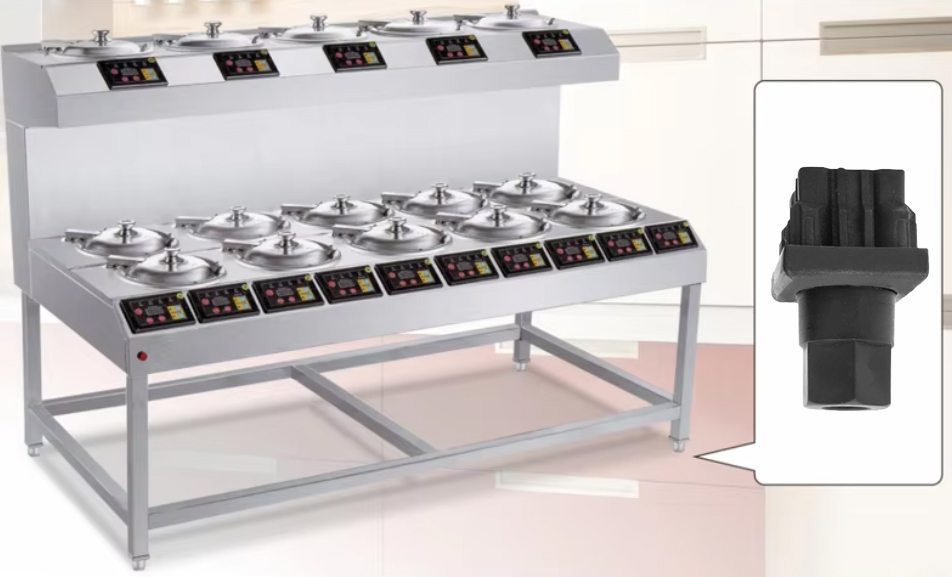
Commercial kitchen floors deal with water, oil, heat, carts, cleaning chemicals, and staff traffic every day. The small parts under prep tables, sinks, service counters, and equipment stands often decide whether a unit stays steady or slowly shifts during work.
Rubber bullet feet are useful when grip, floor protection, quiet contact, and basic height adjustment matter more than maximum load strength. On tile floors, epoxy floors, sealed concrete, service counters, and light worktables, the right rubber bullet feet can reduce sliding, lower vibration, and protect the finished floor from hard metal contact.
What Makes Rubber Bullet Feet Useful?
Rubber bullet feet sit at the bottom of commercial kitchen legs or frames. They create a softer contact point between equipment and the floor, usually with a rounded or tapered bullet-style base. Compared with bare metal bases, rubber helps prevent scratches, cuts down harsh scraping sounds, and adds grip on smooth floors.
Many rubber bullet feet also work as adjustable rubber feet. The height can be changed to keep a table, cabinet, or counter level when the floor slopes toward a drain, when tile lines are uneven, or when an older kitchen floor has settled after years of service.
Common commercial kitchen uses include:
-
Stainless steel prep tables and light worktables
-
Kitchen cabinets and storage shelves
-
Sink frames, soup stations, and rice serving tables
-
Bakery, café, canteen, and buffet service counters
-
Small equipment stands where floor protection and grip are needed
Best Floor Types for Rubber Bullet Feet
Commercial kitchen floors are not all the same. Rubber bullet feet work best where controlled grip and floor care are the main concerns, especially away from extreme heat and very heavy cooking equipment.
Tile Floors
Tile floors are common in restaurants, cafés, bakeries, and catering kitchens. The problem is surface damage. Metal legs can leave marks on glazed tile, and a light table may shift when staff chop vegetables, move trays, or clean the worktop.
Rubber bullet feet for tile floors give a softer base. They spread contact pressure over the rubber surface and reduce the hard edge contact that can mark tile. Non-slip rubber feet also give extra grip on smooth glazed tiles, especially around prep tables, dry storage shelves, and service counters that do not carry heavy cooking equipment.
Tile floors with uneven grout lines need careful leveling. The adjustable part of the foot should have enough range to level the table without overextending the thread.
Epoxy Floors
Epoxy floors are widely used in commercial kitchens, food prep rooms, and back-of-house areas. Their smooth surface can make sliding more likely when equipment has a hard, narrow base.
Bullet feet for epoxy floors help reduce sharp contact. Rubber can protect the coating from scuffs caused by repeated micro-movement. It also helps keep light worktables and storage racks in position during routine use.
Epoxy floors near drains may have slight slopes. Adjustable rubber feet help correct small height differences, keeping prep tables more stable and reducing liquid pooling on work surfaces.
Sealed Concrete and Painted Floors
Sealed concrete and painted floors appear in commissary kitchens, central kitchens, and staff canteens. Rubber equipment feet give better grip than a narrow metal point and reduce vibration under light worktables, dry storage racks, ingredient packing tables, and side counters.
Where Rubber May Not Be the Best Choice
Rubber bullet feet are not the right answer for every commercial kitchen zone. High-temperature equipment, very heavy cooking ranges, or areas exposed to strong chemicals may need stainless steel bullet feet or other heavy-duty adjustable legs. Deep fryer lines, wok ranges, and heavy ovens often place more stress on the support structure than rubber feet are built to carry.
Commercial Kitchen Applications That Fit Rubber Bullet Feet
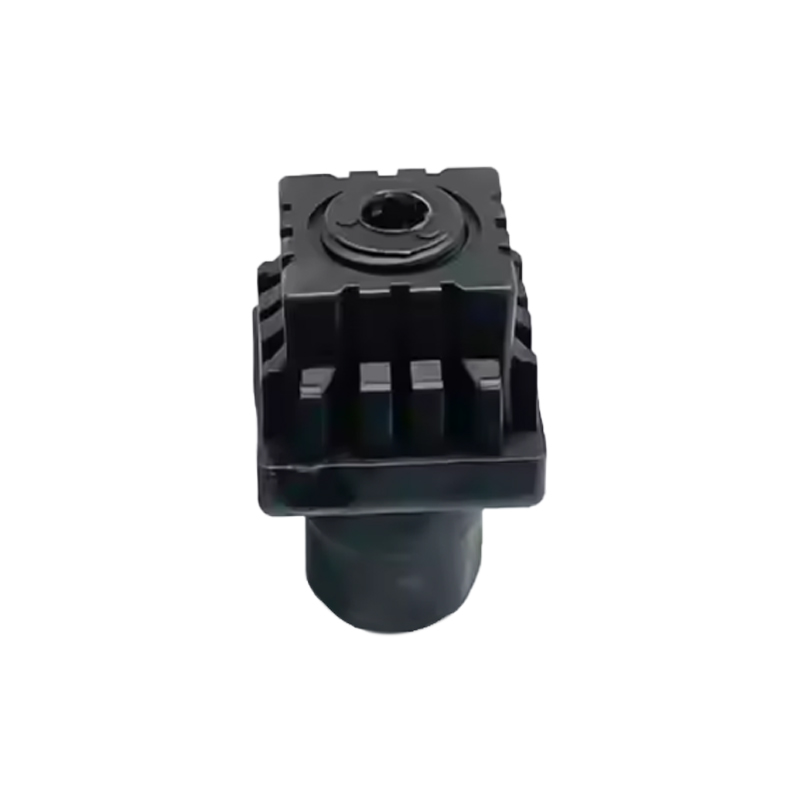
Rubber bullet feet are most useful when equipment stays in one place but still needs stable contact with the floor. They also help where the visible floor finish matters, such as open kitchens and service lines.
Light Prep Tables and Worktables
Light prep tables handle repeated pressure from cutting boards, food trays, mixing bowls, and small appliances. If the table moves, staff lose speed and control. Rubber feet for light worktables add friction at the floor contact point and help reduce shaking during routine preparation.
A prep table should be checked at all four corners after installation. The surface should not rock when pressure is applied to the front edge.
Sinks and Serving Stations
Commercial kitchens often place equipment near water. Sinks, soup barrels, and rice serving tables need stable legs because liquid weight changes throughout service. Moisture-resistant rubber bullet feet can fit these areas when the equipment load stays within the rated range.
Bullet feet also raise frames off the floor, helping staff mop around table legs and remove grease buildup. The base should be cleaned during routine floor washing so oil film does not reduce grip.
Service Counters and Front Kitchen Lines
Service counters in bakeries, café prep lines, buffet areas, and canteen serving zones often sit on tile or epoxy floors that must remain clean and presentable. Rubber feet for display counters reduce visible floor damage, limit scraping noise, and help keep counters from shifting during service.
Rubber Bullet Feet Selection Guide
The best rubber bullet feet are chosen by matching the part to the equipment and floor, not by size alone. Buyers should check the full support system before ordering replacement rubber bullet feet or bulk rubber bullet feet.
| Selection Point | What to Check |
| Floor type | Tile, epoxy, sealed concrete, painted floor, or sloped drain area |
| Equipment type | Prep table, sink frame, storage shelf, service counter, or light worktable |
| Load | Equipment weight plus food, water, trays, and daily operating pressure |
| Leg shape and size | Square tube, round tube, thread type, and adjustment range |
| Cleaning exposure | Water, grease, detergent, floor scrubber contact, and cleaning frequency |
| Purchase need | Replacement, new equipment build, OEM rubber bullet feet, or bulk supply |
A small measurement error can cause a poor fit. The leg tube or thread should be measured before purchase. For replacement jobs, one worn foot should be removed and checked for diameter, thread condition, and height range.
Installation and Maintenance Tips
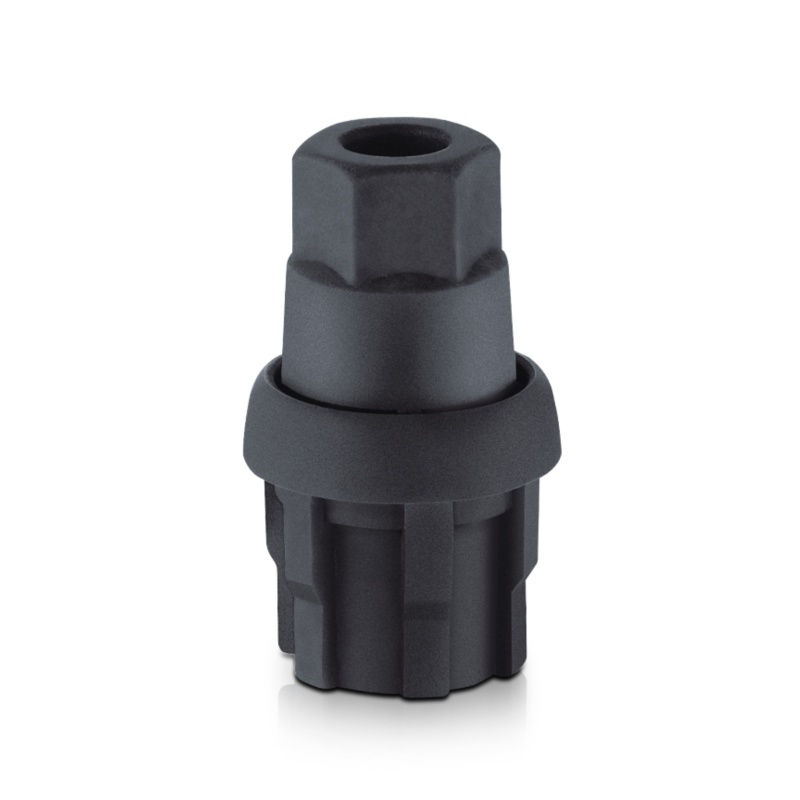
Rubber bullet feet are simple parts, but poor installation can shorten service life. Weight should sit evenly across the frame.
Good practice includes:
-
Install all feet on a clean, dry floor before final leveling.
-
Adjust height in small turns and keep the rubber base flat on the floor.
-
Recheck the level after the equipment carries its normal working load.
-
Clean grease from the rubber base during daily or weekly floor care.
-
Replace rubber feet when the base becomes cracked, hardened, badly worn, or loose.
In high-traffic kitchens, a monthly check is reasonable for prep tables, sink frames, and service counters. Once grip is reduced, sliding and vibration return.
Rubber Bullet Feet or Stainless Steel Bullet Feet?
Rubber and stainless steel bullet feet solve different problems. Rubber is the better choice when floor protection, anti-slip contact, and quieter operation are the main goals. Stainless steel is stronger for heavy equipment, high heat zones, and areas where corrosion resistance is a higher priority.
Rubber bullet feet fit tile, epoxy, sealed concrete, light tables, and service counters. Stainless steel bullet feet fit heavy-duty cooking equipment, harsh washing areas, and support points carrying high static loads. Many commercial kitchens use both.
Foshan Simple Technology Co.Ltd
Foshan Simple Technology Co.Ltd supplies commercial kitchen accessories including Grease Filter, Adjustable Legs, Bullet Feet, Frying Basket, and Range Hood Light. The company works with OEM and ODM orders for buyers who need stable quality, practical product matching, and consistent supply for commercial kitchen projects.
Its product range covers replacement and assembly parts used in kitchen equipment manufacturing, maintenance, and upgrade work. A mature supply chain, quality control process, factory production capacity, and export experience help purchasing teams reduce sourcing risk.
Conclusion
Rubber bullet feet are a practical choice for commercial kitchen floors where grip, floor protection and leveling are key. On tile, epoxy, sealed concrete, service counters and light worktables Rubber bullet feet are one of the best solutions. The solution is to match the floor type with the correct foot for the weight of the equipment, leg size and cleaning regime.
For heavy cooking equipment or high-heat zones, stainless steel bullet feet may be more suitable. For light and medium-duty commercial kitchen equipment, all-rubber bullet feet can provide a cleaner, quieter, and more floor-friendly support solution.
FAQs
Are rubber bullet feet good for tile floors?
Yes. Rubber bullet feet reduce hard contact between metal equipment frames and tile. They also improve grip on smooth glazed surfaces under light prep tables, service counters, and storage shelves.
Can rubber bullet feet be used on epoxy floors?
Yes. Rubber bullet feet can be used on epoxy floors when the equipment load is suitable. They help reduce scuffs, sliding, and vibration on smooth coated floors.
How often should rubber bullet feet be checked?
Commercial kitchen rubber bullet feet should be checked during routine maintenance. Monthly checks work well for busy prep areas and service counters. Replace them when the rubber base cracks, hardens, wears unevenly, or no longer grips the floor.
Where can buyers source OEM rubber bullet feet in bulk?
Buyers can source OEM rubber bullet feet from a commercial kitchen accessories supplier that offers size options, sample support, bulk packing, and OEM or ODM service.
