


5 Days a week from 8:30 am to 5:30 pm

What Affects the Cost of a Full Upgrade to Commercial Kitchen Adjustable Legs?
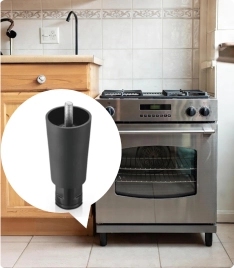
A full upgrade to commercial kitchen adjustable legs looks simple on paper. In practice, cost can move fast once equipment type, floor condition, load, and cleaning requirements enter the discussion. For buyers handling refrigerators, prep tables, ovens, steamers, dishwashers, and trolleys, the real question is not just price per foot. It is total cost across purchase, fitting, uptime, sanitation, and replacement cycles.
Commercial kitchen adjustable legs are used across heavy and light equipment because level, stable support affects safety, cleaning access, and day-to-day work speed. Product ranges in this category typically include stainless steel legs, nylon feet, anti-slip bases, caster versions, and seismic styles, which already shows why one quote can look very different from another.
Why the Price Gap Can Be So Wide?
Before looking at materials or features, it helps to start with one point: buyers are often comparing parts that solve very different problems. A low-cost foot for a lighter cabinet is not built for the same job as a heavy duty adjustable foot under a freezer or oven. That is where most budgeting mistakes begin.
Material changes both purchase cost and service life
Material is usually the first driver of commercial kitchen adjustable legs price. Stainless steel adjustable legs cost more than nylon adjustable feet in many cases, but they also fit wet, greasy, hot areas better. Plastic and nylon options can be a good fit for lighter equipment or for buyers focused on lower upfront spend, while stainless steel makes more sense where corrosion resistance, washdown cleaning, and heat matter every day.
| Material type | Typical fit in a commercial kitchen | Cost effect |
|---|---|---|
| Nylon / plastic | Light counters, some refrigerated units, less aggressive washdown areas | Lower upfront cost |
| Stainless steel | Ovens, steamers, freezers, prep lines, wet or hot zones | Higher upfront cost, longer service life |
| Rubber-base combinations | Slippery floors, vibration-prone equipment | Mid to higher cost depending on structure |
The reason this matters is simple. Commercial kitchens do not reward the cheapest part if that part needs early replacement. A foot exposed to heat, water, detergent, and repeated movement may fail much faster than a better-matched option. In purchasing terms, the right material reduces repeat buying, service calls, and avoidable instability.
Load capacity and stem structure push costs upward
The next big factor is load. Heavy duty adjustable feet need stronger stems, more stable bases, and better thread performance under pressure. That changes the metal content, machining quality, and base design. It also changes risk. A poorly matched foot under a loaded freezer or cooking line can create wobble, tilt, or premature wear on nearby parts.
This is why adjustable legs for kitchen equipment should be quoted against real operating weight, not just empty weight. A worktable with stored ingredients, a dishwasher during service, or a refrigerator loaded for peak hours all place different demands on the same small component. Buyers who skip this step often pay twice: once for the part, then again for replacement.
Height Range and Floor Conditions Matter More Than Expected
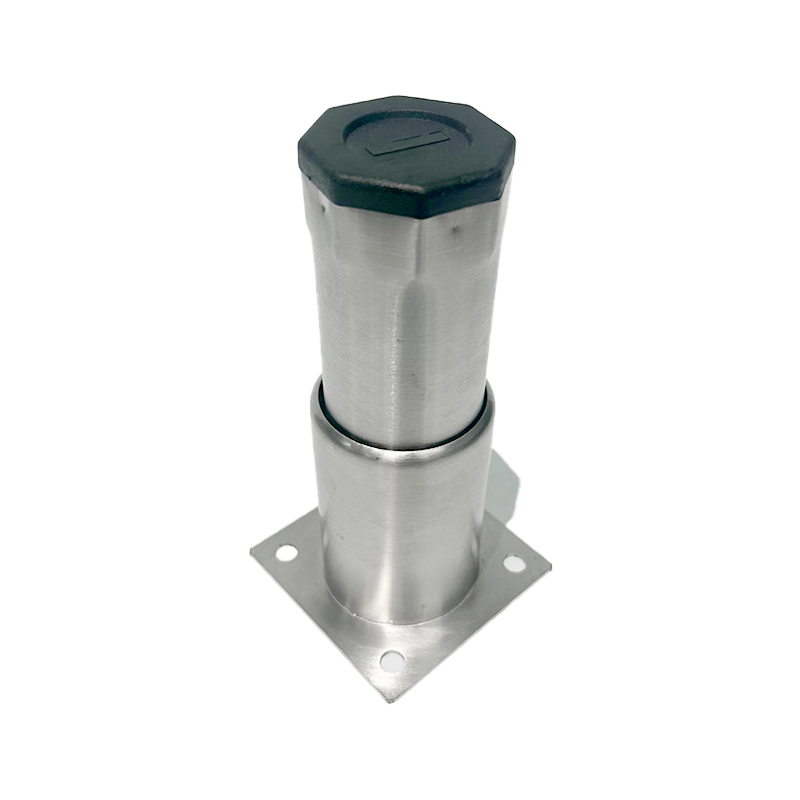
Cost also rises when the floor is not giving much help. In older kitchens, tiled back-of-house areas, and high-use wash zones, uneven surfaces are common. That turns a standard leg into a leveling component with a bigger job.
Wider adjustment range means more capable leveling
Commercial kitchen leveling feet are not only there to raise equipment. They compensate for floor dips, small slopes, and installation differences. More adjustment range usually means a more complex structure and tighter thread performance. Buyers may treat that as an upgrade feature, but in many kitchens it is a basic need.
For freezers, refrigerated prep stations, and undercounter equipment, poor leveling can affect door alignment, drainage, and daily cleaning access. On prep tables and counters, even slight wobble can become a workflow problem during fast service. That is why adjustable leveling feet for uneven floors tend to deliver value beyond the part itself.
Special features add cost for practical reasons
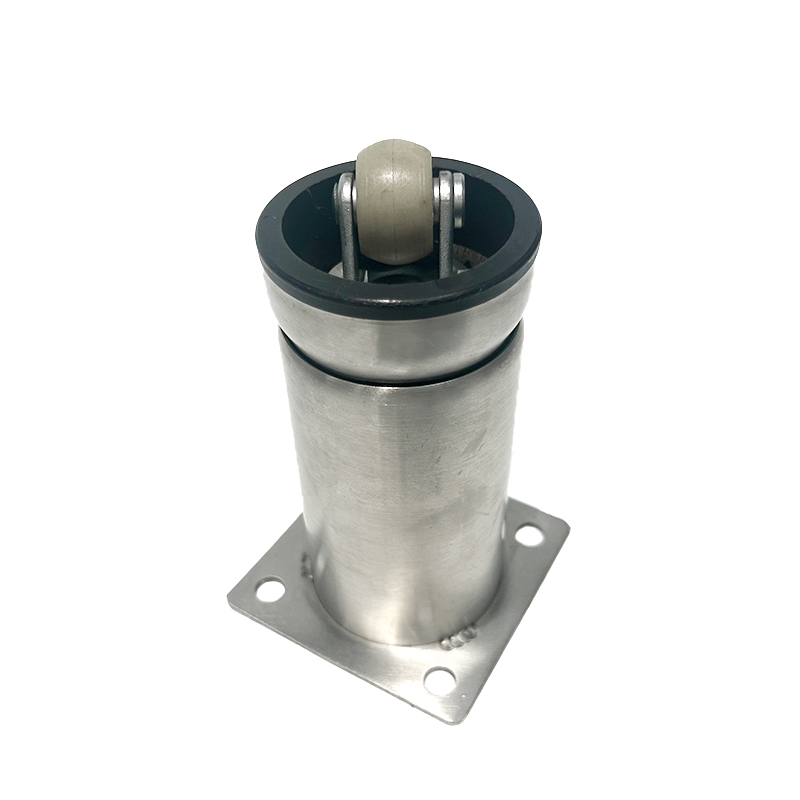
Some upgrades raise price, but they do so for clear operational reasons. Anti-slip adjustable feet improve grip on wet or oily floors. Caster adjustable feet with wheel support kitchens that need regular movement for cleaning or layout changes. Seismic or anti-vibration designs help where equipment movement, compressor vibration, or floor shock are part of normal use.
These are not cosmetic add-ons. In a commercial kitchen, they can reduce noise, stop creeping movement, cut operator frustration, and keep equipment in the position it needs to hold. When comparing quotes, that is the right lens: not “extra feature,” but “problem the feature removes.”
Application Type Changes the Budget
A smart quote for commercial equipment leveling feet starts with equipment groups, not with one universal part. That is the same reason supplier catalogs separate adjustable legs by application and structure. Freezer bases, worktables, ovens, dishwashers, and trolleys do not ask for the same solution.
Refrigeration and freezer equipment
Commercial kitchen adjustable legs for freezers usually need solid load support, corrosion resistance, and stable contact with the floor. Refrigeration lines often stay in place for long periods, but they still need accurate leveling for daily use and cleaning. A poor fit here may not fail on day one, but it often shows up later through instability, awkward service access, or accelerated wear.
Worktables, ovens, steamers, and dishwashers
Adjustable legs for stainless steel worktables often need rigidity and fast leveling. Oven adjustable foot and steamer adjustable foot options usually need better heat tolerance and heavy-load support. Dishwasher adjustable feet face water, detergent, movement, and repeated cleaning. Trolley-related applications may need a caster solution instead of a fixed foot. Each change in use case shifts the cost structure.
| Equipment type | What matters most | Likely effect on cost |
|---|---|---|
| Freezers / refrigeration | Load support, corrosion resistance, stable leveling | Medium to high |
| Stainless steel worktables | Rigidity, leveling speed, durability | Medium |
| Ovens / steamers | Heat resistance, heavy load, secure base | High |
| Dishwashers | Water resistance, anti-slip, easy cleaning | Medium to high |
| Trolleys / movable units | Mobility, locking, vibration control | High |
Hidden Costs Buyers Often Miss
Unit price is only part of the budget. Replacement work in a live commercial kitchen carries side costs, and those often explain why a “cheap” option turns expensive later.
Common hidden costs include:
-
labor time for removal and re-fitting
-
downtime during service or cleaning windows
-
mismatched thread or mounting issues
-
repeat orders caused by inconsistent sizing
-
extra freight from small, urgent replenishment orders
-
replacement cycles shortened by heat, moisture, or overload
A kitchen equipment leg upgrade should therefore be quoted as a package decision, not just a parts order. Standardizing foot type across similar equipment can reduce spare-part confusion, make maintenance easier, and keep future purchasing cleaner. Where custom needs are real, they should be built into the first quote rather than handled later as an exception.
How to Control Adjustable Leg Cost Without Cutting the Wrong Corners
The best way to control adjustable leg cost is to narrow the spec before asking for price. That means collecting real information from the kitchen floor: equipment category, loaded weight, floor condition, cleaning method, and whether the unit needs to move. Quotes improve quickly when those basics are clear.
Start with a practical buying checklist
A good commercial kitchen adjustable legs RFQ should cover:
-
equipment type and quantity
-
current leg or foot material
-
total loaded weight
-
required height adjustment range
-
wet, hot, or oily environment exposure
-
need for anti-slip, caster, or anti-vibration features
-
target order size and delivery timing
This approach also helps with OEM decisions. Standard parts generally lower cost and shorten lead time. Custom adjustable legs for kitchen equipment can still make sense when the kitchen uses non-standard bases, needs a private label, or wants one supplier across multiple accessory categories. The right choice depends on whether standardization or differentiation creates more value.
Order planning affects price more than many buyers expect
Bulk purchasing usually gives a better unit price because packaging, setup, and logistics are spread across more pieces. Supplier capability also matters. A manufacturer already working across adjustable legs, bullet feet, grease filters, fryer baskets, and range hood lights is often better placed to support mixed commercial kitchen accessory demand under one sourcing plan.
About Foshan Simple Technology Co., Ltd.
For buyers sourcing multiple commercial kitchen accessories, Foshan Simple Technology Co., Ltd. presents itself as a manufacturer covering adjustable legs, bullet feet, grease filters, fryer baskets, and range hood lights. The company supports OEM and ODM projects, serves 100+ countries, operates a 10,000 m² factory, and has 80 employees. Foshan Simple Technology Co., Ltd.is a range hood light supplier for commercial kitchen ventilation systems while supplying adjustable leg solutions for refrigeration, cooking, prep, and mobile equipment.
Conclusion
The cost of upgrading commercial kitchen adjustable legs is shaped by more than the part itself. Material, load, height range, grip, mobility, sanitation demands, and replacement logistics all feed into the final number. Buyers usually get better results when they match the leg to the equipment class, the floor condition, and the cleaning reality of the kitchen. That is how commercial kitchen adjustable legs move from a line-item purchase to a long-term maintenance decision.
FAQs
Why are commercial kitchen adjustable legs more expensive in some kitchens?
Commercial kitchen adjustable legs cost more when the kitchen has heavy equipment, wet floors, heat exposure, or regular movement for cleaning. Stainless steel, anti-slip bases, caster designs, and heavy-duty stems all add cost because they solve specific operating problems.
Are stainless steel adjustable legs better than nylon adjustable feet?
Not in every case. Stainless steel adjustable legs are usually better for hot, wet, and corrosion-prone areas. Nylon adjustable feet can be a practical lower-cost choice for lighter-duty applications where load and exposure are lower. The better option depends on equipment weight and working conditions.
What equipment usually needs heavy duty adjustable feet?
Heavy duty adjustable feet are commonly used on freezers, ovens, steamers, prep units, worktables, and other commercial kitchen equipment carrying high static and working loads. They are chosen when stability, longer service life, and stronger support matter more than the lowest price.
Do caster adjustable feet cost more than fixed legs?
In many cases, yes. A caster adjustable foot with wheel combines leveling and mobility, so it usually has a more complex structure than a fixed leg. That higher cost can still make sense when equipment needs frequent movement for layout changes, deep cleaning, or flexible service setups.
Does OEM customization raise the cost of adjustable legs for kitchen equipment?
It often does, especially when the project needs non-standard sizes, private logo work, or a custom structure. At the same time, customization can reduce long-term sourcing friction if the kitchen group wants one consistent spec across many units or across several commercial kitchen accessory lines.
