


5 dagen per week van 8:30 tot 17:30 uur

Most Restaurants Use the Wrong Grease Filter — Are You One of Them?
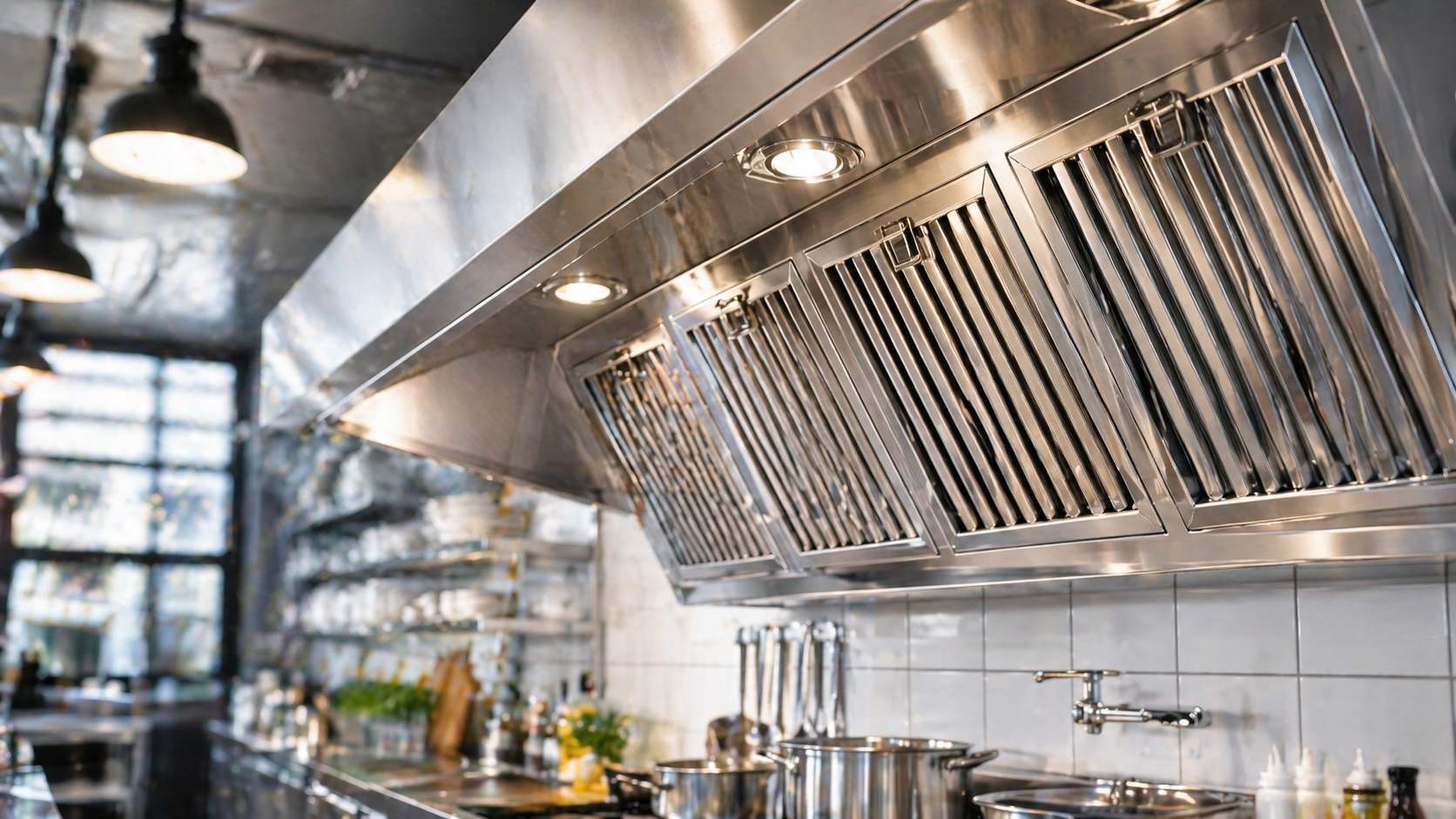
The selection of a commercial grease filter goes beyond a basic technical choice. It plays a key role in the safety, efficiency, and compliance of any professional kitchen. A properly made grease filter helps prevent fire risks. It does this by catching grease particles in the air before they build up in ventilation ducts. Yet, many restaurant owners still use filters that do not fit their setups well. These filters often fail to meet basic performance and safety rules. Such mistakes can harm air quality. They also raise maintenance expenses. Plus, they increase the chance of fires. Picking the right grease filter makes sure you follow regulations. It also brings reliable operations and savings over time.
What Happens When Restaurants Use the Wrong Grease Filter?
Restaurants face more than just poor performance when they pick the incorrect type of commercial grease filter. The problems go deeper than that. To understand this better, let’s look at the risks involved.
The Hidden Risks Behind Improper Filtration
A filter that does not suit the needs or lacks quality lets tiny grease particles escape. These particles then stick to the inside of exhaust ducts. As time passes, this layer of grease sets up a spot that’s easy to catch fire. It happens when hot cooking temperatures or sparks from equipment come into play. Fire danger is not the only issue. Bad filtration also blocks air flow. This makes exhaust fans push harder to keep the ventilation steady. The added effort wears out motors and parts faster. As a result, you end up using more energy. Equipment breaks down sooner too. In the end, a small choice in buying can lead to big repair bills and lost work time.
How It Impacts Kitchen Operations and Compliance
Mechanical problems are just one part of the story. Using filters that do not meet standards can cause issues during checks by health or fire officials. Rules like NFPA 96 demand certain grease filters. These must stop flames from reaching the ducts. If you ignore this, you might face penalties or orders to shut down for a while. On top of that, too much grease in the air worsens the quality inside. Workers breathe in irritants that affect their lungs. They also deal with bad smells. Teams handling upkeep have to clean ducts more often. Clogs form quicker this way. All of this interrupts daily tasks and boosts labor costs.
How Can You Identify the Right Commercial Grease Filter for Your Kitchen?
Finding the best commercial grease filter means looking closely at technical details and daily needs. You cannot rush this process. Instead, take time to review key aspects. This approach helps you make a smart decision.
Key Factors to Evaluate Before Purchasing
Start by checking the air flow needs based on your hood system’s size. Filters should allow good ventilation without blocking air too much. They also need to handle high heat, as busy cooking areas get very hot. Choose materials that last, like stainless steel. It resists rust and holds up in tough spots. Make sure the filter meets safety rules such as UL 1046 or NFPA 96. This keeps you on the right side of the law. Last, get the size just right for your hood. This avoids gaps where air and grease can slip through, which cuts down on how well it works.
Comparing Different Types of Grease Filters
Various grease filter types fit different kitchen setups. The choice depends on how much cooking you do and your ventilation style. Let’s break them down one by one. This comparison will show their strengths and uses.
Bafflefilters
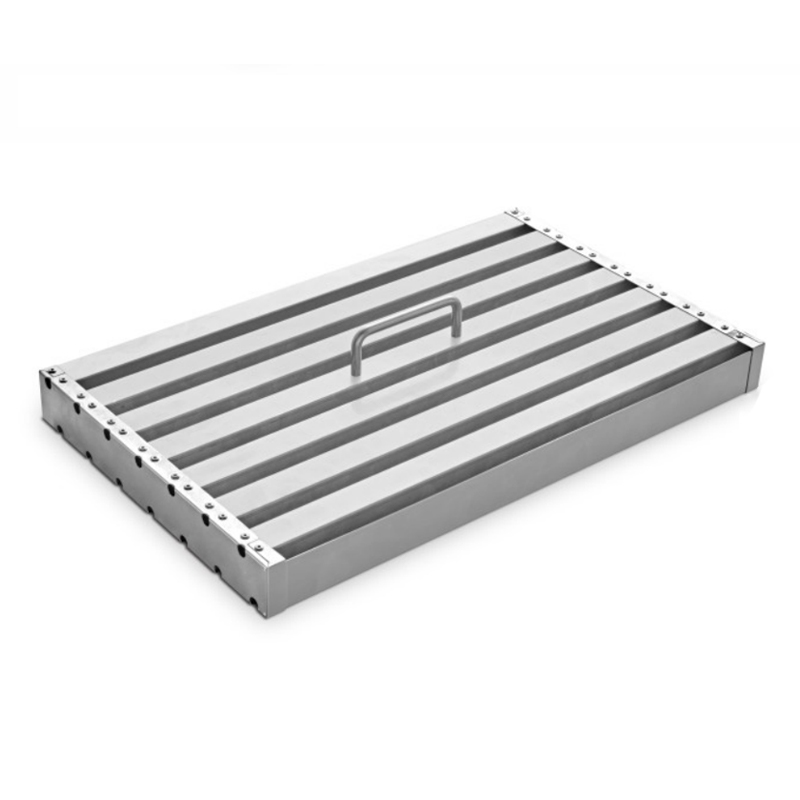
Baffle filters consist of stainless steel or aluminum plates. These plates form a row of overlapping sections. They force air to change direction quickly. This action pulls grease drops out by their own weight. Such filters work best in busy kitchens. There, lots of smoke and oil vapors fill the air each day. Their strong build lets air move freely. At the same time, they catch big particles well.
Mesh Filters
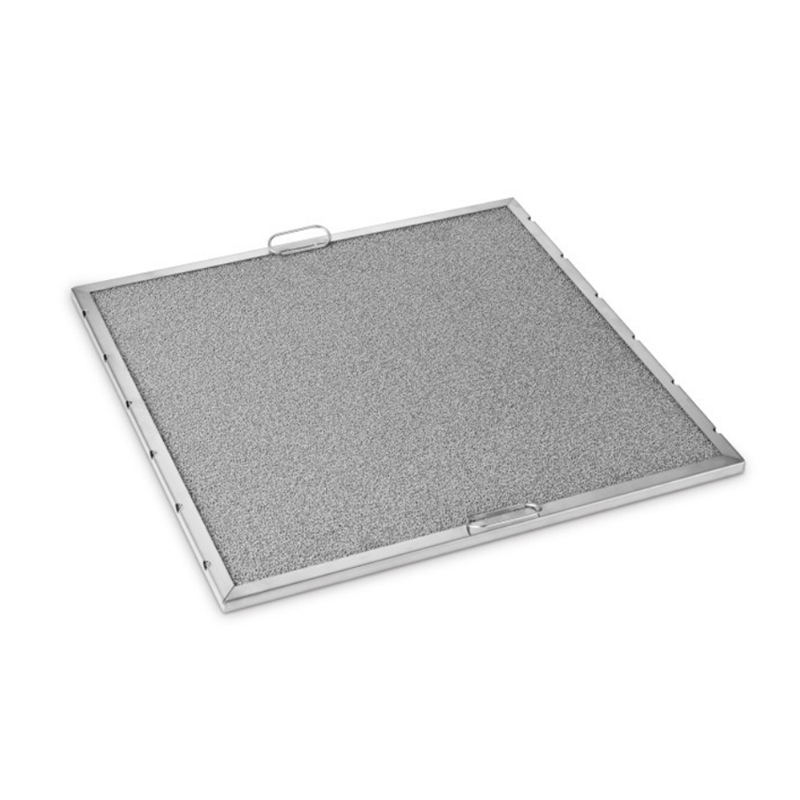
Mesh filters have several layers of thin aluminum netting. Air pushes through, and the mesh grabs small grease bits by hitting them. These filters are light in weight. They cost less, and you can handle them easily. But they need cleaning more often. The fine design gets blocked fast in heavy use. For places with light to average cooking, like small cafes or bread shops, they offer a budget-friendly pick. You do not need something too complex there.
Why Do So Many Restaurants Still Choose the Wrong Filter?
Filter types show clear differences in how they work. Yet, many owners pick ones that do not fit well. This happens because of wrong ideas or tight budgets. To fix this, we need to address the root causes.
Common Misconceptions Among Kitchen Operators
One big wrong idea is that every grease filter does the same job. People think material or shape does not matter much. This leads managers to buy the cheapest ones. They expect the same outcome. Another mistake is overlooking full costs over time. Cheap filters cut upfront spending. But you replace and clean them more. This wipes out early savings. Some also fail to see how air movement changes how well filters work in tricky ventilation setups.
The Role of Maintenance Practices in Filter Performance
The top grease filter will not do well without good care. If you skip regular cleaning, the grease stuck inside turns hard. It blocks air paths and cuts how much it catches. Putting it back wrong after washing can cause leaks at the edges. This lowers the whole system’s work. It might even break rules set by codes.
How Can Regular Evaluation Improve Filtration Efficiency?
Checking filters often keeps them running at their best for the whole time they last. This habit brings real benefits to your setup.
Establishing a Maintenance Schedule That Works
Set up checks based on how much you cook and what food you make. Different styles create different amounts of oil in the air. For spots that fry a lot, clean weekly. Lighter places can do it monthly. When looking over them, watch for bends or rust. These signs mean the structure is weakening.
Monitoring Airflow and Pressure Drop Across Filters
Put in gauges to measure pressure changes over the filters. They give live info on how much the system resists. If the pressure goes up, it means clogs or blocks. Clean or change then, before the fan gets too stressed. Keeping air flow even helps fans last longer. It also makes sure all hood parts pull smoke steadily.
Who Is Foshan Simple Technology Co., Ltd., and Why Are They Trusted in Grease Filtration?
Foshan Eenvoudige Technologie Co., Ltd., makes advanced tools for catching grease in commercial kitchens. They focus on solutions that fit kitchens around the world. The firm creates stainless steel baffle filters, mesh filters, and special designs for tough jobs. Every item follows global safety rules, like UL 1046 approval. They stand up to heat that warps things and rust from daily use. Thanks to careful building methods and helpful support, Foshan Simple Technology has built trust. Restaurant groups rely on them for strong ventilation parts that last.
Conclusie
Ensuring Long-Term Safety Through Proper Grease Filtration Choices
Choosing the right commercial grease filter protects buildings and the people who work there every day. In risky cooking areas, this matters a lot. Good filters keep air moving well for pulling out smoke. They also limit grease that can burn inside ducts. This is a main cause of kitchen fires everywhere. Checking often, plus steady care, keeps you following rules. It maintains steady work for years. Working with trusted makers like Foshan Simple Technology Co., Ltd., gives you solid tech. This tech handles real kitchen problems. It brings calm through reliable safety.
Veelgestelde vragen
What is the recommended cleaning frequency for a commercial grease filter?
The best timing varies with how much you cook. In most busy kitchens, do it every one to two weeks. This keeps things working well and stops buildup.
How do I know if my current grease filter meets local fire safety standards?
Look for marks like UL 1046 or NFPA 96 on the label. Or, ask your supplier for the papers.
Can upgrading my grease filter improve energy efficiency?
Yes. Better filters let air flow easier. This cuts the fan’s effort and power use. It also makes equipment last longer.
