


5 dias por semana das 8:30 às 17:30

How Adjustable Legs Improve Hygiene in Commercial Kitchen Equipment Design
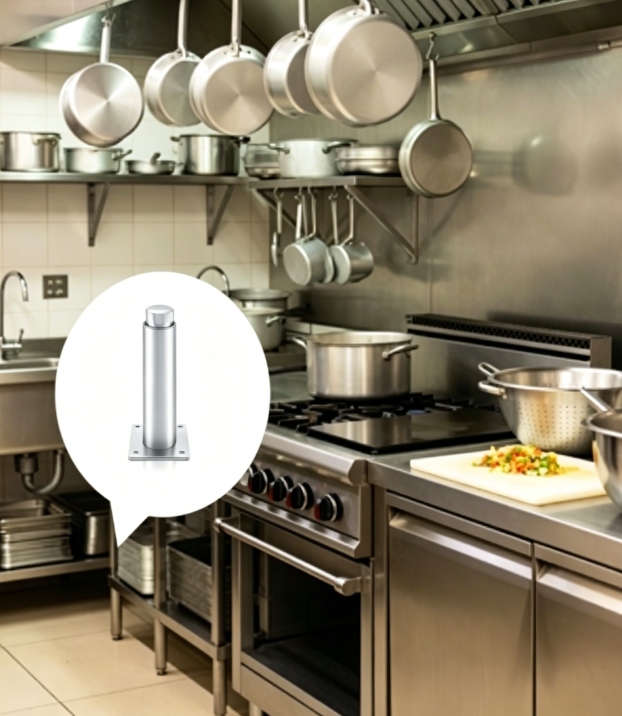
Commercial kitchens face strict hygiene rules. Every part of the workspace needs to help with cleanliness and safety. In these places, even tiny design choices can greatly impact sanitation results. Equipment design matters a lot in stopping contamination. Poor setup or hard-to-reach spots often cause dirt and bacteria to build up. pernas ajustadas have become a key fix. They improve how equipment works and help manage hygiene well. These parts let you control height exactly and clean easily underneath. This keeps both rules and smooth operations in pro kitchen setups.
How Do Adjustable Legs Contribute to Better Kitchen Hygiene?
To further understand the hygiene advantages of adjustable legs in commercial kitchens, it is important to look at two key practical aspects: how they improve access for under-equipment cleaning and how they help prevent water accumulation and related contamination risks.
Enhancing Accessibility for Under-Equipment Cleaning
Adjustable legs offer a big benefit. They make under equipment cleaning much easier. Heavy kitchen machines sit raised on these adjustable feet. So, cleaning teams can get under the units without shifting them. This easy access stops grease, food bits, and other junk from piling up in hidden spots. Over time, that kind of mess can turn into a spot for germs and bugs. Adjustable legs make cleaning tasks simpler. They remove tough-to-reach areas. As a result, they keep steady clean conditions on the whole kitchen floor.
Preventing Water Accumulation and Contamination Risks
Adjustable legs do more than just help with access. They stop water from pooling around kitchen gear. You can adjust the height to keep machines above floor spills or puddles from washing or leaks. Stainless steel adjustable feet work great here. They stand up to rust from soaps and wet conditions. Keeping surfaces dry cuts down on germ growth. This is key in damp food prep areas. In those spots, small hygiene slips can lead to big contamination problems fast.
Why Are Adjustable Feet Important for Compliance with Health Standards?
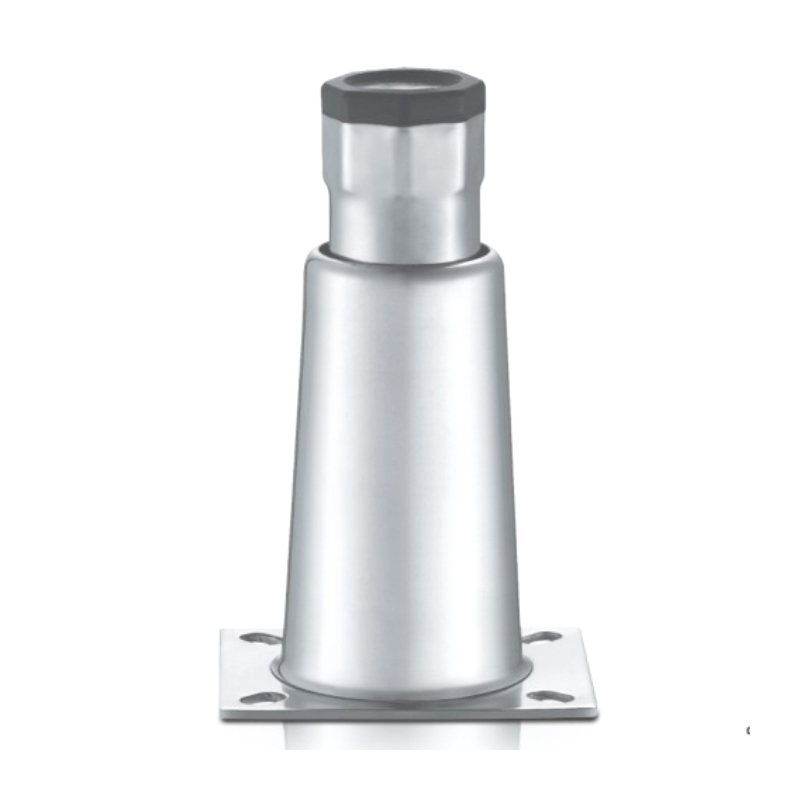
Any commercial kitchen must follow health rules. Adjustable feet help with this. They offer flexible design and clean features.
Meeting Food Safety Regulations and Inspection Requirements
Health groups require all kitchen gear to have enough space below for checks and cleaning. Adjustable legs let you level things just right. This works even on bumpy floors. So, owners can meet the needed space rules. They avoid fines during checks. Plus, it keeps up with cleaning codes over time. Fine-tuning height also makes setups steady. This fits both daily use and rule needs.
Supporting HACCP Principles in Kitchen Design
Adjustable feet fit well with Hazard Analysis Critical Control Point (HACCP) ideas. They make cleaning steps work better. They also lower contamination chances at key workflow spots. The flexible parts remove hidden areas where leftovers might hide. This helps track and ensure safety in food prep. In HACCP-ready kitchens, every choice—from surface types to support structures—must help control the space. It should stay free from cross-contamination dangers. Adjustable legs do this job well.
What Design Features Make Adjustable Legs Hygienic?
How well adjustable legs stay clean comes from their build materials, make quality, and easy-to-use adjustments.
Materials and Construction Considerations
Top-quality stainless steel is the top pick for kitchen hygiene adjustable feet. It lasts long, fights rust, and works with cleaners used in food places. Smooth finishes with no cracks stop germs from sticking. They make daily cleaning straightforward. Bases that grip the floor add steadiness. They cut down on spots where dirt gathers at the floor edge. These traits keep hygiene strong. They don’t weaken the build strength or weight hold.
Ergonomic Adjustability for Maintenance Efficiency
Easy-to-use designs, like no-tool changes, allow fast tweaks during setup or upkeep. These help keep levels even. That way, water drains right across floors. It lowers puddle risks that could hurt cleanliness or staff safety. Also, leg parts that swap out easily mean you replace just what’s needed. No full breakdown required. This cuts wait times. It keeps clean performance going strong.
How Do Adjustable Legs Enhance Operational Efficiency in Commercial Kitchens?
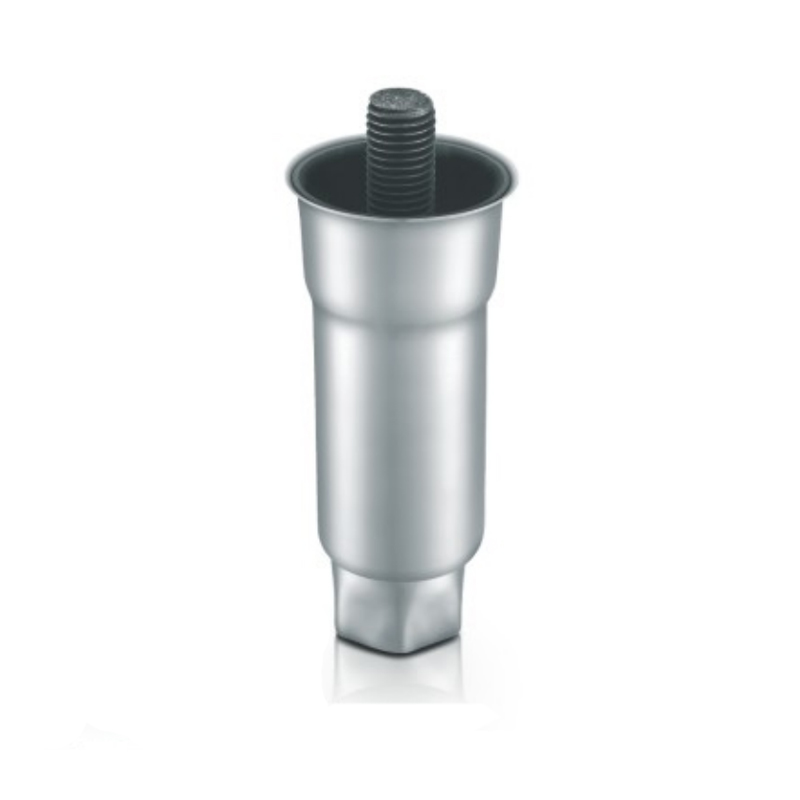
Hygiene is the main goal, but adjustable legs boost daily work flow too.
Reducing Downtime During Cleaning Procedures
Raised gear on adjustable legs lets cleaners do jobs quicker. No need to push big machines by hand. This speeds up the process. It cuts pauses between work shifts or service times. Kitchens turn around faster without skipping clean standards. In the end, hygiene fits right into daily tasks. It doesn’t slow things down.
Improving Safety for Staff During Maintenance Activities
Steady, level equipment lowers tip risks in use or cleaning. This is crucial in fast-paced commercial kitchens. Accidents there can cause big issues. Easy adjustments cut strain on workers who clean under heavy items often. So, adjustable legs help hygiene. They also create safer spots for all work steps.
Who Is Foshan Simple Technology Co., Ltd., and Why Are They a Reliable Supplier of Adjustable Legs?
To wrap up the big picture on clean design parts, let’s spotlight a top player in the field. They offer solid options that back these ideas.
Company Background and Expertise in Equipment Components Manufacturing
Foshan Simple Technology Co., Ltd makes carefully built adjustable legs for commercial kitchens and factory uses around the world. They focus on tough products from fine materials. These meet global hygiene rules for food spots. Their know-how goes past making things. It includes new ideas that boost steady builds and clean results in tough pro setups.
compromisso com qualidade, personalização e apoio ao cliente
Foshan Simple Technology Co., Ltd has a wide choice of adjustable feet. They handle different weights and settings in various kitchen types. Customers get expert advice to fit them into current gear setups. The firm’s focus on lasting ties shows in steady quality checks. They also offer quick help after sales. This makes them a solid choice for businesses that value clean-focused design.
Conclusão
Adjustable legs are a must in today’s commercial kitchen builds. They link practical use with tough clean demands. They improve access for cleaning under gear. They stop water buildup and fit health rules. Plus, they match HACCP ideas. Strong build materials like stainless steel and easy adjustments add to better cleanliness. They also help work flow and staff safety. Working with trusted makers like Foshan Simple Technology Co., Ltd brings these gains every time. In pro food places, steady, tough, and clean setups are key and can’t be skipped.
FAQ
What materials are most suitable for hygienic adjustable legs?
Stainless steel is preferred due to its corrosion resistance, ease of cleaning, and compliance with food safety standards used globally within commercial kitchens.
How often should adjustable legs be inspected or maintained?
Regular inspection should coincide with scheduled kitchen maintenance—typically every few months—to ensure stability, cleanliness, proper leveling accuracy, and continued compliance with health codes.
Can adjustable legs be retrofitted onto existing commercial kitchen equipment?
Yes, many modern models are designed specifically for retrofitting applications; however, compatibility depends on each unit’s base structure dimensions and load-bearing specifications established during initial installation planning stages.
