


5 дней в неделю с 8:30 до 17:30

Clean Wire Mesh Fan Guards Without Blocking Airflow
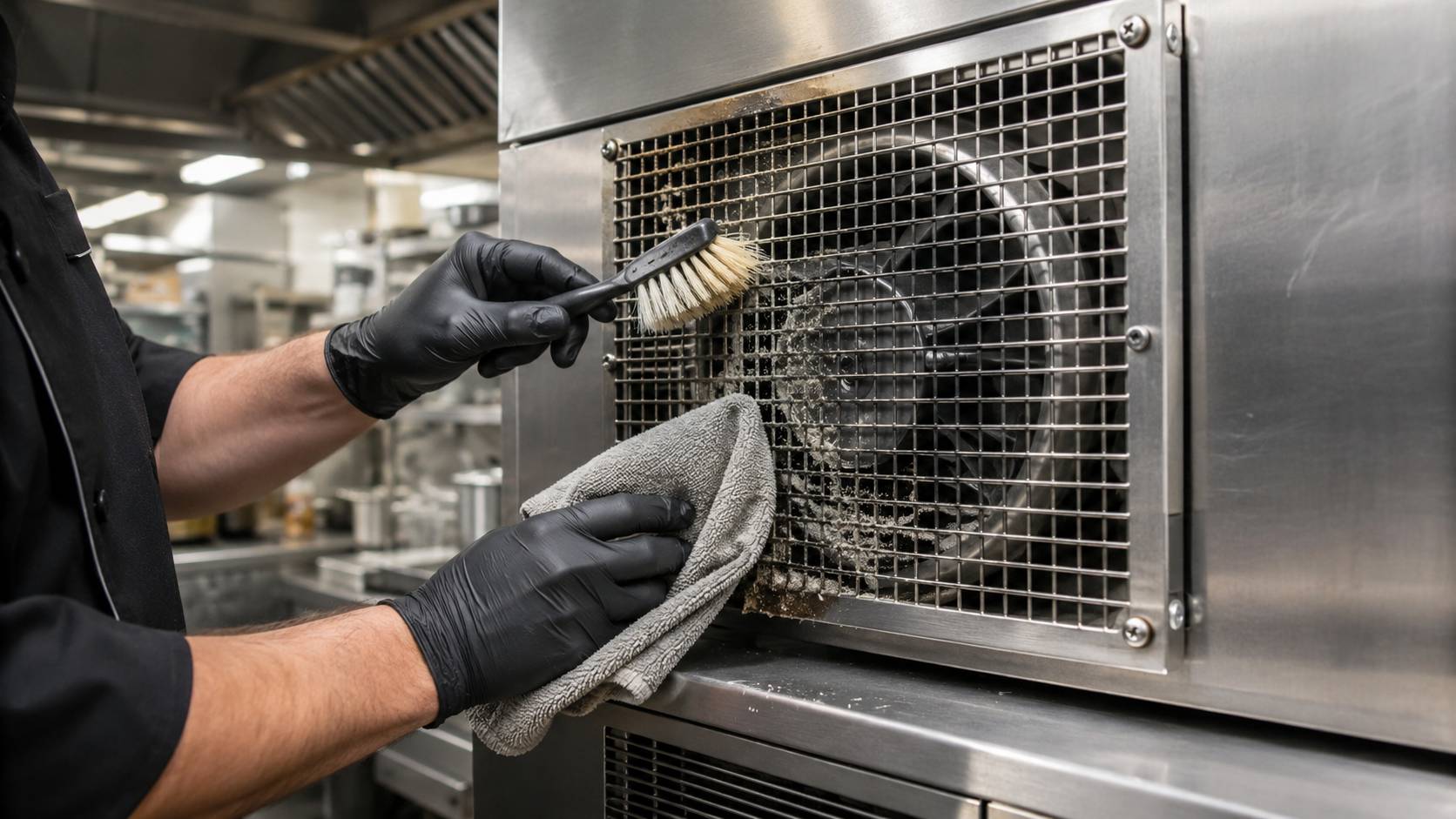
Protective Wire mesh fan guards are placed over fan blades to prevent serious injury from broken blades whilst allowing airflow to travel through units such as refrigeration, condenser sections and ventilation/cooling equipment sited near cooking lines. Over time, grease, dust, flour, lint and food debris will accumulate on the surface of the mesh restricting airflow around the restriction point formed by the guard.
Cleaning a dirty guard helps fan operation by decreasing resistance to fan movement. A dirty or bent guard increases noise, negatively affects cooling, and causes product to run hotter. Cleaning a guard properly removes dirt without bending guard wires or pushing dirt into motor faces.
How Grease and Debris Block Airflow
The amount of air that can pass through the fan guard depends on the open space between the wires. The space between the clean wire mesh are relatively small and air can get through easily. However, as grease coats the wires, the wires increase in thickness. And as dust and debris build up on the grease, the space between the wires once again decrease.
| Guard condition | Possible equipment effect |
| Grease on wire intersections | Uneven air movement |
| Dust packed in mesh openings | Lower cooling performance |
| Bent wire mesh | Reduced blade clearance |
| Cleaner residue on the guard | Faster grease buildup |
| Loose mounting screws | Vibration and fan noise |
Cleaning Tools That Protect the Mesh
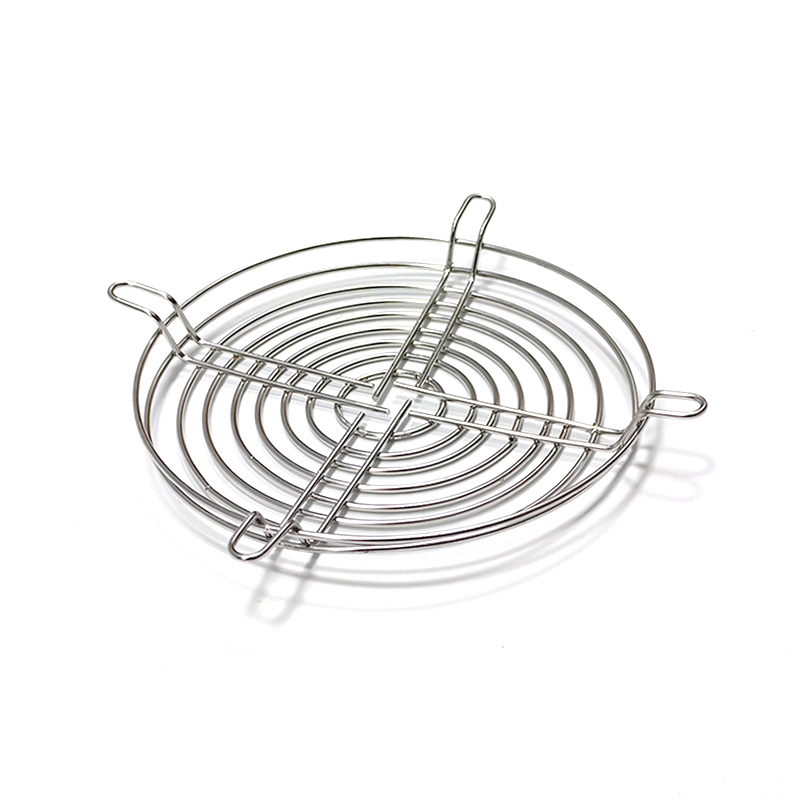
Commercial kitchen fan guard maintenance should be conducted with the right tools to clean well without damage to the guard. Harsh tools can scratch stainless steel, bend thin wires, and create sharp points that immediately become dirty spots again.
Useful tools include:
-
Mild commercial kitchen degreaser
-
Теплая вода
-
Soft nylon brush
-
Microfiber cloth
-
Vacuum with brush attachment
-
Low-pressure compressed air
-
Protective gloves
-
Dry towel
Don’t use steel wool, sharp scrapers made of metal, acidic cleaners, or strong chlorine-based cleaners to clean stainless steel fan guards. Also avoid using high pressure water near fan motors, wiring, and fan controls. Removable fan guards are usually best to clean in a sink full of soapy water. However, fixed fan guards can be cleaned in place using controlled amounts of moisture.
How to Clean Grease from Wire Mesh Fan Guards
Cleaning Greasy fan guards in stages. First remove the dry dust to avoid mixing it with the degreaser to form a sticky paste.
Shut down the equipment safely
First turn off your piece of equipment and allow the fan to come to a complete stop before accessing any part of the fan. Follow the safety procedure of the kitchen for that area as the blades of moving fans have the capability of pulling loose items into the fan and causing injury.
Remove loose dust and dry debris
Using a vacuum, soft brush or low pressure compressed air for dry materials. Work from the clean side to the dirty side when possible. Always move the dirt away from the fan as opposed to carrying it deeper into the motor area.
Apply degreaser with control
For greasy wire mesh, use a mild degreaser, clean fixed fan guards by applying the cleaner to a cloth and then wiping the surface, for removable stainless steel fan guards, apply an even coating and allow to soak for a few minutes. Do not allow cleaner to flood nearby electrical components.
Brush along the wire pattern
When cleaning up grease from gearwires use a soft nylon brush always brushing in the wire direction. Pay particular attention to the intersections, the outside of the ring, and the areas around screws. Grease has a tendency to stick to these areas long after the rest of the flat surface has been cleaned.
Rinse, wipe, and dry
You can wash removable dust collection filters with warm water and then allow them to dry. Fixed filters can be cleaned with a damp microfiber cloth until all cleaner has been removed. Check the mesh openings from more than one angle and then allow the filter to completely dry before reattaching it to your equipment.
Removing Dust Without Wet Cleaning
Most dirty fan guards do not need to be cleaned with a degreaser. In many Bakery preparation, Dry storage and Condenser areas the biggest problem is the dust. Using a wet cleaning agent on these Fan Guards can often push the flour or lint from the fan guard into the mesh.
For dry dust removal, typically a microfiber cloth, soft brush or even vacuum with a brush attachment is best. For occasional heavier dust, low pressure compressed air can be directed to the clog site, keeping it well away from the motor and blade area. Paper, food or cloth type fibers or lint can be dislodged with gentle pulling. Be very careful not to bend the mesh or pull loose the mounting points by pulling too hard on the clog site.
Even after a good clean using dry cleaning, it’s also important to ensure the fan grill protector is returned to the correct shape. If this has become bent during cleaning, the new shape could cause it to be in contact with the fan blade, cause it to vibrate or for airflow to be restricted in places. The same level of attention to shape and clearance is required for cleaning this item as for cleaning the surfaces.
Cleaning Frequency for Commercial Kitchen Fan Guards
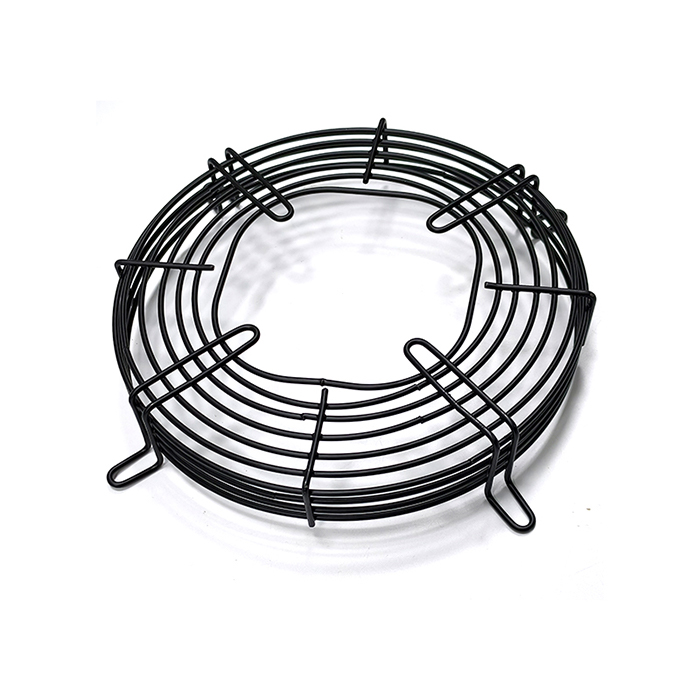
How frequently to clean depends on the grease load, location of the equipment and hours of operation. A fan guard next to a fryer would require more frequent cleaning than a fan guard in a low usage area such as a prep area. A refrigeration condenser unit located near flour, oil mist or packaging waste would collect dirt very quickly.
A practical schedule is:
-
Heavy frying area: daily visual check and weekly deep cleaning
-
General cooking line: weekly check and cleaning every two to four weeks
-
Bakery or flour-heavy area: weekly dry dust removal
-
Refrigeration condenser area: monthly check, or sooner if dust is visible
-
Low-use equipment: monthly or quarterly inspection
Prolonged running time, increased noise, vibration and slowly rising cabinet temperature all indicate potential problems. Check the guard before assuming fan motor failure.
Cleaning Mistakes That Reduce Airflow
Even when a fan guard looks clean it can be performing badly due to cleaning leaving damage or residue. Common mistakes include scrubbing too hard, leaving on degreaser, only cleaning the front, re installing the guard whilst wet, using steel wool, spraying water into motor areas and even forgetting to tighten screws.
There are three key things that good fan guard maintenance can protect. These are: clean openings, a stable shape and good mounting. All of these things need to be maintained or poor airflow can exist even after you have cleaned the fan.
When Replacement Is Better Than Cleaning
Not all guards can be cleaned. The metal fan guard grill should be replaced when it can no longer perform its function of protecting the blade or of providing sufficient airflow.
You may need to replace the mesh if it does not come clean after deep cleaning, the wires have been bent towards the blade, the mounting holes have been enlarged, the welds have cracked or there is rust around the joints. A loose guard can cause vibration and noise when in operation.
When replacing a guard for an OEM commercial kitchen equipment, the guard should correspond to the piece of equipment. Important factors to consider for designing a replacement guard are the diameter, wire thickness, the mesh clear distance, the position of the mounting holes, whether the guard is flat or convex, the surface finish and the required packing. By producing a custom fan guard it is possible to avoid problems during fitting and, above all, it simplifies the subsequent cleaning for the end user.
Commercial Kitchen Parts Supplier
Foshan Простая технология Co.Ltd is the supplier of commercial kitchen equipment parts for manufacturers, distributors, contractors and replacement parts buyers. Our products such as grease filters, adjustable legs, bullet feet, frying baskets, range hood lights and fan guards etc are applied in commercial kitchen.
Our products can be offered to support the OEM / ODM requirements such as size, material, mounting type, surface finish, packaging, batch consistency etc. When a buyer is sourcing for various parts required for a commercial kitchen, it is far more convenient to have one supplier who can provide all the required parts for sampling, placing of orders, checking of quality and communication for export.
Вывод
Keep commercial kitchen equipment operating efficiently by keeping the clean wire mesh fan guards running properly. Grease, dust and debris should be removed from fan guards before they close up the wire mesh openings and raise the fan’s load. The safest method for cleaning fan guards is to first shut down the equipment and then remove dry debris. Use a mild degreaser as needed and brush and rinse or wipe thoroughly to remove all of the cleaner. Allow the guard to dry before putting the equipment back on line.
Just as important to the fans’ regular cleaning are their regular inspections. Should be found during inspection are indications of bent mesh, come-loose mounting holes, corrosion or other instances of airflow blockage, then the wisest thing to do would likely be to replace the fan cover entirely rather than undergo another grueling cleaning. A well-designed stainless steel fan guard is part of your overall kitchen’s reliability as equipment, not just a protective covering.
Часто задаваемые вопросы
Can grease on wire mesh fan guards reduce airflow?
Yes. Grease coats the wires and makes the mesh openings smaller. Dust and debris stick to the grease and prevents air from passing through the fan guard. This causes the fan to work harder.
What is the best way to clean a stainless steel fan guard?
Cleaning the rifle guards: Warm water, a mild degreaser, a soft nylon brush and a microfiber cloth. Start by removing any dry dust from the surface, then clean along the wire pattern of the guard. Wipe off all of the cleaner and allow the guard to fully dry.
How often should commercial kitchen fan guards be cleaned?
A heavy frying area will require a deep clean on a weekly basis. General commercial kitchen fan guards will require maintenance on a two to four weekly basis, however the refrigeration condenser fan guards require a monthly clean.
When should a fan guard be replaced?
Also note that if the mesh itself is bent, rusted, cracked, loose or cleaned but still blocking airflow then it should be replaced. Also note that if the mesh does not fit properly, if any of the mounting holes are damaged in any way, or if it causes any constant fan noise then it should be replaced.
