


5 дней в неделю с 8:30 до 17:30

Stainless Steel Bullet Feet vs Plastic Feet: Which Offers Better Value for Commercial Kitchens?
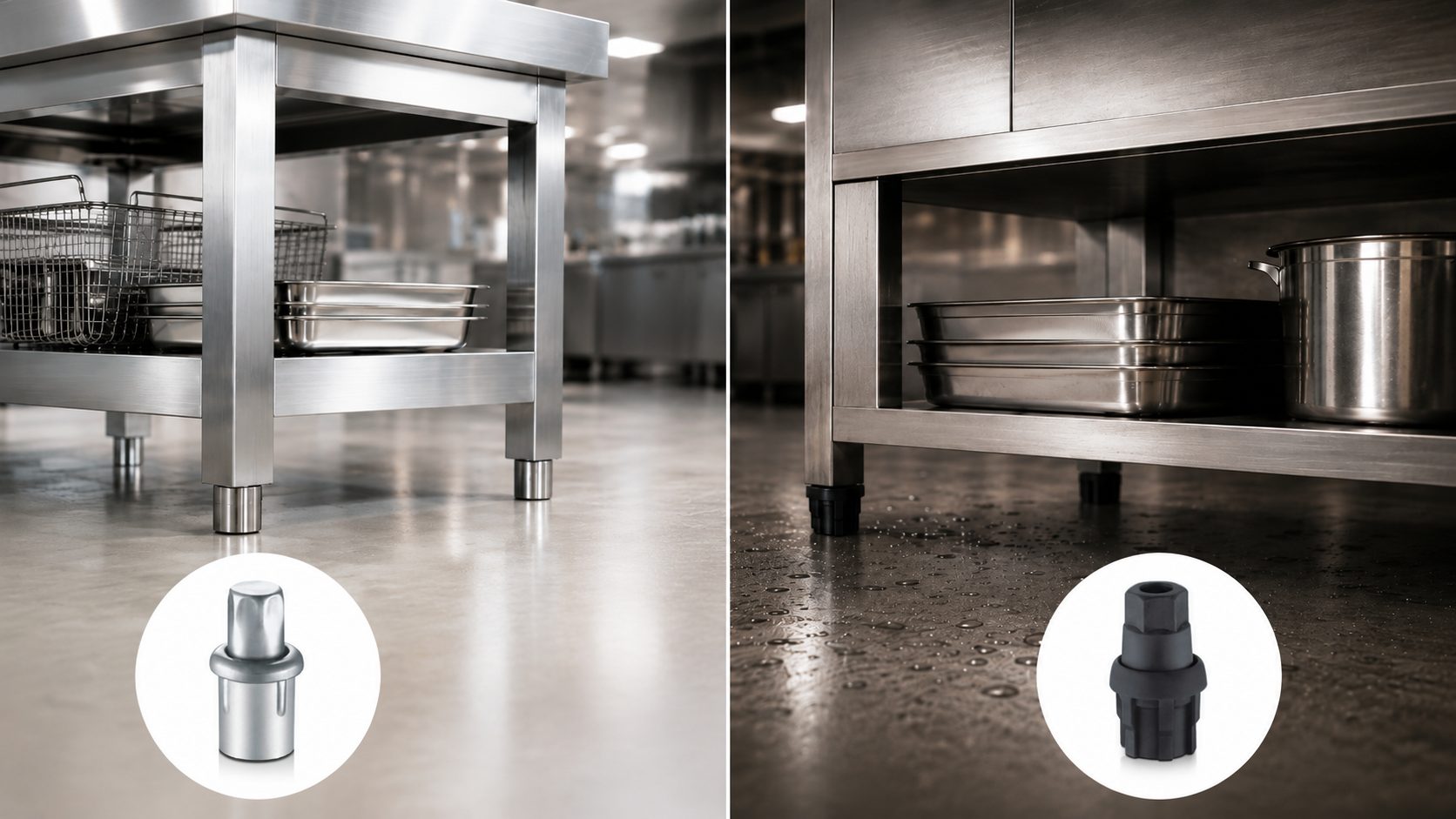
For commercial kitchen equipment buyers, stainless steel bullet feet are not automatically the better option, and plastic feet are not automatically the lower-value option. The correct choice depends on equipment weight, floor type, adjustment range, washdown exposure, heat, cleaning chemicals, and the cost of replacing a failed foot. Stainless steel usually deserves closer consideration under heavier loads and demanding cleaning conditions, while plastic or polymer-based feet may offer better value on lighter equipment or where floor cushioning matters. The buying decision should therefore compare total operating conditions rather than material price alone.
When Do Stainless Steel Bullet Feet Provide Better Value?
Stainless steel bullet feet become more attractive when the equipment places significant mechanical or environmental demands on the support point.
Consider a stainless steel preparation table installed beside a wash area. Its feet may be exposed to water, detergent, grease, repeated leveling, and side loads from staff working against the table.
In that application, buyers need more than a foot that simply fits the leg.
Important considerations include:
-
Equipment operating weight
-
Number of support points
-
Thread size and engagement
-
Base diameter
-
Exposure to moisture
-
Exposure to cleaning chemicals
-
Operating temperature
Heavy equipment also changes the decision.
The load travels through the equipment frame, threaded connection, adjustment mechanism, and foot base. A stainless steel outer body alone does not guarantee sufficient capacity.
Buyers should therefore ask whether the stated load applies to one foot or a complete set and whether the threaded component uses the same material as the visible body.
Material grade should also be confirmed rather than accepting “stainless steel” as a complete specification.
When Can Plastic Equipment Feet Be the More Practical Option?
Plastic equipment feet can offer good value when the application does not require a heavy metal structure.
Light-duty cabinets, display units, smaller appliances, and other equipment may place relatively modest loads on each support point.
In these cases, plastic feet may offer practical benefits such as:
-
Lower component weight
-
Softer contact with finished floors
-
Reduced risk of scratching
-
Integrated anti-slip surfaces
-
Lower purchase cost
However, plastic should not be treated as one uniform material category.
Different polymers respond differently to heat, detergents, grease, and long-term loading.
A buyer should ask:
-
What polymer is used?
-
What load is the complete foot intended to support?
-
What temperature range is suitable?
-
Which cleaning chemicals may contact the material?
-
Does the foot contain a metal threaded insert?
-
Is the floor-contact area designed for grip or cushioning?
This becomes especially important when the visible foot is plastic but the load-bearing thread is metal. The performance of that hybrid construction should be evaluated as a complete assembly.
Which Costs Should Buyers Compare Besides the Unit Price?
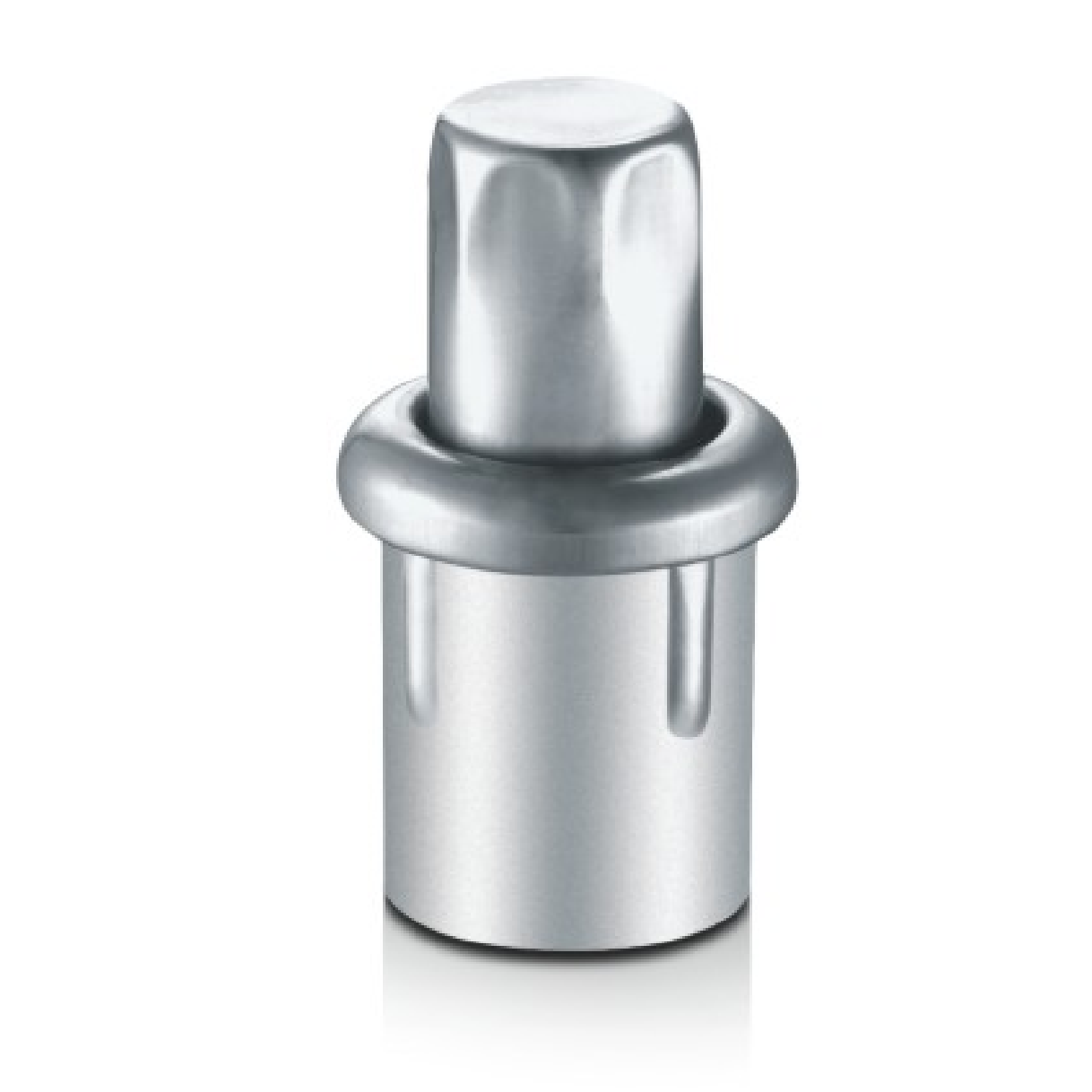
The lowest quoted unit price does not necessarily produce the lowest operating cost.
A foot that deforms, loosens, corrodes, or needs frequent replacement creates secondary costs:
-
Maintenance labor
-
Equipment unloading
-
Re-leveling
-
Downtime
-
Replacement shipping
-
Additional spare-parts inventory
The opposite problem is overspecification.
A heavy stainless steel bullet foot installed under light equipment in a dry storage area may provide little practical benefit if a lower-cost alternative already satisfies the load and floor requirements.
A useful comparison is:
| Buying factor | Stainless steel bullet feet | Plastic equipment feet |
|---|---|---|
| Heavy equipment | Often suitable when properly rated | Must be checked carefully |
| Wet cleaning | Suitable grade can perform well | No conventional rust, but polymer compatibility matters |
| Heat exposure | Often easier to specify | Temperature limit must be checked |
| Floor cushioning | May require pad | Often easier to integrate |
| Initial cost | Commonly higher | Commonly lower |
| Long-term deformation | Depends on design and load | Important to evaluate |
| Corrosion concern | Grade and environment matter | Metal inserts may still matter |
The purpose of the table is not to declare a universal winner. It helps buyers identify which questions matter for a particular piece of equipment.
What Specifications Should Buyers Compare Before Ordering Bullet Feet?
For B2B purchasing, material is only one line on the specification.
A useful bullet foot comparison should include:
Load requirement
Record the actual equipment weight and expected operating load.
Do not assume that a four-legged table distributes weight perfectly at 25% per foot. Uneven floors, frame distortion, and equipment loading can cause unequal load distribution.
Thread specification
Confirm:
-
Thread diameter
-
Thread pitch
-
Minimum usable engagement
-
Stud length
An incorrect thread can make an otherwise suitable foot unusable.
Adjustment range
Buyers should know the minimum and maximum installed height and how much adjustment remains while maintaining secure thread engagement.
Base dimensions
Base diameter affects floor contact and stability. The design may also include rubber or polymer pads for grip and floor protection.
Working environment
Tell the supplier whether the equipment will be used near ovens, sinks, refrigeration systems, frying lines, or wash areas.
This allows material and construction to be evaluated against actual temperature, moisture, grease, and chemical exposure.
How Should a Procurement Team Decide Between Stainless Steel and Plastic?
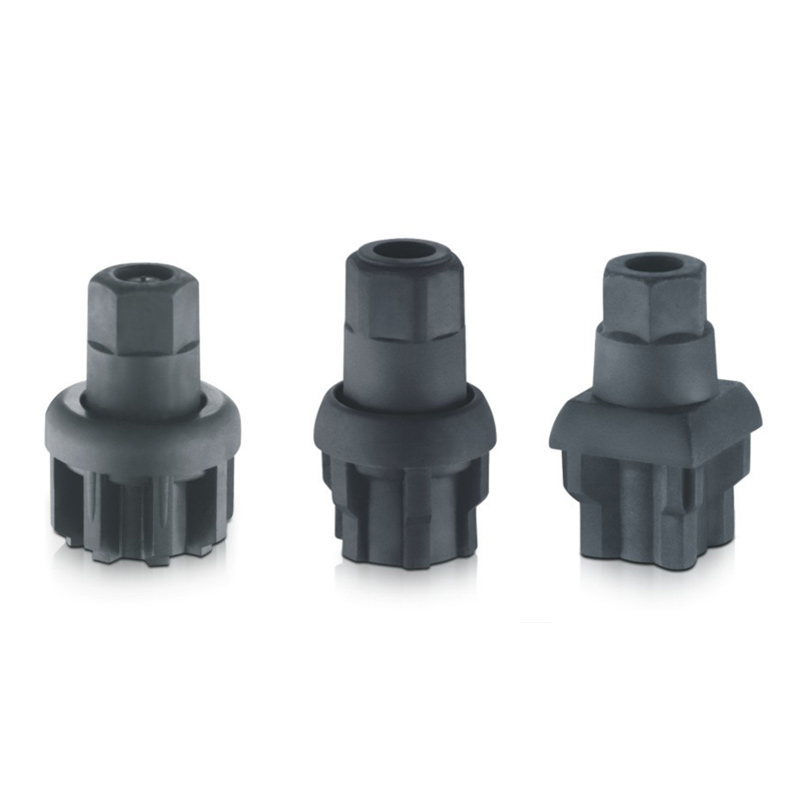
Start with the equipment, not the foot material.
For heavy stationary equipment in wet or frequently cleaned areas, stainless steel bullet feet are usually worth evaluating first. Confirm the material grade, thread construction, load information, and base design.
For lighter equipment where floor protection and cost matter, plastic or polymer-based equipment feet may offer better value if load, temperature, and chemical requirements are satisfied.
For applications requiring both strength and softer floor contact, a hybrid design may be more appropriate—for example, a metal load-bearing structure combined with a rubber or polymer floor-contact pad.
Before approving production, use this checklist:
-
Equipment operating weight confirmed
-
Number of support points confirmed
-
Thread size and pitch confirmed
-
Required adjustment range confirmed
-
Base diameter checked
-
Floor material identified
-
Water exposure considered
-
Cleaning chemicals considered
-
Heat exposure considered
-
Physical sample fitted to actual equipment
If these ten points are clear, the material decision becomes much easier to justify.
How Does Foshan Simple Technology Co., Ltd. Support Bullet Foot Selection?
Foshan Simple Technology Co., Ltd. supplies bullet feet and other commercial kitchen equipment components for OEM manufacturers, distributors, and project buyers. In replacement and equipment-production work, the useful information includes more than whether the buyer wants stainless steel or plastic. Connection dimensions, thread arrangement, adjustment range, base design, equipment load, floor conditions, and cleaning environment can all influence the suitable construction. Buyers can provide drawings, dimensions, or existing samples to confirm compatibility before ordering. This is especially useful where a bullet foot must fit an existing equipment leg or frame without requiring changes to surrounding parts.
Вывод
Stainless steel bullet feet generally make more sense for demanding loads, wet cleaning, and higher-temperature environments, while plastic feet can provide better value for lighter equipment, floor protection, and cost-sensitive applications. The next purchasing step is not to choose a material from a catalog; it is to record the equipment weight, connection size, adjustment requirement, floor condition, and operating environment. Once those details are defined, suppliers can quote comparable options and buyers can judge total value rather than unit price alone.
Часто задаваемые вопросы
1. Are stainless steel bullet feet better for heavy commercial kitchen equipment?
They are often worth considering, but material alone does not determine load capability. Buyers should also check thread construction, base size, stated load information, and the equipment connection.
2. Can plastic equipment feet support commercial kitchen equipment?
Yes, depending on the design, polymer, dimensions, and load. Buyers should confirm the rated application, temperature range, thread construction, and long-term suitability before using them under heavier equipment.
3. Which type is better for wet kitchen floors?
Stainless steel with a suitable grade is commonly considered for wet areas. Plastic avoids conventional rust but still needs to be checked for chemical exposure, deformation, grip, and metal inserts.
4. Can stainless steel bullet feet damage finished floors?
Direct metal contact may not suit every floor. Buyers can consider designs with rubber or polymer contact pads where grip, noise reduction, or floor protection is important.
5. What information should I send a supplier before buying bullet feet?
Provide equipment weight, number of feet, thread size, connection dimensions, adjustment range, floor type, water and chemical exposure, temperature conditions, and order quantity. A sample or drawing can improve fit confirmation.
