


5 дней в неделю с 8:30 до 17:30

Why Food Sticks to Fryer Baskets in Commercial Kitchens
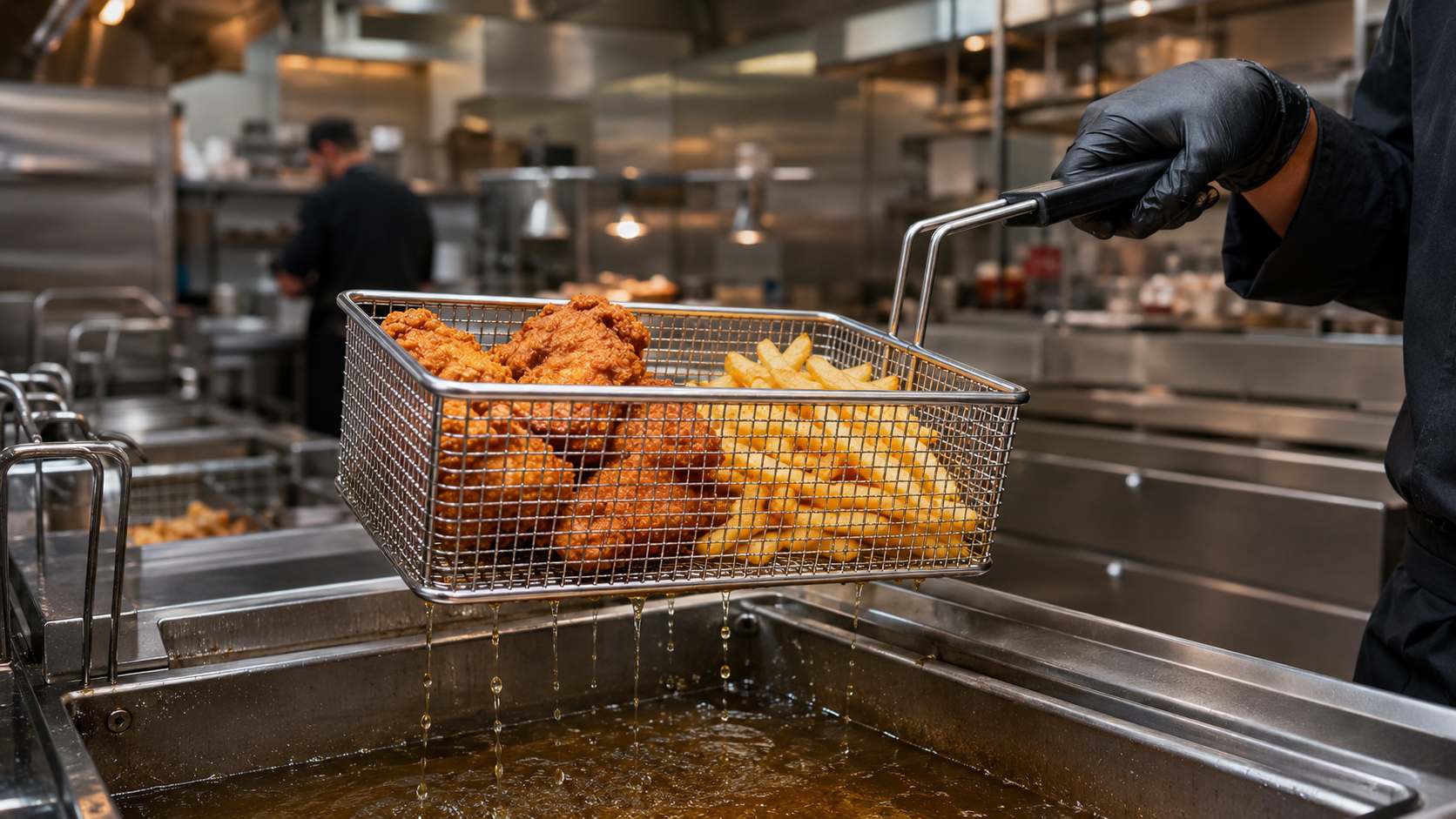
Food sticking to a fryer basket is more than a small service problem. In a commercial kitchen, it can slow down batch cooking, damage coating, increase crumbs in the oil, and make finished food look uneven. Fried chicken loses skin, battered fish tears apart, fries clump together, and breaded snacks may leave half their coating on the wire mesh.
The causes usually come from several points working together: wet batter, low oil temperature, overcrowded baskets, rough grease buildup, poor loading method, and a fryer basket that does not fit the kitchen’s food type or fryer size. Solving the problem is not about one trick. It requires better frying habits, better cleaning, and the right stainless steel fryer basket for daily commercial kitchen use.
Why Does Food Stick to a Fryer Basket?
Food sticks when the outer surface has not set before it touches the basket. In deep frying, the coating needs quick heat contact so moisture leaves the surface and starch or protein firms up. When that process is delayed, the food behaves like glue on the basket wires.
Wet Batter Sets Too Slowly
Wet batter is one of the biggest causes of fryer basket sticking. Fish fillets, tempura-style shrimp, onion rings, chicken strips, and coated vegetables often have a soft surface when they enter the oil. If the item lands directly on the basket before the outside firms, the batter wraps around the wire mesh. When kitchen staff lift the basket, the coating tears away.
This is common during peak service when staff load food fast. A battered item should not be pressed into the bottom of the basket. For delicate coated food, it is better to lower the food into hot oil carefully, let the outside set for a few seconds, and then allow it to rest in the basket.
Oil Temperature Drops During Heavy Loading
A commercial fryer may be set to the right temperature, but the actual oil temperature can drop sharply when too much frozen or chilled food is added at once. When oil loses heat, food releases moisture more slowly. Batter stays soft longer, breading absorbs more oil, and starch-heavy items start sticking to each other.
In many commercial kitchens, the practical frying range often sits around 170°C to 190°C, depending on the food. The exact setting should follow the recipe and fryer instructions, but the key rule is simple: stable oil temperature gives the coating a better chance to set fast.
Grease Buildup Creates a Rough Surface
A clean stainless steel fryer basket has a smoother contact surface than a basket covered in burned crumbs, sticky oil film, and carbonized batter. Old buildup creates small rough points where new food catches. The more the basket is used without proper cleaning, the more sticking happens.
This is especially visible in fried chicken stations, seafood lines, and kitchens that use heavy breading. Once black residue forms inside corners and along the mesh, quick rinsing is no longer enough.
Which Foods Stick Most Often in Commercial Kitchens?
Different foods stick for different reasons. A busy kitchen should not use the same basket handling method for fries, battered fish, fried chicken, and pasta items.
| Food Type | Why It Sticks | Practical Kitchen Fix |
|---|---|---|
| Battered fish | Wet coating touches wire before setting | Lower slowly and avoid early shaking |
| Fried chicken | Loose flour, skin, and pressure from overloading | Shake after crust starts to firm |
| French fries | Surface starch, ice crystals, crowding | Load in smaller batches and shake lightly |
| Onion rings | Soft batter and round shape | Keep pieces separated before full basket lift |
| Breaded snacks | Loose crumbs and low oil recovery | Skim oil and keep basket clean |
Fried Chicken and Breaded Food
Fried chicken clinging to the fryer basket happens frequently when pieces pack close. The skin or breading presses into the metal mesh. If the kitchen shakes the basket too soon, the coating can rip before it crisps up.
For chicken wings, tenders, cutlets, and nuggets, workers should add fewer pieces per batch. They need to keep gaps between items. Also, they should pause until the initial crust forms before shifting the basket. A big capacity fryer basket can aid when the kitchen demands more output. However, capacity should never justify packing too much.
Battered Fish and Seafood
Fish, shrimp, and seafood pieces are more delicate than chicken. Their surface moisture is higher, and the protein can break easily. When the batter sticks, the food may split or lose its clean shape.
For seafood stations, the basket should already be hot and lightly coated by oil. Food should enter the oil with controlled movement. Dragging battered fish across the basket bottom almost always increases tearing.
French Fries and Starchy Foods
French fries, potato wedges, hash browns, and other starch-heavy foods may not stick to the metal only. They often stick to each other first. Surface starch, ice crystals, and moisture cause clumps when the batch is too large.
A stainless steel French fry basket with suitable mesh spacing helps oil move around the food. Good oil circulation reduces cold spots and supports more even color. For kitchens serving fries all day, basket size and batch weight matter as much as fryer power.
How Can Commercial Kitchens Stop Food from Sticking?
The most reliable solution is a repeatable process. Staff should not rely on guessing during a busy lunch rush or late-night service. A simple frying routine keeps food quality more stable.
Preheat the Fryer Basket Before Loading Food
A cold basket increases sticking because the coating meets cooler metal. In commercial kitchens, the basket should sit in hot oil briefly before loading. This coats the wire mesh with hot oil and reduces direct batter-to-metal contact.
This step is especially useful for battered fish, fried chicken, and onion rings. The basket should not be dripping with old residue. It should be clean, hot, and ready for the next batch.
Do Not Overload the Basket
Overloading is one of the fastest ways to cause sticking. It lowers oil temperature, traps steam, presses food into the mesh, and causes uneven frying. A basket filled too tightly may look efficient, but it often creates more waste and slower recovery.
A better commercial kitchen rule is to leave enough room for oil movement. Food should move slightly when the basket is lifted or shaken. If it sits as one dense block, the load is too heavy.
Let Coating Set Before Shaking
Shaking the basket is useful, but timing matters. If staff shake too early, wet batter tears. If they wait too long, fries or chicken pieces may clump. Most foods need a short setting period before the first light shake.
A practical method:
-
Lower the basket slowly into the oil.
-
Let food set for several seconds.
-
Shake gently, not aggressively.
-
Avoid scraping food against the basket bottom.
-
Skim loose crumbs between batches.
This routine is simple, but it can reduce broken coating during heavy service.
How Does Fryer Basket Design Affect Sticking?
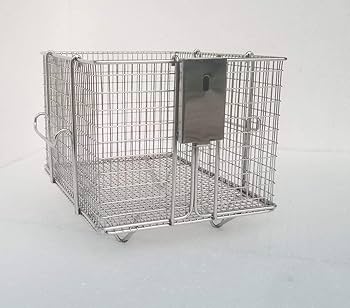
A fryer basket is not only a container. Its mesh, shape, material, handle, depth, and surface finish all affect oil flow, heat contact, food spacing, drainage, and cleaning work. Commercial kitchens that fry the same menu all day need baskets matched to the fryer and food type.
Mesh Spacing Changes Oil Flow
Fine mesh can hold small items well, but it may trap crumbs and slow oil circulation. Wider mesh allows better oil movement, but small food pieces may fall through or get caught. The right wire mesh fryer basket should match the menu.
Fries need free oil movement and quick drainage. Fried chicken needs strength, depth, and enough room between pieces. Seafood may need a basket shape that supports gentle handling.
Stainless Steel Helps With Daily Cleaning
A stainless steel fryer basket is widely used in commercial kitchens because it stands up to heat, oil, moisture, and repeated cleaning. Nickel-plated and stainless steel basket options, with surface treatments such as electroplating or electrolytic polishing, can help improve corrosion resistance and make routine cleaning easier.
The smoother the surface, the less space there is for burned grease to grip. This does not turn the basket non-stick, but it simplifies upkeep.
Shape and Capacity Affect Batch Quality
Square and semicircular fryer basket designs are common in restaurant kitchens because they give different loading and drainage benefits. A square basket can arrange food more neatly and support centralized frying. A semicircular basket can help with faster lifting and smooth oil drainage for specific food items.
| Basket Feature | Commercial Kitchen Benefit |
|---|---|
| Square basket shape | Larger usable space and stable food arrangement |
| Long handle | Safer handling near hot oil |
| Double handles | Better control for heavy batches |
| Silicone handle protection | Reduced burn risk and better grip |
| Custom size | Better fit for electric or gas fryers |
| Stainless steel material | Heat resistance, corrosion resistance, easier cleaning |
How Should Fryer Baskets Be Cleaned to Reduce Sticking?
Cleaning has a direct effect on food release. A dirty fryer basket can ruin the next batch even when the oil temperature and cooking method are correct.
Remove Crumbs During Service
Loose crumbs keep frying in the oil. They blacken, crumble, and stick to the basket and food. In peak service, workers should scoop crumbs regularly and inspect basket wires for caught coating.
This holds key for kitchens frying chicken, seafood, croquettes, and breaded starters. Crumb layers not only spark clinging. They can alter taste and shorten oil use too.
Wash Baskets After Heavy Use
At each service end, fryer baskets need removal, draining, and washing with warm water, fitting soap, and a soft brush. Edges, handle joins, and mesh crossings demand extra care since bits often linger there.
Hard scraping with sharp tools should be avoided because rough scratches can create new sticking points. After washing, the basket should dry fully before storage or reuse.
Replace Damaged Fryer Baskets
A bent or cracked basket causes more problems than many kitchens expect. Deformed mesh creates pressure points where food catches. Loose handles reduce control. Rust, rough welds, and broken wires can damage food and raise safety concerns.
A commercial kitchen should consider fryer basket replacement when:
-
food keeps sticking after cleaning and correct frying
-
the mesh is bent or broken
-
the handle feels loose
-
carbon buildup cannot be removed
-
the basket no longer fits the fryer correctly
-
staff report unsafe handling during heavy batches
When Is a Custom Fryer Basket a Better Choice?

Basic fryer baskets suit many kitchens, but not all setups use the same fryer scale, batch load, food form, or service amount. Eateries, hotels, main kitchens, and food lines might need tailored size fryer baskets to cut clinging and boost batch pace.
A tailored fryer basket aids when the present one sits too shallow, too slim, too tall, too tough to wash, or badly paired with the fryer slot. For instance, a busy fried chicken spot may want a bigger basket with firmer handles. A French fry area may seek a basket that drains swiftly and holds shares apart. A pasta or boiling spot may call for a distinct basket outline for raising and rinsing.
The purchase decision should check:
-
fryer type, such as electric fryer or gas fryer
-
basket length, width, and depth
-
food size and batch weight
-
mesh spacing
-
handle length and heat protection
-
surface treatment
-
cleaning method
-
storage and hanging needs
For B2B buyers, the best fryer basket is not simply the largest one. It is the one that matches the fryer, menu, workflow, and cleaning routine.
Foshan Simple Technology Co., Ltd. as a Commercial Kitchen Supplier
Foshan Simple Technology Co., Ltd. supplies commercial kitchen components for buyers seeking practical, repeatable sourcing. Its product range covers Grease Filter, Adjustable Legs, Bullet Feet, Frying Basket, Range Hood Light, and related kitchen equipment parts. For fryer basket buyers, the range includes stainless steel baskets, French fry baskets, large capacity frying baskets, long-handle baskets, double-handle baskets, and customized options for different commercial fryer setups.
The company serves B2B needs where product fit, stable supply, packing protection, and communication matter. Commercial kitchen buyers often need more than a single basket size. They may require different dimensions, materials, handle styles, and surface treatments for restaurant chains, equipment distributors, project contractors, or replacement part programs.
Foshan Simple Technology Co., Ltd. also supports OEM and ODM-style cooperation. For buyers comparing commercial kitchen equipment suppliers, this can reduce sourcing time across multiple related parts, especially when grease filters, fryer baskets, adjustable feet, bullet feet, and range hood lights are needed for the same project or sales channel.
Вывод
Food clinging to a fryer basket often begins with damp coating, shaky oil heat, packing, bad basket use, or grease layers. In commercial kitchens, these minor issues soon lead to torn coating, slower work, soiled oil, and extra washing.
The answer is hands-on: hold the oil warm, warm the basket, add food with gaps, pause before shaking, wash the mesh well, and swap worn baskets promptly. Basket form counts as well. A stainless steel fryer basket with right mesh, solid shape, safe handles, and fitting capacity can aid the kitchen in making cleaner, steadier fried food in daily shifts.
For restaurants, hotels, central kitchens, and kitchen equipment buyers, choosing the right commercial fryer basket is part of controlling food quality, labor time, and long-term equipment cost.
Часто задаваемые вопросы
Why does battered food stick to the fryer basket?
Battered food sticks because the wet coating touches the basket before it sets. Low oil temperature, a cold basket, thick batter, and dirty mesh all make the problem worse. In commercial kitchens, battered fish and onion rings should be lowered gently so the outer layer can firm before strong basket movement.
How do restaurants stop fried chicken from sticking to the fryer basket?
Restaurants reduce fried chicken sticking by keeping oil temperature stable, avoiding overloaded baskets, letting the crust set before shaking, and cleaning crumbs from the basket. A large capacity stainless steel fryer basket can help, but it should still leave enough space for oil flow.
Should a fryer basket be preheated before use?
Yes. In commercial kitchens, preheating the fryer basket in hot oil helps coat the wire mesh and reduces direct contact between wet batter and cooler metal. This is useful for fried chicken, battered seafood, and other coated foods.
What is the best fryer basket material for commercial kitchens?
Stainless steel is a common choice for commercial fryer baskets because it handles high heat, oil exposure, moisture, and frequent cleaning. Surface treatment and smooth wire quality also matter because rough buildup increases food sticking.
When should a commercial kitchen replace a fryer basket?
A commercial kitchen should replace a fryer basket when the mesh is bent, the handle is loose, the surface is rough, food keeps sticking after cleaning, or the basket no longer fits the fryer properly. Damaged baskets can affect food quality, speed, and staff safety.
