


5 Days a week from 8:30 am to 5:30 pm

Polycarbonate vs Glass Hood Light Covers: Which Lasts Longer?
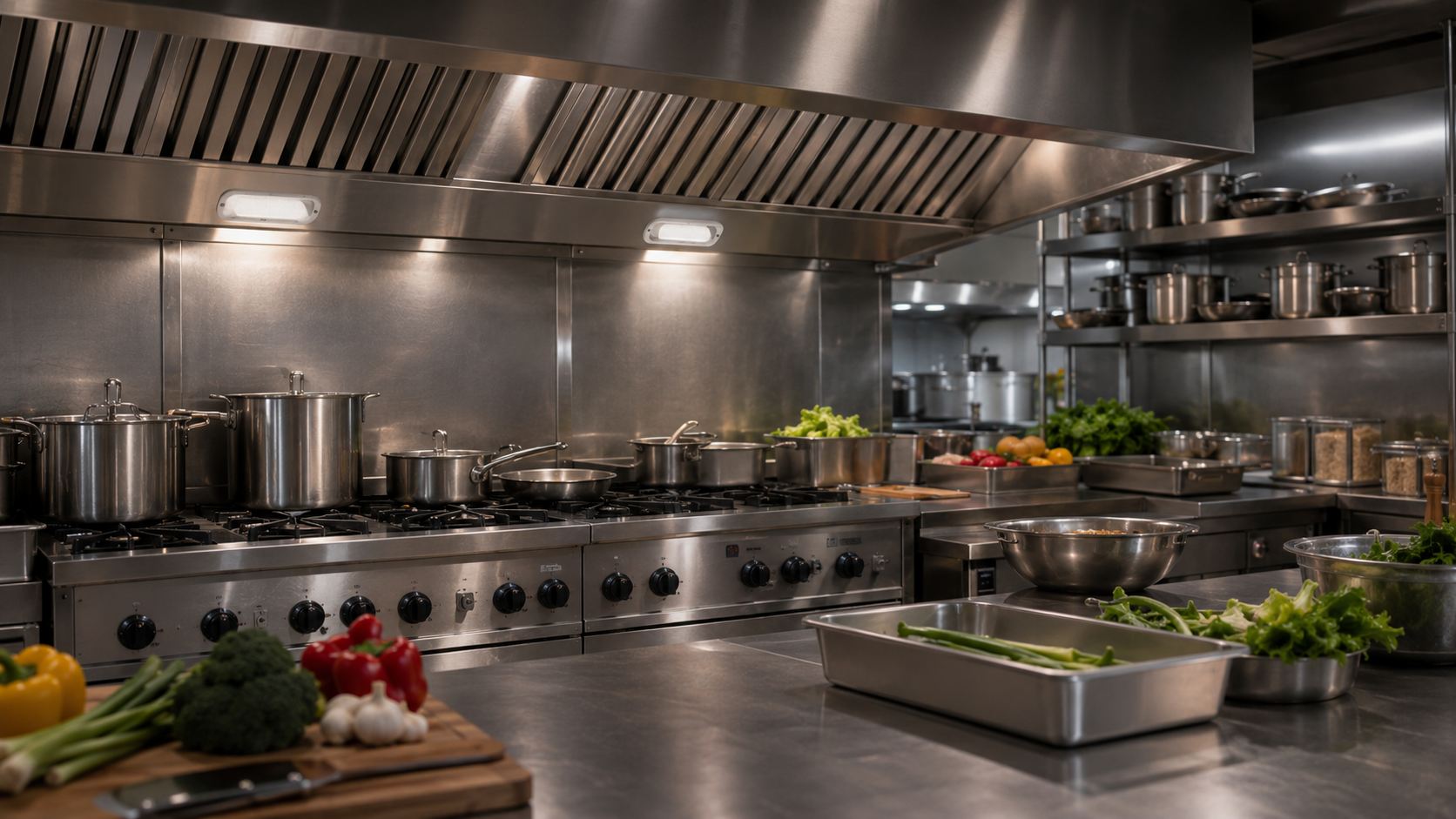
When purchasing commercial range hood lights, the cover material is only one of the factors of durability that need to be taken into account. A hood light operates in an environment of extreme heat, grease, steam, detergents, vibration, and frequent cleaning. A hood light failure results in loss of visibility in the kitchen, possible contamination, and repair cost in terms of labor for replacing a failed fixture. It is the complete range hood light assembly including the lens, LED module, driver area, gasket, and housing that is purchased. Therefore Polycarbonate vs Glass Hood Light Covers matters.
Why should buyers start with the complete hood light instead of the cover alone?
A lamp cover can cover the lamp cavity, but it can not fix a fixture with poor sealing, inadequate heat dissipation, or defective wiring. Only compare the complete fixture when trying to determine which lens will last longer.
How does fixture design affect service life?
In addition to having the best LED board and highest quality driver, a commercial hood light is a system that must include the housing, gasket, wire exit, mounting screws and cover. If heat gets trapped inside the light, the LED output will deteriorate prematurely. If the seal comes loose, the light may allow oil mist and moisture to enter into the interior parts of the light. The screws used to mount the housing must not corrode as this will make servicing the light on a regular basis much more time consuming. A good glass or polycarbonate cover is only as good as the frame that it sits in.
What problems appear when only the lens is compared?
As an example, a Buyer might select glass for its clarity but get a fixture with a weak gasket, and another Buyer selects polycarbonate for its impact resistance but uses cleaners that cause haziness to the polycarbonate lens. As a result, cover selection would be based on the fixture’s location in the plant, hood temperature, washing routine, the spare parts available, and the required frequency and nature of the inspections that will be performed. In this way the RFQ will be able to ensure lighting reliability as opposed to simply the material choice.
How do polycarbonate and glass covers affect hood light durability?
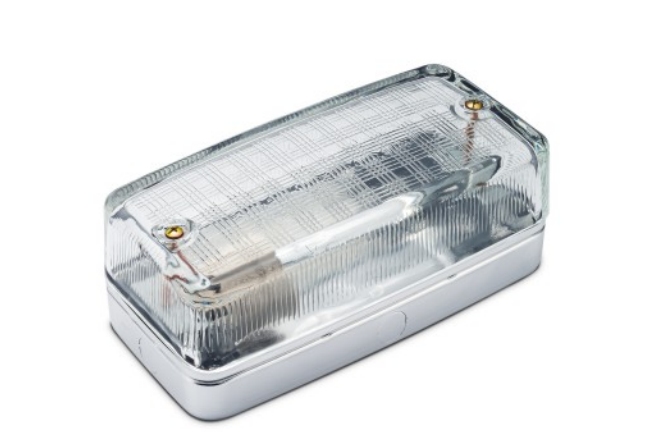
The cover of the light source protects it from grease, vapor, tools and cleaning chemicals. Both materials have their advantages and disadvantages and can fail in the wrong environment.
When does polycarbonate last longer?
Polycarbonate offers longer life where impact is the main driver and staff frequently remove covers, parts are serviced from ladders and cleaning tools occasionally hit the fixture. It is lighter than glass and won’t break when handling but surface will age. Heat, alkaline degreasers, alcohol cleaners, UV exposure and abrasive cleaning pads can cause scratching, hazing, yellowing and even stress cracking.
When does glass last longer?
Glass lasts longest in applications with most heat, oil and chemical cleaning. Glass typically retains optical quality far better than most plastics. However, it can break. Poor edge finishing, over-tightening of screws, frame twist, impact or sudden temperature changes can all crack the cover. If buying with glass cover plates, check that the glass is tempered, how the seal is fixed and whether spare covers are available.
|
Buyer concern |
Polycarbonate cover |
Glass cover |
|
Impact during cleaning |
Usually better |
Higher breakage risk |
|
Long-term clarity |
Can haze or yellow |
Usually stronger |
|
Heat exposure |
Needs rating check |
Often stronger |
|
Shipping and service |
Easier to handle |
Needs better packing |
What safety and sanitation requirements should hood light buyers check?
In commercial kitchens, the lighting affects visibility and contamination control. When buying kitchen lighting, it is essential to make a distinction between the statutory requirements and voluntary standards and between product certification and self-declaration by suppliers.
What does the FDA Food Code say about lighting protection?
The FDA Food Code 2022 is a model code offered for adoption by local jurisdictions; it is not a product certificate. Its lighting language matters because bulbs should be shielded, coated, or otherwise shatter-resistant in areas where exposed food, clean equipment, utensils, linens, or unwrapped single-service articles may be affected. That makes the hood light cover part of food-protection design, not decoration.
Which NSF or UL references are relevant?
NSF’s Standards for Food Equipment Processing states that NSF/ANSI 2 covers minimum food protection and sanitation requirements for materials, design, fabrication, construction and performance of food equipment including hoods and their components used in handling and processing of food. UL lists items for Sanitation Evaluation in Commercial Kitchens including lighting, which can be rated to meet NSF/ANSI 2 requirements for sanitation. Buyer must find out if the certification of a hood light is for the completed unit, for the material, for the component, or just for an internal claim.
How should buyers write an RFQ for commercial range hood lights?
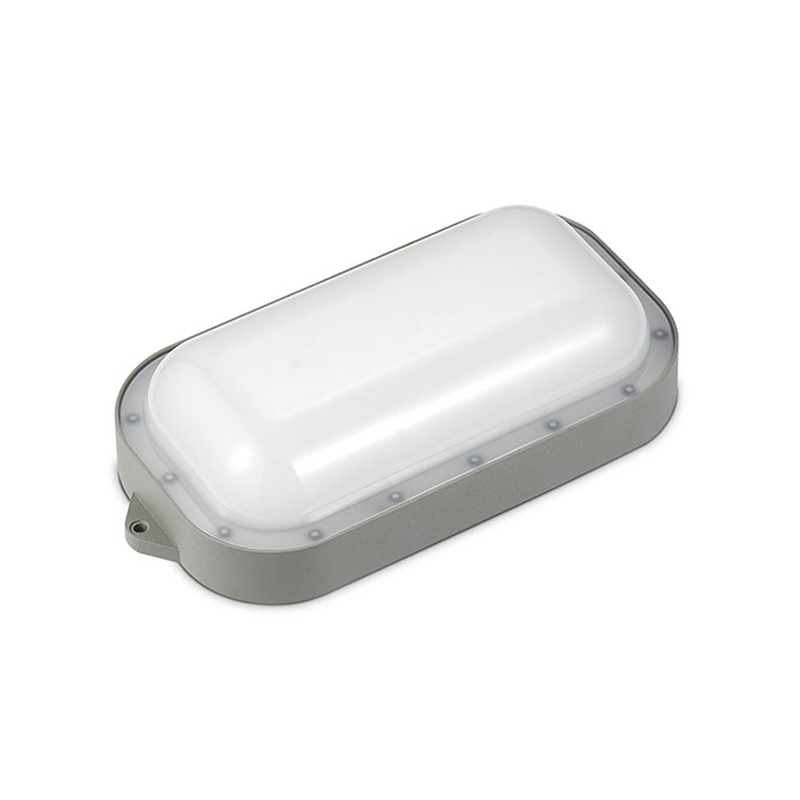
A clear specification in an RFQ allows the supplier to recommend the best fixture and cover material for the application. In addition it prevents problems with replacement parts not fitting the hood opening.
Which lighting and electrical details should be listed?
This list of details to include should cover voltage, wattage, lumens, color temperature, beam spread, fixture dimensions, mounting, wire length, connector type, housing, gasket, cover, and operating temperature. For LED range hood lights, find out if the driver is integral to the light or a separate unit. Also, confirm whether the fixture is recessed into the ceiling, surface mounted, or is designed to fit into a specific range hood cutout.
Which durability and service details should be listed?
Cleaning chemicals, wash frequency, grease exposure, hood temperature, how are these items replaced, what spare parts are needed, packaging, MOQ, sample lead time and production lead time. Drawing, photos, installation instructions and how to replace the lens. If the supplier states that the filters are waterproof, oil-proof, heat-resistant or shatter-resistant then ask for details of test method/specification. Covers, gaskets, screws and full replacement hood lights. Can these be ordered by model number for maintenance planning.
Which supplier can support range hood light sourcing and customization?
Foshan Simple Technology Co., Ltd. is a China commercial kitchen equipment supplier, such as commercial kitchen exhaust hood range hood lights, grease filters, adjustable legs, bullet feet, stainless steel fryer baskets, etc. commercial kitchen exhaust hood lights, such as waterproof exhaust hood light, oil-proof exhaust hood light, stainless steel exhaust hood light, aluminum alloy exhaust hood light, glass exhaust hood light, exhaust hood LED light. Here is a supplier category for buyers who are looking for exhaust hood light covers made of Polycarbonate vs Glass Hood Light Covers. The supplier category can help buyers match the exhaust hood light covers with the exhaust hood fixture size, mounting type, electrical components, packaging, samples, MOQ, etc. Before ordering, buyers should compare supplier’s product drawings, material specification documents, price, delivery terms and after sales service.
Conclusion
When purchasing a range hood light, it is best to evaluate the entire fixture – the glass or polycarbonate hood light cover is just one component. In kitchens where there is potential for frequent impact or handling errors, polycarbonate may provide longer life. On the other hand, environments with high levels of heat, grease and subject to harsh chemical cleaning products, glass may provide the better life. In reality, the life of the fixture is determined by the following: the LED light module; the light housing; the gasket seals; the method for which the wires exit the light housing; the light mounting system; and the available spare parts. When placing an RFQ for kitchen hood lighting, first define the specific kitchen environment, and then select the cover material that best supports lighting safety; easy cleaning; and low maintenance.
FAQs
1. Are you choosing a hood light or only a hood light cover?
Buyers will probably want a complete hood light as their first choice. Specify the cover in the fixture – don’t make it the sole criterion for durability.
2. Which cover lasts longer in hot commercial kitchens?
Glass is more resistant to heat and to harsh cleaning products if it is well fixed, free from impact or screw stress.
3. Which cover is safer during rough handling?
Polycarbonate is a good material for impact and handling as it is not as prone to shattering as acrylic. Compatibility in service and maximum use temperature should still be checked however.
4. What should buyers ask before ordering LED range hood lights?
Ask for voltage, wattage, lumen output, color temperature, dimensions, mounting style, cover material, gasket design, wiring, packaging, MOQ, samples, and lead time.
5. When should a commercial range hood light be replaced?
The lighting unit needs to be replaced when the brightness decreases, the seal fails, oil enters the housing, the cover cracks or becomes yellow, the screws corrode or no matching spare parts are available anymore.
